
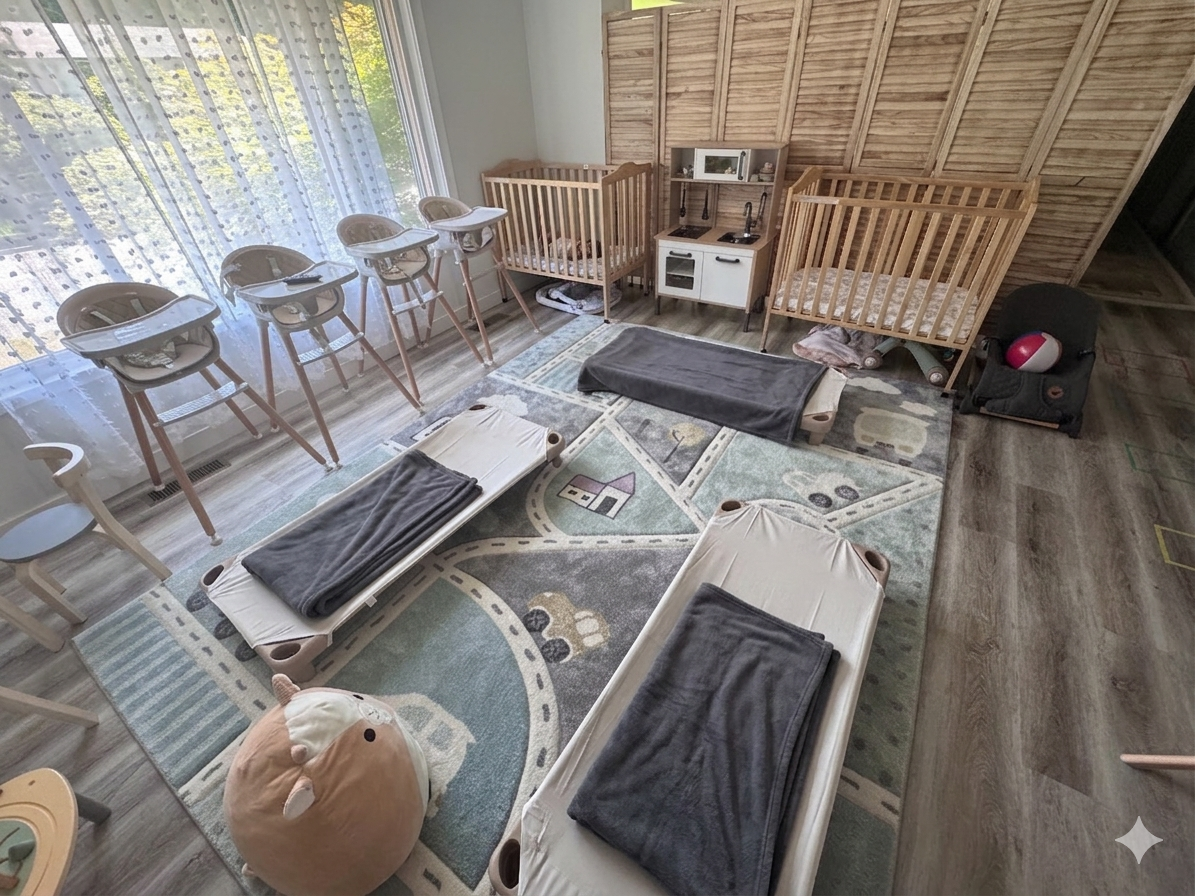


Young children learn best when they feel calm, safe, and able to focus on the world around them. In early childhood education, the physical classroom environment plays a major role in how children think, behave, and interact during learning activities. While colorful decorations and busy walls may appear exciting, too much visual stimulation can overwhelm children and reduce their ability to concentrate.
Today, many educators and child development specialists support the idea that less clutter often leads to better learning outcomes. A simple classroom design helps reduce distractions, supports emotional regulation, and creates a classroom environment for learning that encourages attention and engagement.
For toddlers and preschoolers especially, a calm learning environment can make daily activities feel more manageable and predictable. Organized spaces, thoughtful colors, natural lighting, and reduced overstimulation all contribute to stronger classroom focus and healthier developmental experiences.
What Is Simple Classroom Design?
A simple classroom design does not mean creating an empty or boring room. Instead, it means designing a learning space intentionally so children can focus on important activities without unnecessary distractions.
A minimalist classroom typically includes:
- Organized learning materials
- Limited wall clutter
- Calm and balanced colors
- Defined activity areas
- Accessible storage
- Comfortable lighting
- Purposeful decorations
In early childhood settings, children constantly process sensory information from their surroundings. An overstimulating classroom filled with excessive posters, bright colors, loud visuals, and crowded spaces can make it difficult for children to concentrate.
Simple design supports learning by helping children understand where to focus their attention. It creates a predictable environment where routines feel easier and less stressful.
Why Classroom Environment Affects Children’s Focus
Young children are still developing attention control and self-regulation skills. Because of this, their surroundings strongly influence their ability to learn.
When a classroom contains too many distractions, children may:
- Lose concentration quickly
- Feel overwhelmed or anxious
- Struggle to complete activities
- Become more impulsive
- Experience emotional frustration
Research in early childhood development shows that children learn more effectively in organized environments that reduce unnecessary sensory input. A calm classroom environment allows children to process information more clearly and stay engaged during learning activities.
The classroom environment for learning also affects social interaction. Children often communicate and cooperate more successfully when the environment feels structured and peaceful.
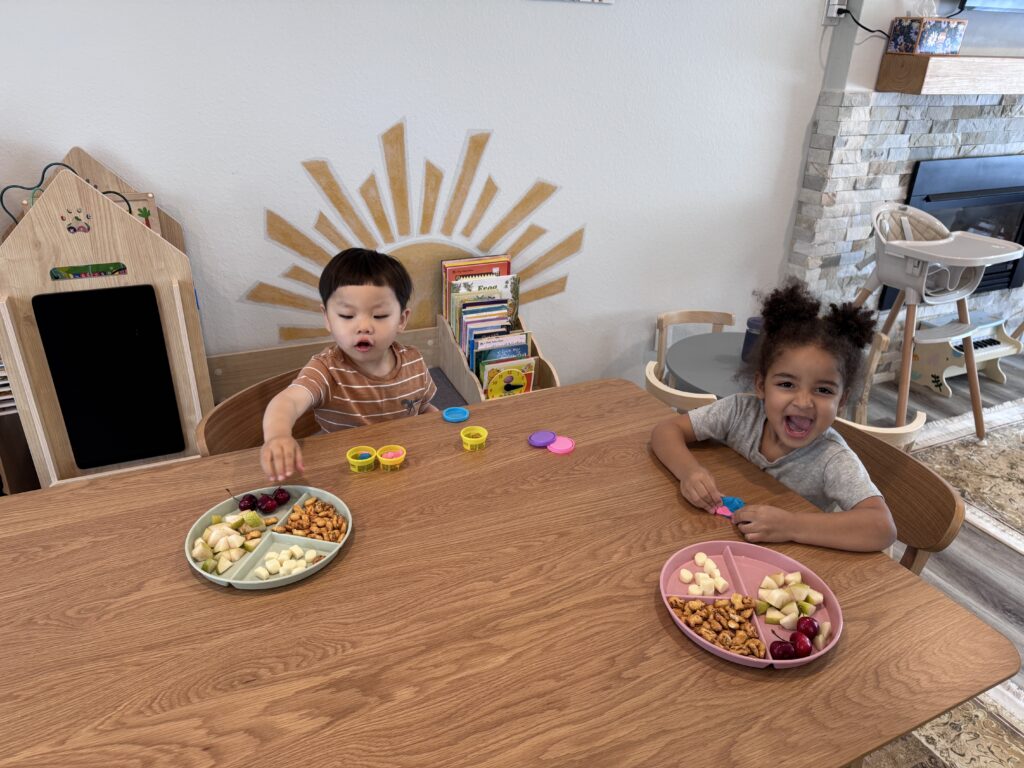
How Visual Clutter Creates Overstimulation
Visual clutter is one of the most common causes of reduced classroom focus in early childhood settings.
Classrooms filled with:
- Excessive posters
- Bright competing colors
- Overcrowded shelves
- Constant movement
- Hanging decorations
- Too many toys are visible at once
can overwhelm children’s developing brains.
For young learners, the brain naturally notices movement, color, and visual complexity. When every wall and surface competes for attention, children may struggle to focus on the teacher or the activity in front of them.
An overstimulating classroom may also increase stress levels for some children, especially those who are more sensitive to sensory input. Children who experience sensory overload may become restless, emotionally reactive, or tired more quickly throughout the day.
Reducing visual clutter supports the “less clutter, more focus” approach that many modern educators now encourage.
The Connection Between Calm Spaces and Attention Span
Children’s attention spans are limited during the early years of development. A calm learning environment helps preserve mental energy so children can participate more successfully in activities.
Simple classroom design improves children’s attention span by:
- Reducing unnecessary distractions
- Supporting emotional security
- Making routines easier to understand
- Encouraging independent exploration
- Helping children transition between activities smoothly
When children feel calm, their brains can focus more energy on learning instead of filtering overwhelming sensory information.
Calm spaces also support emotional regulation. Children are more likely to feel safe and confident when they understand their environment and know what to expect throughout the day.
Benefits of a Minimalist Classroom for Young Children
A minimalist classroom offers many developmental and educational benefits for toddlers and preschoolers.
Better Concentration
Children can focus more easily on books, toys, and teacher instructions when fewer distractions compete for their attention.
Improved Classroom Behavior
Organized spaces often reduce frustration and confusion, leading to smoother transitions and more cooperative behavior.
Increased Independence
Accessible materials and clearly defined learning areas help children make choices independently and participate confidently in classroom routines.
Reduced Stress and Anxiety
A calm learning environment may help children feel emotionally secure, especially during new experiences or transitions.
More Meaningful Learning Experiences
Instead of becoming overwhelmed by visual stimulation, children can engage more deeply with activities and learning materials.
Important Elements of a Focus-Friendly Classroom
Several design features help create a classroom environment that supports learning and focus.
Organized Storage
Children benefit from labeled shelves, bins, and accessible materials. The organization reduces confusion and teaches responsibility.
Clear Learning Zones
Separate areas for reading, sensory play, group activities, and quiet time help children understand expectations and routines.
Open Space
Too much furniture or crowded layouts can increase overstimulation. Open pathways allow children to move safely and comfortably.
Natural Materials
Wooden toys, neutral textures, and simple materials often create a calmer atmosphere than highly stimulating plastic items.
Limited Visual Displays
Instead of covering every wall, educators can rotate displays and highlight only the most meaningful learning materials.
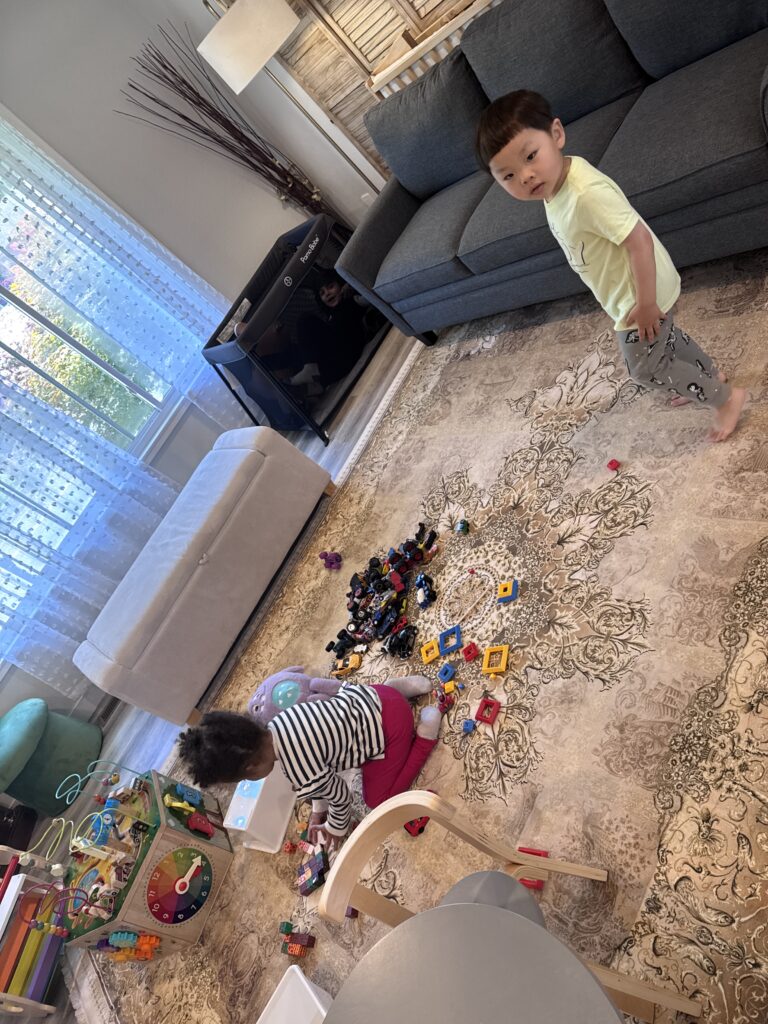
Color Psychology and Classroom Focus
Colors influence mood, energy, and attention in early childhood environments.
Soft and neutral colors often help create a calm learning environment, while extremely bright colors may increase overstimulation when overused.
Helpful Classroom Colors
- Soft blue
- Light green
- Beige
- Warm neutral tones
- Gentle earth colors
Bright colors can still be used thoughtfully for learning tools or accent areas, but balance is important.
A classroom with too many intense colors may feel visually chaotic for young children whose sensory systems are still developing.
How Lighting Impacts Learning and Attention
Lighting plays an important role in classroom focus and emotional comfort.
Natural light is often ideal because it creates a softer and more calming atmosphere. Bright fluorescent lighting may sometimes contribute to discomfort or overstimulation.
Good classroom lighting should:
- Reduce glare
- Create visual comfort
- Support reading and play activities
- Help children feel awake and calm
When possible, classrooms should maximize daylight and use warm lighting that supports a peaceful learning environment.
Organized Learning Spaces and Emotional Regulation
Children thrive in environments that feel predictable and safe.
Simple classroom design supports emotional regulation by helping children understand:
- Where activities happen
- What materials belong in each space
- What routines to expect
- How to transition calmly between tasks
Clear structure reduces uncertainty and supports children who may struggle with transitions or sensory sensitivity.
Organized environments also encourage social development. Children are more likely to cooperate and communicate positively when the classroom feels calm instead of chaotic.
Sensory Overload in Early Childhood Classrooms
Some children are especially sensitive to sensory stimulation. Loud sounds, bright visuals, crowded areas, and constant movement can lead to sensory overload.
Signs of overstimulation may include:
- Difficulty concentrating
- Irritability
- Fatigue
- Emotional outbursts
- Withdrawal
- Hyperactivity
Reducing overstimulation in classrooms helps create more inclusive learning spaces for children with different sensory needs and learning styles.
Simple classroom design supports sensory-friendly learning by reducing unnecessary visual and environmental stress.
Age-Appropriate Classroom Design for Toddlers and Preschoolers
Toddlers and preschoolers have different developmental needs, so the classroom setup should reflect their age and abilities.
Toddler Classrooms
Toddler environments should include:
- Soft movement areas
- Safe exploration spaces
- Simple toy organization
- Low shelves for independence
- Quiet corners for emotional regulation
Preschool Classrooms
Preschool classrooms can include:
- Defined activity centers
- Structured learning materials
- Reading spaces
- Collaborative play areas
- Creative stations without overcrowding
Age-appropriate classroom organization supports developmental milestones while maintaining a calm atmosphere.
Balancing Creativity Without Creating Distraction
A simple classroom does not eliminate creativity. Instead, it presents creative materials thoughtfully and intentionally.
Children’s artwork can still be displayed in meaningful ways without covering every surface in the room.
Helpful strategies include:
- Rotating artwork displays
- Using clean and organized bulletin boards
- Leaving open wall space
- Displaying only current learning themes
- Avoiding excessive decoration layering
This approach allows children’s creativity to shine while preserving classroom focus.
Classroom Safety and Washington State Child Care Standards
In Washington State, child care environments are expected to support children’s health, safety, and developmental needs. Organized classrooms help educators supervise children effectively and maintain safer learning conditions.
According to Washington State child care expectations, learning environments should:
- Maintain safe pathways and exits
- Reduce hazards and clutter
- Provide developmentally appropriate materials
- Support healthy supervision practices
- Encourage emotional well-being
Simple classroom organization also supports cleanliness and easier daily routines, which are important in licensed child care settings.
Families searching for quality early learning programs often look for environments that feel calm, organized, safe, and supportive of child development.
Tips Parents Can Use at Home
Parents can also use simple design principles to support focus and emotional regulation at home.
Create Calm Play Areas
Avoid overcrowding play spaces with too many toys at once.
Rotate Toys
Toy rotation helps children stay interested without becoming overwhelmed.
Reduce Visual Clutter
Organized shelves and limited distractions support independent play and concentration.
Create Predictable Spaces
Children benefit from having consistent areas for reading, homework, meals, and relaxation.
Limit Background Noise
Reducing television or excessive noise during activities can improve children’s focus.
Small environmental changes can significantly support children’s attention span and emotional comfort.
Conclusion
The physical environment has a powerful influence on how children learn, behave, and feel throughout the day. Simple classroom design helps reduce overstimulation, supports emotional regulation, and improves classroom focus by creating calm and organized learning spaces.
For toddlers and preschoolers, less clutter often leads to better concentration, smoother transitions, and more meaningful learning experiences. Thoughtful classroom design supports not only academic growth but also emotional well-being and social development.
Families looking for a nurturing early learning environment often value spaces that feel peaceful, safe, and developmentally appropriate. Kido Heaven Childcare focuses on creating supportive learning environments designed to help children feel comfortable, engaged, and ready to learn every day.
Why KidoHeaven Stands Out
✅ Licensed in Washington State
✅ Aligned with Early Achievers standards
✅ Working Connections subsidy accepted
✅ Daily updates via Brightwheel
✅ Located in Bothell, serving Mill Creek, Lynnwood & nearby areas
✅ Nutritious snacks, safe outdoor space, & positive mealtime routines
📞 Call 206-734-2040 to schedule a tour
🌐 Enroll now
Follow Our Mealtime Moments
Stay updated with more beautiful outdoor meals and daily learning routines on:
Instagram | Facebook | Nextdoor | Yelp | Winnie | YouTube | Upwards
FAQ
1. Does a minimalist classroom improve learning?
A simple classroom design may help improve focus, emotional regulation, and engagement by reducing unnecessary distractions and overstimulation.
2. Can too many classroom decorations affect children’s focus?
Yes. Excessive visual clutter can overwhelm young children and make it harder for them to concentrate during learning activities.
3. What colors are best for classroom focus?
Soft and balanced colors such as light blue, green, beige, and neutral earth tones often help create a calm learning environment.
4. Why is classroom organization important for toddlers?
Organized environments help toddlers feel secure, support independence, and make transitions easier throughout the day.
5. How can daycares reduce overstimulation?
Daycares can reduce overstimulation by limiting visual clutter, organizing materials clearly, creating quiet spaces, and using calm classroom layouts.


