How Childcare Fosters Independence from Infancy to Preschool

kido heaven bothell

Childcare helps children develop independence by providing age-appropriate opportunities to practice daily skills safely. Infants begin by exploring their surroundings and developing motor skills. Toddlers gradually learn self-feeding, toilet routines, and basic communication. Preschoolers expand their independence through dressing, personal care, problem-solving, and social interaction. These experiences build confidence, decision-making abilities, and self-reliance from an early age, forming a strong foundation for future learning and development.

The Importance of Independence in Early Childhood

Independence is a cornerstone of early childhood development, shaping children’s confidence, self-esteem, and ability to navigate challenges. Childcare environments play a crucial role in nurturing autonomy by providing structured, age-appropriate opportunities for children to practice skills safely. From infancy to preschool, children gradually learn to explore their environment, make choices, and take responsibility for small tasks.

Research shows that children who develop independence early demonstrate stronger social, emotional, and cognitive skills, preparing them for school and beyond. A trusted childcare center in Bothell provides a framework where children can gain these skills under expert supervision while feeling secure and supported.

Independence in Infancy (0–12 Months)

Encouraging Self-Exploration

During the first year, infants are naturally curious. Childcare professionals encourage independence by offering safe spaces for exploration, such as sensory mats, soft toys, and age-appropriate play areas. Allowing infants to reach, grasp, and interact with objects enhances fine motor skills and problem-solving abilities.

Developing Motor Skills

Tummy time, crawling, and assisted standing are essential for physical autonomy. These activities strengthen core muscles, coordination, and spatial awareness. Childcare centers like Kido Heaven daycare services follow WAC-compliant safety standards to ensure infants can explore without risk, promoting confidence in movement and self-discovery.
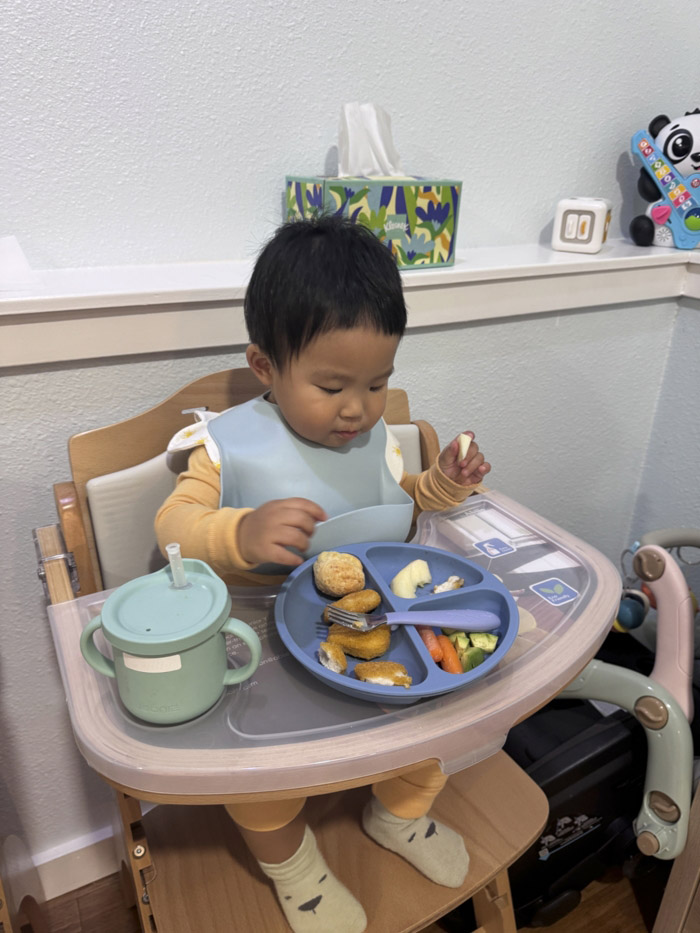
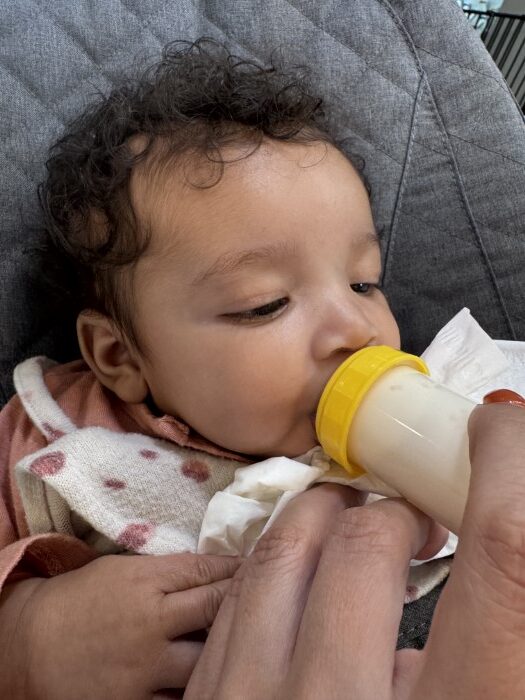
Toddler self-feeding at Kido Heaven

Independence in Toddlers (1–3 Years)

Self-Feeding and Mealtime Skills

Toddlers begin learning self-reliance through feeding themselves. Offering child-sized utensils, finger foods, and structured snack times encourages toddlers to develop motor coordination and decision-making skills. Mealtime becomes a learning opportunity rather than just a routine.

Toilet Training and Hygiene

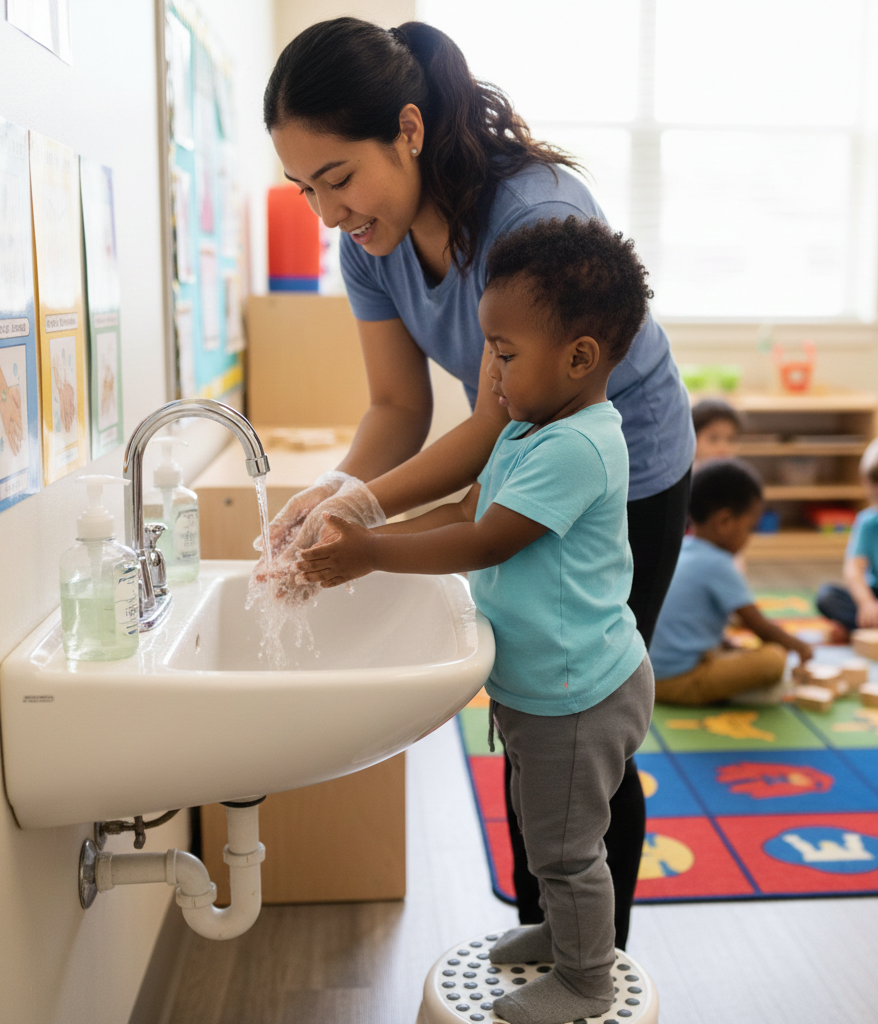
Toilet training is a significant milestone in toddler independence. Childcare providers support children with positive reinforcement and structured routines. Emphasizing personal hygiene, like handwashing and using tissues, fosters responsibility and self-confidence.

Language and Communication Skills

Toddlers’ growing vocabulary enables them to express needs, make choices, and engage with peers. Encouraging verbal interaction helps develop autonomy in social settings. Group activities at a licensed daycare in Bothell provide a safe space for toddlers to practice communication and problem-solving skills.

Independence in Preschoolers (3–5 Years)

Dressing and Personal Care

Preschoolers gain independence by dressing themselves, brushing teeth, and managing personal belongings. Childcare providers offer guidance and patience, allowing children to master routines gradually, which builds confidence and self-efficacy.

Social Skills and Peer Interaction

Preschoolers refine independence through group play and cooperative activities. Learning to share, take turns, and resolve conflicts encourages emotional regulation and decision-making. Childcare environments that promote peer engagement support these skills effectively.

Problem-Solving and Decision-Making

Age-appropriate challenges, such as puzzles or team-based games, encourage preschoolers to think critically and make choices independently. These activities prepare children for school and everyday life, fostering a sense of accomplishment and self-confidence.
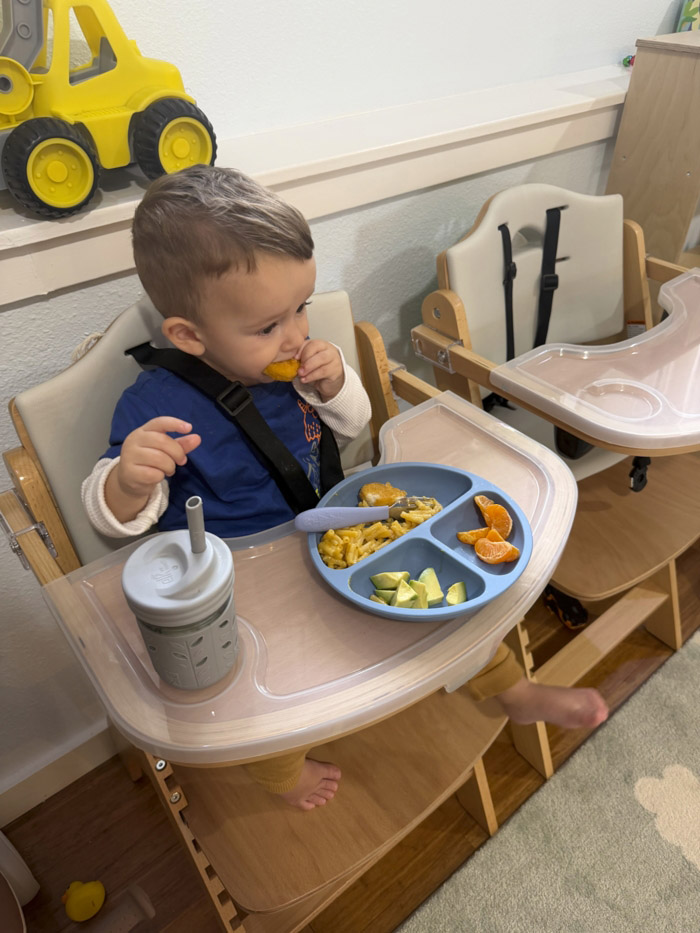
Teaching independent eating at daycare

Role of Childcare Providers in Supporting Independence

Childcare professionals guide children without taking over tasks, offering support only when necessary. They observe, model, and encourage age-appropriate behaviors. A well-trained team ensures children experience successes, failures, and learning moments in a safe environment, which is essential for developing autonomy.

Creating a Safe and Nurturing Environment

Safety is critical for independent exploration. Childcare centers in Bothell follow WAC regulations to maintain secure play areas, hygiene standards, and emergency protocols. A predictable environment allows children to confidently explore and try new skills without unnecessary restrictions.

Benefits of Early Independence

Fostering independence from infancy to preschool has long-term benefits:

Preparation for School: Children adapt better to structured learning environments.

Cognitive Growth: Encourages problem-solving and decision-making.

Emotional Resilience: Builds confidence to handle challenges.

Social Competence: Enhances communication and teamwork skills.

Conclusion: Fostering Independence in Infants and Toddlers

Kido Heaven in Bothell provides childcare for infants and toddlers designed to foster independence through structured, supportive, and age-appropriate learning opportunities. Children gain confidence, develop essential skills, and build resilience as they explore, practice self-feeding, and participate in daily routines. By offering a safe and nurturing environment, children are encouraged to take small steps toward self-reliance while being guided by experienced caregivers.

Why KidoHeaven Stands Out

✅ Licensed in Washington State
✅ Aligned with Early Achievers standards
✅ Working Connections subsidy accepted
✅ Daily updates via Brightwheel
✅ Located in Bothell, serving Mill Creek, Lynnwood & nearby areas
✅ Nutritious snacks, safe outdoor space, & positive mealtime routines

📞 Call 206-734-2040 to schedule a tour
🌐 Enroll now

Follow Our Mealtime Moments

Stay updated with more beautiful outdoor meals and daily learning routines on:

Instagram | Facebook | Nextdoor | Yelp | Winnie | YouTube | Upwards

FAQ

1. At what age should my child start practicing independence at daycare?

A1: Independence can be encouraged from infancy with safe exploration and gradually increases through toddler and preschool years with age-appropriate tasks.

2. How do childcare providers balance guidance and independence?

A2: Providers observe children, offer support only when necessary, and create structured routines that allow children to make choices safely.

3. Are these practices safe for all children?

A3: Yes. WAC-compliant childcare centers like Kido Heaven follow strict safety protocols while promoting autonomy.

4. How can I continue fostering independence at home?

A4: Encourage self-feeding, dressing, and age-appropriate decision-making at home while offering guidance and praise.

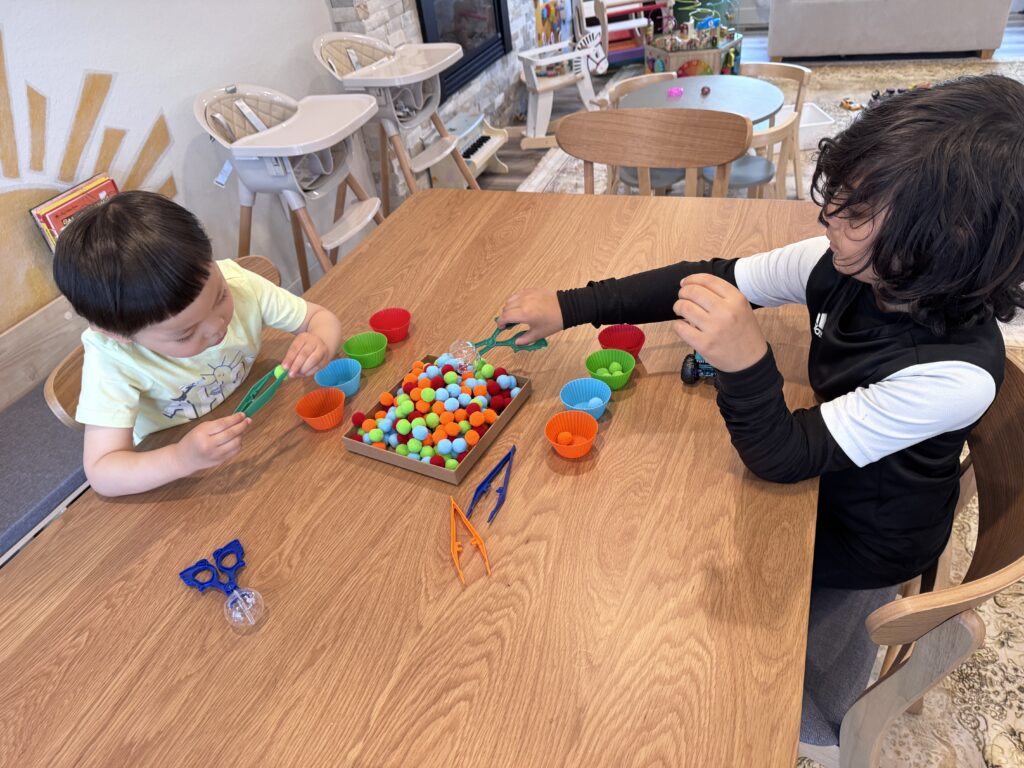
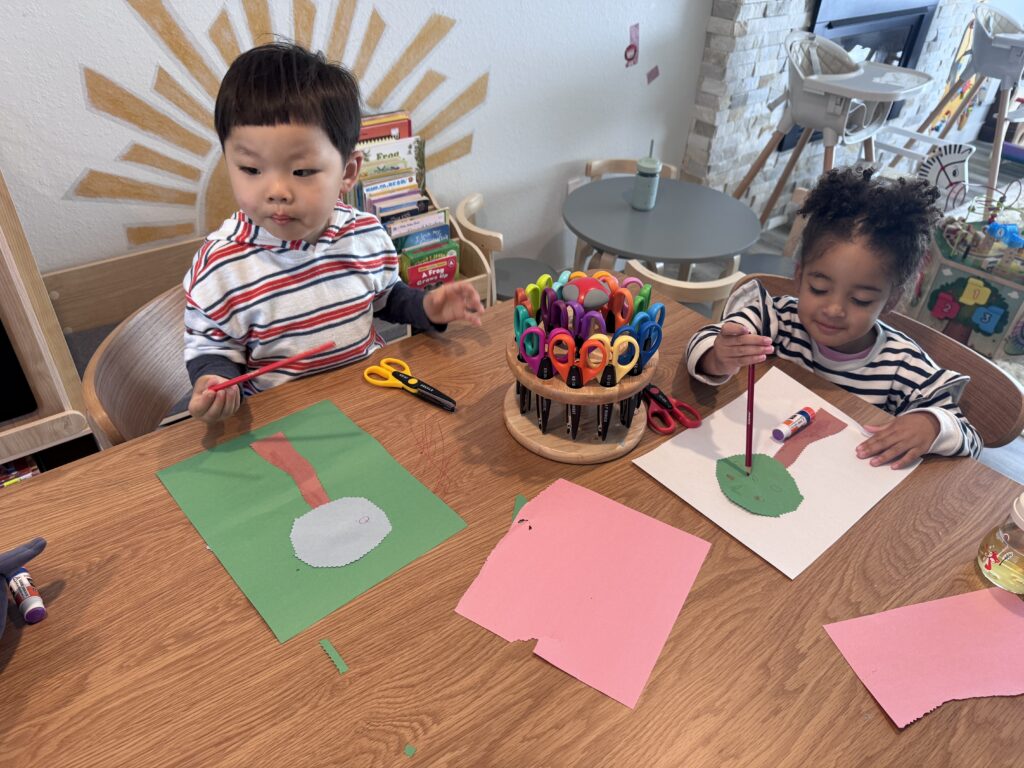
Exploring Colors Through Play: Activities for Infants to Preschoolers

Toddler finger painting with bright colors

Color play is one of the first ways young children interact with their environment. It helps infants and preschoolers develop essential skills, including color recognition, hand-eye coordination, and sensory awareness. Through activities like exploring objects, painting, and sorting, children learn to identify colors, understand contrasts, and express themselves creatively, which supports both cognitive and emotional development.

🎨 Why Color Play Matters

Color is one of the first ways young children interact with the world. From the moment infants open their eyes, they begin to notice contrasts, shapes, and vibrant colors. Color play is not just a fun activity—it is an essential component of early childhood development. Through playful exploration, children develop cognitive skills, creativity, and sensory awareness while learning to recognize and differentiate colors.

At Kido Heaven daycare, we integrate color play childcare activities into daily routines to foster early learning, creative thinking, and emotional development. Using age-appropriate materials, children of all ages—from infants to preschoolers—engage in hands-on learning that supports growth and curiosity.

🧠 The Role of Colors in Early Childhood Development

Cognitive Development

Color recognition helps children understand their environment and categorize objects. Research shows that exposure to colors can improve memory, attention, and problem-solving skills. For example, toddlers sorting colored blocks are not only practicing recognition but also refining critical thinking as they group, match, and compare.

Colors also serve as a foundation for later academic skills. Recognizing patterns, shapes, and color-coded instructions supports early numeracy and literacy, helping children understand connections and sequences.

Emotional and Social Benefits

Colors impact mood and emotional expression. Bright, warm colors like red, yellow, and orange can energize children, while cool colors like blue and green can create calmness and focus. Engaging in color activities also encourages social interaction. Children share paints, trade colored blocks, and collaborate on group art projects, developing communication skills, empathy, and teamwork.

Preschoolers creating art projects with paints

🧸 Color Activities for Infants (0–12 months)

Sensory Color Bins

Sensory bins filled with safe, colorful objects help infants explore colors through touch, sight, and sometimes even sound. Include items like soft fabrics, lightweight toys, or non-toxic balls in varying shades. Allow infants to reach, grab, and explore textures while caregivers describe the colors they are touching.

Benefits:

  • Improves visual tracking
  • Stimulates tactile senses
  • Encourages early color vocabulary

Colorful Textures and Toys

High-contrast and multi-colored toys are ideal for newborns and infants. Toys with stripes, dots, or patterns capture attention and stimulate brain development, helping infants distinguish shapes and hues. Soft rattles, teething toys, and fabric books in vibrant colors are perfect for early engagement.

Tip: Rotate toys regularly to maintain interest and expose infants to a broader spectrum of colors.

🍼 Color Activities for Toddlers (1–3 years)

Painting and Finger Painting

Toddlers love to get messy! Using non-toxic, washable paints, they can explore color mixing, texture, and creativity. Finger painting encourages fine motor skill development, hand-eye coordination, and self-expression.

Activity Idea: Provide primary colors and let toddlers mix them to discover new shades. This introduces early concepts of cause and effect while reinforcing color recognition.

Sorting and Matching Games

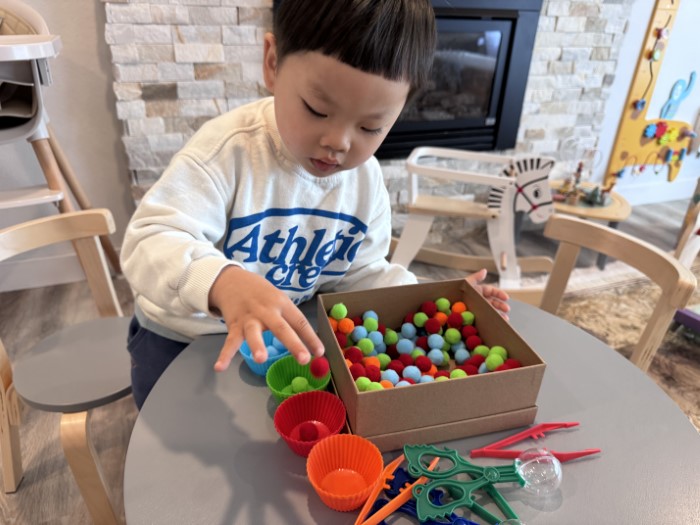
Sorting objects by color is a fun and educational activity for toddlers. Use colored blocks, balls, or cards and ask children to group similar colors.

Benefits:

  • Enhances memory and attention
  • Builds vocabulary as toddlers learn color names
  • Encourages problem-solving through sorting tasks

💛 Color Activities for Preschoolers (3–5 years)

Creative Art Projects

Preschoolers can handle more structured art projects. Activities like collages, watercolor paintings, and crafts help children practice precision, planning, and self-expression. Encourage them to experiment with combinations of colors to explore creativity further.

Activity Idea: Create “color journals” where children draw or paint one color per page, learning names, shades, and complementary colors.

Color-Based Storytelling

Integrate colors into storytelling or dramatic play. For example, a story about a rainbow can be enhanced by giving children colored props or art materials related to the tale. This approach strengthens imagination, narrative skills, and literacy while reinforcing color knowledge.

Group color play in daycare classroom

📖 Safety and Best Practices in Color Play

Choosing Non-Toxic Materials

Always use WAC-compliant, non-toxic paints, crayons, and toys to ensure safety for infants and toddlers. Labels should indicate that the product is safe if accidentally ingested or touched.

Supervised Play Strategies

Children should always be supervised during color activities, especially infants and toddlers. Structured supervision reduces choking hazards, prevents accidental ingestion, and helps caregivers guide learning effectively.

👀 Integrating Color Learning into Daycare Programs

Daily Routines

Incorporate color-based games into daily routines. During circle time, children can sing color songs, play matching games, or explore themed sensory bins. Regular, short activities reinforce learning without overwhelming young learners.

Encouraging Independent Exploration

Create safe spaces where children can experiment independently with colors. Free access to coloring stations, blocks, and sensory toys allows children to make choices, explore creativity, and develop autonomy.

🎯 Enhancing Early Childhood Creativity

Color play is more than a fun activity—it is a critical tool for early childhood development. From infants exploring textures to preschoolers creating masterpieces, engaging with color supports cognitive, emotional, and social growth.

At Kido Heaven daycare, children benefit from a safe, WAC-compliant environment that encourages creativity and learning through hands-on color activities. Our programs are designed for daycare for infants to preschoolers in Bothell, combining structured lessons with playful exploration to help every child thrive.

Why KidoHeaven Stands Out

✅ Licensed in Washington State
✅ Aligned with Early Achievers standards
✅ Working Connections subsidy accepted
✅ Daily updates via Brightwheel
✅ Located in Bothell, serving Mill Creek, Lynnwood & nearby areas
✅ Nutritious snacks, safe outdoor space, & positive mealtime routines

📞 Call 206-734-2040 to schedule a tour
🌐 Enroll now

Follow Our Mealtime Moments

Stay updated with more beautiful outdoor meals and daily learning routines on:

Instagram | Facebook | Nextdoor | Yelp | Winnie | YouTube | Upwards

FAQ

1. At what age should children start color play?

A: Infants can begin exploring color as early as 3–6 months with high-contrast toys. Toddlers and preschoolers can engage in more structured activities.

2. Can color activities improve literacy and numeracy skills?

A: Yes! Sorting, matching, and color-based storytelling help children recognize patterns, build vocabulary, and understand sequences.

3. How to handle toddlers who are picky about colors?

A: Offer choices and encourage exploration without pressure. Use games, songs, and hands-on activities to make learning fun.

4. Are sensory color bins safe for infants?

A: Yes, if they include non-toxic, age-appropriate items and are always used under supervision.


The Role of Caregiver Smiles in Child Development

caregiver smiles and child emotional development

Positive caregiver interactions play a critical role in early childhood development, and one of the most powerful yet often overlooked tools is a simple smile. From infancy through preschool, children rely on caregivers’ facial expressions to interpret safety, emotional availability, and trust. In childcare environments, consistent positive expressions help children feel secure, supported, and ready to explore their surroundings.

This article explores how caregiver smiles influence child emotional development, strengthen toddler trust, and support preschooler bonding. It also provides practical, research-informed strategies for educators and childcare providers while aligning with Washington State (WAC) health and safety expectations.

Why Emotional Signals Matter in Early Childhood

Young children rely heavily on nonverbal communication to understand the world around them. Facial expressions, tone of voice, and body language provide critical emotional cues, especially before language skills are fully developed. Among these cues, caregiver smiles serve as a primary signal of safety and acceptance.

In childcare settings, consistent positive emotional signals help children regulate stress, build confidence, and engage more fully in learning experiences. These daycare positive interactions create an emotional foundation that supports both cognitive and social development.

The Science Behind Caregiver Smiles and Brain Development

Neuroscience research shows that early emotional experiences directly influence brain architecture. When caregivers smile, a child’s brain releases feel-good chemicals such as oxytocin, which supports bonding and emotional regulation.

Repeated exposure to warm, responsive facial expressions strengthens neural pathways associated with trust and empathy. This process is central to child emotional development, particularly during the first five years of life when the brain is most adaptable.

toddler trust through positive caregiver interaction

Caregiver Smiles and Infant Emotional Security

For infants, caregiver smiles are not just pleasant—they are essential. Babies use facial expressions to assess whether an environment is safe. A calm, reassuring smile from a caregiver signals comfort and emotional availability.

In group childcare settings, infants who experience consistent positive expressions tend to cry less, adapt more easily to routines, and show stronger engagement with caregivers. These early emotional experiences form the foundation of secure attachment.

Building Toddler Trust Through Positive Facial Expressions

Toddlers are developing autonomy while still needing reassurance. During this stage, toddler trust is built through predictable, warm responses from caregivers. A smile during transitions—such as drop-off, meals, or new activities—helps toddlers feel supported.

Positive facial expressions also encourage toddlers to explore their environment with confidence. When caregivers respond with smiles, toddlers learn that challenges are manageable and that support is always available.

The Role of Smiles in Preschoolers’ Social and Emotional Growth

Preschoolers begin to understand social cues and emotional expressions more deeply. Caregiver smiles reinforce positive behaviors, cooperation, and emotional expression among peers.

For preschooler bonding, smiles serve as social glue—encouraging communication, teamwork, and empathy. Children who experience frequent positive interactions are more likely to develop strong peer relationships and emotional resilience.

Caregiver Smiles as a Foundation for Secure Attachment

Secure attachment develops when children feel emotionally understood and supported. While physical care is essential, emotional responsiveness—especially facial expressions—plays a vital role.

Caregiver smiles communicate availability and reassurance, even during challenging moments. Over time, this consistency builds trust and emotional stability, both of which are critical for long-term mental health.

Smiles and Daycare Positive Interactions

In professional childcare settings, smiles contribute to a nurturing atmosphere that benefits children, families, and staff. Positive interactions reduce behavioral challenges and support smoother classroom routines.

High-quality programs that prioritize emotional responsiveness often reflect the values of a safe daycare environment in Bothell, where children feel emotionally and physically secure.

Cultural Sensitivity and Emotional Expression in Childcare

Emotional expression can vary across cultures, making sensitivity and awareness essential. While smiles are generally universal, caregivers should respect individual family values and communication styles.

Professional childcare providers are trained to balance warmth with cultural responsiveness, ensuring every child feels respected and understood.

emotional security in early childhood education

Practical Ways Caregivers Can Use Smiles Effectively

Caregiver smiles are most effective when they are genuine and consistent. Practical strategies include:

  • Smiling during greetings and goodbyes
  • Using positive facial expressions during guidance or redirection
  • Pairing smiles with verbal encouragement

These small actions significantly enhance emotional safety and engagement throughout the day.

Aligning Emotional Care With WAC Childcare Standards

Washington State’s WAC regulations emphasize not only physical safety but also emotional well-being. Providers are expected to create environments that support healthy emotional development through respectful and responsive care.

By fostering positive interactions, childcare centers align emotional best practices with regulatory expectations, supporting holistic child development.

Creating an Emotionally Safe Daycare Environment

An emotionally safe environment is one where children feel seen, heard, and valued. Caregiver smiles contribute to a sense of belonging and predictability—key components of emotional safety.

Centers recognized for early childhood education in Bothell often prioritize staff training in emotional responsiveness alongside academic and developmental goals.

Partnering With Families to Support Emotional Development

Consistency between home and childcare environments strengthens emotional learning. Sharing observations with families helps reinforce trust-based interactions across settings.

Open communication ensures caregivers and parents work together to support each child’s emotional needs.

How Kido Heaven Supports Emotional Well-Being in Childcare

At Kido Heaven daycare, emotional development is a core part of daily practice. As a Kido Heaven early learning center, caregivers are trained to use positive facial expressions, warm communication, and responsive interactions to support children from infancy through preschool.

Families seeking a trusted childcare center in Bothell value environments where emotional security is prioritized alongside learning and safety.

Why KidoHeaven Stands Out

✅ Licensed in Washington State
✅ Aligned with Early Achievers standards
✅ Working Connections subsidy accepted
✅ Daily updates via Brightwheel
✅ Located in Bothell, serving Mill Creek, Lynnwood & nearby areas
✅ Nutritious snacks, safe outdoor space, & positive mealtime routines

📞 Call 206-734-2040 to schedule a tour
🌐 Enroll now

Follow Our Mealtime Moments

Stay updated with more beautiful outdoor meals and daily learning routines on:

Instagram | Facebook | Nextdoor | Yelp | Winnie | YouTube | Upwards

FAQ

1. Why are caregiver smiles important in early childhood?

They help children feel safe, build trust, and support emotional regulation and attachment.

2. Do smiles really affect brain development?

Yes. Positive emotional interactions support healthy neural connections linked to trust and empathy.

3. How do caregiver smiles support toddlers specifically?

They reinforce security during transitions and help toddlers explore confidently.

4. Are emotional interactions part of daycare quality standards?

Yes. Emotional responsiveness aligns with WAC expectations and best practices in childcare.

5. Can caregiver smiles reduce behavioral challenges?

Consistent positive interactions often lead to better emotional regulation and fewer behavior issues.


Encouraging Healthy Hygiene Habits in Young Children

early childhood hygiene education

Teaching healthy hygiene habits in early childhood is one of the most effective ways to support children’s overall health and well-being. In childcare settings, simple daily routines such as handwashing, tooth brushing, and proper hygiene during meals and playtime help reduce the spread of illness while building lifelong self-care skills.

This article provides practical, age-appropriate strategies for encouraging hygiene habits in toddlers and preschoolers within childcare environments. You will learn how educators can teach hygiene in a fun, positive, and developmentally appropriate way while meeting Washington State (WAC) childcare health standards and supporting daycare wellness programs.

Why Hygiene Education Matters in Early Childhood

Healthy hygiene habits formed during early childhood play a foundational role in lifelong wellness. In childcare settings, where children interact closely and share materials, hygiene education is not just about cleanliness—it is a public health responsibility. Teaching children how and why to wash their hands, care for their teeth, and cover coughs helps reduce the spread of illness and supports overall daycare wellness.

Research consistently shows that structured hygiene routines in early learning environments significantly reduce absenteeism due to illness. More importantly, children who learn hygiene through positive routines develop self-care skills, confidence, and responsibility at an early age—key developmental milestones in early childhood hygiene education.

Understanding Hygiene Through a Child Development Lens

Young children do not naturally understand germs, contamination, or long-term health consequences. Toddlers learn through imitation and repetition, while preschoolers begin to grasp simple cause-and-effect relationships. Effective childcare hygiene education must align with these developmental stages.

For toddlers, hygiene education is sensory and routine-based—warm water, soap bubbles, songs, and visual cues. Preschoolers, on the other hand, benefit from explanations, stories, and guided independence. Recognizing these differences ensures hygiene instruction is age-appropriate, engaging, and effective.

WAC Health & Hygiene Requirements for Childcare Centers

In Washington State, childcare providers must comply with the Washington Administrative Code (WAC), which outlines strict health and hygiene standards. These regulations cover handwashing procedures, diapering protocols, cleaning schedules, illness prevention, and staff training.

WAC-compliant childcare centers are required to:

  • Enforce handwashing at key transition times
  • Maintain sanitary diapering and toileting areas
  • Clean and disinfect toys and surfaces regularly
  • Educate staff on infection control practices

Adhering to these standards not only ensures regulatory compliance but also builds trust with families seeking a WAC-compliant daycare center in Bothell.

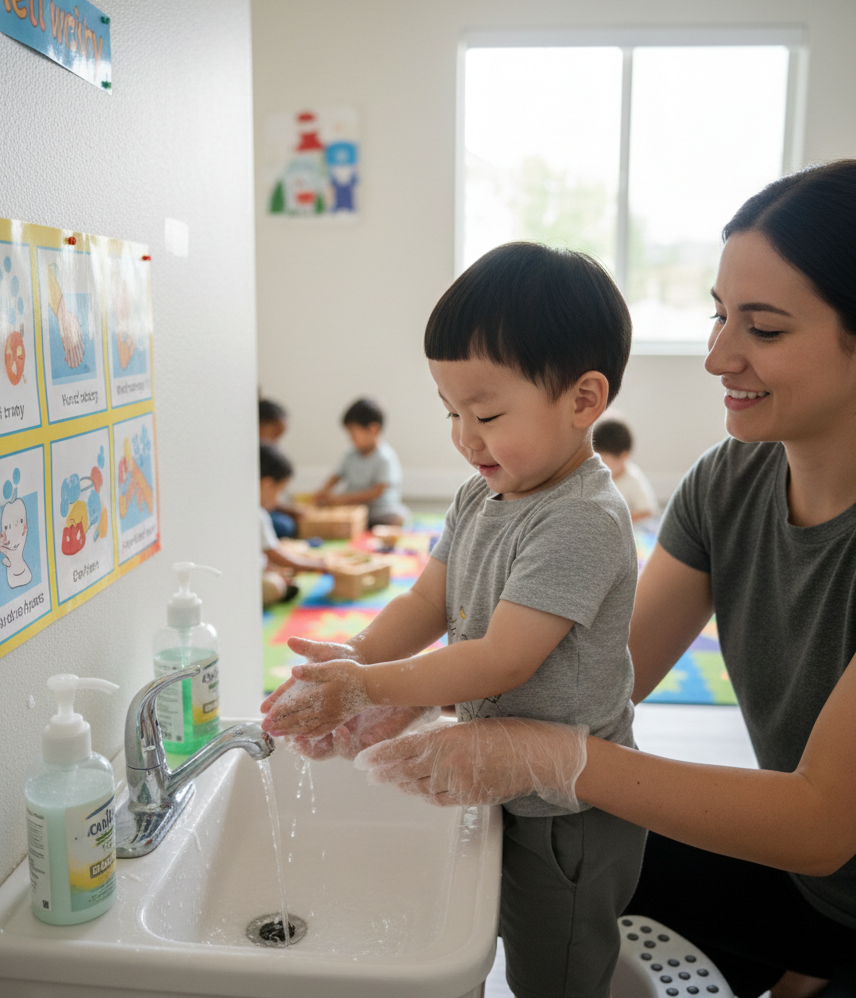
toddler handwashing in childcare setting

Teaching Handwashing to Toddlers the Right Way

Toddler handwashing is one of the most critical—and challenging—hygiene habits to teach. At this age, children learn best through routine and repetition rather than instruction alone.

Effective strategies include:

  • Handwashing songs that last 20 seconds
  • Visual handwashing charts near sinks
  • Adult modeling at every handwashing moment

Handwashing should occur after diaper changes, before meals, after outdoor play, and after nose wiping. Consistency is key. Over time, toddlers begin to associate handwashing with daily transitions, making it a natural part of their routine.

Fun and Effective Hygiene Activities for Preschoolers

Preschool-aged children are ready for more structured hygiene education. Preschoolers’ health habits can be reinforced through playful learning activities that encourage independence.

Examples include:

  • Germ-themed storybooks
  • Glitter experiments to demonstrate germ spread
  • Classroom hygiene charts with stickers or rewards

These activities transform hygiene from a rule into a shared responsibility. When children understand why hygiene matters, they are more likely to practice it consistently—both in childcare and at home.

Oral Hygiene Habits in Early Childhood Settings

Oral health is often overlooked in childcare hygiene education, yet it is essential to overall wellness. Teaching children proper toothbrushing habits supports speech development, nutrition, and long-term dental health.

In childcare settings, oral hygiene education may include:

  • Demonstrating brushing techniques with models
  • Discussing healthy vs. sugary foods
  • Coordinating with parents on daily routines

According to the American Academy of Pediatric Dentistry, early oral hygiene education significantly reduces the risk of childhood cavities—one of the most common chronic conditions in children.

Teaching Respiratory Hygiene and Germ Awareness

Respiratory hygiene became especially important in recent years, but it remains a core component of daycare wellness. Preschoolers can learn to cover coughs and sneezes using tissues or elbows, followed by handwashing.

Educators should use simple, non-frightening language to explain germs. The goal is awareness—not fear. Visual cues, posters, and daily reminders help reinforce these habits in a supportive way.

Hygiene Routines for Diapering and Toilet Training

Diapering and toilet training require strict hygiene protocols to protect both children and staff. WAC guidelines specify procedures for sanitation, glove use, and surface disinfection.

Children transitioning to toilet independence should be gently guided through:

  • Proper wiping techniques
  • Handwashing after toileting
  • Respect for personal hygiene

These routines support dignity, confidence, and independence while maintaining a hygienic environment.

Making Hygiene Fun, Not Fear-Based

Fear-based messaging can create anxiety around cleanliness and illness. Instead, hygiene education should be framed positively—as a way to care for ourselves and others.

Using play, music, and storytelling helps children associate hygiene with empowerment rather than restriction. A fun approach leads to better engagement and long-term habit formation.

preschool hygiene routine classroom

Role of Educators in Modeling Healthy Hygiene

Children learn more from what adults do than what they say. Educators must consistently model proper hygiene behaviors, from handwashing to surface cleaning.

Ongoing staff training ensures alignment with childcare hygiene best practices and WAC requirements. When educators demonstrate care and consistency, children naturally follow suit.

Creating a Hygienic Childcare Environment

A clean environment reinforces hygiene lessons. Regular cleaning schedules, labeled sanitation stations, and child-accessible sinks all contribute to a safe learning space.

High-touch areas such as toys, door handles, and tables should be disinfected daily. These practices support infection prevention and reflect professional standards expected from a trusted childcare center in Bothell.

Partnering With Parents for Consistent Hygiene Habits

Consistency between home and childcare is essential. Open communication with parents helps reinforce hygiene routines across environments.

Sharing newsletters, hygiene checklists, or parent workshops encourages collaboration. When families and educators work together, children receive clear, consistent messages about health and wellness.

Hygiene as Part of Daycare Wellness Programs

Hygiene education should be integrated into broader daycare wellness initiatives, including nutrition, physical activity, and emotional health.

Wellness-focused childcare programs recognize that hygiene is not an isolated skill—it is part of a holistic approach to child development and safety.

Introducing Kido Heaven’s Approach to Childcare Hygiene

At Kido Heaven daycare, hygiene education is thoughtfully woven into daily routines, curriculum planning, and staff training. As a licensed daycare in Bothell, Kido Heaven follows WAC health standards while creating a nurturing, child-centered environment.

Through age-appropriate instruction, consistent routines, and strong family partnerships, Kido Heaven early learning center supports healthy habits that extend beyond the classroom—laying the foundation for lifelong wellness.

Why KidoHeaven Stands Out

✅ Licensed in Washington State
✅ Aligned with Early Achievers standards
✅ Working Connections subsidy accepted
✅ Daily updates via Brightwheel
✅ Located in Bothell, serving Mill Creek, Lynnwood & nearby areas
✅ Nutritious snacks, safe outdoor space, & positive mealtime routines

📞 Call 206-734-2040 to schedule a tour
🌐 Enroll now

Follow Our Mealtime Moments

Stay updated with more beautiful outdoor meals and daily learning routines on:

Instagram | Facebook | Nextdoor | Yelp | Winnie | YouTube | Upwards

FAQ

1. Why is hygiene education important in childcare settings?

Because young children are more vulnerable to illness, hygiene education helps prevent infection and supports overall health and attendance.

2. At what age should children start learning hygiene habits?

Hygiene education can begin in toddlerhood through routines and modeling, with more structured learning introduced during preschool years.

3. How does Washington State regulate childcare hygiene?

Washington State enforces hygiene standards through WAC regulations covering handwashing, sanitation, illness prevention, and staff training.

4. How can parents support hygiene learning at home?

By maintaining consistent routines, modeling healthy behaviors, and communicating with childcare providers.

5. What makes a daycare hygienic and safe?

WAC compliance, trained staff, structured routines, and a clean, well-maintained environment.


Building Early Problem-Solving Skills in Childcare

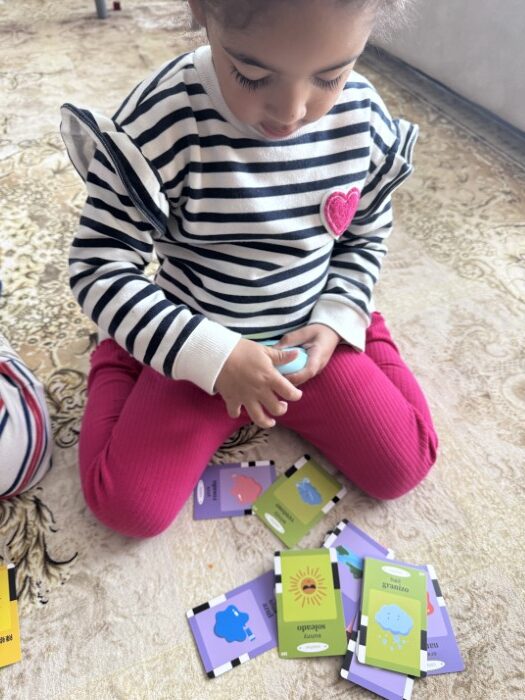
Hands-on learning in licensed daycare setting

Early problem-solving skills help young children learn how to think, adapt, and persist when faced with challenges. In childcare settings, simple activities—such as puzzles, sorting games, and group challenges—give toddlers and preschoolers daily opportunities to practice decision-making, reasoning, and flexibility in a supportive environment. Rather than focusing on academic pressure, high-quality daycare programs nurture problem-solving through play, routine interactions, and guided exploration aligned with child development principles and Washington State (WAC) standards.

🧠 What Is Early Problem-Solving in Child Development?

Early problem-solving refers to a child’s ability to explore challenges, test solutions, and learn from outcomes. In young children, this process is hands-on and experiential rather than abstract or academic.

Examples include:

  • Figuring out how to fit puzzle pieces together
  • Deciding how to share materials with peers
  • Adjusting strategies when something doesn’t work

In childcare, problem-solving is embedded naturally into daily routines and play-based learning.

🌱 Why Problem-Solving Skills Matter in Early Childhood

Problem-solving is a foundational cognitive skill that supports:

  • Independent thinking
  • Emotional regulation
  • Persistence and resilience
  • Social competence

Children who practice problem-solving early are better prepared for preschool, kindergarten, and lifelong learning because they learn how to think—not just what to memorize.

Toddler solving a simple puzzle in childcare

👶🧒 How Children Develop Problem-Solving Skills by Age

Toddlers (1–3 Years)

Toddlers explore cause and effect through trial and error. Their problem-solving is sensory-based and immediate.

Key developmental traits:

  • Short attention spans
  • Curiosity-driven exploration
  • Learning through repetition

Preschoolers (3–5 Years)

Preschoolers begin to plan, predict outcomes, and work collaboratively.

Key developmental traits:

  • Logical sequencing
  • Verbal reasoning
  • Cooperative challenges

🧩 Problem-Solving Activities for Toddlers

Simple Puzzles and Shape Sorters

These activities teach toddlers how to:

  • Match shapes
  • Recognize patterns
  • Try different solutions

Everyday Challenges

Tasks like stacking blocks, opening containers, or choosing which shoe goes on which foot encourage natural problem-solving.

Guided Discovery

Caregivers support learning by asking open-ended questions rather than giving answers immediately.

🏗️ Problem-Solving Challenges for Preschoolers

Group Challenges

Activities such as building a structure together or completing a task as a team help children:

  • Share ideas
  • Negotiate solutions
  • Practice flexibility

Scenario-Based Play

Pretend play introduces social and logical problems that children solve through imagination and communication.

Trial, Error, and Reflection

Preschoolers learn that mistakes are part of learning—an essential mindset for healthy development.

🎓 The Role of Educators in Supporting Problem-Solving

Early childhood educators guide problem-solving by:

  • Modeling calm thinking
  • Encouraging persistence
  • Asking reflective questions
  • Allowing children time to struggle productively

This approach builds confidence and independence rather than reliance on adult direction.

Preschool children working together on a challenge

🤝 Social Problem-Solving in Childcare Settings

Problem-solving in daycare isn’t limited to objects or games—it also includes social situations.

Children learn how to:

  • Resolve conflicts
  • Take turns
  • Understand different perspectives

These experiences are critical for emotional intelligence and peer relationships.

🔍 Problem-Solving vs. STEM: Understanding the Difference

While STEM focuses on academic concepts, early problem-solving is broader and developmentally appropriate.

Problem-SolvingSTEM
Play-basedAcademic-focused
Everyday challengesStructured learning
Social & emotionalTechnical skills
Age-appropriateOften abstract

High-quality childcare prioritizes problem-solving as a foundation for later academic learning.

📜 WAC-Aligned Problem-Solving in Licensed Childcare

Washington State (WAC) childcare standards emphasize:

  • Developmentally appropriate activities
  • Whole-child learning
  • Safe, supportive environments

Problem-solving activities meet these standards by supporting cognitive, social, and emotional growth through play and interaction.

🏫 How Daycare Environments Encourage Critical Thinking

Effective childcare environments:

  • Offer open-ended materials
  • Allow child-led exploration
  • Balance structure with flexibility
  • Support learning through routine experiences

These elements help children feel safe taking risks and trying new solutions.

🌈 About Kido Heaven

At Kido Heaven daycare, we believe early problem-solving skills are built through thoughtful play, guided exploration, and nurturing relationships. Our educators create age-appropriate challenges that help children learn how to think, adapt, and grow with confidence.

As a licensed daycare in Bothell, Kido Heaven provides a safe, supportive environment aligned with Washington State (WAC) standards. Families seeking early childhood education in Bothell trust our approach to whole-child development—from infants to preschoolers.

Learn more about our philosophy and programs at Kido Heaven in Bothell, where everyday play becomes meaningful learning.

Why KidoHeaven Stands Out

✅ Licensed in Washington State
✅ Aligned with Early Achievers standards
✅ Working Connections subsidy accepted
✅ Daily updates via Brightwheel
✅ Located in Bothell, serving Mill Creek, Lynnwood & nearby areas
✅ Nutritious snacks, safe outdoor space, & positive mealtime routines

📞 Call 206-734-2040 to schedule a tour
🌐 Enroll now

Follow Our Mealtime Moments

Stay updated with more beautiful outdoor meals and daily learning routines on:

Instagram | Facebook | Nextdoor | Yelp | Winnie | YouTube | Upwards

FAQ

1. At what age do children start developing problem-solving skills?

Problem-solving begins in infancy and grows rapidly during toddler and preschool years through play and interaction.

2. Are problem-solving activities appropriate for toddlers?

Yes. Simple, hands-on challenges are ideal for toddler cognitive development.

3. How does daycare support problem-solving better than home alone?

Daycare provides peer interaction, structured opportunities, and trained educators who guide development intentionally.

4. Is problem-solving part of early childhood education standards?

Yes. Problem-solving supports multiple learning domains emphasized in early childhood frameworks and WAC guidelines.


How Fingerplays Spark Joy and Learning in Young Children

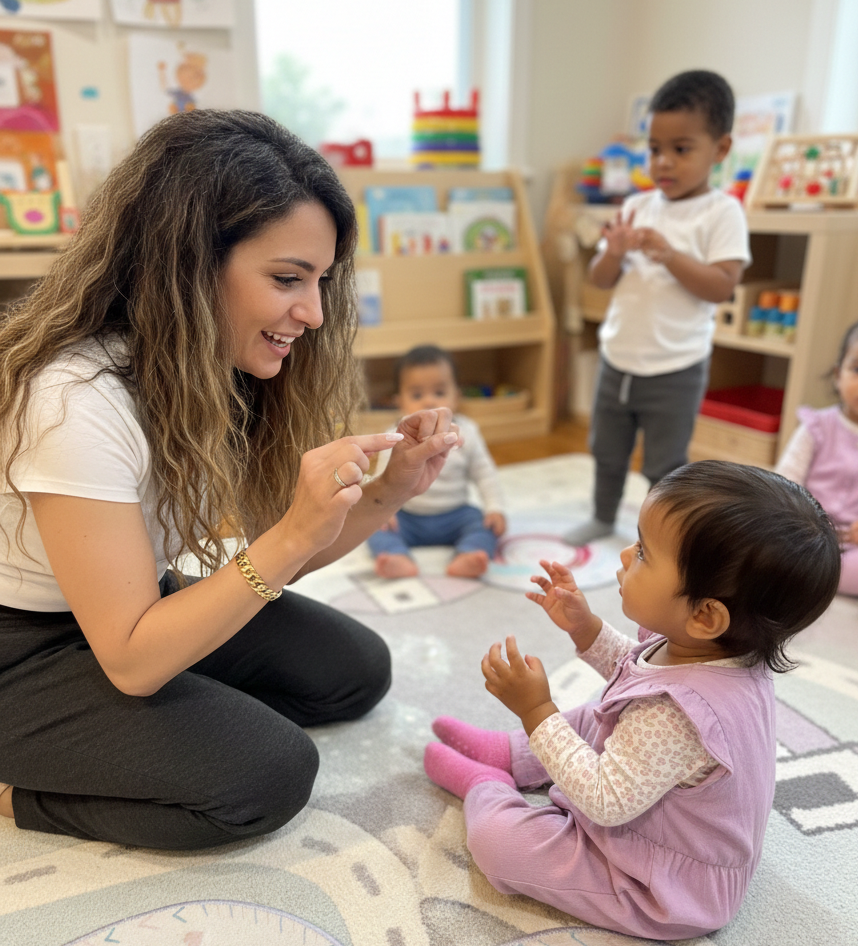
Fingerplays activity in an early childhood classroom

Fingerplays are simple yet powerful early childhood activities that combine songs, rhymes, and hand movements to support learning through play. Well-known fingerplays like “Itsy Bitsy Spider” help infants, toddlers, and preschoolers develop essential language skills, fine motor coordination, attention, and social engagement in a fun and natural way.

In high-quality daycare and early learning environments, fingerplays are intentionally used to encourage early literacy, strengthen communication, and support whole-child development. Because they blend movement with repetition and interaction, fingerplays keep young children engaged while meeting developmental milestones aligned with early childhood education standards. This article explores how fingerplays spark joy, build foundational skills, and support learning from infancy through preschool years.

🧠✨ What Are Fingerplays in Early Childhood Education?

Fingerplays are short rhymes or songs that combine spoken or sung words with coordinated hand and finger movements. Classic examples include “Itsy Bitsy Spider,” “Open, Shut Them,” and “Five Little Ducks.”

In early childhood education, fingerplays are more than entertainment. They are intentional learning activities designed to support communication, coordination, memory, and emotional engagement in young children.

Unlike passive screen-based content, fingerplays are:

  • Interactive
  • Movement-based
  • Language-rich
  • Socially engaging

These qualities make them especially valuable in daycare and early learning environments.

🌱💡 Why Fingerplays Matter for Infant, Toddler, and Preschool Development

During the first five years of life, children’s brains develop rapidly through repetition, movement, and social interaction. Fingerplays combine all three.

Research in early childhood education consistently shows that activities involving music, rhythm, and motion help children:

  • Process language more effectively
  • Strengthen neural connections
  • Build confidence in communication
  • Stay engaged longer than with verbal instruction alone

Fingerplays meet children where they are developmentally, making learning feel like play.

Toddler practicing fine motor skills with fingerplays

🗣️📚 How Fingerplays Support Language Development

Vocabulary Growth Through Repetition

Fingerplays naturally repeat key words and phrases. This repetition helps young children recognize sounds, learn word meanings, and practice pronunciation in a low-pressure way.

Sentence Structure and Listening Skills

As children hear rhymes and sequences repeatedly, they begin to understand sentence patterns, cause-and-effect relationships, and storytelling flow.

Support for Dual Language Learners

Because fingerplays pair words with actions, they are especially helpful for children learning English as an additional language. The gestures provide context and meaning beyond words alone.

✋🎨 Fingerplays and Motor Skill Development by Age

Fine Motor Skills

Fingerplays require children to:

  • Isolate finger movements
  • Coordinate both hands
  • Control small muscle actions

These skills are foundational for later abilities like writing, drawing, buttoning clothes, and using tools.

Hand-Eye Coordination

Watching caregivers demonstrate movements and then copying them strengthens visual tracking and coordination.

❤️🤝 Social, Emotional, and Cognitive Benefits of Fingerplays

Emotional Connection and Security

When caregivers sing fingerplays face-to-face, children feel seen, heard, and connected. This builds trust and emotional safety—key elements of healthy development.

Turn-Taking and Social Awareness

Group fingerplay activities teach children how to:

  • Wait their turn
  • Follow group routines
  • Participate cooperatively

Memory and Cognitive Sequencing

Remembering the order of movements and lyrics strengthens working memory and early problem-solving skills.

📖🔤 Fingerplays as Early Literacy Foundations

Fingerplays introduce children to pre-reading skills long before formal literacy instruction begins.

They support:

  • Phonemic awareness (recognizing sounds)
  • Rhyming patterns
  • Story sequencing
  • Listening comprehension

These early experiences create a strong base for reading readiness in preschool and kindergarten.

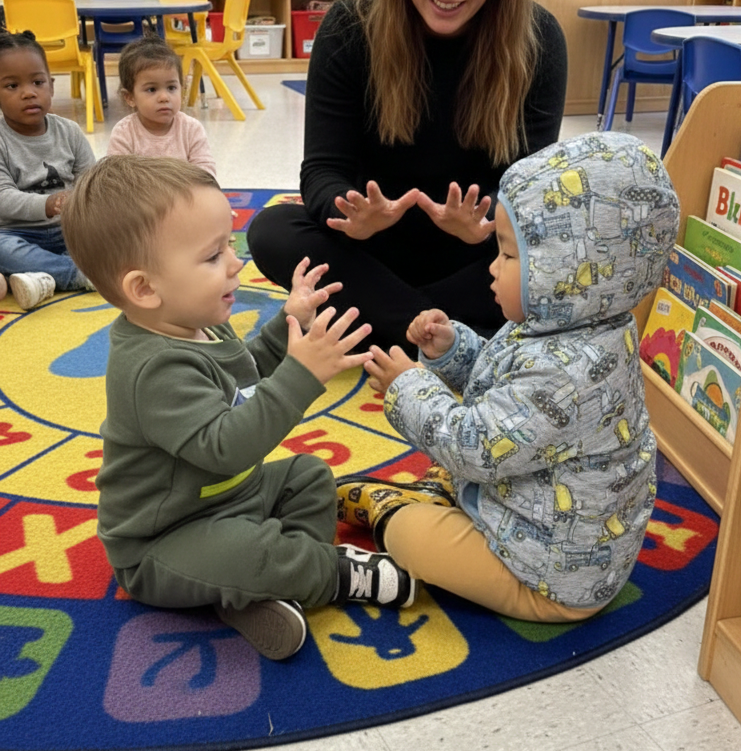
Caregiver leading fingerplay activity in daycare

🏫✅ Fingerplays in Licensed Daycare Settings (WAC-Aligned)

In Washington State, licensed childcare centers must follow the Washington Administrative Code (WAC), which emphasizes:

  • Developmentally appropriate practices
  • Whole-child development
  • Safe, engaging learning environments

Fingerplays align perfectly with WAC expectations because they:

  • Support multiple developmental domains simultaneously
  • Are inclusive and adaptable for different ages and abilities
  • Encourage active participation rather than passive learning

When used intentionally, fingerplays help daycare providers meet educational standards while keeping learning joyful.

👶🧒 Age-Appropriate Fingerplays: Infants to Preschoolers

Age GroupDevelopmental FocusFingerplay Approach
Infants (0–12 months)Sensory input, bondingSimple songs, slow movements, eye contact
Toddlers (1–3 years)Language explosion, motor controlRepetitive rhymes with clear gestures
Preschoolers (3–5 years)Storytelling, coordinationSequenced fingerplays with counting and imagination

🏠🏫 Fingerplays at Home vs. Daycare: A Comparison

FeatureHome UseDaycare Use
Social InteractionOne-on-onePeer-based group learning
Routine & ConsistencyVariesStructured daily integration
Educational IntentInformalPurposeful, curriculum-supported
Developmental TrackingLimitedObserved by trained educators

Both environments are valuable, but licensed daycare settings provide consistency, expertise, and developmental oversight.

🔍🎒 Choosing a Daycare That Uses Purposeful Fingerplay Activities

When evaluating childcare options, parents should look for programs that:

  • Integrate music and movement daily
  • Use fingerplays intentionally, not randomly
  • Adapt activities to different age groups
  • Align with early learning standards

These indicators reflect a deeper understanding of child development.

🌈🏡 About Kido Heaven

At Kido Heaven daycare, we believe meaningful learning starts with joyful, age-appropriate experiences. Our educators thoughtfully use fingerplays, music, and movement as part of a well-rounded early learning approach designed to support children’s language, motor, social, and emotional development.

As a licensed daycare in Bothell, Kido Heaven follows Washington State (WAC) standards and provides a nurturing environment where infants, toddlers, and preschoolers can thrive through play-based learning.

Families looking for a trusted childcare center in Bothell value our commitment to developmentally appropriate activities, warm caregiver-child relationships, and early literacy foundations.

Learn more about our philosophy and approach at Kido Heaven in Bothell, where every small movement helps build a strong future.

Why KidoHeaven Stands Out

✅ Licensed in Washington State
✅ Aligned with Early Achievers standards
✅ Working Connections subsidy accepted
✅ Daily updates via Brightwheel
✅ Located in Bothell, serving Mill Creek, Lynnwood & nearby areas
✅ Nutritious snacks, safe outdoor space, & positive mealtime routines

📞 Call 206-734-2040 to schedule a tour
🌐 Enroll now

Follow Our Mealtime Moments

Stay updated with more beautiful outdoor meals and daily learning routines on:

Instagram | Facebook | Nextdoor | Yelp | Winnie | YouTube | Upwards

FAQ

1. Are fingerplays suitable for infants?

Yes. Even very young infants benefit from gentle fingerplays that involve voice, rhythm, and facial expressions.

2. How often should fingerplays be used in daycare?

Ideally, fingerplays are incorporated daily as part of circle time, transitions, or language activities.

3. Do fingerplays really help with speech development?

Yes. Fingerplays support vocabulary, pronunciation, listening skills, and expressive language through repetition and engagement.

4. Are fingerplays aligned with early childhood education standards?

Absolutely. Fingerplays support multiple learning domains emphasized in early childhood frameworks and WAC guidelines.


Play-Based and Emergent Curriculum in Early Childhood: How Children Learn Best Through Curiosity and Discovery

Kids exploring nature outdoors at daycare

Choosing the right early childhood program is one of the most important decisions parents make. Families want environments that nurture curiosity, creativity, social skills, and emotional development. One of the most research-backed approaches is the play-based and emergent curriculum.

At Kido Heaven Child Care in Bothell, WA, we believe children learn best when they feel safe, respected, and free to explore. Play isn’t just fun—it’s how children develop social, cognitive, emotional, and physical skills. This guide explains what play-based and emergent learning is, why they work, how they look in real classrooms, and how families can support them at home.

🌱 What Is Play-Based and Emergent Curriculum?

Play-Based Learning: Children learn through hands-on experiences, imagination, exploration, and interaction.

Emergent Curriculum: Learning grows from children’s interests, questions, and everyday experiences. Teachers observe and plan intentionally based on children’s curiosity.

Example: If children notice bugs in the playground:

  • Read books about insects
  • Observe bugs with a magnifying glass
  • Draw and paint insects
  • Count legs and wings
  • Build bug habitats
  • Learn new vocabulary

This approach makes learning meaningful because it connects directly to children’s curiosity.

🧠 Why Play Is Essential for Brain Development

Play develops:

  • Brain connections
  • Emotional regulation
  • Language growth
  • Memory
  • Executive functioning
  • Social skills
  • Creativity
  • Problem-solving

Children practicing real-life scenarios through building, role-play, cooking, or puzzles gain foundational skills for school and life.

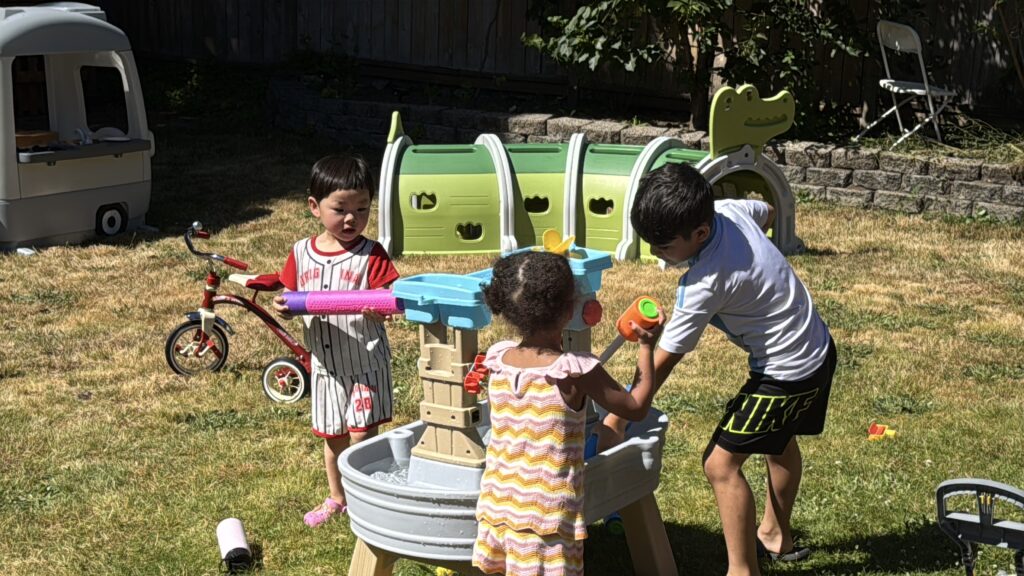
Sensory play with sand and water

🎯 Core Principles of Emergent Curriculum

  1. Child-Centered Learning
    Children’s voices guide learning. Teachers observe, listen, and notice patterns of interest.
  2. Observation and Reflection
    Teachers document:
    • Interests
    • Skills
    • Social interactions
    • Challenges
      These guide daily and weekly planning.
  3. Intentional Teaching
    Even in child-led learning, teachers:
    • Ask open-ended questions
    • Introduce new vocabulary
    • Provide meaningful materials
    • Model problem-solving and respectful communication.
  4. Flexibility
    Plans change based on children’s engagement and curiosity.
  5. Integrated Learning
    Learning connects all domains:
    • Language
    • Math
    • Science
    • Social-emotional skills
    • Physical development

🧩 What Play-Based Learning Looks Like in Real Classrooms

Children might be:

  • Building with blocks
  • Pretending to run a restaurant
  • Painting and drawing
  • Exploring sensory materials
  • Gardening
  • Cooking
  • Role-playing families or community helpers
  • Reading books
  • Singing and dancing
  • Sorting and counting objects

Teachers guide learning through conversation, observation, and thoughtful setup of the environment.

❤️ How Play-Based Curriculum Supports Development

Social Development: Cooperation, turn-taking, empathy, and leadership.

Emotional Development: Self-regulation, confidence, resilience, and independence.

Physical Development: Gross and fine motor skills, hand-eye coordination, and balance.

Cognitive Development: Memory, attention, problem-solving, creativity, and curiosity.

Language Development: Vocabulary, storytelling, listening, and communication confidence.

🌟 Benefits of Play-Based and Emergent Learning

Children develop:

  • Strong motivation to learn
  • Love of exploration
  • Emotional security
  • Confidence
  • Creativity
  • Social competence
  • Critical thinking
  • Independence

Instead of memorizing facts, children learn how to learn.

🏡 Why Emergent Curriculum Works Well in Family Child Care

Family child care settings naturally support play-based learning:

  • Small group sizes → individualized attention
  • Mixed-age groups → peer learning
  • Home-like environment → real-life learning
  • Strong relationships → secure learning environment
  • Daily routines → learning opportunities

Children feel safe, confident, and free to explore.

Children building with blocks in a play-based classroom

🌼 How Teachers Support Emergent Learning

Teachers:

  • Observe and document learning
  • Set up engaging environments
  • Ask thoughtful questions
  • Introduce materials
  • Reflect on learning
  • Partner with families
  • Adjust plans based on children’s interests

👨‍👩‍👧 How Parents Can Support Play-Based Learning at Home

Parents can:

  • Encourage free play
  • Limit screen time
  • Read together daily
  • Ask open-ended questions
  • Provide simple materials
  • Spend time outdoors
  • Allow mess and creativity
  • Follow children’s interests

🔗 Our Link to the Parent Education Philosophy

For parents interested in learning more about early childhood education philosophy, check out our early childhood education approach. This links to the parent-friendly guide on Montessori, Waldorf, and other approaches.

🔍 How to Recognize a Quality Play-Based Program

Look for:

  • Children actively engaged
  • Flexible schedules
  • Rich and natural materials
  • Teacher interaction
  • Child-led exploration
  • Strong communication
  • Safe environments
  • Minimal worksheets

🧠 Play-Based vs. Academic Pressure

Play-BasedAcademic-Focused
Child-ledTeacher-led
ExplorationWorksheets
Hands-onMemorization
Social growthPerformance
CreativityStandardized
Joyful learningStress

🌈 Final Thoughts

Play-based and emergent curriculum honors childhood. Children learn best when they feel safe, curious, respected, and engaged. At Kido Heaven Child Care, we integrate play-based learning every day to support social, emotional, physical, cognitive, and language development in a nurturing home environment. 🏡

Why KidoHeaven Stands Out

✅ Licensed in Washington State
✅ Aligned with Early Achievers standards
✅ Working Connections subsidy accepted
✅ Daily updates via Brightwheel
✅ Located in Bothell, serving Mill Creek, Lynnwood & nearby areas
✅ Nutritious snacks, safe outdoor space, & positive mealtime routines

📞 Call 206-734-2040 to schedule a tour
🌐 Enroll now

Follow Our Mealtime Moments

Stay updated with more beautiful outdoor meals and daily learning routines on:

Instagram | Facebook | Nextdoor | Yelp | Winnie | YouTube | Upwards

FAQ

1. What is the difference between play-based and traditional learning?

Play-based learning lets children explore and learn naturally, while traditional learning often emphasizes worksheets and memorization.

2. How does emergent curriculum adapt to children’s interests?

Teachers observe children and plan activities based on their questions, observations, and daily experiences.

3. Can play-based learning prepare children for kindergarten?

Yes! Children develop social, emotional, cognitive, and language skills that form the foundation for school readiness.

4. How can parents support emergent learning at home?

Encourage curiosity, provide hands-on materials, allow free play, and follow children’s interests.

5. Why is limiting screen time important?

It protects imagination, focus, and healthy brain development.


Waldorf Education in Early Childhood: Nurturing the Whole Child Through Imagination, Rhythm, and Nature

Mixed-age group learning together at Kido Heaven

In today’s fast-paced, screen-filled world, many families are looking for an early childhood program that slows down, honors childhood, encourages imagination, and supports emotional well-being. One curriculum approach that continues to attract families worldwide is Waldorf Education.

At Kido Heaven Child Care in Bothell, Washington, we believe children learn best when they feel safe, respected, connected, and inspired. Many Waldorf principles naturally align with high-quality family child care environments and play-based learning.

This guide explores what Waldorf education is, its philosophy, daily practices, benefits, classroom environment, and how families can recognize a high-quality Waldorf-inspired program.

🌱 What Is Waldorf Education?

Waldorf education was founded in 1919 by philosopher and educator Rudolf Steiner. It is based on the belief that children grow in developmental stages and should be taught in ways that match their emotional, physical, and cognitive readiness.

In early childhood (birth to age 7), Waldorf focuses on:

  • Imagination and creativity
  • Sensory experiences
  • Rhythm and routine
  • Hands-on learning
  • Nature connection
  • Social relationships
  • Emotional security

Academic instruction, such as reading and writing, is introduced later, once children are developmentally ready.

Child painting with watercolor in calm environment

🧠 Core Principles of Waldorf Education

1. Educating the Whole Child

Waldorf supports:

  • Head (thinking and understanding)
  • Heart (emotional connection and creativity)
  • Hands (physical movement and practical skills)

Children engage in activities that balance all three areas, helping them grow holistically.

2. Learning Through Imitation and Play

Young children learn by observing and imitating adults and peers. Teachers model respectful behavior, meaningful work, kindness, and curiosity.

Free play encourages imagination, storytelling, cooperation, and problem-solving.

3. Rhythm and Predictability

Daily and weekly rhythms create security and calm. Children know what to expect, which supports emotional regulation and confidence.

Examples include:

  • Morning circle
  • Outdoor play
  • Storytime
  • Snack preparation
  • Creative play
  • Rest time

4. Connection to Nature

Nature is central in Waldorf education. Children spend time outdoors daily, observe seasonal changes, care for plants, and explore natural materials.

Nature supports:

  • Sensory development
  • Emotional grounding
  • Physical health
  • Environmental respect

5. Limiting Technology and Screens

Waldorf programs avoid screens in early childhood to protect imagination, attention, and healthy brain development.

6. Meaningful Relationships

Teachers often stay with the same group of children for several years, creating strong emotional bonds and stability.

🎨 What Children Do in a Waldorf Classroom

You may see:

  • Wooden toys and natural materials
  • Silk scarves, blocks, baskets, stones
  • Imaginative play setups
  • Storytelling and puppetry
  • Baking, gardening, cleaning activities
  • Singing and movement
  • Art with beeswax crayons and watercolor
  • Quiet, calm environments
  • Warm lighting and natural colors

❤️ How Waldorf Supports Whole Child Development

Social Development: Cooperation, turn-taking, empathy, and respectful communication
Emotional Development: Predictable rhythms build emotional safety, self-regulation, patience, and trust
Physical Development: Climbing, running, fine motor crafts, baking, and outdoor exploration strengthen motor skills
Cognitive Development: Imagination, storytelling, sequencing, memory, and problem-solving
Language Development: Storytelling, songs, rhymes, and conversations strengthen vocabulary and communication

Children playing with wooden blocks in a Waldorf classroom

🌟 Benefits of Waldorf Education

Children develop:

  • Creativity and imagination
  • Emotional security
  • Strong social skills
  • Self-confidence
  • Love of learning
  • Physical coordination
  • Sensory integration
  • Focus and attention
  • Healthy routines

Waldorf supports balanced development, rather than rushing academic milestones.

🏡 Waldorf in Family Child Care Settings

Waldorf fits beautifully in family child care because:

  • Home environments naturally support warmth and rhythm
  • Mixed-age groups encourage leadership and empathy
  • Daily life activities become learning moments
  • Small group size builds strong relationships
  • Natural materials are easy to integrate

At Kido Heaven, we combine Waldorf principles with play-based, developmentally appropriate learning to create a nurturing and safe environment for children.

🌼 How Parents Can Support Waldorf Principles at Home

Parents can:

  • Limit screen time
  • Encourage imaginative play
  • Establish daily routines
  • Spend time outdoors
  • Read stories and sing
  • Allow children to help with household tasks
  • Provide natural toys
  • Create calm environments
  • Observe and follow the child’s interests
  • Connect with Kido Heaven’s early childhood education approach for guidance

🔍 How to Recognize a Quality Waldorf Program

Look for:

  • Calm atmosphere
  • Natural materials
  • Strong routines
  • Outdoor time
  • Minimal screens
  • Warm relationships
  • Creative play opportunities
  • Respectful communication

🧩 Waldorf vs. Traditional Academic Programs

WaldorfTraditional
Play-basedWorksheet-based
Imagination focusedEarly academics
Nature centeredIndoor heavy
Minimal screensTechnology early
Rhythm-basedRigid schedules
Relationship focusedPerformance focused

🌈 Final Thoughts

Waldorf education offers a beautiful foundation for childhood — one that values imagination, emotional well-being, creativity, and connection to nature. Children grow into confident, compassionate, curious learners who enjoy discovering the world.

Families seeking a nurturing early learning environment in Bothell can benefit from programs that integrate Waldorf-inspired principles alongside play-based learning — such as Kido Heaven child care center.

Why KidoHeaven Stands Out

✅ Licensed in Washington State
✅ Aligned with Early Achievers standards
✅ Working Connections subsidy accepted
✅ Daily updates via Brightwheel
✅ Located in Bothell, serving Mill Creek, Lynnwood & nearby areas
✅ Nutritious snacks, safe outdoor space, & positive mealtime routines

📞 Call 206-734-2040 to schedule a tour
🌐 Enroll now

Follow Our Mealtime Moments

Stay updated with more beautiful outdoor meals and daily learning routines on:

Instagram | Facebook | Nextdoor | Yelp | Winnie | YouTube | Upwards

FAQ

1. What age is best for Waldorf education?

Early childhood (birth to 7 years) focuses on imagination, sensory experiences, and rhythm. Academics are introduced later.

2. How is Waldorf different from Montessori?

Waldorf emphasizes imagination, rhythm, and storytelling, while Montessori focuses on independence and hands-on self-correcting materials.

3. Can I practice Waldorf principles at home?

Yes! Limit screens, provide natural toys, encourage imaginative play, and maintain predictable daily routines.

4. Is Waldorf compatible with preschool readiness?

Absolutely. Waldorf prepares children emotionally, socially, and cognitively before formal academics, supporting long-term learning success.


The Montessori Method in Early Childhood Education: Building Independence, Confidence, and Lifelong Learning

Calm and organized Montessori learning space

Choosing the right early childhood program is one of the most important decisions families make. Parents want a nurturing environment that supports independence, emotional growth, academic readiness, creativity, and confidence—all while still feeling warm, safe, and age‑appropriate. ❤️

One of the most trusted and widely used educational approaches around the world is the Montessori Method. Developed over 100 years ago, this child‑centered philosophy continues to shape high‑quality early learning environments today.

At Kido Heaven Child Care in Bothell, Washington, we believe children thrive when learning respects their individuality, curiosity, and natural pace. Montessori principles closely align with our early childhood education philosophy and our commitment to whole‑child development.

This parent‑friendly guide explains what the Montessori Method is, how it works, why it benefits young children, and how Montessori‑inspired practices are thoughtfully integrated into our program.

🌱 What Is the Montessori Method?

The Montessori Method is an educational approach based on careful observation of how children naturally learn. Dr. Maria Montessori believed children are naturally curious and capable learners when provided with the right environment, meaningful materials, and freedom within clear boundaries.

Instead of traditional teacher‑led instruction, Montessori classrooms encourage children to:

  • Choose activities based on interest 🧩
  • Move freely within the classroom 🚶‍♂️
  • Work independently or in small groups
  • Learn through hands‑on materials ✋
  • Practice real‑life skills

The goal is to support the whole child—intellectually, socially, emotionally, and physically.

Mixed-age learning in early childhood education

🧠 Core Principles of Montessori Education

1️⃣ Independence & Self‑Directed Learning

Children are encouraged to do things for themselves—from pouring water to choosing learning activities. This builds confidence, responsibility, and motivation.

Teachers gently guide and observe while allowing children to progress at their own pace.

2️⃣ The Prepared Environment

Montessori classrooms are carefully designed to support independence and focus. Everything has a purpose and is sized for children.

You may notice:

  • Child‑sized furniture
  • Low, open shelves
  • Natural materials 🌿
  • Calm colors and minimal clutter
  • Clearly defined learning areas

3️⃣ Hands‑On Learning Materials

Montessori materials are designed so children can explore concepts through touch and movement. Many materials allow children to self‑correct, building confidence and problem‑solving skills.

4️⃣ Mixed‑Age Learning

Children of different ages often learn together. Younger children observe older peers, while older children develop leadership, empathy, and patience.

5️⃣ Respect for the Child

Children are treated with respect and dignity. Teachers encourage problem‑solving, emotional regulation, and independence rather than quick correction.

❤️ Supporting Whole‑Child Development

Montessori education nurtures every area of a child’s growth:

  • Social Development: Cooperation, empathy, leadership 🤝
  • Emotional Development: Confidence, self‑control, perseverance
  • Physical Development: Fine motor skills, coordination, focus
  • Cognitive Development: Early math, language, reasoning
  • Language Development: Vocabulary growth, communication, and early literacy

These elements align closely with our approach to early childhood learning at Kido Heaven.

🏫 What a Montessori Classroom Looks Like

A Montessori‑inspired classroom often feels calm, organized, and purposeful. You may observe:

  • Children are deeply focused on activities
  • Respectful, quiet work periods
  • Teachers guiding rather than lecturing
  • Real‑life tools instead of plastic toys
  • Children cleaning up independently

The environment supports confidence, concentration, and independence.

Hands-on Montessori learning materials for preschoolers

🌟 Benefits of the Montessori Method

Children in Montessori‑based programs often develop:

  • Independence and self‑confidence 🌈
  • Strong focus and concentration
  • Problem‑solving skills
  • Responsibility and self‑discipline
  • Emotional regulation
  • A genuine love of learning

Rather than relying on rewards, Montessori nurtures internal motivation.

🏡 Montessori‑Inspired Learning at Kido Heaven Child Care

At Kido Heaven Child Care, we thoughtfully integrate Montessori‑inspired practices into our daily routines while maintaining a warm, family‑centered environment.

Our program includes:

  • Child‑choice activities
  • Hands‑on learning materials
  • Self‑help and life‑skills practice
  • Calm, organized learning spaces
  • Respect for each child’s pace and personality

These practices reflect Kido Heaven’s early childhood education approach and support confident, capable learners.

Families searching for a licensed daycare in Bothell value programs that balance structure with flexibility—something we prioritize every day.

🏠 How Families Can Support Montessori Principles at Home

Montessori learning doesn’t stop at school. Parents can support independence at home by:

  • Letting children help with daily tasks
  • Offering child‑sized tools
  • Encouraging problem‑solving
  • Limiting overstimulation
  • Choosing open‑ended toys
  • Respecting concentration time

Simple routines become meaningful learning moments. ✨

🔍 How to Identify a High‑Quality Montessori Program

When exploring programs, look for:

  • Trained and caring educators
  • Hands‑on learning materials
  • Calm, respectful environments
  • Child‑led activities
  • Clean, organized classrooms
  • Clear routines and expectations

A safe daycare environment in Bothell should always support both learning and emotional security.

✅ Final Thoughts for Families

The Montessori Method helps children become confident, independent, and motivated learners while nurturing emotional intelligence and curiosity.

Families seeking a nurturing, child‑centered program in Bothell can feel confident choosing a program that reflects Montessori‑inspired values—like Kido Heaven daycare—where children are supported, respected, and encouraged to grow every day. 🌱

Why KidoHeaven Stands Out

✅ Licensed in Washington State
✅ Aligned with Early Achievers standards
✅ Working Connections subsidy accepted
✅ Daily updates via Brightwheel
✅ Located in Bothell, serving Mill Creek, Lynnwood & nearby areas
✅ Nutritious snacks, safe outdoor space, & positive mealtime routines

📞 Call 206-734-2040 to schedule a tour
🌐 Enroll now

Follow Our Mealtime Moments

Stay updated with more beautiful outdoor meals and daily learning routines on:

Instagram | Facebook | Nextdoor | Yelp | Winnie | YouTube | Upwards

FAQ

1. Is Montessori suitable for all children?

Yes. Montessori supports a wide range of learning styles and developmental needs by allowing children to learn at their own pace.

2. Is Montessori too unstructured?

Not at all. Montessori provides freedom within clear boundaries, routines, and expectations—helping children feel secure while building independence.


The Creative Curriculum in Early Childhood Education: A Complete Guide for Parents and Educators

Early childhood education environment in Bothell

Choosing the right early childhood curriculum is one of the most important decisions families make for their young children. A high-quality curriculum shapes how children learn, build relationships, regulate emotions, and develop confidence during their most critical developmental years.

One of the most widely respected, research-based approaches in early childhood education is The Creative Curriculum. This curriculum is grounded in child development theory and supports learning through play, exploration, and strong relationships.

At Kido Heaven Child Care in Bothell, we believe children learn best when they feel safe, valued, and engaged. Our philosophy aligns closely with Developmentally Appropriate Practice (DAP), which focuses on nurturing the whole child—socially, emotionally, physically, cognitively, and linguistically.

🌱 What Is the Creative Curriculum?

The Creative Curriculum is a comprehensive, play-based curriculum designed for infants, toddlers, and preschool-aged children. It is built on decades of research in child development and early learning.

Rather than relying on worksheets or rigid academic instruction, the Creative Curriculum emphasizes hands-on experiences that allow children to actively explore their environment. Children learn through:

  • 🔍 Exploring materials
  • ❓ Asking questions
  • 🎭 Engaging in pretend play
  • 🧠 Solving problems
  • 💬 Communicating with peers and adults
  • ✅ Making choices

Teachers carefully observe each child and intentionally plan learning experiences that support developmental goals while honoring individual interests, strengths, and cultural backgrounds.

Play-based learning activities for preschool children

🧠 How Children Learn in the Creative Curriculum

Children are natural learners. They learn best when they are emotionally secure, actively engaged, and encouraged to explore their world.

🎨 Learning Through Play

Play is the foundation of early childhood learning. Through play, children practice essential life skills such as communication, collaboration, self-regulation, creativity, and problem-solving.

Examples include:

  • 🧱 Building with blocks to develop early math skills and spatial awareness
  • 🎭 Dramatic play to strengthen language, imagination, and emotional expression
  • 🖌️ Art activities to encourage creativity and fine motor development
  • 🌊 Sensory play to support brain development and emotional regulation

🧩 Interest Areas (Learning Centers)

Classrooms are intentionally organized into learning centers that invite exploration and independence. Common interest areas include:

  • Blocks
  • Dramatic Play
  • Art
  • Science and Discovery
  • Literacy
  • Sensory
  • Music and Movement 🎵

🧠 Intentional Teaching

Teachers support learning throughout the day by:

  • Asking open-ended questions
  • Introducing new vocabulary
  • Modeling problem-solving strategies
  • Encouraging persistence
  • Supporting emotional regulation

Every routine—mealtimes, transitions, clean-up, outdoor play—becomes a meaningful learning opportunity.

❤️ Supporting the Whole Child Through Developmentally Appropriate Practice

The Creative Curriculum supports whole-child development across five essential areas:

  • 🤝 Social Development – Cooperation, sharing, friendships, empathy
  • 😊 Emotional Development—Confidence, resilience, self-regulation
  • 🏃 Physical Development – Gross and fine motor skills through movement
  • 🔢 Cognitive Development – Thinking, memory, early math, and science
  • 📖 Language Development – Vocabulary, storytelling, early literacy

👨‍👩‍👧 Family Partnerships and Home–School Connections

Families are essential partners in learning. Strong communication includes:

  • 📓 Daily updates
  • 📸 Observations and documentation
  • 🌍 Respect for cultural backgrounds
  • 🎯 Shared goals
Social and emotional learning through play

🏫 What the Creative Curriculum Looks Like in Practice

In a high-quality classroom, you may observe:

  • Children choosing activities independently
  • Teachers engaging in meaningful conversations
  • Rich language throughout the day
  • Positive guidance instead of punishment
  • Calm and inviting environments 🌈

🌟 Benefits of the Creative Curriculum for Young Children

Children in play-based programs develop:

  • 🗣️ Strong communication skills
  • 💖 Emotional intelligence
  • 🧩 Creativity and problem-solving
  • 🌱 Independence and responsibility
  • 📚 Love of learning

✅ Alignment With Washington State WAC Standards

The Creative Curriculum supports Washington State WAC requirements by emphasizing:

  • Health and safety
  • Developmentally appropriate practices
  • Positive behavior guidance
  • Family engagement

🏡 How We Use the Creative Curriculum at Kido Heaven Child Care

At Kido Heaven daycare, a trusted childcare center in Bothell, we:

  • Create inviting learning spaces
  • Observe children’s interests
  • Plan meaningful activities
  • Support emotional growth
  • Maintain a safe, WAC-compliant environment

🏠 How Parents Can Support Creative Learning at Home

Parents can help by:

  • 📖 Reading together
  • 💬 Talking often
  • 🎭 Encouraging pretend play
  • 🌳 Exploring nature

✨ Final Thoughts

The Creative Curriculum nurtures confident, curious, and capable learners. For families seeking a licensed daycare in Bothell, Kido Heaven child care center offers a warm, supportive environment where children thrive.

Why KidoHeaven Stands Out

✅ Licensed in Washington State
✅ Aligned with Early Achievers standards
✅ Working Connections subsidy accepted
✅ Daily updates via Brightwheel
✅ Located in Bothell, serving Mill Creek, Lynnwood & nearby areas
✅ Nutritious snacks, safe outdoor space, & positive mealtime routines

📞 Call 206-734-2040 to schedule a tour
🌐 Enroll now

Follow Our Mealtime Moments

Stay updated with more beautiful outdoor meals and daily learning routines on:

Instagram | Facebook | Nextdoor | Yelp | Winnie | YouTube | Upwards

FAQ

1. Is the Creative Curriculum academic enough?

Yes! It supports early literacy and math through play-based learning.

2. Is it suitable for infants and toddlers?

Absolutely. It is designed for infancy through preschool.