What Parents Often Get Wrong About Kindergarten Adjustment

kindergarten adjustment support for children

Starting kindergarten is often viewed as a milestone that children should “adjust” to quickly if they are prepared.

But adjustment is not a single event.

It is a developmental process.

Many parental worries about school transition are shaped by misunderstandings about what healthy adjustment actually looks like. Some expect immediate independence. Others assume academic readiness alone predicts success. Some interpret normal transition stress as a sign that something is wrong.

In reality, kindergarten adjustment is often more nuanced than parents realize.

Children may adjust socially before emotionally.

Emotionally before behaviorally.

Or confidently in one area while still struggling in another.

Understanding these realities helps families support children more effectively.

Why Kindergarten Adjustment Is Often Misunderstood

Many misconceptions come from viewing adjustment as performance rather than adaptation.

Adjustment is not:

  • Instant comfort
  • Perfect behavior
  • Zero anxiety
  • Immediate confidence

It often includes:

  • Transition stress
  • Gradual social adaptation
  • Emotional ups and downs
  • Learning new routines over time

This is development.

Not failure.

Research emphasized by the National Association for the Education of Young Children consistently supports seeing school adjustment as a developmental transition rather than a pass/fail event.
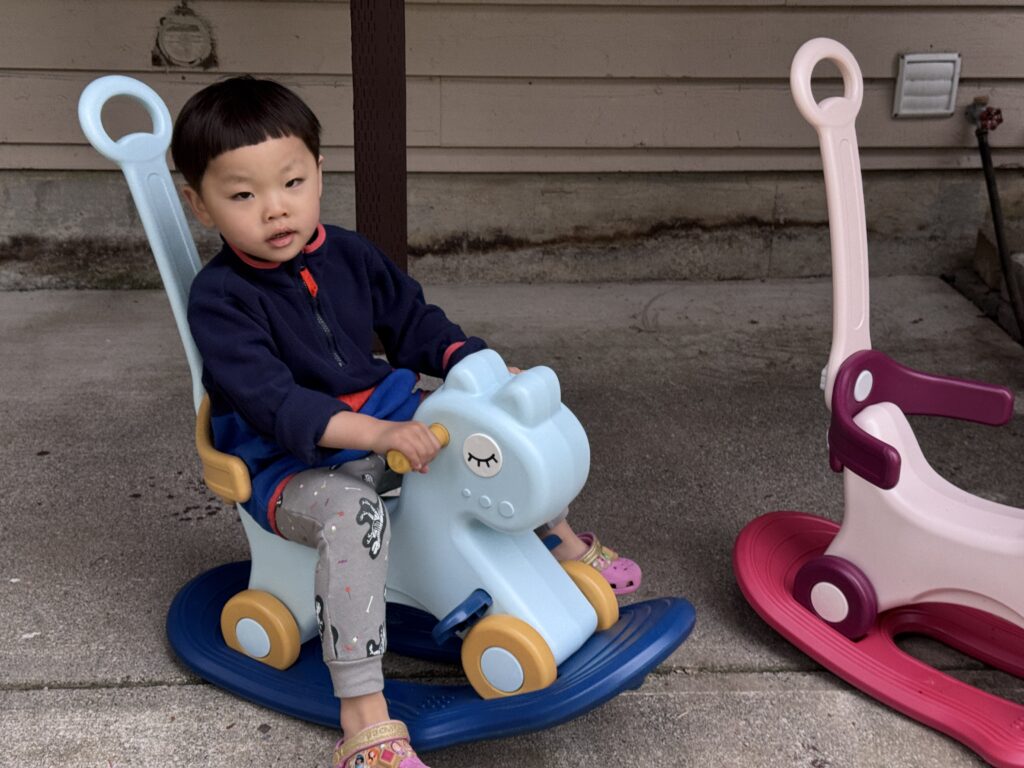
Myth 1: Adjustment Should Happen Quickly

One of the most common misunderstandings is believing children should settle in within days.

But adjustment often unfolds over weeks or months.

Healthy Adjustment Can Be Gradual

Children may need time to adapt to:

  • New expectations
  • Larger peer groups
  • Separation from family
  • Structured routines

Slow adjustment is not necessarily problematic.

It may be entirely typical.

Progress Is Often Nonlinear

Many children:

  • Improve, then struggle briefly
  • Appear confident at school but emotional at home
  • Show mixed adjustment patterns

This does not usually mean regression.

It often reflects growth in process.

Myth 2: Tears Mean a Child Is Not Ready

Parents often interpret distress at drop-off as evidence that something is wrong.

Often it is not.

Separation Emotions Can Be Normal

Tears may reflect:

  • Transition stress
  • Attachment strength
  • Fatigue
  • New environment adjustment

Emotions do not automatically signal poor readiness.

Readiness and Comfort Are Not the Same

A child can be ready for kindergarten and still find the transition emotionally hard.

That distinction matters.

Myth 3: Academic Skills Matter Most

Many parents overfocus on letters, numbers, or early academics.

Yet adjustment often depends heavily on non-academic skills.

Social-Emotional Skills Often Matter More

Important adjustment skills include:

  • Flexibility
  • Following routines
  • Self-regulation
  • Problem solving
  • Cooperative participation

These often support classroom success as much as academics.

School Readiness Is Broader Than Academics

Readiness includes emotional and social capacities, not just academic exposure.

This aligns with whole-child approaches widely supported in early childhood education.

Myth 4: Social Adjustment Happens Naturally

Another misconception is that children will simply “figure out” peer relationships.

Social adaptation often needs support.

Friendship Skills Are Still Developing

Kindergarteners are learning:

  • Turn taking
  • Conflict repair
  • Inclusion
  • Perspective taking

These skills continue to develop.

They are not assumed.

Social Challenges Can Be Normal

Difficulties navigating peers do not necessarily indicate poor adjustment.

Often, they reflect developmental learning.
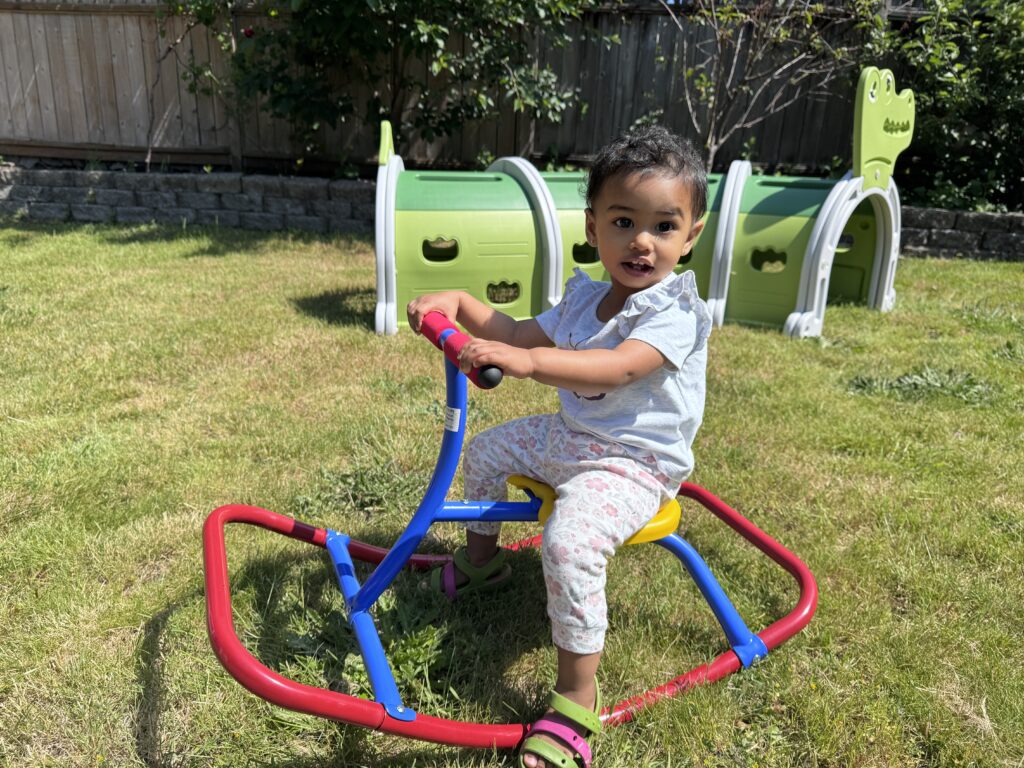
social development in kindergarten transition

Why Emotional Readiness Is Often Overlooked

Parents may focus on visible skills while overlooking emotional readiness.

Yet emotional security often supports everything else.

Emotional Readiness Includes:

  • Managing frustration
  • Recovering after disappointment
  • Asking for help
  • Tolerating transitions

These capacities matter deeply.

Research highlighted by Harvard University Center on the Developing Child continues emphasizing the importance of emotional foundations in learning.

Misreading Regression During Transition

Sometimes children show temporary regression:

  • Clinginess
  • Fatigue
  • Irritability
  • Sleep disruptions

Parents may assume something is wrong.

Often, this can be a normal response to major developmental change.

Transition Stress Can Look Like Regression

Sometimes growth looks messy before it looks smooth.

That can be part of adaptation.

The Role of Routine in Successful Adjustment

Predictability often supports school adjustment.

Routines Reduce Cognitive and Emotional Load

Consistent routines help children:

  • Feel secure
  • Anticipate expectations
  • Build confidence

Routine often supports resilience.

Preparation Happens Before Kindergarten

High-quality early learning experiences often help children practice these patterns before school entry.

This is one reason many families value early childhood education in Bothell settings that support routines, independence, and social development before kindergarten.

How Group Care Supports School Readiness

School readiness often develops long before kindergarten begins.

Group care experiences can support:

  • Transition skills
  • Peer interaction
  • Emotional regulation
  • Classroom participation

Children often rehearse adjustment before entering school.

Everyday Practice Matters

Experiences in Kido Heaven early learning center environments can help children practice many of the social and emotional habits that later support smoother transitions.

These everyday experiences matter.

What Children Actually Need During Transition

Rather than pressure, children often need:

Connection

Emotional security supports confidence.

Consistency

Predictability lowers stress.

Patience

Adjustment often takes time.

Realistic Expectations

Children do not need perfect transitions.

They need supported ones.

How Parents Can Better Support Adjustment

Avoid Overinterpreting Every Hard Day

A difficult day does not define the adjustment process.

Focus on Regulation Over Performance

Support emotional coping, not just school outcomes.

Support Independence Gradually

Confidence often grows through practice.

Partner With Educators

Teachers often provide perspectives that ease unnecessary worry.

Guidance from quality programs aligned with practices informed by Washington State Department of Children, Youth & Families often emphasizes collaboration between families and educators.

What Parents Often Get Most Right

Ironically, many worried parents are already doing what helps:

  • Providing security
  • Staying responsive
  • Seeking understanding

Concern often reflects care.

And care supports adjustment.

Conclusion

Kindergarten adjustment is often misunderstood because adults may expect transitions to look smoother, faster, or more linear than child development allows.

But healthy adjustment is rarely perfect.

It is gradual.

Layered.

And deeply individual.

When parents move beyond common myths and understand what children actually need—security, time, consistency, and support—transition often becomes less about “fixing problems” and more about supporting development.

Families exploring learn more about our daycare programs often value environments that support these foundations early.

At Kido Heaven daycare, we believe school readiness grows through relationships, emotional confidence, and meaningful early experiences. Our programs help children build the social and developmental foundations that support smoother transitions into kindergarten and beyond.

Why KidoHeaven Stands Out

✅ Licensed in Washington State
✅ Aligned with Early Achievers standards
✅ Working Connections subsidy accepted
✅ Daily updates via Brightwheel
✅ Located in Bothell, serving Mill Creek, Lynnwood & nearby areas
✅ Nutritious snacks, safe outdoor space, & positive mealtime routines

📞 Call 206-734-2040 to schedule a tour
🌐 Enroll now

Follow Our Mealtime Moments

Stay updated with more beautiful outdoor meals and daily learning routines on:

Instagram | Facebook | Nextdoor | Yelp | Winnie | YouTube | Upwards

FAQ

1. How long does kindergarten adjustment usually take?

Adjustment varies. Some children adapt quickly, while others may take weeks or months.

2. Is crying at drop-off a bad sign?

Not necessarily. It can be a normal response to separation and transition.

3. What matters more for adjustment: academics or emotional readiness?

Both matter, but emotional and social readiness are often underestimated.

4. Can preschool or childcare support kindergarten adjustment?

Yes. Early group experiences often help children practice routines and social skills that support school transitions.

5. Is regression during school transition normal?

Temporary regression can sometimes be part of adjustment and does not necessarily signal a serious problem.

The Hidden Curriculum of Kindness in Early Childhood Classrooms

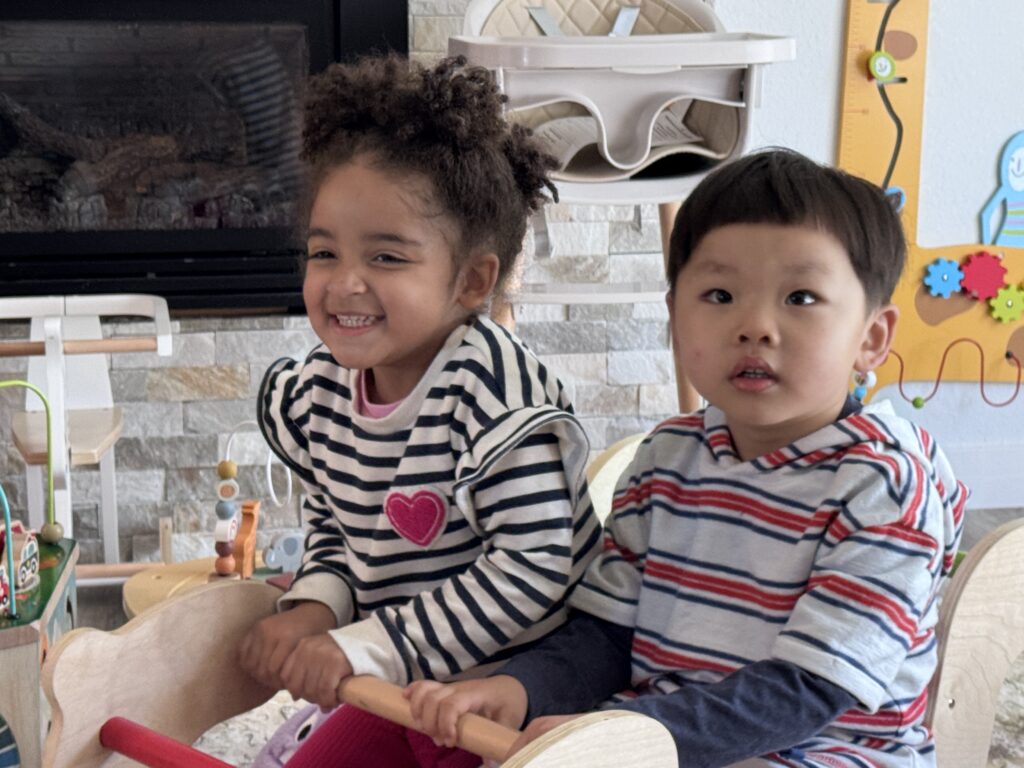
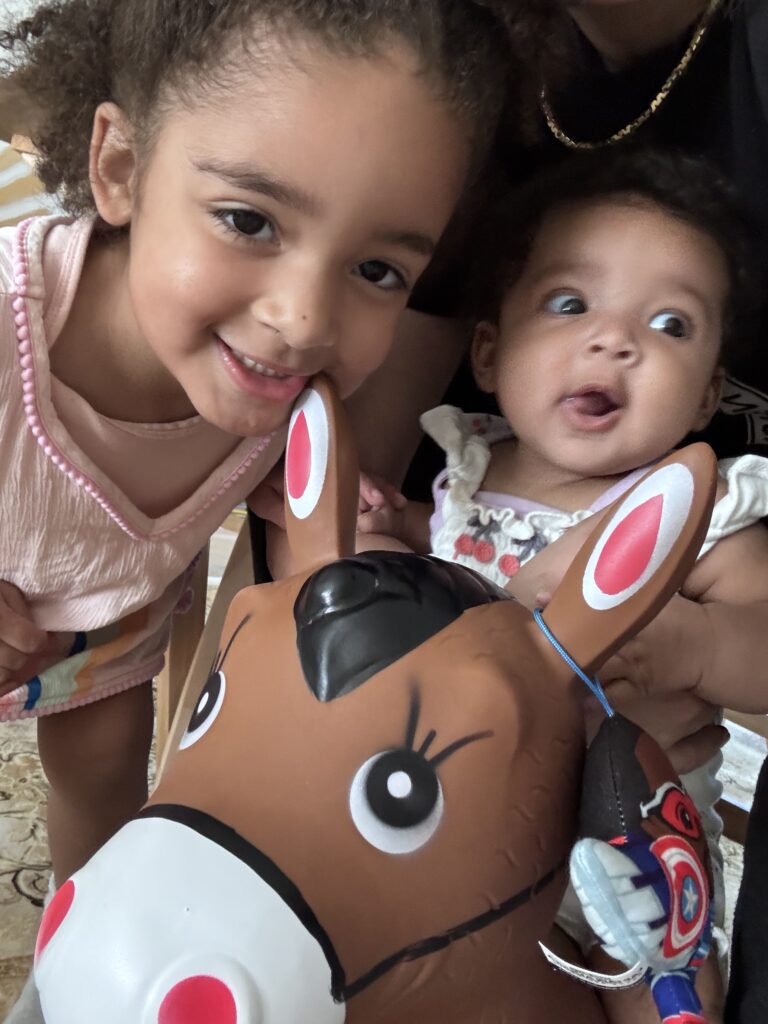
teachers modeling kindness in daycare

Kindness in early childhood is often treated as something adults explicitly teach through reminders like “share,” “be kind,” or “use gentle hands.” But many of the strongest lessons about kindness are not taught as direct lessons at all.

They develop through what educators often call the hidden curriculum—the unspoken lessons children absorb through relationships, routines, classroom culture, and everyday experiences.

High-quality Daycare Bothell programs often support kindness not through formal instruction alone, but through daily interactions that help children practice empathy, cooperation, and respect in natural ways.

In early learning settings, kindness is often not a scheduled subject. It is woven into how the classroom functions.

What Is the Hidden Curriculum?

The hidden curriculum refers to values, social behaviors, and emotional habits children learn indirectly through participation in everyday classroom life.

Children may learn:

  • How to include others
  • How to help a friend
  • How to wait and cooperate
  • How to respond when someone is upset
  • How respect is practiced

These lessons are often not delivered through direct teaching. They are experienced.

Hidden Curriculum vs Direct Lessons

Direct lessons may involve:

  • Books about kindness
  • Teacher-led discussions
  • Songs about friendship

The hidden curriculum works differently.

Children often learn kindness when they observe:

  • A teacher comforting a child
  • A friend helping another during cleanup
  • Peers making room for others in play

These lived experiences often shape social behavior deeply.

children learning empathy through play

How Kindness Is Learned Beyond Direct Instruction

Young children learn socially by participating in relationships.

Kindness often develops through repeated experiences where children practice caring behavior rather than being told about it.

Observation and Modeling

Children closely observe adults.

When teachers respond with patience, empathy, and respect, children begin absorbing those behaviors as normal ways of relating to others.

This modeling is often more powerful than verbal instruction.

Repetition Builds Social Habits

Kindness grows through repeated small experiences, such as:

  • Sharing materials
  • Taking turns
  • Helping during routines
  • Comforting a peer

These moments may seem ordinary, but they shape social habits over time.

Why Kindness Often Develops Indirectly

Kindness is not usually learned through memorization.

It often develops through belonging and emotional safety.

Children Learn Care by Experiencing Care

When children feel respected and supported, they often begin extending that same care to others.

Compassion often grows from experience.

Relationships Support Kindness

Prosocial behavior develops through:

  • Trust
  • Secure relationships
  • Collaborative experiences
  • Community routines

Kindness is often relational before instructional.

The Classroom as a Social Learning Environment

An early childhood classroom is not only an academic setting.

It is also a social environment where children practice living in a community.

Through group experiences, children learn:

  • Cooperation
  • Mutual respect
  • Awareness of others
  • Shared responsibility

These are foundations of kindness.

Group Experiences Build Social Awareness

Children in group care encounter natural opportunities to practice kindness:

  • Sharing space
  • Negotiating play
  • Helping peers
  • Solving small problems together

These experiences help kindness emerge naturally.

Daily Routines That Teach Kindness Naturally

Transitions

Simple transitions often teach:

  • Patience
  • Awareness of others
  • Cooperation

Even lining up can become social learning.

Cleanup Time

Cleanup supports:

  • Responsibility
  • Helping behavior
  • Community participation

Children often practice kindness through shared tasks.

Mealtimes

Shared meals can support:

  • Conversation
  • Turn-taking
  • Consideration for others

Routine moments often carry hidden lessons.

How Teachers Model Unspoken Lessons of Care

Teachers communicate values constantly.

Not only through instruction—
But through response.

Responsive Interactions

Children learn from how adults:

  • Handle frustration
  • Support problem-solving
  • Respond to mistakes
  • Repair relationships

These interactions quietly teach empathy.

Emotional Co-Regulation

When adults help children navigate big emotions, they model compassion in action.

Children often learn empathy through being responded to empathetically.

Peer Relationships and Compassion

Peers are powerful teachers.

Many lessons about kindness develop through child-to-child relationships.

Collaborative Play

In cooperative play, children practice:

  • Inclusion
  • Negotiation
  • Perspective-taking

These are core kindness skills.

Helping Behaviors

Young children often begin showing prosocial behavior naturally:

  • Helping a friend
  • Bringing comfort
  • Offering assistance

Supportive classrooms nurture these behaviors.

kindness in early childhood classroom

Conflict Resolution as a Hidden Lesson in Empathy

Conflict can become a setting for social growth.

Repair Teaches Kindness

When conflicts are guided respectfully, children may learn:

  • Accountability
  • Perspective taking
  • Reconnection

Repair is often a hidden lesson in compassion.

Problem Solving Over Punishment

Supportive classrooms often use conflict as a teaching opportunity rather than simply correcting behavior.

This can help empathy grow.

Why Environment Matters in Kindness Development

The environment teaches too.

Spaces Can Invite Cooperation

Classroom environments can support kindness through:

  • Shared activity areas
  • Collaborative play spaces
  • Materials designed for cooperation

The environment can shape social behavior.

Emotional Safety Supports Prosocial Growth

Children often show more empathy when they feel secure.

Safety and kindness are deeply connected.

The Role of Group Care in Prosocial Growth

Group care provides daily opportunities to practice community living.

This is one reason many families choose child care programs in Bothell that prioritize social-emotional development alongside early learning.

Children often learn kindness because they experience belonging within a group.

How Families and Classrooms Reinforce Hidden Lessons

Children benefit when kindness is reinforced across settings.

Consistency Matters

When home and school both model:

  • Respect
  • Cooperation
  • Compassionate

children receive stronger support.

Shared Values Shape Identity

Over time, kindness can become more than behavior.

It can become part of how children see themselves.

Conclusion

Some of the most meaningful lessons children learn are never written into a formal curriculum.

They are woven into routines, relationships, and everyday interactions.

That is the hidden curriculum of kindness.

When children experience classrooms built on empathy, respect, cooperation, and care, kindness often develops naturally—not as a rule to memorize, but as a way of being.

At Kido Heaven Early Learning Center, our Daycare Bothell approach helps children learn kindness through relationships, routines, and meaningful daily experiences. Families seeking nurturing child care in Bothell environments often value how these unspoken lessons support long-term emotional growth.

Why KidoHeaven Stands Out

✅ Licensed in Washington State
✅ Aligned with Early Achievers standards
✅ Working Connections subsidy accepted
✅ Daily updates via Brightwheel
✅ Located in Bothell, serving Mill Creek, Lynnwood & nearby areas
✅ Nutritious snacks, safe outdoor space, & positive mealtime routines

📞 Call 206-734-2040 to schedule a tour
🌐 Enroll now

Follow Our Mealtime Moments

Stay updated with more beautiful outdoor meals and daily learning routines on:

Instagram | Facebook | Nextdoor | Yelp | Winnie | YouTube | Upwards

FAQ

1. What is the hidden curriculum in early childhood?

It refers to social and emotional lessons children absorb through routines, relationships, and classroom culture rather than direct teaching.

2. Why is kindness part of the hidden curriculum?

Because children often learn kindness through lived experiences, observation, and participation.

3. How do teachers support kindness without teaching lessons on kindness?

Through modeling empathy, guiding conflict respectfully, and creating cooperative classroom environments.

4. Can group childcare help children develop empathy?

Yes, group settings provide natural opportunities to practice helping, cooperation, and perspective-taking.

5. Why are routines important in teaching kindness?

Repeated daily experiences help children internalize prosocial habits.


How Calm Adult Responses Shape Children’s Emotional World

calm caregiver helping child regulate emotions in daycare

Children learn about emotions long before they can explain them. Before they develop self-regulation, they borrow regulation from the adults around them. A calm adult response during moments of stress, frustration, or conflict can shape how children understand safety, emotions, and relationships.

When adults respond with steadiness instead of reactivity, children receive more than comfort. They receive a model for managing feelings. This process, often called co-regulation, plays a foundational role in emotional development and is strongly supported by child development research.

In nurturing environments such as Daycare Bothell and quality child care Bothell programs, calm and responsive interactions help children build emotional security through everyday experiences. These moments often shape a child’s emotional world more deeply than adults realize.

This article explores how calm adult responses influence emotional growth, why co-regulation matters, and how responsive caregiving supports healthy development.

What Is Co-Regulation in Child Development?

Children are not born knowing how to regulate overwhelming emotions. Self-regulation develops gradually through relationships.

Co-regulation happens when a calm adult helps a child manage strong emotions through supportive presence, tone, and guidance.

Examples include:

  • Staying calm during a tantrum
  • Helping a child breathe when upset
  • Naming feelings without judgment
  • Offering reassurance during frustration
  • Responding with connection before correction

Co-Regulation Comes Before Self-Regulation

A common misconception is that young children should simply “learn to calm down.”

Developmentally, children first experience calm with adults before they can create calm independently.

This is why adult responses matter so much.

child learning emotional regulation through calm guidance

Why Adult Responses Shape a Child’s Emotional World

Children absorb emotional patterns through repeated interactions.

When adults consistently respond calmly, children often learn:

  • Big feelings can be managed
  • Relationships stay safe during distress
  • Emotions are not dangerous
  • Mistakes do not threaten the connection

These beliefs shape emotional development in profound ways.

Children Read Adult Nervous Systems

Children often respond less to words than to tone, body language, and emotional energy.

An adult saying “calm down” while sounding tense may increase stress.

An adult speaking softly and remaining regulated often helps lower stress.

Calm communicates safety.

How Children Learn Emotional Regulation Through Modeling

Children learn emotional skills by watching adults.

This is where modeling calm matters.

Emotional Regulation Is Caught, Not Just Taught

Children learn from adults who:

  • pause before reacting
  • solve problems calmly
  • Manage frustration respectfully
  • repair conflict peacefully

These lived experiences become internal models.

Modeling Calm Teaches More Than Instructions

Saying:
“Use your words.”

has value.

But showing:
“I’m frustrated, so I’m taking a breath before I respond.”

teaches emotional regulation in action.

Modeling often teaches more deeply than verbal instruction.

Why Calm Responses Support Emotional Safety

Emotional development depends heavily on emotional safety.

When children feel emotionally safe, they are more likely to:

  • express feelings openly
  • recover from stress
  • take social risks
  • develop resilience
  • trust supportive relationships

Calm Responses Reduce Emotional Escalation

A dysregulated adult often escalates a dysregulated child.

A regulated adult often helps de-escalate.

For example:

Instead of:
“Stop crying right now.”

A calm response may be:
“You’re upset. I’m here with you.”

That changes the emotional experience completely.

What Happens When Adults React Instead of Regulate

All adults react sometimes. The goal is not perfection.

But chronic reactive responses may affect emotional development.

Examples include:

  • yelling during stress
  • shaming emotional expression
  • responding unpredictably
  • dismissing feelings
  • escalating conflict

These patterns may teach children that emotions are unsafe or overwhelming.

Reactivity Can Undermine Regulation Skills

Children often cannot learn regulation in the middle of emotional chaos.

They learn regulation when adults provide calm structure.

That is why adult self-regulation matters in child development.

secure attachment built through calm adult responses

Practical Ways Calm Responses Help Children Thrive

1. Calm Responses Teach Emotional Boundaries

Children learn:
Feelings are okay.
Unsafe behavior still has limits.

That balance matters.

2. Calm Responses Build Resilience

Children recover more effectively when supported through stress rather than punished for having emotions.

Support builds resilience.

3. Calm Responses Support Problem Solving

When emotions settle, thinking returns.

Children can then practice:

  • conflict resolution
  • flexibility
  • repair
  • communication

Regulation supports learning.

4. Calm Responses Strengthen Relationships

Children often feel safer with adults who stay steady in hard moments.

That trust supports development.

Calm Responses in Group Care and Early Learning Settings

High-quality early learning environments often support co-regulation throughout daily routines.

Programs aligned with Washington State childcare expectations and WAC-informed practices often emphasize:

  • responsive caregiving
  • emotional support
  • relationship-based learning
  • developmentally appropriate guidance

Group Settings Offer Daily Practice

Children practice regulation during:

  • transitions
  • sharing conflicts
  • disappointments
  • waiting
  • peer interactions

With calm adult support, these become learning opportunities.

Responsive Teachers Help Create Emotional Stability

When educators respond calmly and consistently, children often feel secure enough to explore, learn, and connect.

This is one reason emotionally responsive care matters so much.

Strategies Adults Can Use to Model Calm

Pause Before Responding

A brief pause often prevents reactive responses.

Regulated adults regulate children.

Lower Your Voice, Don’t Raise It

A softer tone often helps children settle faster than louder correction.

Calm can be contagious.

Name Feelings

Try:

  • You seem frustrated.
  • That was disappointing.
  • You look upset.

Naming emotions often reduces overwhelm.

Connect Before Correcting

Connection first.

Guidance second.

This supports cooperation far more effectively.

Repair After Hard Moments

Adults do not need perfect responses.

Repair matters too.

“I was frustrated and raised my voice. I’m sorry.”

That models accountability and emotional health.

Calm Responses Support the Emotional World Children Carry Forward

Children build internal emotional patterns through repeated relational experiences.

When adults respond calmly, children often carry forward beliefs like:

  • I am safe when upset.
  • Emotions can be managed.
  • Problems can be solved.
  • Relationships stay secure during conflict.

These beliefs shape emotional well-being for years.

That is why calm responses are not small moments.

They are developmental moments.

Conclusion

Children do not learn emotional regulation in isolation.

They learn it through relationships.

Through calm adult responses, children begin to understand emotions as manageable, relationships as safe, and challenges as something they can navigate.

Co-regulation and modeling calm are not minor caregiving techniques—they help shape a child’s emotional world.

At Kido Heaven Early Learning Center, we believe emotional development grows through responsive relationships, calm guidance, and supportive learning environments. Through nurturing care, children build the emotional foundations for confidence, resilience, and lifelong well-being.

Why KidoHeaven Stands Out

✅ Licensed in Washington State
✅ Aligned with Early Achievers standards
✅ Working Connections subsidy accepted
✅ Daily updates via Brightwheel
✅ Located in Bothell, serving Mill Creek, Lynnwood & nearby areas
✅ Nutritious snacks, safe outdoor space, & positive mealtime routines

📞 Call 206-734-2040 to schedule a tour
🌐 Enroll now

Follow Our Mealtime Moments

Stay updated with more beautiful outdoor meals and daily learning routines on:

Instagram | Facebook | Nextdoor | Yelp | Winnie | YouTube | Upwards

FAQ

1. Is praise bad for children?

No. Praise can be helpful when balanced and specific. The concern is relying on praise alone instead of a deeper emotional connection and validation.

2. What is the difference between praise and validation?

Praise often evaluates behavior.
Validation recognizes feelings, effort, and internal experience.
Both can have value, but validation often supports deeper emotional development.

3. Does feeling seen improve self-esteem?

Yes. Feeling understood and valued supports secure identity, resilience, and healthy self-worth.

4. Can daycare help children feel seen?

High-quality early learning environments often support this through responsive caregiving, individualized attention, and relationship-based teaching.

5. How can parents help children feel seen every day?

Small practices help:
attentive listening
noticing effort
naming emotions
respecting perspectives
responding with empathy
These moments build emotional security.


Why Feeling Seen Matters More Than Constant Praise

caregiver validating child emotions during play

Many adults believe frequent praise is one of the best ways to help children feel confident. Phrases like “Good job!” or “You’re so smart!” are often offered with positive intentions. While encouragement has value, child development research increasingly shows that feeling truly seen—being noticed, understood, and emotionally recognized—has a stronger and more lasting effect on self-esteem than constant praise alone.

Children do not build a strong sense of self simply by hearing approval. They develop it through repeated experiences of being understood. When a caregiver notices effort, names emotions, respects perspectives, and responds with genuine attention, children begin to feel worthy beyond performance.

In high-quality early learning environments, emotional visibility often happens naturally through responsive interactions. In programs such as Daycare Bothell and quality child care Bothell settings, these moments support social-emotional growth in ways that go beyond praise-based encouragement.

This article explores why feeling seen matters so much, how it differs from praise, and why authentic connection is foundational to healthy self-esteem.

What Does It Mean for a Child to Feel Seen?

Feeling seen means more than receiving attention. It means a child experiences that their emotions, thoughts, efforts, and individuality are recognized and valued.

A child feels seen when an adult says:

  • “You worked hard on that.”
  • “You seem frustrated—do you want help?”
  • “I noticed you invited your friend to play.”
  • “You were proud when you built that tower.”

These responses communicate:

  • I notice you.
  • I understand your experience.
  • What you feel matters.

This differs from generic praise. “Good job” focuses on approval. Feeling seen focuses on connection.

Being Seen vs Being Evaluated

Children quickly learn when adults are constantly evaluating versus truly engaging.

Evaluation-based responses:

  • You’re amazing!
  • You’re the best helper.
  • Great drawing!

Seeing-based responses:

  • You used many colors in your drawing.
  • You kept trying when the blocks fell.
  • You helped because your friend needed support.

The second approach supports identity formation rather than dependence on approval.

teacher supporting emotional development through authentic connection

Why Praise Alone Has Limits

Praise is not harmful by itself. The issue arises when praise becomes the primary tool for building confidence.

Research in developmental psychology suggests excessive performance-focused praise can unintentionally teach children to:

  • Seek external validation
  • Fear mistakes
  • Tie worth to achievement
  • Depend on approval for confidence

Praise Can Become Conditional

When confidence depends on hearing “good job,” self-worth can become fragile.

Children may begin asking:

  • Did I do it right?
  • Is this good?
  • Are you proud of me?

Instead of developing inner confidence, they may rely on outside judgment.

Constant Praise Can Shift Attention Away from Process

When adults praise outcomes constantly, children may focus more on being impressive than on learning, curiosity, or resilience.

Feeling seen keeps attention on process, effort, and emotional experience.

Validation Over Praise: What Research Suggests

Developmental research consistently links emotional validation and responsive caregiving to healthier long-term self-esteem than approval alone.

Validation does not mean agreeing with every emotion or behavior. It means recognizing a child’s internal experience.

Examples:

Instead of:
“Don’t be upset, it’s fine.”

Validation sounds like:
“You’re disappointed the game ended.”

This teaches children:

  • Emotions make sense.
  • Feelings can be managed.
  • They are understood.

Why Validation Supports Emotional Development

Validation helps children develop:

Emotional Awareness

Children learn to recognize what they feel.

Emotional Regulation

Being understood often helps emotions settle.

Internal Security

Children feel accepted even when struggling.

These are deeper foundations for confidence than praise can provide alone.

How Feeling Seen Builds Healthy Self-Esteem

Self-esteem is not believing “I am amazing.”

Healthy self-esteem is believing:

  • I matter.
  • My thoughts count.
  • I can handle challenges.
  • I am valued even when imperfect.

Feeling seen supports exactly this.

It Strengthens Identity

When children are observed authentically, they begin forming an internal sense of self.

Not:
“I am good when praised.”

But:
“I know who I am.”

That difference matters enormously.

It Encourages Intrinsic Motivation

Seen children often act from internal motivation rather than reward seeking.

They help because they care.

They persist because effort feels meaningful.

That supports long-term confidence.

Emotional Visibility and Secure Attachment

Feeling seen is closely connected to attachment theory.

Responsive relationships help children develop secure attachment through repeated experiences of being understood.

Secure attachment is associated with:

  • Confidence
  • Emotional resilience
  • Social competence
  • Healthy self-worth

Small Moments Matter

Attachment is often built in ordinary interactions:

  • A teacher notices hesitation during play.
  • A caregiver responds to disappointment calmly.
  • An adult listens seriously to a child’s story.

These moments communicate safety.

Safety supports confidence.

children building self-esteem through supportive group care

Why Constant Praise Can Sometimes Backfire

Surprisingly, too much praise may sometimes undermine confidence.

It Can Create Performance Pressure

Children may feel they must keep impressing adults.

That can increase perfectionism and fear of failure.

Person-Based Praise Can Be Risky

Research often distinguishes between:

Person Praise

  • You’re so smart.
  • You’re talented.

and

Process Support

  • You worked hard.
  • You tried a new strategy.

Person praise may make mistakes feel threatening.

Being seen supports growth without pressure.

It Can Reduce Authentic Connection

If every interaction becomes praise, a genuine emotional connection can shrink.

Children need more than applause.

They need a relationship.

How Responsive Caregiving Supports Authentic Connection

Responsive caregiving often creates the strongest conditions for children to feel seen.

Key practices include:

Observation Before Response

Attentive adults watch first.

They notice:

  • interests
  • emotions
  • social cues
  • effort

This supports individualized responses.

Emotion Coaching

Adults help children name and understand feelings.

Examples:

  • You seem disappointed.
  • That was frustrating.
  • You look proud of what you made.

This supports emotional literacy.

Reflective Language

Reflecting experiences back to children helps them feel understood.

“You kept trying even when it was hard.”

That is much more powerful than “good job.”

The Role of Group Care in Helping Children Feel Seen

High-quality early learning environments can support feeling seen through daily relationships and individualized attention.

Programs operating under Washington State childcare standards and WAC-informed quality practices often emphasize responsive caregiving, social-emotional support, and child-centered learning.

Individual Recognition Within Group Settings

Strong programs help children feel visible even in groups through:

  • responsive teacher interactions
  • observation-based curriculum
  • relationship-centered care
  • individualized support

Children are not treated as a group alone, but as individuals.

Peer Relationships Also Help Children Feel Seen

Being understood by peers matters too.

Through group experiences, children may feel recognized when they:

  • contribute ideas
  • solve problems together
  • help classmates
  • express emotions safely

These social experiences support belonging.

Practical Ways Adults Can Help Children Feel Seen

Feeling seen often grows through simple changes in interaction.

1. Notice Before Praising

Instead of:
Good job.

Try:
You kept balancing those blocks until it worked.

Specific noticing often feels more meaningful.

2. Reflect Feelings

Try:
You were disappointed when that happened.

This communicates understanding.

3. Listen Without Fixing Immediately

Sometimes children need presence more than solutions.

Listening can be validating.

4. Focus on Effort and Process

Notice:

  • persistence
  • creativity
  • problem-solving
  • kindness

These strengthen identity.

5. Make Space for Child Perspectives

Ask:

  • What do you think?
  • How did that feel?
  • What should we try?

This communicates respect.

Authentic Connection Matters More Than Constant Approval

Children do not thrive simply from being told they are wonderful.

They thrive when they feel known.

An authentic connection communicates:

  • You matter.
  • You belong.
  • You are understood.

That shapes deeper confidence than repeated praise ever can.

Conclusion

Confidence is not built through constant praise alone.

It grows when children feel genuinely seen.

When adults notice effort, honor emotions, listen closely, and respond authentically, children develop something deeper than approval-based confidence—they develop secure self-worth.

That is why validation over praise and authentic connection matter so much in healthy child development.

At Kido Heaven Early Learning Center, we believe children flourish when they feel understood, respected, and valued as individuals. Through nurturing relationships and responsive care, our approach supports the emotional foundations children need for confidence, resilience, and lifelong growth.

Why KidoHeaven Stands Out

✅ Licensed in Washington State
✅ Aligned with Early Achievers standards
✅ Working Connections subsidy accepted
✅ Daily updates via Brightwheel
✅ Located in Bothell, serving Mill Creek, Lynnwood & nearby areas
✅ Nutritious snacks, safe outdoor space, & positive mealtime routines

📞 Call 206-734-2040 to schedule a tour
🌐 Enroll now

Follow Our Mealtime Moments

Stay updated with more beautiful outdoor meals and daily learning routines on:

Instagram | Facebook | Nextdoor | Yelp | Winnie | YouTube | Upwards

FAQ

1. Is praise bad for children?

No. Praise can be helpful when balanced and specific. The concern is relying on praise alone instead of a deeper emotional connection and validation.

2. What is the difference between praise and validation?

Praise often evaluates behavior.
Validation recognizes feelings, effort, and internal experience.
Both can have value, but validation often supports deeper emotional development.

3. Does feeling seen improve self-esteem?

Yes. Feeling understood and valued supports secure identity, resilience, and healthy self-worth.

4. Can daycare help children feel seen?

High-quality early learning environments often support this through responsive caregiving, individualized attention, and relationship-based teaching.

5. How can parents help children feel seen every day?

Small practices help:
attentive listening
noticing effort
naming emotions
respecting perspectives
responding with empathy
These moments build emotional security.


Understanding Big Feelings in Small Children: What Daycare Teaches Naturally

caregiver supporting emotional regulation calmly

Big feelings in young children are natural and developmentally appropriate emotional responses that they are not yet able to regulate independently. Instead of trying to immediately fix or stop these emotions, high-quality daycare environments focus on acceptance, safety, and emotional support. Through daily experiences, children learn how to understand and manage their feelings naturally by observing caregivers, engaging in co-regulation, and experiencing structured, calm environments. This approach helps children build long-term emotional intelligence, resilience, and self-awareness rather than suppressing emotions.

What Are Big Feelings in Early Childhood?

“Big feelings” describe intense emotional reactions such as anger, frustration, fear, or excitement that young children express strongly. These reactions are not behavioral problems—they are developmentally appropriate responses.

At early ages, children lack the neurological maturity to regulate emotions independently. Instead of managing feelings internally, they express them outwardly through crying, yelling, or withdrawing.

Why Young Children Feel So Intensely

From a developmental perspective, the emotional center of the brain is highly active in early childhood, while the regulatory systems are still forming.

According to the Harvard Center on the Developing Child, emotional regulation develops gradually through relationships and repeated experiences—not through instruction alone.

Key reasons include:

  • Limited vocabulary to describe feelings
  • Underdeveloped self-control mechanisms
  • High sensitivity to environmental changes

This explains why small triggers can lead to large emotional reactions.

Why “Fixing Emotions” Can Backfire

Adults often try to stop emotional reactions quickly:

  • “Don’t cry.”
  • “It’s not a big deal.”
  • “Calm down.”

While intended to help, these responses can unintentionally teach children to suppress emotions instead of understanding them.

Long-term risks of “fixing”:

  • Reduced emotional awareness
  • Increased frustration over time
  • Dependence on external soothing

Research supported by the American Academy of Pediatrics shows that emotional validation—not suppression—supports healthier development.

toddler experiencing big emotions in daycare

How Daycare Teaches Emotional Understanding Naturally

High-quality daycare environments create daily opportunities for emotional learning without forcing it.

Emotional Safety Before Skills

Children regulate emotions only when they feel safe.

In structured programs like Daycare Bothell, caregivers focus on:

  • Predictable routines
  • Calm transitions
  • Consistent emotional responses

This creates a secure base where children feel safe to experience emotions fully.

Learning Through Observation

Children learn emotional behavior by watching others.

They observe:

  • How peers handle frustration
  • How caregivers respond calmly
  • How emotions naturally rise and fall

This indirect learning builds deeper emotional understanding than direct instruction.

Co-Regulation in Real Moments

Co-regulation means an adult supports the child emotionally without controlling or stopping the feeling.

Caregivers:

  • Stay present
  • Use a calm voice and body language
  • Allow the emotion to exist

Over time, children internalize these responses and develop self-regulation.

Real-Life Daycare Scenarios (What Actually Happens)

Scenario 1: A Child Cries After Separation

Instead of distracting immediately, the caregiver:

  • Acknowledges the feeling (“You miss your parent”)
  • Stays nearby
  • Allows the child to process

Within minutes, the child begins to calm naturally.

Scenario 2: Conflict Over a Toy

Rather than forcing “say sorry,” the caregiver:

  • Observes the situation
  • Describes emotions (“You both want the same toy”)
  • Guides gently without pressure

Children learn problem-solving through experience.

Scenario 3: Overwhelm During Group Activity

A child becomes overstimulated.

The environment provides:

  • Quiet space
  • Reduced stimulation
  • Time without pressure

This prevents escalation and supports natural regulation.

teacher co-regulating with child

The Science Behind Emotional Development

Emotional development is rooted in repeated relational experiences.

Studies from the CDC (Centers for Disease Control and Prevention) confirm that children develop emotional skills through:

  • Responsive caregiving
  • Safe environments
  • Consistent interactions

This process is known as co-regulation → self-regulation progression.

The Role of Environment in Emotional Regulation

A well-designed childcare environment plays a critical role.

High-quality child care programs in Bothell include:

  • Calm-down areas
  • Structured routines
  • Balanced sensory input

These elements reduce emotional overload and allow children to process feelings naturally.

Natural Learning vs. Direct Instruction

Direct Approach (Less Effective)

  • Commands: “Stop crying.”
  • Forced behaviors: “Say sorry.”
  • Immediate correction

Natural Approach (More Effective)

  • Emotional acknowledgment
  • Space for processing
  • Gentle guidance

Children learn emotional intelligence through experience—not instruction.

WAC-Aligned Emotional Care in Quality Daycares

Programs following Washington Administrative Code (WAC) standards emphasize:

Emotional Respect

Children must be treated with dignity and sensitivity.

Positive Guidance

Behavior is guided—not punished.

Individual Emotional Needs

Each child develops at their own pace.

Safe Environment

Emotional safety is a core requirement—not optional.

These principles ensure ethical and developmentally appropriate care.

Long-Term Benefits of Emotional Acceptance

Children who are allowed to experience emotions fully develop:

  • Strong emotional intelligence
  • Better stress management
  • Improved social relationships
  • Higher confidence

Emotional acceptance builds resilience that lasts into adulthood.

How Parents Can Apply This at Home

Consistency between daycare and home strengthens results.

Practical strategies:

1. Pause before reacting
Not every emotion needs fixing.

2. Name the feeling
“You seem upset.”

3. Stay present
Your presence is more powerful than solutions.

4. Avoid punishment for emotions
Guide behavior, not feelings.

5. Model calmness
Children mirror adult emotional responses.

Conclusion

Big feelings in small children are not problems to solve—they are experiences to understand.

Daycare environments provide a unique space where children naturally learn emotional regulation through real interactions, supportive caregivers, and structured routines.

By shifting from “fixing emotions” to supporting emotional experiences, we help children build lifelong emotional intelligence.

About Kido Heaven Early Learning Center

At Kido Heaven Early Learning Center, emotional development is supported through a calm, structured, and child-centered approach that helps children understand their feelings naturally rather than being rushed to “fix” them. Our environment is designed to give children the safety they need to experience big emotions, while caring educators guide them through gentle co-regulation and daily real-life learning moments.

As a trusted provider of Daycare Bothell services, we focus on creating consistent routines and nurturing relationships that help children feel secure and understood. We believe emotional growth happens best when children are given time, space, and supportive guidance instead of pressure.

Our child care Bothell program is built on respect for each child’s individual emotional development. By combining structured environments with responsive caregiving, we help children build confidence, emotional awareness, and long-term resilience that supports them both in early learning and beyond.

Why KidoHeaven Stands Out

✅ Licensed in Washington State
✅ Aligned with Early Achievers standards
✅ Working Connections subsidy accepted
✅ Daily updates via Brightwheel
✅ Located in Bothell, serving Mill Creek, Lynnwood & nearby areas
✅ Nutritious snacks, safe outdoor space, & positive mealtime routines

📞 Call 206-734-2040 to schedule a tour
🌐 Enroll now

Follow Our Mealtime Moments

Stay updated with more beautiful outdoor meals and daily learning routines on:

Instagram | Facebook | Nextdoor | Yelp | Winnie | YouTube | Upwards

FAQ

1. Should I stop my child from crying quickly?

No. Crying is a natural release. Support the child, but allow the emotion to exist.

2. How does daycare help with emotional development?

Through daily real-life interactions, structured environments, and responsive caregiving.

3. What is co-regulation in simple terms?

It means helping a child calm down by staying present and supportive rather than controlling them.

4. Are emotional outbursts normal in toddlers?

Yes. They are a natural part of brain development and emotional growth.

5. Can ignoring emotions make children stronger?

No. Ignoring emotions leads to suppression, not strength.

6. What is the best way to respond to tantrums?

Stay calm, acknowledge the feeling, and avoid immediate correction.

7. Do children naturally learn emotional control?

Yes—but only in supportive environments with consistent caregiving.


How Children Learn Emotional Safety Before Emotional Skills

emotional safety in daycare classroom

Children do not start life with emotional control, empathy, or communication skills. These abilities develop gradually—but only after something more fundamental is established: emotional safety.

Before a child can manage emotions, they must first feel safe experiencing them. This concept—often described as emotional safety first—is central to early childhood development. Without a strong sense of felt security, emotional skills remain fragile, inconsistent, or delayed.

In high-quality early learning environments, emotional safety is not treated as an optional feature. It is the foundation upon which all learning, behavior, and relationships are built.

What Is Emotional Safety in Early Childhood?

Emotional safety is a child’s internal sense of being secure, accepted, and supported. It goes beyond physical protection and includes:

  • Feeling understood by caregivers
  • Trusting that needs will be met
  • Experiencing calm and predictability
  • Knowing that emotions are allowed

Importantly, emotional safety is not taught through instruction—it is built through repeated experiences.

When children consistently experience responsive care, their brains begin to recognize the environment as safe. Over time, this becomes internalized as felt security.

Why Emotional Safety Comes Before Emotional Skills

Emotional skills—such as self-regulation, empathy, and problem-solving—require a stable internal state.

When a child feels unsafe:

  • The brain activates stress responses (fight, flight, or freeze)
  • Emotional reactions become intense and reactive
  • Learning capacity decreases

When a child feels safe:

  • The brain remains regulated
  • Emotional processing becomes possible
  • Social engagement increases

This is why emotional safety is described as a foundation before skills. Without it, teaching emotional regulation is ineffective.

co-regulation caregiver helping child

The Neuroscience of Felt Security

From a neuroscience perspective, early experiences directly shape brain development.

Key processes include:

  • Stress regulation: Safe environments reduce cortisol levels
  • Neural pathway formation: Repeated safe interactions strengthen emotional control systems
  • Prefrontal cortex development: Supports decision-making and self-regulation

When caregivers respond consistently and calmly, children’s nervous systems learn to return to a balanced state more quickly.

Over time, this creates resilience.

In contrast, inconsistent or unpredictable care can keep the child’s brain in a heightened state of alertness, making emotional development more difficult.

Signs a Child Feels Emotionally Safe (or Not)

Understanding whether a child feels safe is essential for caregivers.

Signs of Emotional Safety

  • Seeks comfort from caregivers
  • Engages in play and exploration
  • Recovers from distress with support
  • Shows curiosity and social interest

Signs Emotional Safety May Be Lacking

  • Avoids interaction or connection
  • Displays frequent emotional outbursts
  • Has difficulty calming down
  • Shows withdrawal or anxiety

These behaviors are not simply “good” or “bad”—they reflect the child’s internal sense of safety.

How Children Experience Emotional Safety in Group Care

Consistent Caregiving

Consistency is one of the strongest predictors of emotional safety. When caregivers respond in predictable ways, children learn what to expect.

This includes:

  • Calm responses to distress
  • Reliable routines
  • Stable caregiver presence

Predictable Environments

Structured environments reduce uncertainty. Daily routines—such as meals, playtime, and rest—create a rhythm that children can rely on.

This predictability supports emotional stability.

Emotional Responsiveness

Children feel safe when their emotions are acknowledged, not dismissed.

Examples include:

  • Naming emotions (“You’re feeling upset”)
  • Offering comfort
  • Staying present during distress

These interactions build trust over time.

Co-Regulation: The Bridge to Self-Regulation

Children do not develop self-regulation on their own. First, they rely on adults through co-regulation.

Co-regulation involves:

  • A caregiver helping a child calm down
  • Modeling emotional responses
  • Providing guidance during difficult moments

For example:
A child becomes frustrated during play. Instead of expecting them to calm down independently, the caregiver sits nearby, speaks calmly, and helps the child process the situation.

Repeated experiences like this gradually build the child’s ability to self-regulate.

Real-Life Scenarios in Daycare Settings

Scenario 1: Separation Anxiety

A child cries when a parent leaves.
A responsive caregiver:

  • Acknowledges the feeling
  • Offers reassurance
  • Maintains a calm presence

Over time, the child learns that separation is temporary and manageable.

Scenario 2: Conflict Between Children

Two children argue over a toy.
Instead of punishment, the caregiver:

  • Guides both children through the conflict
  • Validates emotions
  • Encourages problem-solving

This supports both emotional safety and skill development.

Scenario 3: Overstimulation

A child becomes overwhelmed in a busy classroom.
A supportive environment provides:

  • A quiet space
  • Reduced stimulation
  • Gentle guidance

This helps the child regain emotional balance.

caregiver comforting child emotional support

What Happens When Emotional Safety Is Missing

Without emotional safety:

  • Stress responses remain activated
  • Emotional regulation becomes difficult
  • Social interactions may suffer

Children may develop coping behaviors such as:

  • Withdrawal
  • Aggression
  • Avoidance

These are not behavioral problems—they are adaptive responses to perceived insecurity.

Building Emotional Safety in Daycare Environments

Daily Routines and Structure

Clear routines create predictability. Children feel more secure when they understand what comes next.

Caregiver-Child Relationships

Strong relationships are essential. Caregivers should focus on:

  • Trust-building
  • Emotional availability
  • Consistency

Environment Design

The physical space should:

  • Minimize overstimulation
  • Include calming areas
  • Support independent exploration

WAC Washington State Standards and Emotional Safety

Childcare programs that follow Washington Administrative Code (WAC) guidelines emphasize:

  • Safe and nurturing environments
  • Developmentally appropriate interactions
  • Emotional well-being as a core priority
  • Responsive caregiving practices

These standards align closely with research on emotional safety, reinforcing its importance in licensed childcare settings.

Long-Term Impact on Development

Children who experience emotional safety early are more likely to:

  • Develop strong emotional regulation
  • Build healthy relationships
  • Show resilience under stress
  • Demonstrate confidence and independence

These outcomes extend into adolescence and adulthood.

Practical Strategies for Caregivers and Parents

To support emotional safety:

  • Maintain consistent daily routines
  • Respond calmly to emotional reactions
  • Validate children’s feelings
  • Build strong, trusting relationships
  • Provide predictable environments

Consistency—not perfection—is what matters most.

Conclusion

Emotional safety is not something that can be replaced by instruction or rushed through teaching. It is built slowly, through consistent care, predictable environments, and meaningful relationships.

Before children can regulate emotions or build social skills, they must first feel secure. This sense of felt security becomes the foundation for every aspect of emotional development.

When early learning environments prioritize emotional safety, they are not just supporting children in the present—they are shaping their future ability to learn, connect, and thrive.

About Kido Heaven Early Learning Center

At Kido Heaven Early Learning Center, we believe that emotional development begins with safety. Our programs are designed to provide structured, nurturing environments where children feel secure, supported, and understood.

Through consistent caregiving, thoughtful routines, and responsive interactions, we help children build the strong emotional foundation they need for lifelong success.

If you are searching for trusted Daycare Bothell or reliable child care Bothell, our approach ensures that emotional safety always comes first.

Why KidoHeaven Stands Out

✅ Licensed in Washington State
✅ Aligned with Early Achievers standards
✅ Working Connections subsidy accepted
✅ Daily updates via Brightwheel
✅ Located in Bothell, serving Mill Creek, Lynnwood & nearby areas
✅ Nutritious snacks, safe outdoor space, & positive mealtime routines

📞 Call 206-734-2040 to schedule a tour
🌐 Enroll now

Follow Our Mealtime Moments

Stay updated with more beautiful outdoor meals and daily learning routines on:

Instagram | Facebook | Nextdoor | Yelp | Winnie | YouTube | Upwards

FAQ

1. Why is emotional safety more important than emotional skills?

Because without safety, the brain cannot effectively learn or apply emotional skills.

2. How can daycare support emotional safety?

Through consistent caregiving, structured routines, and responsive interactions.

3. What is felt security?

It is the internal sense of safety a child develops through repeated supportive experiences.

4. Can emotional safety improve over time?

Yes. With consistent care and supportive environments, children can develop a stronger sense of safety.

5. What role do caregivers play?

Caregivers are central—they provide the relationships and experiences that build emotional safety.


How Children Learn Patience in Group Care Settings

early childhood patience development group care

Patience is not something young children learn through instruction alone—it develops naturally through everyday experiences. In high-quality childcare environments, children encounter real-life situations that require waiting, sharing, and adapting to others. These moments create the foundation for patience without the need for forced teaching or external rewards.

In group care settings, patients grow through routines, peer interactions, and guided support. Rather than being told to “wait,” children experience waiting as part of daily life. This organic process leads to stronger emotional regulation, improved social skills, and long-term resilience.

Understanding Patience in Early Childhood

What Patience Looks Like in Young Children

Patience in early childhood is not about sitting still for long periods. Instead, it includes:

  • Waiting for a turn
  • Delaying immediate desires
  • Managing frustration
  • Accepting shared outcomes

These behaviors develop gradually and are closely tied to brain development, particularly in areas responsible for impulse control.

Why Direct Teaching Is Less Effective

Telling children to “be patient” rarely works because:

  • Young children think in the present moment
  • Abstract concepts are difficult to grasp
  • Emotional regulation skills are still developing

Instead, children learn best through experience, repetition, and observation.

Why Group Care Naturally Builds Patience

Real-Life Waiting Situations

Group care environments naturally create situations where children must wait:

  • Waiting for meals
  • Taking turns with toys
  • Participating in group activities
  • Transitioning between routines

These everyday moments provide consistent opportunities to practice patience.

Social Learning Through Observation

Children observe peers navigating similar challenges. When they see others waiting, sharing, or coping calmly, they begin to imitate those behaviors.

This peer-based learning is more powerful than direct instruction because it feels natural and relatable.

toddlers sharing toys childcare setting

The Role of Daily Routines in Waiting Skills

Predictability Reduces Frustration

Consistent routines help children understand:

  • What happens next
  • When will they get a turn
  • How long do they need to wait

Predictability reduces anxiety, making waiting easier and more manageable.

Structured Transitions Build Tolerance

Transitions between activities—such as cleaning up before lunch—teach children to pause and adjust. Over time, these small delays strengthen their ability to handle waiting without distress.

Learning Patience Through Peer Interactions

Turn-Taking as a Core Skill

In group settings, children frequently encounter situations where they must:

  • Share materials
  • Wait for access
  • Cooperate with others

Turn-taking becomes a natural part of play, reinforcing patience through repetition.

Conflict Resolution and Delayed Gratification

When conflicts arise, children learn that:

  • They cannot always have immediate control
  • Solutions take time
  • Others’ needs matter

These experiences build emotional flexibility and patience.

Shared Waiting vs. Forced Waiting

What Is Shared Waiting?

Shared waiting occurs when all children experience waiting together, such as:

  • Sitting for group storytime
  • Waiting in line for outdoor play
  • Participating in snack routines

This creates a sense of fairness and community.

Why Forced Waiting Can Backfire

Forced waiting—where a child is made to wait without context—can lead to:

  • Frustration
  • Anxiety
  • Resistance

In contrast, shared waiting feels purposeful and easier to accept.

Emotional Development and Self-Regulation

The Connection Between Patience and Emotions

Patience is closely linked to self-regulation. Children must learn to:

  • Recognize their emotions
  • Manage impulses
  • Cope with delays

These skills develop gradually through repeated experiences.

Building Internal Control

Over time, children move from external guidance to internal control. Instead of needing reminders, they begin to:

  • Wait independently
  • Anticipate outcomes
  • Stay calm during delays
structured daycare routine learning patience

The Role of Caregivers in Supporting Patience

Modeling Calm Behavior

Caregivers play a key role by demonstrating patience in their own actions. Children learn by observing how adults:

  • Handle delays
  • Respond to challenges
  • Communicate calmly

Providing Gentle Guidance

Rather than enforcing patience, caregivers:

  • Acknowledge feelings
  • Offer reassurance
  • Provide clear expectations

This supportive approach aligns with best practices in early childhood education.

Environmental Design and Its Impact

Organized Spaces Reduce Waiting Stress

Well-designed classrooms:

  • Minimize overcrowding
  • Provide multiple activity options
  • Reduce competition for resources

This helps children experience waiting in a manageable way.

Materials That Encourage Turn-Taking

Using shared materials encourages cooperation and naturally introduces waiting opportunities without creating frustration.

Compliance with Washington State WAC Standards

High-quality childcare programs operating under Washington Administrative Code (WAC) guidelines emphasize:

  • Developmentally appropriate practices
  • Emotional and social growth
  • Safe and structured environments

These standards support patience development by requiring:

  • Consistent routines
  • Adequate supervision
  • Positive behavior guidance strategies

Rather than enforcing strict discipline, WAC-aligned programs focus on supportive learning environments, where patience develops naturally through interaction and structure.

Long-Term Benefits of Learning Patience Early

Academic Readiness

Children who develop patience early are better able to:

  • Focus on tasks
  • Follow instructions
  • Complete activities

Social Success

Patience supports:

  • Cooperation
  • Empathy
  • Healthy relationships

Emotional Resilience

Children become more capable of:

  • Handling frustration
  • Adapting to change
  • Managing stress

These skills extend far beyond early childhood into adulthood.

Conclusion

Patience is not built through instruction—it develops through experience. In group care settings, children encounter daily opportunities to wait, share, and adapt. These real-life situations create a strong foundation for emotional regulation and social success.

By focusing on structured environments, supportive caregiving, and meaningful interactions, childcare programs help children develop patience naturally and effectively.

At Kido Heaven Early Learning Center, we believe that children learn best through real experiences. Our approach creates a nurturing environment where patience, independence, and confidence grow naturally—preparing children for lifelong success. If you are looking for a trusted Daycare Bothell or high-quality Child Care Bothell, our program is designed to support your child’s growth in a safe, engaging, and developmentally appropriate setting.

Why KidoHeaven Stands Out

✅ Licensed in Washington State
✅ Aligned with Early Achievers standards
✅ Working Connections subsidy accepted
✅ Daily updates via Brightwheel
✅ Located in Bothell, serving Mill Creek, Lynnwood & nearby areas
✅ Nutritious snacks, safe outdoor space, & positive mealtime routines

📞 Call 206-734-2040 to schedule a tour
🌐 Enroll now

Follow Our Mealtime Moments

Stay updated with more beautiful outdoor meals and daily learning routines on:

Instagram | Facebook | Nextdoor | Yelp | Winnie | YouTube | Upwards

FAQ

At what age do children start learning patience?

Children begin developing patience in infancy, but it becomes more noticeable during toddler and preschool years through social interactions.

Can patience be taught directly?

Patience is best learned through experience rather than direct instruction. Real-life situations are more effective than verbal commands.

Why is group care better for learning patience?

Group care provides natural opportunities for waiting, sharing, and cooperation that are difficult to replicate in one-on-one environments.

How can parents support patience at home?

Parents can:
Create predictable routines
Encourage turn-taking
Allow small waiting moments

What if a child struggles with waiting?

Struggling is normal. With consistent support, structure, and time, children gradually improve their ability to wait.


The Role of Choice-Making in Building Independence at Daycare

children engaged in independent play

Independence is one of the most important developmental goals in early childhood—but it does not happen by accident. It is carefully built through everyday experiences, guided interactions, and structured environments. One of the most effective tools used in high-quality childcare settings is choice-making.

When children are given meaningful opportunities to make decisions, they begin to understand their role in the world. They learn responsibility, build confidence, and develop autonomy. However, not all choices lead to independence. Without proper structure, too many options can overwhelm children and create confusion rather than growth.

In well-designed programs such as Daycare Bothell and Child Care Bothell, educators use intentional choice-making strategies to support children’s development while maintaining safety, consistency, and emotional balance.

This article explores how structured choice-making supports real independence, prevents decision fatigue, and aligns with best practices in professional childcare environments.

What Is Choice-Making in Early Childhood?

Choice-making in early childhood refers to offering children limited, meaningful options within a structured and supportive environment. These choices are carefully designed to match a child’s developmental stage and abilities.

Rather than allowing unlimited freedom, educators provide controlled options that encourage decision-making without overwhelming the child. For example, a child may choose between drawing and building blocks, rather than having access to an entire room of unstructured activities.

Types of Choices in Daycare

  • Activity choices (art, reading, building)
  • Social choices (group play or independent play)
  • Routine choices (which book to read, where to sit)

These small decisions create the foundation for larger life skills.

Why Choice-Making Builds Real Independence

Choice-making is directly linked to the development of independence because it gives children a sense of control and ownership over their actions.

When children make decisions, they begin to understand cause and effect. They learn that their choices lead to outcomes, which strengthens responsibility and accountability over time.

Building Internal Motivation

Children who are allowed to choose are more likely to:

  • Stay engaged longer
  • Show curiosity
  • Develop intrinsic motivation

This is critical because true independence comes from within—not from external rewards or pressure.

child choosing between toys in daycare

Real vs. Apparent Independence in Children

Not all independence is genuine. Some environments create the illusion of independence without actually supporting development.

Apparent Independence

  • Too many choices
  • Lack of guidance
  • The child feels overwhelmed

Real Independence

  • Limited, structured options
  • Adult support and guidance
  • Clear expectations

Real independence is built through guided autonomy, not complete freedom.

Understanding Autonomy in Daycare Settings

Autonomy is the ability to make decisions, act independently, and regulate behavior. In early childhood, this skill develops gradually and requires support from caregivers.

High-quality childcare environments foster autonomy by:

  • Providing predictable routines
  • Encouraging exploration
  • Setting clear boundaries

Children feel safe when they understand expectations, which allows them to confidently make decisions.

Decision Fatigue in Young Children

Decision fatigue occurs when children are presented with too many options. Unlike adults, young children have a limited cognitive capacity to process multiple choices.

Signs of Decision Fatigue

  • Refusal to choose
  • Frequent frustration
  • Switching activities constantly

How to Prevent It

  • Offer only 2–3 choices
  • Use visual aids
  • Keep routines consistent

Reducing options actually increases confidence and success.

Age-Appropriate Choice-Making Strategies

Choice-making must be adapted to each developmental stage.

Infants (0–12 Months)

At this stage, choices are sensory-based and guided by caregivers. For example, offering different textures or sounds supports early exploration.

Toddlers (1–3 Years)

Toddlers benefit from simple, binary choices such as:

  • “Do you want milk or water?”
  • “Blocks or puzzles?”

Preschoolers (3–5 Years)

Preschoolers can handle more complex decisions, including:

  • Choosing activities
  • Participating in group planning
  • Solving simple problems

Structuring Choices in a Safe Daycare Environment

Choice-making must always align with safety and supervision standards. In regulated childcare environments, all options provided to children must be safe, appropriate, and supervised.

Educators structure the environment so that:

  • All materials are safe
  • Choices are developmentally appropriate
  • Risks are minimized

This ensures that independence is built within a secure framework.

The Role of Educators in Guided Choices

Educators play a critical role in supporting children’s decision-making.

Scaffolding Techniques

  • Narrowing options
  • Modeling decision-making
  • Offering gentle guidance

Supportive Language

  • “You can choose this or that.”
  • “Which one would you like?”

This approach empowers children while maintaining structure.

toddler making simple choices

Social and Emotional Benefits of Choice-Making

Choice-making contributes significantly to emotional and social development.

Confidence Building

Children feel capable when their choices are respected.

Emotional Regulation

Making decisions helps children:

  • Manage frustration
  • Develop patience
  • Improve self-control

Social Skills Development

Children learn:

  • Cooperation
  • Respect for others
  • Turn-taking

Common Mistakes to Avoid

Even well-intentioned caregivers can misuse choice-making.

Offering Too Many Choices

This leads to confusion and stress.

Giving False Choices

Example:

  • “Do you want to clean up?” (when it’s mandatory)

Inconsistency

Children need predictable patterns to feel secure.

Alignment with Washington State (WAC) Standards

Choice-making practices must align with childcare regulations and best practices.

Developmentally Appropriate Practice

Choices should match:

  • Age
  • Ability
  • Emotional readiness

Safety and Supervision

All activities must:

  • Be supervised
  • Use safe materials
  • Maintain structured environments

H3: Positive Behavior Support

Choice-making reduces power struggles and encourages cooperation.

Practical Examples of Choice-Based Learning

Activity Centers

Children choose between:

  • Art station
  • Reading corner
  • Building blocks

Snack Choices

  • Apple or banana
  • Milk or water

Participation Choices

  • Join a group activity
  • Observe quietly

These daily choices build long-term independence.

Conclusion

Choice-making is a powerful tool for building real independence in early childhood. When implemented thoughtfully, it helps children develop autonomy, confidence, and emotional resilience without feeling overwhelmed.

The key is balance—offering enough choice to empower children, but not so much that it creates stress. Structured environments, guided support, and consistent routines allow children to develop independence naturally and safely.

At Kido Heaven, we believe that independence begins with meaningful choices. Our approach to early learning focuses on creating structured opportunities for children to explore, decide, and grow—helping them build confidence and autonomy that lasts a lifetime.

Why KidoHeaven Stands Out

✅ Licensed in Washington State
✅ Aligned with Early Achievers standards
✅ Working Connections subsidy accepted
✅ Daily updates via Brightwheel
✅ Located in Bothell, serving Mill Creek, Lynnwood & nearby areas
✅ Nutritious snacks, safe outdoor space, & positive mealtime routines

📞 Call 206-734-2040 to schedule a tour
🌐 Enroll now

Follow Our Mealtime Moments

Stay updated with more beautiful outdoor meals and daily learning routines on:

Instagram | Facebook | Nextdoor | Yelp | Winnie | YouTube | Upwards

FAQ

1. How many choices should children have?

2–3 options are ideal to avoid overwhelm and support decision-making.

2. Can too many choices harm development?

Yes, it can lead to stress, indecision, and behavioral challenges.

3. When should choice-making start?

From infancy, with simple, guided options.

4. Does choice-making improve behavior?

Yes, it reduces resistance by giving children a sense of control.

5. Is it important for school readiness?

Absolutely. It builds responsibility, confidence, and decision-making skills.


Why Giving Children Small Responsibilities Builds Big Confidence

Tidying up classroom environment in early childhood

Confidence in children is not built overnight—it develops gradually through repeated experiences that allow them to feel capable, trusted, and valued. One of the most effective ways to nurture confidence is by giving children small, meaningful responsibilities in their daily environment.

These responsibilities do not need to be complex. Simple actions such as putting away toys, helping organize materials, or assisting in small classroom tasks can significantly influence how children perceive themselves.

In high-quality early learning environments, such as a structured Daycare Bothell, children are encouraged to participate in activities that promote independence and self-awareness. These experiences form the foundation for long-term confidence and self-worth.

The Connection Between Responsibility and Confidence

Responsibility and confidence are closely interconnected. When children successfully complete small tasks, they experience a sense of accomplishment. This reinforces the belief that they are capable individuals.

Each completed task becomes evidence of their abilities. Over time, these repeated experiences strengthen their internal confidence rather than relying on external validation.

Confidence built through responsibility is more stable because it comes from real experiences rather than praise alone.

Understanding Self-Worth in Early Childhood

Self-worth refers to how children perceive their value as individuals. It develops when children feel competent, respected, and included.

Assigning responsibilities communicates trust. When adults trust children with tasks, children interpret this as recognition of their abilities.

In a supportive child care environment, children are given opportunities to contribute meaningfully, which helps them feel important and valued within their community.

Toddler eating independently

Why Small Responsibilities Matter More Than Big Ones

Small responsibilities are developmentally appropriate and achievable. Large or complex tasks may overwhelm children and reduce motivation.

Small tasks:

  • They are easy to understand
  • Provide quick success
  • Encourage repetition
  • Build consistency

Examples include:

  • Returning toys to shelves
  • Wiping a table
  • Organizing personal belongings

These tasks create repeated opportunities for success, which gradually build confidence.

Psychological Foundations of Confidence Building

From a developmental perspective, confidence is built through mastery experiences. When children successfully complete tasks, they develop a belief in their abilities.

According to research from the Harvard Center on the Developing Child, early experiences that involve active participation and skill-building play a critical role in shaping brain development and executive functioning.

Source: https://developingchild.harvard.edu

Responsibility-based activities stimulate:

  • Decision-making
  • Problem-solving
  • Emotional regulation

These cognitive processes contribute directly to confidence and independence.

How Responsibility Encourages Independence

Independence develops when children are given opportunities to act without constant adult intervention.

Small responsibilities allow children to:

  • Make choices
  • Take initiative
  • Learn from outcomes

Instead of relying on adults for every task, children begin to rely on their own abilities. This independence strengthens their confidence and prepares them for future challenges.

The Role of Educators in Assigning Responsibilities

Educators play a crucial role in guiding children toward responsibility.

Effective practices include:

  • Assigning age-appropriate tasks
  • Providing clear instructions
  • Offering gentle guidance rather than control
  • Encouraging participation without pressure

Educators act as facilitators, not enforcers. Their role is to create opportunities where children can succeed independently.

Age-Appropriate Responsibilities for Children

Responsibilities should match the child’s developmental stage.

Toddlers:

  • Putting toys in bins
  • Carrying small items
  • Helping with simple cleanup

Preschoolers:

  • Organizing materials
  • Setting up activities
  • Assisting peers

Older Children:

  • Managing personal belongings
  • Participating in group responsibilities
  • Taking part in structured tasks

Matching responsibilities with ability ensures success and prevents frustration.

Children participating in classroom cleaning activity

How the Environment Influences Confidence Development

The physical environment plays a key role in supporting responsibility.

An effective environment includes:

  • Accessible materials
  • Clear organization
  • Defined activity areas
  • Visual cues and labels

When children can navigate their environment independently, they feel more in control. This sense of control directly contributes to confidence.

Aligning Responsibility Practices with Washington State WAC

Childcare programs must follow Washington Administrative Code (WAC) standards, which emphasize:

  • Safe and structured environments
  • Developmentally appropriate practices
  • Encouragement of independence
  • Positive guidance techniques

By integrating small responsibilities into daily routines, childcare providers naturally align with these standards while supporting children’s growth.

Social and Emotional Benefits of Responsibility

Responsibility contributes to both social and emotional development.

Children who take responsibility:

  • Develop empathy
  • Understand teamwork
  • Build communication skills
  • Learn accountability

These skills improve relationships with peers and adults, creating a supportive social environment.

Practical Strategies for Parents and Childcare Providers

To effectively build confidence through responsibility:

  • Start with simple, achievable tasks
  • Provide consistent routines
  • Offer guidance without pressure
  • Allow children to make mistakes and learn
  • Reinforce effort rather than perfection

Consistency is key to long-term development.

Common Mistakes to Avoid

Avoid practices that may hinder confidence development:

  • Assigning overly complex tasks
  • Using punishment or pressure
  • Over-correcting children
  • Focusing only on results instead of effort

Children learn best in environments that are supportive and patient.

Conclusion

Giving children small responsibilities is one of the most effective ways to build lasting confidence and self-worth. Through consistent opportunities to participate, children develop a sense of capability, independence, and pride in their actions.

These experiences go beyond simple tasks—they shape how children see themselves and their role in the world.

At Kido Heaven, we focus on creating structured, supportive environments where children are encouraged to take on meaningful responsibilities at their own pace. By fostering independence and confidence through everyday experiences, we help children build strong foundations for lifelong growth

Why KidoHeaven Stands Out

✅ Licensed in Washington State
✅ Aligned with Early Achievers standards
✅ Working Connections subsidy accepted
✅ Daily updates via Brightwheel
✅ Located in Bothell, serving Mill Creek, Lynnwood & nearby areas
✅ Nutritious snacks, safe outdoor space, & positive mealtime routines

📞 Call 206-734-2040 to schedule a tour
🌐 Enroll now

Follow Our Mealtime Moments

Stay updated with more beautiful outdoor meals and daily learning routines on:

Instagram | Facebook | Nextdoor | Yelp | Winnie | YouTube | Upwards

FAQ

1. How do small responsibilities build confidence?

They provide repeated success experiences that help children believe in their abilities.

2. What types of responsibilities are suitable for young children?

Simple tasks like organizing toys, helping clean up, or assisting in routines.

3. Can responsibility improve self-worth?

Yes, because children feel valued when they are trusted with meaningful tasks.

4. How often should responsibilities be given?

Responsibility should be part of daily routines for consistency and habit-building.


How Children Learn to Care for Their Environment in Early Childhood Settings

teacher guiding children in cleanup routine

Helping children learn to care for their environment is a foundational part of early development. In high-quality early learning settings, responsibility is not taught through pressure but through meaningful experiences that build a sense of ownership and respect.

For families searching for a structured and supportive daycare in Bothell, it is important to choose an environment where children are encouraged to participate actively in their surroundings. When children feel connected to their environment, they naturally begin to care for it.

This approach—known as gentle stewardship—focuses on guiding children rather than controlling them, helping responsibility grow from within.

Why Caring for the Environment Matters in Early Childhood

Caring for the environment is more than just cleaning—it is a life skill. When children participate in maintaining their surroundings, they develop independence, confidence, and social awareness.

They begin to understand that their actions affect others. This builds empathy and prepares them for shared environments like school. Additionally, organizing and managing materials strengthens cognitive skills such as problem-solving and decision-making.

The Psychology of Ownership in Children

Children are more likely to care for environments they feel connected to. Ownership in early childhood is not about possession—it is about belonging.

When materials are accessible, and children are involved in maintaining their space, they develop a natural sense of responsibility. This reduces the need for constant reminders and encourages independence.

Gentle Stewardship vs. Forced Cleaning

Traditional methods often rely on commands like “clean up now,” but this approach only creates short-term compliance.

Gentle stewardship, on the other hand, focuses on:

  • Guidance instead of control
  • Participation instead of obligation
  • Respect instead of pressure

Children who are guided rather than forced are more likely to develop lasting habits.

preschool children cleaning play area together

How Classroom Design Encourages Responsibility

A well-designed environment plays a key role in shaping behavior.

Features that support responsibility include:

  • Open and accessible shelves
  • Clearly defined activity areas
  • Child-sized furniture
  • Organized and limited materials

In a professional child care setting, these elements are carefully designed to promote independence and reduce confusion. When children can manage their environment easily, responsibility becomes natural.

Daily Routines That Build Environmental Care

Consistency helps children develop habits.

Simple routines such as returning items after use or organizing materials before moving to a new activity teach responsibility without pressure. Over time, these small actions become automatic behaviors.

Routines should feel like a normal part of the day—not a punishment.

The Role of Educators in Modeling Behavior

Children learn by observing adults.

Educators who demonstrate care, organization, and respect for materials set a powerful example. Actions like calmly returning items to their place or explaining why organization matters help children understand purpose.

Modeling is one of the most effective teaching tools in early childhood.

Building Intrinsic Motivation in Children

Intrinsic motivation means doing something because it feels meaningful—not because of rewards.

Instead of saying “good job,” educators can highlight outcomes:

  • “Now the space is ready for everyone.”
  • “Everything is easy to find again.”

This helps children connect their actions to real results.

well-organized early childhood classroom environment

Social Influence and Group Responsibility

Children are influenced by their peers.

When responsibility becomes part of the group culture, children naturally follow each other’s behavior. Group cleanup or shared responsibilities create a sense of teamwork and belonging.

Alignment with Washington State WAC Standards

High-quality childcare programs align with Washington State WAC regulations, which emphasize:

  • Safe and organized environments
  • Developmentally appropriate practices
  • Encouraging independence
  • Positive guidance

The approach of gentle stewardship naturally supports these standards.

Long-Term Benefits of Environmental Responsibility

Children who learn responsibility early develop:

  • Independence
  • Organization skills
  • Respect for shared spaces
  • Confidence in their abilities

These skills extend beyond childhood and shape future success.

Practical Strategies for Childcare Providers

To encourage environmental care:

  • Create accessible spaces
  • Use visual labels
  • Involve children in the organization
  • Keep routines consistent
  • Set realistic expectations

These simple strategies have a lasting impact.

Conclusion

Helping children learn to care for their environment is not about enforcing rules—it is about creating meaningful experiences that build responsibility naturally. Through thoughtful classroom design, consistent routines, and respectful guidance, children develop a sense of ownership and pride in their surroundings.

These early lessons extend far beyond the classroom, shaping how children interact with the world throughout their lives.

If you are looking for a trusted Child Care Bothell, choosing a program that focuses on responsibility and structured learning can make a lasting difference.

At Kido Heaven, our approach to early learning focuses on nurturing independence, responsibility, and respect. By creating structured yet supportive environments, we empower children to take an active role in their world—building skills that last a lifetime.

Why KidoHeaven Stands Out

✅ Licensed in Washington State
✅ Aligned with Early Achievers standards
✅ Working Connections subsidy accepted
✅ Daily updates via Brightwheel
✅ Located in Bothell, serving Mill Creek, Lynnwood & nearby areas
✅ Nutritious snacks, safe outdoor space, & positive mealtime routines

📞 Call 206-734-2040 to schedule a tour
🌐 Enroll now

Follow Our Mealtime Moments

Stay updated with more beautiful outdoor meals and daily learning routines on:

Instagram | Facebook | Nextdoor | Yelp | Winnie | YouTube | Upwards

FAQ

1. How do children learn to care for their environment?

Through routines, modeling, and participation in daily activities.

2. Is forcing children to clean effective?

No. It creates short-term compliance but not long-term responsibility.

3. What is gentle stewardship?

A respectful approach that guides children toward responsibility without pressure.

4. At what age should children start?

Even toddlers can begin with simple tasks.