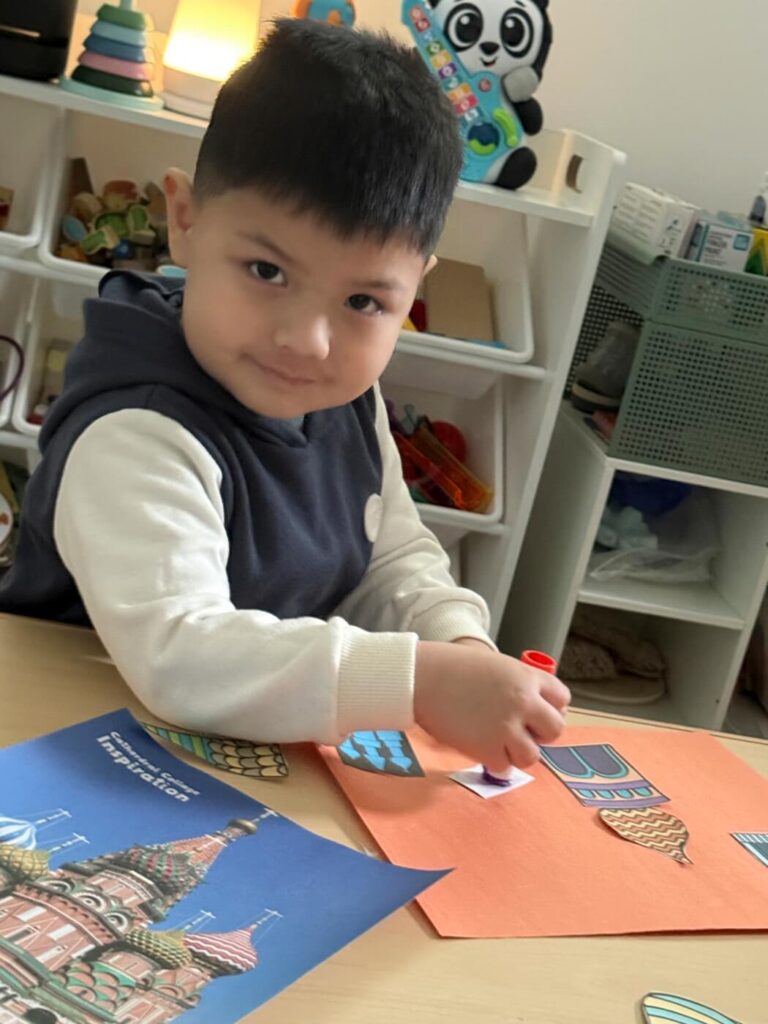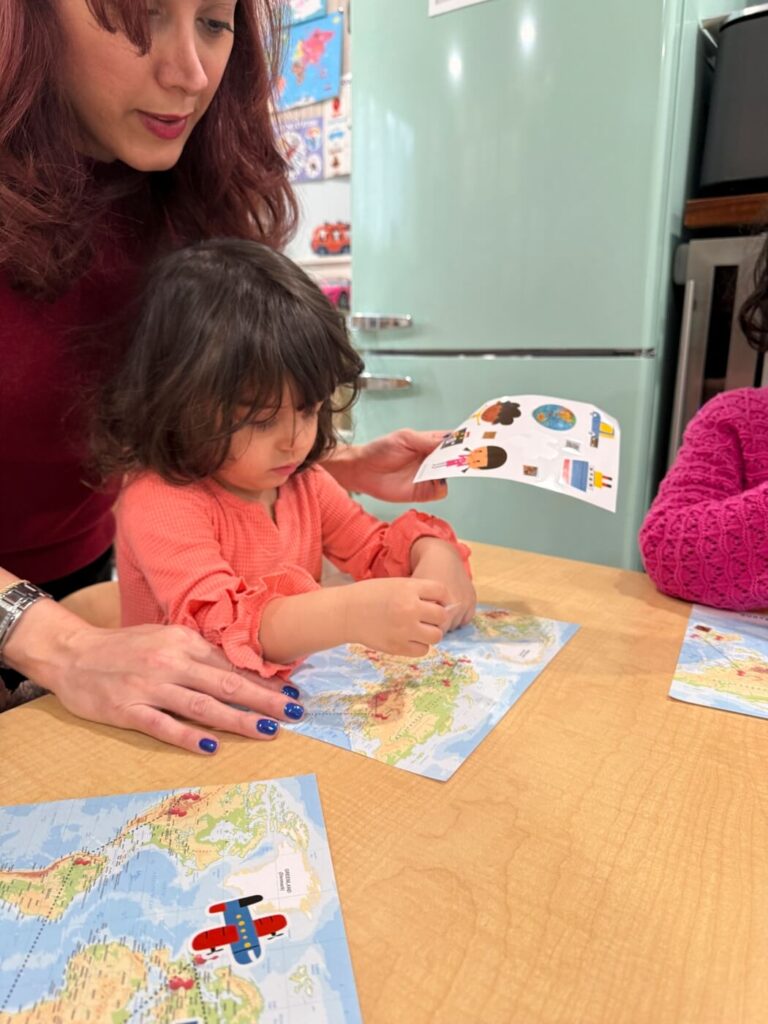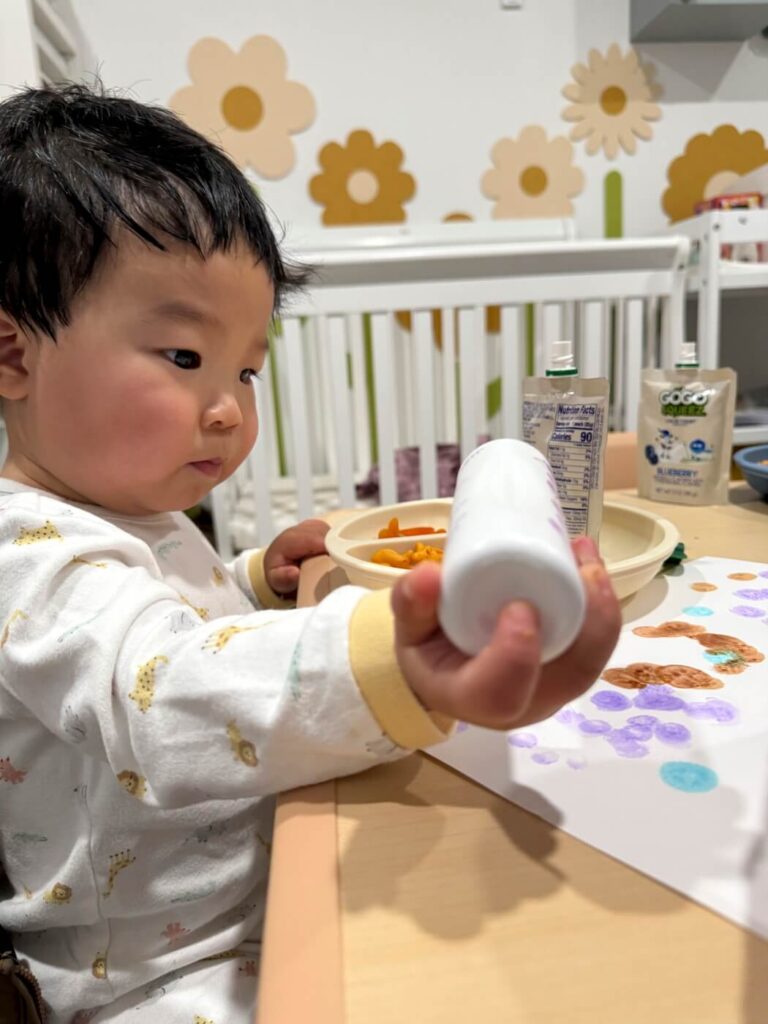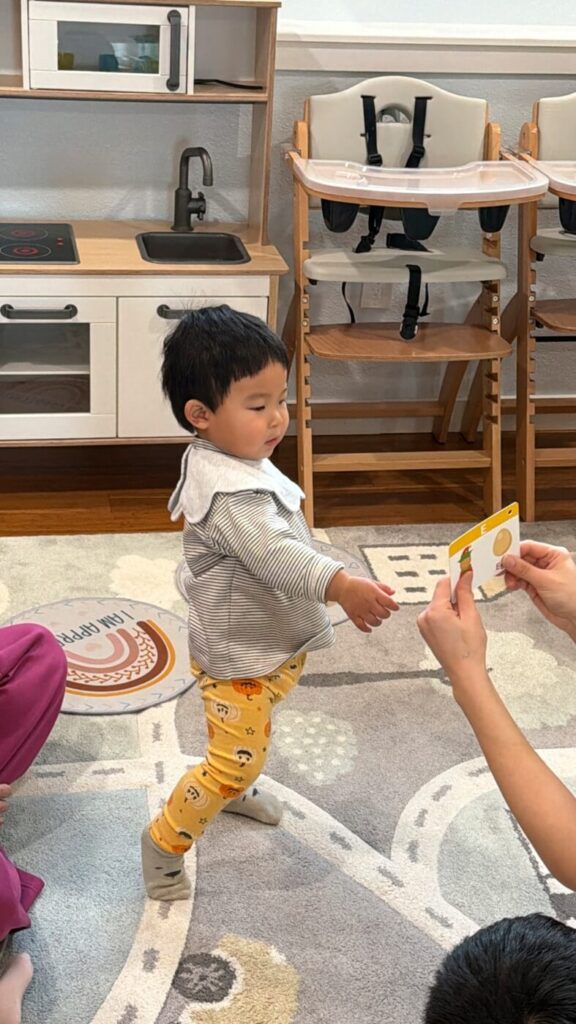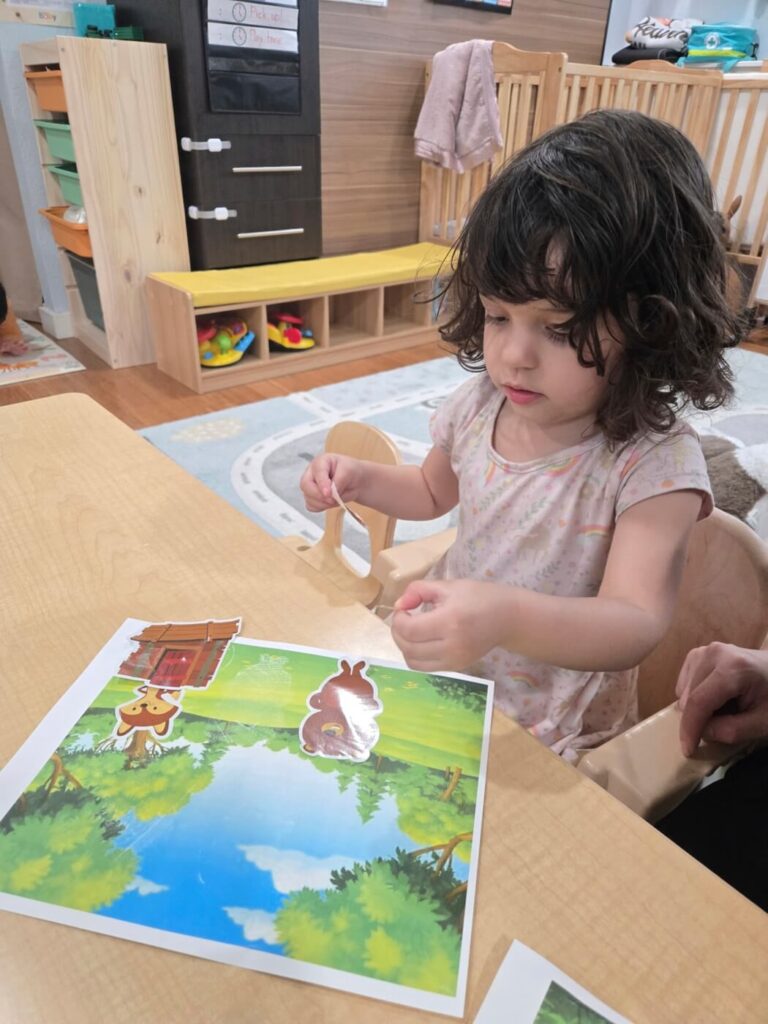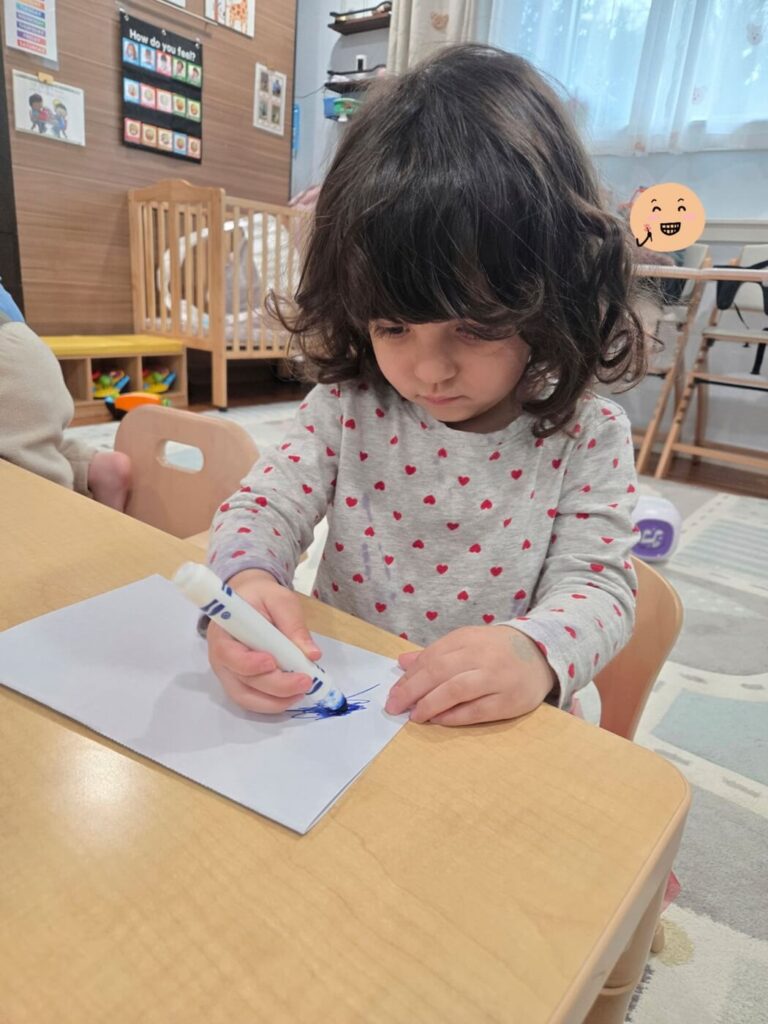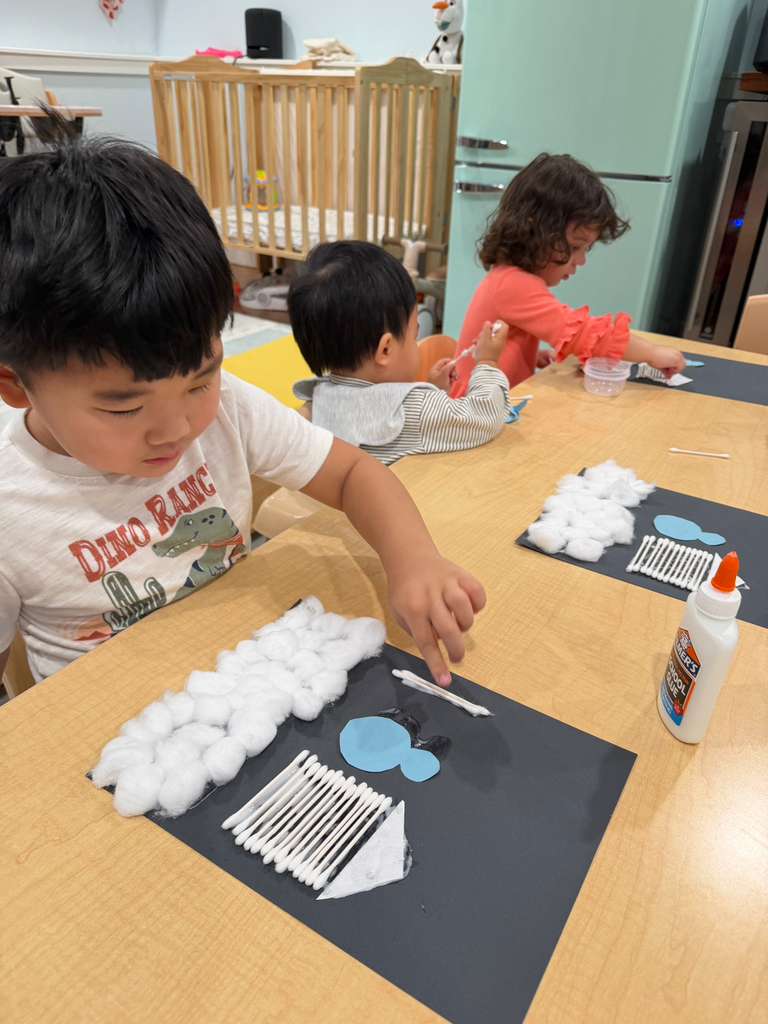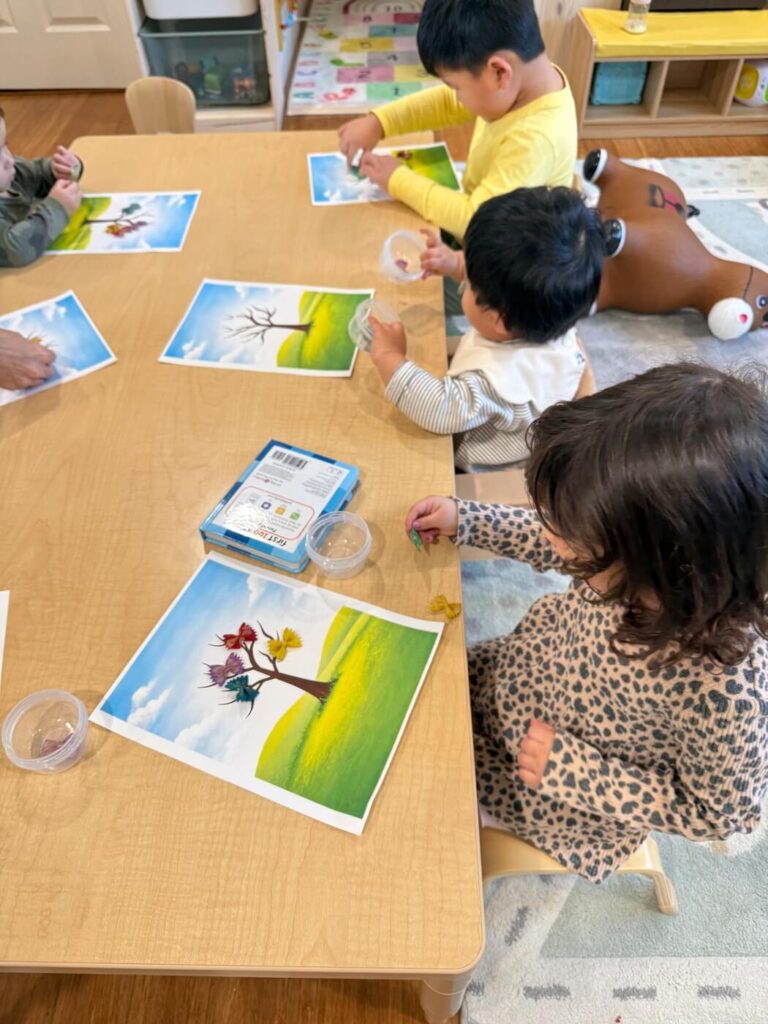
Teaching Responsibility in Daycare Without Pressure or Rewards

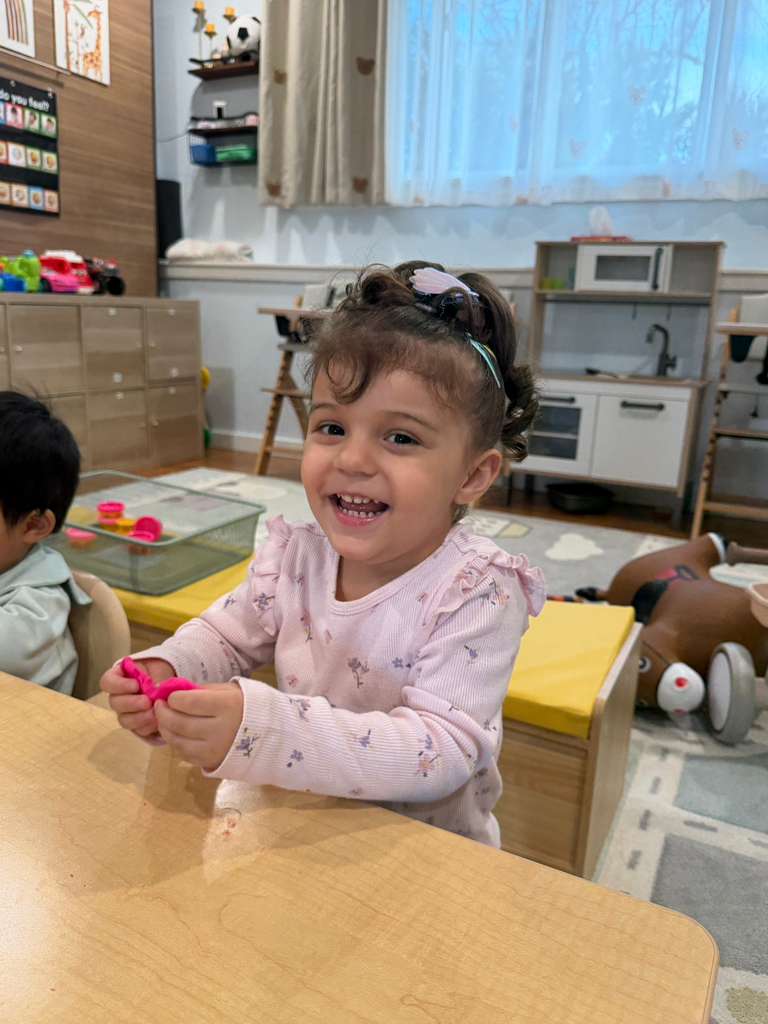
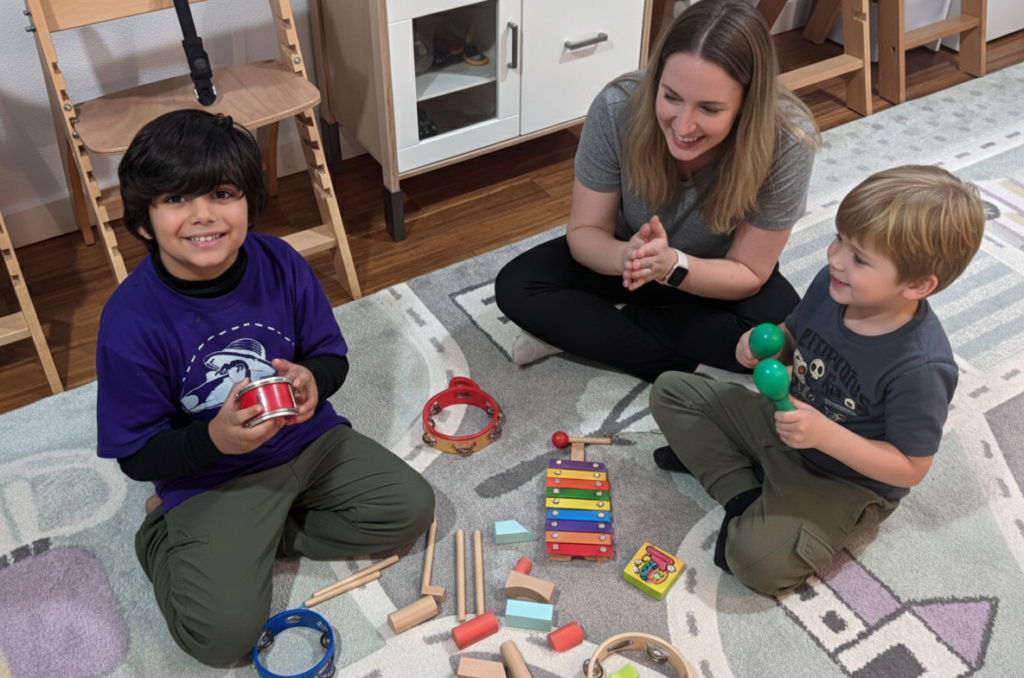
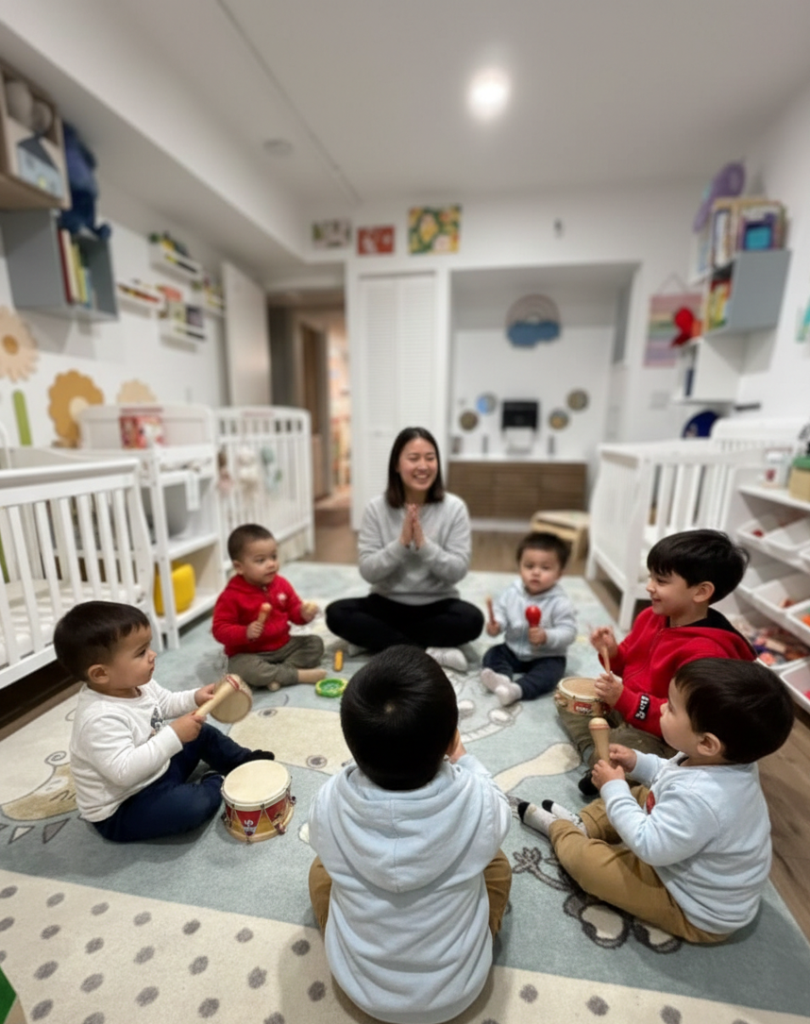
child cleaning up toys independently in daycare

Responsibility is not something children learn through rewards, punishments, or pressure. Instead, it develops naturally when children are given opportunities to make choices, experience consequences, and feel trusted within a supportive environment.

In high-quality early learning settings, responsibility is nurtured through intrinsic motivation, not external control. This approach aligns with modern childcare standards, including the Washington Administrative Code (WAC), which emphasizes emotional development, guidance, and positive behavior support.

This article explores how daycare environments can effectively teach responsibility without relying on reward charts or punishment systems.

What Does Responsibility Mean in Early Childhood?

Responsibility in young children looks very different from adult expectations. It includes small but meaningful behaviors such as:

  • Putting toys away after use
  • Taking turns during group play
  • Following simple routines
  • Recognizing how actions affect others

At this stage, responsibility is about awareness and participation, not perfection.

Children develop responsibility gradually when they feel:

  • Safe
  • Respected
  • Capable

This foundation is essential for long-term independence and decision-making.

Why Reward and Punishment Systems Fall Short

Many traditional systems rely on stickers, time-outs, or verbal praise tied to outcomes. While these methods may create short-term compliance, they often weaken long-term responsibility.

Dependence on External Rewards

Children begin to act only when a reward is offered, rather than understanding why behavior matters.

Reduced Internal Motivation

Over time, children may lose their natural desire to help, cooperate, or take initiative.

Fear-Based Behavior

Punishment can lead to avoidance, anxiety, or dishonesty instead of genuine accountability.

Research in early childhood education shows that intrinsic motivation leads to more consistent and meaningful behavior development.
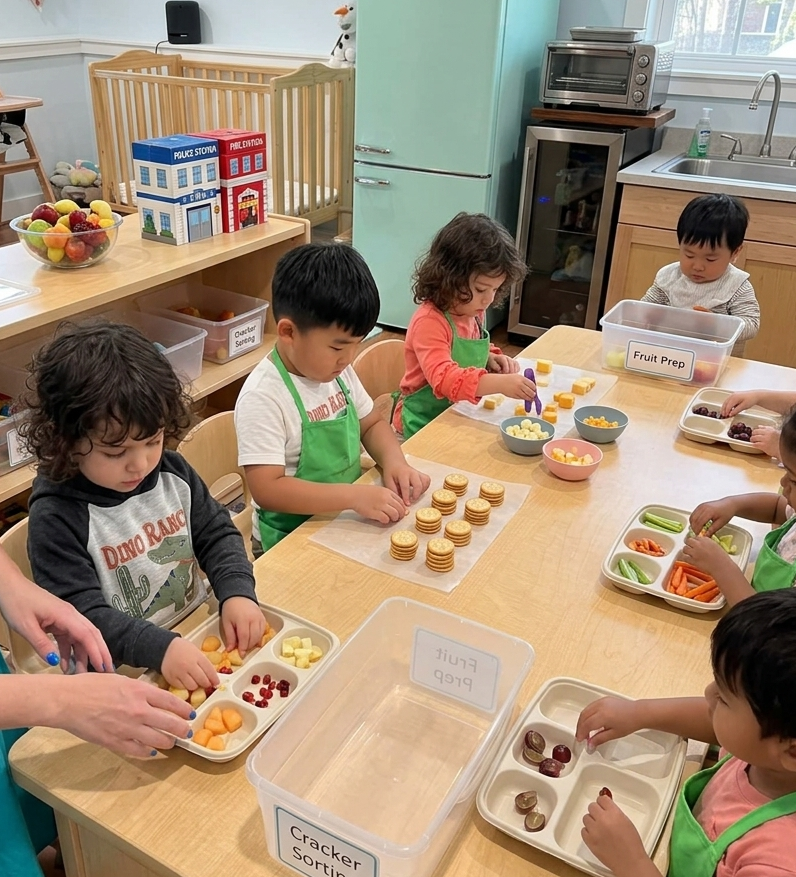
child helping prepare snack in daycare

The Science of Intrinsic Motivation

Intrinsic motivation refers to doing something because it feels meaningful—not because of a reward.

In early childhood, this develops when children experience:

  • Autonomy (having choices)
  • Competence (feeling capable)
  • Connection (feeling understood and supported)

When these needs are met, children naturally take responsibility for their actions.

How Daycare Environments Encourage Responsibility Naturally

A well-designed daycare environment plays a critical role in shaping behavior.

Predictable Routines

Consistent schedules help children understand expectations and participate independently.

Accessible Materials

When toys and tools are within reach, children can clean up and organize without assistance.

Clear Expectations

Simple, consistent guidance helps children know what is expected without confusion.

These elements create an environment where responsibility becomes part of daily life.

The Role of Caregivers in Modeling Responsible Behavior

Children learn more from what adults do than what they say.

Caregivers support responsibility by:

  • Demonstrating respectful behavior
  • Taking responsibility for their own actions
  • Speaking calmly and clearly
  • Acknowledging mistakes openly

Modeling teaches children that responsibility is a shared and valued behavior—not a forced requirement.

Using Natural Consequences Instead of Punishment

Natural consequences allow children to understand the real impact of their actions.

Examples:

  • A toy left outside may not be available later
  • Spilled water needs to be cleaned up
  • Interrupting others may delay their turn

These experiences are not punishments—they are learning opportunities.

Natural consequences help children connect actions with outcomes, building real accountability.
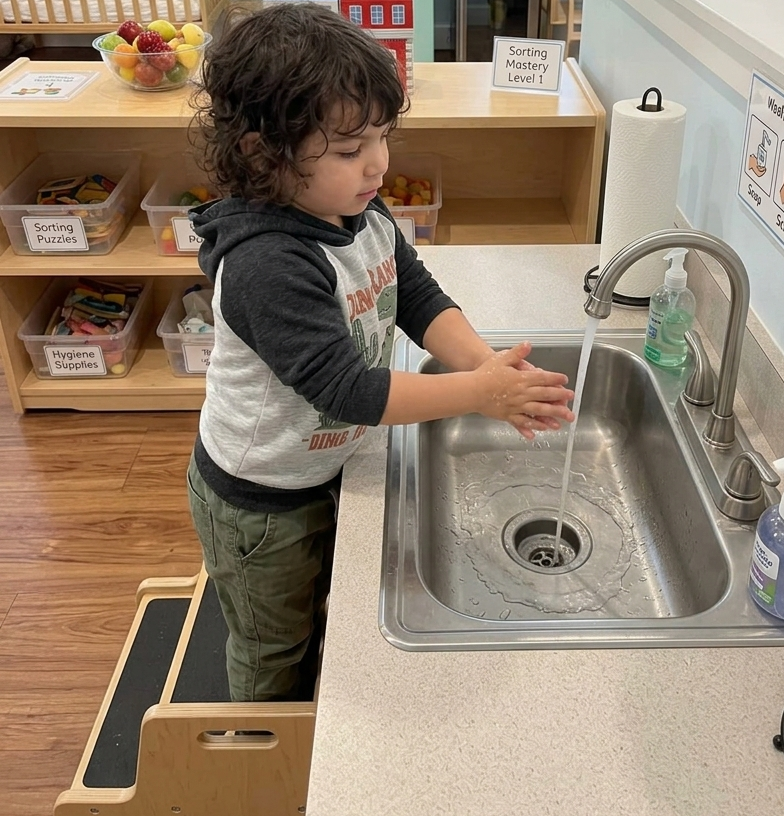
toddler washing hands without assistance

Creating a Structured Environment That Supports Responsibility

Structure does not mean strict control. It means clarity and consistency.

Effective structure includes:

  • Defined activity areas
  • Visual schedules
  • Consistent transitions
  • Calm and predictable responses

This type of environment reduces confusion and encourages children to take initiative.

Encouraging Independence Through Daily Routines

Daily routines are one of the most powerful tools for teaching responsibility.

Children can participate in:

  • Cleaning up after activities
  • Preparing snacks
  • Washing hands independently
  • Organizing personal belongings

Over time, these repeated actions build confidence and independence.

Building Emotional Awareness and Accountability

Responsibility is closely connected to emotional development.

Children need support in:

  • Recognizing their feelings
  • Understanding how actions affect others
  • Expressing themselves appropriately

When children develop emotional awareness, they are more likely to act responsibly without external pressure.

Aligning with Washington State WAC Childcare Guidelines

Washington Administrative Code (WAC) emphasizes:

  • Positive behavior guidance
  • Developmentally appropriate practices
  • Emotional and social development
  • Safe and supportive learning environments

Teaching responsibility without rewards or punishment aligns directly with these principles by focusing on:

  • Respectful interactions
  • Natural learning processes
  • Child-centered development

This approach ensures compliance while promoting long-term growth.

Practical Strategies for Teaching Responsibility Without Rewards

Offer Meaningful Choices

Allow children to choose between options to build autonomy.

Use Encouraging Language

Focus on effort and process rather than outcomes.

Be Consistent

Consistency helps children understand expectations clearly.

Allow Time for Learning

Children need time to practice responsibility without pressure.

Focus on Guidance, Not Control

Support children rather than directing every action.

Common Mistakes to Avoid

  • Overusing praise or rewards
  • Expecting adult-level responsibility
  • Reacting emotionally instead of calmly
  • Inconsistency in expectations
  • Ignoring the child’s developmental stage

Avoiding these mistakes ensures a more effective and supportive learning environment.

Conclusion

Teaching responsibility in daycare without pressure or rewards is not only possible—it is more effective in the long term. By focusing on intrinsic motivation, natural consequences, and supportive environments, children develop genuine accountability and independence.

Rather than relying on control systems, high-quality childcare programs create conditions where responsibility grows naturally through experience and trust.

At Kido Heaven, we believe that children thrive when they are respected, supported, and empowered. As a trusted daycare Bothell and reliable child care Bothell provider, our approach to early learning focuses on building responsibility through guidance, structure, and meaningful daily experiences—helping every child grow into a confident and capable individual.

Why KidoHeaven Stands Out

✅ Licensed in Washington State
✅ Aligned with Early Achievers standards
✅ Working Connections subsidy accepted
✅ Daily updates via Brightwheel
✅ Located in Bothell, serving Mill Creek, Lynnwood & nearby areas
✅ Nutritious snacks, safe outdoor space, & positive mealtime routines

📞 Call 206-734-2040 to schedule a tour
🌐 Enroll now

Follow Our Mealtime Moments

Stay updated with more beautiful outdoor meals and daily learning routines on:

Instagram | Facebook | Nextdoor | Yelp | Winnie | YouTube | Upwards

FAQ

1. How do children learn responsibility without rewards?

Children learn through experience, guidance, and natural consequences rather than external incentives.

2. Are rewards always harmful?

Occasional encouragement is fine, but reliance on rewards can reduce intrinsic motivation.

3. What age should responsibility be taught?

Responsibility begins in infancy through simple routines and interactions.

4. How can parents support this approach at home?

Parents can provide consistent routines, allow natural consequences, and encourage independence.

5. Is this method effective long-term?

Yes, it leads to stronger independence, better decision-making, and emotional resilience.


From Chaos to Calm in Daycare: The Role of Predictable Environments

structured childcare environment play area

Young children thrive in environments where they know what to expect. In many daycare settings, however, the day can sometimes feel unpredictable and overwhelming. Noise, transitions, and unclear expectations can quickly lead to confusion and stress for children.

Creating predictable environments in daycare transforms these chaotic moments into calm, structured experiences. When routines, consistency, and clear expectations are in place, children feel secure, focused, and ready to learn. This article explores how structured childcare environments support emotional development, improve behavior, and foster a strong sense of belonging.

What Is a Predictable Environment in Daycare?

A predictable environment is one where children can anticipate what will happen next. It includes consistent routines, organized spaces, and clear behavioral expectations.

Key Characteristics

  • Consistent daily schedules
  • Clear transitions between activities
  • Organized classroom layout
  • Repeated patterns of interaction

In a structured childcare environment, children are not left guessing. Instead, they gain confidence because they understand their surroundings.

Why Chaos Happens in Childcare Settings

Even the most experienced educators may encounter moments of disorder. Understanding the root causes helps prevent them.

Common Causes of Chaos

  • Lack of clear routines
  • Sudden transitions
  • Overstimulating environments
  • Unclear expectations

Without structure, children may struggle to regulate emotions, leading to frustration or disruptive behavior.

children learning in calm classroom daycare

How Predictable Environments Reduce Chaos in Daycare

Predictability provides stability. When children know what comes next, anxiety decreases and cooperation increases.

Benefits of Reducing Chaos

  • Less behavioral disruption
  • Improved transitions
  • Increased participation
  • Better peer interaction

A calm classroom daycare environment allows children to feel in control, which reduces stress and promotes positive behavior.

The Role of Daily Routines in Child Development

A well-planned daycare routine for children is the foundation of predictability.

Why Routines Matter

  • Help children understand time and sequence
  • Provide emotional security
  • Encourage independence

Examples of Effective Routines

  • Morning welcome rituals
  • Scheduled play and learning blocks
  • Consistent meal and rest times

The benefits of routine in daycare extend beyond behavior—they directly impact cognitive and emotional growth.

Supporting Emotional Regulation in Children

Children are still learning how to manage their emotions. Predictable environments make this process easier.

How Structure Supports Emotional Growth

  • Reduces anxiety and uncertainty
  • Creates safe emotional boundaries
  • Encourages self-control

When children feel safe, they are better able to express emotions appropriately and recover from challenges more quickly.

How Structure Improves Child Focus in Daycare

Focus is a skill that develops over time, and the environment plays a major role.

Factors That Improve Focus

  • Clear expectations
  • Minimal distractions
  • Organized learning areas

A consistent classroom structure helps enhance children’s focus in daycare, allowing children to stay engaged in activities longer.

Building a Sense of Belonging in Childcare

Children need to feel that they are part of a community.

Ways Predictability Builds Belonging

  • Familiar routines create comfort
  • Consistent caregivers build trust
  • Group activities encourage connection

A strong sense of belonging in childcare leads to higher confidence and better social skills.

predictable environment in daycare classroom

Key Elements of a Structured Childcare Environment

1. Consistent Schedules

Daily routines should follow a predictable pattern.

2. Clear Expectations

Children should understand rules and boundaries.

3. Organized Physical Space

Defined areas for play, learning, and rest reduce confusion.

4. Smooth Transitions

Using cues like songs or visual schedules helps children move between activities calmly.

Practical Strategies for Creating Calm Classrooms

Use Visual Schedules

Pictures help children understand the daily plan.

Establish Transition Rituals

Simple cues like music or countdowns prepare children for change.

Maintain Consistency

Keep routines stable even when introducing new activities.

Reduce Overstimulation

Limit noise and clutter to create a peaceful environment.

These strategies are essential for reducing chaos in daycare and maintaining a balanced classroom.

Aligning with Washington State (WAC) Childcare Standards

High-quality childcare programs follow structured guidelines to ensure safety and development.

Key Considerations

  • Consistent supervision and routines
  • Developmentally appropriate activities
  • Safe and organized environments

Following WAC standards ensures that children receive care in environments designed to support both learning and well-being.

Long-Term Benefits of Predictable Environments

The impact of structured environments goes far beyond daycare years.

Lasting Outcomes

  • Stronger emotional regulation
  • Improved academic readiness
  • Better social relationships
  • Increased independence

Children who experience structured environments early develop skills that support lifelong success.

Conclusion

Transforming a daycare environment from chaos to calm is not about strict control—it is about thoughtful structure. Predictable environments give children the tools they need to succeed emotionally, socially, and cognitively.

By implementing consistent routines, clear expectations, and supportive classroom structures, caregivers create spaces where children feel safe, confident, and ready to learn.

At Kido Heaven, we proudly provide high-quality daycare Bothell families trust. Our child care Bothell programs are designed to create calm, predictable classrooms that support emotional well-being, encourage learning, and help children develop a strong sense of belonging.

Why KidoHeaven Stands Out

✅ Licensed in Washington State
✅ Aligned with Early Achievers standards
✅ Working Connections subsidy accepted
✅ Daily updates via Brightwheel
✅ Located in Bothell, serving Mill Creek, Lynnwood & nearby areas
✅ Nutritious snacks, safe outdoor space, & positive mealtime routines

📞 Call 206-734-2040 to schedule a tour
🌐 Enroll now

Follow Our Mealtime Moments

Stay updated with more beautiful outdoor meals and daily learning routines on:

Instagram | Facebook | Nextdoor | Yelp | Winnie | YouTube | Upwards

FAQ

1. Why are predictable environments important in daycare?

They help children feel safe, reduce anxiety, and improve focus and behavior.

2. How do routines affect child development?

Routines provide stability, support emotional growth, and encourage independence.

3. Can too much structure limit creativity?

No. A balanced structure actually supports creativity by providing a secure foundation.

4. How can caregivers reduce chaos in daycare?

By implementing consistent routines, clear expectations, and organized classroom layouts.

5. What is the best way to improve focus in young children?

Creating a structured, distraction-free environment with predictable routines is key.


How Children Learn Self-Regulation Through Consistent Classroom Structure

Organized daycare classroom promoting focus and calm

Self-regulation is one of the most critical skills children develop in early childhood. It affects how they manage emotions, control impulses, and respond to challenges. However, self-regulation is not something children are simply taught—it is something they develop naturally through consistent experiences.

One of the most effective ways to support this development is through a consistent classroom structure. When children are exposed to predictable environments, clear expectations, and stable routines, they gradually learn how to regulate their own behavior without relying on rewards or punishment.

What Is Self-Regulation in Early Childhood?

Self-regulation refers to a child’s ability to:

  • Manage emotions
  • Control impulses
  • Focus attention
  • Adapt behavior to different situations

In early childhood, these skills are still developing. Children rely heavily on their environment and caregivers to guide this process.

The Brain Science Behind Self-Regulation

Self-regulation is closely linked to the development of the prefrontal cortex—the part of the brain responsible for:

  • Decision-making
  • Impulse control
  • Emotional regulation

At the same time:

  • The amygdala responds quickly to emotional stimuli
  • Neural pathways are still forming
  • Executive function skills are immature

This is why young children need structured environments to support their development.

Why Young Children Struggle With Impulse Control

Impulse control does not come naturally to young children. Challenges include:

  • Limited ability to delay gratification
  • Strong emotional reactions
  • Difficulty shifting attention
  • Underdeveloped executive functioning

Without a consistent structure, children may feel overwhelmed and unable to regulate their behavior effectively.

Caregiver guiding child through emotional regulation

How Consistent Classroom Structure Supports Self-Regulation

Predictable Environments

Consistency reduces uncertainty. When children know what to expect, their stress levels decrease, making it easier to manage emotions.

Clear Expectations

Structured classrooms provide clear behavioral boundaries. Children understand:

  • What is expected
  • What comes next
  • How to behave in different situations

Repeated Behavioral Patterns

Through repeated experiences, children begin to internalize appropriate behaviors. Over time, external structure becomes internal control.

Structure vs. Discipline: A Developmental Perspective

Traditional discipline often relies on rewards and consequences. However, research shows that:

  • External control does not build internal regulation
  • Children learn best through consistent environments
  • Emotional safety is more effective than punishment

Structure provides guidance without fear, allowing children to develop self-regulation naturally.

Key Elements of a Structured Classroom

Physical Environment

A well-organized classroom includes:

  • Clearly defined areas (play, learning, rest)
  • Accessible materials
  • Minimal clutter

This reduces overstimulation and supports focus.

Time Structure

Consistent daily schedules help children anticipate what comes next, reducing anxiety and improving cooperation.

Behavioral Modeling

Caregivers model calm, regulated behavior. Children learn by observing:

  • Emotional responses
  • Problem-solving strategies
  • Social interactions

How Structure Builds Impulse Control Naturally

Impulse control develops gradually through:

  • Repeated exposure to expectations
  • Opportunities to practice waiting and turn-taking
  • Consistent feedback from caregivers

Over time, children move from external guidance to internal self-control.

The Role of Caregivers in Co-Regulation

Before children can regulate themselves, they rely on co-regulation—the process where caregivers help manage emotions.

Effective caregivers:

  • Respond calmly to behavior
  • Provide reassurance
  • Guide emotional responses

In a safe daycare environment in Bothell, caregivers are trained to support co-regulation through structured interactions.

Children follow structured classroom routine calmly

WAC Guidelines and Structured Learning Environments

Washington Administrative Code (WAC) emphasizes:

  • Consistent daily schedules
  • Developmentally appropriate practices
  • Safe and predictable environments

These standards ensure that childcare settings support both safety and emotional development, including self-regulation.

Signs a Child Is Developing Self-Regulation

Indicators include:

  • Ability to wait briefly
  • Improved emotional control
  • Following simple instructions
  • Recovering from frustration more quickly

These signs reflect growing independence and emotional maturity.

Common Mistakes That Disrupt Self-Regulation

Inconsistent Environments

Unpredictability increases stress and reduces a child’s ability to regulate behavior.

Overstimulation

Too many activities or sensory inputs can overwhelm children.

Reliance on Rewards/Punishment

External motivation does not build internal control.

Supporting Self-Regulation at Home

Parents can reinforce self-regulation by:

  • Maintaining consistent routines
  • Setting clear expectations
  • Modeling calm behavior
  • Allowing children time to practice self-control

Consistency between home and daycare strengthens development.

Choosing the Right Daycare for Self-Regulation Development

When selecting a childcare provider, look for:

  • Structured classroom environments
  • Trained caregivers
  • Consistent schedules
  • Focus on emotional development

A professional child care service in Bothell providers should prioritize structure as a foundation for self-regulation.

You can also explore our child care programs to see how structured environments support children’s emotional and behavioral growth.

Conclusion

Self-regulation is not taught through instruction alone—it is developed through experience. Consistent classroom structure provides the foundation children need to build impulse control, manage emotions, and navigate their environment confidently.

By creating predictable, supportive environments, caregivers help children internalize these skills naturally. Over time, this leads to greater independence, confidence, and long-term success.

For families searching for a high-quality daycare in Bothell, choosing a structured environment can make a significant difference in a child’s ability to develop self-regulation skills. A well-designed child care program in Bothell focuses not only on supervision but on emotional and behavioral growth.

At Kido Heaven early learning center, structured classrooms are thoughtfully designed to support self-regulation, helping children grow emotionally, socially, and cognitively.

Why KidoHeaven Stands Out

✅ Licensed in Washington State
✅ Aligned with Early Achievers standards
✅ Working Connections subsidy accepted
✅ Daily updates via Brightwheel
✅ Located in Bothell, serving Mill Creek, Lynnwood & nearby areas
✅ Nutritious snacks, safe outdoor space, & positive mealtime routines

📞 Call 206-734-2040 to schedule a tour
🌐 Enroll now

Follow Our Mealtime Moments

Stay updated with more beautiful outdoor meals and daily learning routines on:

Instagram | Facebook | Nextdoor | Yelp | Winnie | YouTube | Upwards

FAQ

1. What is self-regulation in children?

It is the ability to manage emotions, control impulses, and adapt behavior.

2. How does classroom structure help self-regulation?

It provides predictability and consistency, which reduces stress and supports learning.

3. Can self-regulation be taught without discipline?

Yes, structured environments and caregiver support are more effective than punishment.

At what age do children develop self-regulation?

It begins in infancy and develops gradually through early childhood.

Why is self-regulation important?

It supports academic success, social skills, and emotional well-being.


Why Repetition Matters in Early Childhood Learning

Structured classroom environment encouraging repeated learning

Repetition is one of the most powerful mechanisms in early childhood learning. Far beyond simple practice, repetition plays a critical role in shaping the brain’s architecture, strengthening neural connections, and supporting long-term mastery.

In early childhood environments, children learn not through one-time exposure but through repeated experiences that reinforce understanding and build confidence. When used intentionally, repetition helps children internalize skills, regulate emotions, and develop a strong foundation for lifelong learning.

What Is Repetition in Early Childhood Learning?

Repetition refers to the consistent exposure to similar experiences, patterns, or information over time. In early childhood, repetition is not about memorization—it is about reinforcing neural pathways through experience.

Children naturally seek repetition because it helps them:

  • Understand how things work
  • Build familiarity with their environment
  • Gain confidence in their abilities

This process is essential for both cognitive and emotional development.

The Neuroscience Behind Repetition and Brain Development

During early childhood, the brain forms millions of neural connections every second. These connections are strengthened through repeated activation.

Key neurological principles include:

  • Synaptic strengthening: Repeated experiences reinforce neural pathways
  • Neuroplasticity: The brain adapts and reorganizes based on repeated input
  • Myelination: Practice improves the speed and efficiency of neural communication

Without repetition, many of these connections weaken or disappear. With repetition, they become stronger and more permanent.

Child repeating a learning activity in daycare

How Repetition Strengthens Neural Connections

Every time a child repeats an action or experience, the brain processes that information more efficiently.

This leads to:

  • Faster learning
  • Improved memory retention
  • Increased confidence in performing tasks

For example, when a child repeats a simple activity multiple times, the brain gradually reduces the effort required, allowing the child to focus on more complex aspects of learning.

Repetition and Mastery Through Practice

Mastery is not achieved through exposure alone—it requires repetition over time. In early childhood, mastery means:

  • Understanding concepts deeply
  • Performing tasks independently
  • Applying knowledge in new situations

Repetition allows children to move from:

  1. Exploration
  2. Familiarity
  3. Confidence
  4. Mastery

This progression is essential for building lifelong learning skills.

The Role of Repetition in Emotional and Cognitive Development

Repetition supports more than just learning—it also plays a key role in emotional stability.

Cognitive Benefits

  • Strengthens memory
  • Improves focus
  • Enhances problem-solving skills

Emotional Benefits

  • Builds confidence
  • Reduces uncertainty
  • Supports emotional regulation

When children encounter familiar experiences repeatedly, they feel more secure and capable.

Repetition vs. Routine vs. Transitions (Key Differences)

To avoid confusion—and prevent content overlap—it’s important to distinguish these concepts:

  • Repetition: Strengthens learning through repeated exposure
  • Routines: Provide structure and predictability throughout the day
  • Transitions: Manage movement between activities

👉 Repetition focuses on learning and brain development, not daily structure or activity changes.

How Repetition Reduces Anxiety and Builds Confidence

Repetition creates familiarity, and familiarity reduces fear. When children know what to expect:

  • Anxiety decreases
  • Participation increases
  • Emotional resilience improves

Repeated experiences give children a sense of control, which is essential for emotional well-being.

The Role of Caregivers in Supporting Repetition

Caregivers play a crucial role in ensuring that repetition is meaningful and effective.

They support repetition by:

  • Providing consistent learning experiences
  • Encouraging practice without pressure
  • Allowing children to revisit activities naturally
  • Reinforcing learning through positive feedback

In a daycare for infants and toddlers in Bothell, structured repetition is integrated into daily learning to support both brain development and emotional growth.

WAC Guidelines and Consistent Learning Environments

Washington Administrative Code (WAC) emphasizes:

  • Developmentally appropriate practices
  • Consistent learning environments
  • Support for individual learning pace

Repetition aligns with these guidelines by allowing children to learn at their own speed while ensuring consistent exposure to key concepts.

Toddler practicing a skill with caregiver guidance

Common Misconceptions About Repetition

“Repetition is boring.”

In reality, children often seek repetition because it builds confidence and understanding.

“Children learn best from new experiences only.”

While novelty is important, learning is reinforced through repetition.

“Too much repetition limits creativity.”

On the contrary, mastery through repetition allows children to explore creativity more freely.

How Parents Can Support Repetition at Home

Parents can reinforce learning by:

  • Allowing children to repeat activities
  • Maintaining consistent daily habits
  • Encouraging practice without forcing it
  • Providing a stable and predictable environment

Simple repeated interactions can have a lasting impact on development.

Choosing a Learning Environment That Supports Repetition

A high-quality childcare environment should:

  • Encourage repeated learning experiences
  • Support individual pacing
  • Provide consistent caregiver interaction
  • Align with developmental best practices

A trusted childcare center in Bothell will understand the importance of repetition and integrate it naturally into daily learning.

You can also learn more about our daycare programs to see how repetition supports early childhood development in a structured environment.

Conclusion

Repetition is a fundamental building block of early childhood learning. It strengthens neural connections, supports mastery, and fosters emotional confidence.

By providing consistent and repeated experiences, caregivers and parents help children build a strong foundation for future learning. When combined with supportive environments and evidence-based practices, repetition becomes a powerful tool for both cognitive and emotional development.

At Kido Heaven daycare, repetition is thoughtfully integrated into daily learning to help children grow with confidence, stability, and a strong sense of capability.

Why KidoHeaven Stands Out

✅ Licensed in Washington State
✅ Aligned with Early Achievers standards
✅ Working Connections subsidy accepted
✅ Daily updates via Brightwheel
✅ Located in Bothell, serving Mill Creek, Lynnwood & nearby areas
✅ Nutritious snacks, safe outdoor space, & positive mealtime routines

📞 Call 206-734-2040 to schedule a tour
🌐 Enroll now

Follow Our Mealtime Moments

Stay updated with more beautiful outdoor meals and daily learning routines on:

Instagram | Facebook | Nextdoor | Yelp | Winnie | YouTube | Upwards

FAQ

1. Why do children repeat the same activities?

Repetition helps strengthen neural connections and build confidence.

2. How does repetition affect brain development?

It reinforces neural pathways, making learning faster and more efficient.

3. Can too much repetition be harmful?

Not when it is child-led and balanced with new experiences.

4. How is repetition different from routine?

Repetition supports learning, while routines provide daily structure.

5. What role do caregivers play in repetition?

They create consistent opportunities for children to practice and reinforce learning.


The Science of Transitions: Helping Children Move Smoothly

Structured daycare classroom with transition cues visible

Transitions are a fundamental part of a child’s daily experience. Whether moving from playtime to mealtime or from home to daycare, these moments of change can significantly impact a child’s emotional state. The science of transitions shows that children are highly sensitive to change, and without proper support, transitions can lead to stress, anxiety, and behavioral challenges.

Understanding the neuropsychological mechanisms behind transitions allows caregivers and parents to create smooth shifts that promote emotional stability and reduce anxiety. In high-quality daycare environments, transitions are carefully structured to align with developmental science and Washington Administrative Code (WAC) standards.

What Are Transitions in Early Childhood?

Transitions refer to any shift from one activity, environment, or emotional state to another. For young children, even small changes can feel significant because their brains are still developing the ability to regulate emotions and adapt to new situations.

Examples include:

  • Moving from free play to structured learning
  • Transitioning from home to daycare
  • Shifting from active play to rest time

These changes require children to adjust both cognitively and emotionally.

The Neuropsychological Science of Transitions

From a brain development perspective, transitions activate the prefrontal cortex—the area responsible for decision-making, attention, and self-regulation. However, in young children, this region is still immature.

At the same time:

  • The amygdala (emotional center) reacts quickly to change
  • Stress responses can be triggered by uncertainty
  • Executive functioning skills are still developing

This imbalance explains why transitions can feel overwhelming. Children rely on external support—routines, cues, and caregiver guidance—to navigate these changes successfully.

Why Transitions Trigger Stress and Anxiety

Several factors make transitions challenging:

Lack of Predictability

When children don’t know what comes next, their sense of control decreases, increasing anxiety.

Emotional Attachment

Leaving a preferred activity or caregiver can create resistance and distress.

Cognitive Load

Switching tasks requires mental effort that young children are still learning to manage.

Sensory Overload

Busy daycare environments can amplify stress during transitions.

Understanding these triggers is essential for designing effective strategies to reduce anxiety.

Child transitioning calmly between daycare activities

The Role of Predictability in Smooth Shifts

Predictability is one of the most powerful tools for creating smooth transitions. When children know what to expect:

  • Stress levels decrease
  • Cooperation increases
  • Emotional regulation improves

Consistent routines and clear signals help children mentally prepare for change, transforming transitions from stressful moments into manageable experiences.

Types of Transitions in Daycare Settings

Activity-to-Activity Transitions

These occur frequently throughout the day, such as moving from playtime to group learning. Without structure, these transitions can become chaotic.

Environmental Transitions

Examples include moving between indoor and outdoor spaces. These shifts often involve sensory changes that can affect behavior.

Social Transitions

Changes in caregivers, group dynamics, or peer interactions can also create emotional stress for children.

Evidence-Based Strategies for Smooth Transitions

Visual and Verbal Cues

Using consistent cues—such as countdowns, songs, or visual schedules—helps children anticipate change.

Examples:

  • “Five more minutes, then cleanup time.”
  • Picture schedules showing the next activity

Transition Rituals

Simple rituals create familiarity and comfort. These may include:

  • Singing a cleanup song
  • Using a specific phrase before moving activities
  • Group countdowns

Rituals act as emotional anchors during change.

Gradual Shifting Techniques

Instead of abrupt changes, gradual transitions allow children to adjust slowly.

For example:

  • Phasing out playtime step-by-step
  • Allowing children to finish tasks before moving on

Emotional Coaching

Caregivers play a key role in validating emotions:

  • Acknowledge feelings (“I know you want to keep playing”)
  • Offer reassurance
  • Guide behavior calmly

This approach builds emotional intelligence and resilience.

Toddler guided through transition with caregiver support

The Role of Caregivers in Managing Transitions

Caregivers are the primary regulators of a child’s experience during transitions. Their consistency, tone, and responsiveness directly influence how children react.

Effective caregivers:

  • Maintain structured routines
  • Use predictable language
  • Provide emotional support
  • Model calm behavior

In a safe daycare environment in Bothell, trained professionals implement these strategies to ensure smooth and stress-free transitions.

WAC Guidelines and Transition Management

Washington Administrative Code (WAC) emphasizes:

  • Structured daily schedules
  • Predictable routines
  • Developmentally appropriate practices

These guidelines ensure that childcare providers create environments where transitions are managed safely and effectively. Consistency is not just recommended—it is a regulatory expectation that supports children’s emotional well-being.

Common Transition Challenges and Solutions

Resistance to Change

Solution: Use advance warnings and offer choices.

Tantrums During Transitions

Solution: Provide emotional validation and consistent routines.

Difficulty Leaving Activities

Solution: Introduce gradual transitions and engaging follow-up activities.

Separation Anxiety

Solution: Establish consistent drop-off routines and caregiver reassurance.

How Parents Can Support Transitions at Home

Consistency between home and daycare is essential. Parents can:

  • Use similar routines and cues
  • Practice transitions during daily activities
  • Prepare children in advance for schedule changes

Simple habits—like giving warnings before transitions—can significantly reduce stress.

Choosing a Daycare That Supports Smooth Transitions

Not all daycare environments handle transitions effectively. When selecting a center, look for:

  • Structured routines
  • Trained caregivers
  • Calm and organized environments
  • Compliance with WAC standards

A professional child care services in Bothell provider should demonstrate clear transition strategies that prioritize emotional safety.

Conclusion

Transitions are more than just moments of change—they are critical opportunities to support a child’s emotional development. By understanding the science behind transitions, caregivers and parents can create environments that reduce anxiety and promote smooth shifts.

With the right combination of predictability, emotional support, and structured routines, transitions become manageable—and even positive—experiences for children.

At Kido Heaven early learning center, transitions are thoughtfully designed to support each child’s emotional well-being, ensuring a smooth, secure, and nurturing daycare experience.

Why KidoHeaven Stands Out

✅ Licensed in Washington State
✅ Aligned with Early Achievers standards
✅ Working Connections subsidy accepted
✅ Daily updates via Brightwheel
✅ Located in Bothell, serving Mill Creek, Lynnwood & nearby areas
✅ Nutritious snacks, safe outdoor space, & positive mealtime routines

📞 Call 206-734-2040 to schedule a tour
🌐 Enroll now

Follow Our Mealtime Moments

Stay updated with more beautiful outdoor meals and daily learning routines on:

Instagram | Facebook | Nextdoor | Yelp | Winnie | YouTube | Upwards

FAQ

1. Why are transitions difficult for young children?

Because their brains are still developing self-regulation skills, making it harder to adapt to change.

2. How can transitions be made easier in daycare?

Using predictable routines, visual cues, and emotional support helps children adjust smoothly.

3. What is the most effective transition strategy?

Combining advance warnings, consistent routines, and emotional validation is most effective.

4. How long does it take for children to adjust to transitions?

It varies, but consistent routines can significantly speed up adaptation.

5. Can poor transitions affect behavior?

Yes, unmanaged transitions can lead to anxiety, tantrums, and difficulty focusing.


How Daily Routines Shape Children’s Sense of Security in Daycare

Caregiver guiding children through daily schedule

Daily routines are more than just schedules—they are the foundation of a child’s emotional world. In daycare settings, routines provide predictability, helping children understand what comes next and reducing uncertainty. This sense of predictability is directly linked to a child’s sense of security, emotional stability, and overall development.

For infants, toddlers, and preschoolers, consistent daily routines act as an invisible framework that supports emotional safety. In a high-quality daycare environment, structured routines are intentionally designed to meet developmental needs while aligning with Washington Administrative Code (WAC) standards for childcare safety and consistency.

Why Emotional Security Matters in Early Childhood

Emotional security is the cornerstone of healthy development. When children feel safe, they are more likely to:

  • Explore their environment confidently
  • Build positive relationships
  • Develop language and cognitive skills
  • Regulate emotions effectively

Without a stable environment, children may experience stress, anxiety, or behavioral challenges. A predictable daycare routine helps reduce these risks by creating a reliable and nurturing atmosphere.

The Science Behind Predictability and Security

From a developmental psychology perspective, predictability activates a child’s sense of control. When children can anticipate what will happen next, their brains reduce stress responses and increase engagement.

Consistent routines help regulate:

  • Cortisol (stress hormone) levels
  • Emotional responses
  • Attention and focus

Research shows that structured environments improve not only emotional well-being but also early learning outcomes. Predictability supports neural pathways associated with memory, behavior, and emotional regulation.

Child happily following a structured daycare routine

How Daily Routines Create Emotional Safety

Consistency and Trust

Consistency builds trust between caregivers and children. When routines are repeated daily, children begin to associate caregivers with reliability and safety. This trust becomes the foundation for secure attachment.

Transition Management

Transitions—such as moving from playtime to mealtime—can be challenging. Predictable routines help children prepare mentally for changes, reducing frustration and resistance.

Reducing Anxiety

Uncertainty is one of the biggest triggers of anxiety in young children. A structured routine eliminates the fear of the unknown, replacing it with familiarity and comfort.

Types of Routines That Support Security

Morning Arrival Routines

A consistent drop-off routine helps children separate from parents more easily. This may include:

  • Greeting rituals
  • Putting belongings in designated areas
  • Starting with a familiar activity

These repeated actions signal safety and continuity.

Structured Play and Learning

Children thrive when learning and play follow a predictable pattern. Scheduled activities such as:

  • Circle time
  • Story sessions
  • Guided play

help children understand expectations and feel more in control.

Meal and Rest Times

Regular meal and nap schedules are critical for both physical and emotional regulation. Consistency in these routines:

  • Supports healthy sleep cycles
  • Stabilizes mood
  • Reduces behavioral issues

Departure Rituals

End-of-day routines provide closure. Saying goodbye in a consistent way helps children transition back home smoothly while reinforcing emotional security.

The Role of Caregivers in Reinforcing Stability

Caregivers are central to maintaining routine consistency. Their responsibilities include:

  • Following structured schedules
  • Using consistent language and cues
  • Providing emotional reassurance

In WAC-compliant daycare settings, caregivers are trained to create predictable environments that prioritize both safety and emotional well-being.

WAC Guidelines and Safe, Predictable Environments

Washington Administrative Code (WAC) emphasizes:

  • Structured daily schedules
  • Age-appropriate routines
  • Consistent caregiving practices

These regulations ensure that childcare environments are not only safe but also emotionally supportive. Predictability is a key requirement, helping children develop trust in their surroundings.

Preschool children participating in group routine activity

Balancing Flexibility with Structure

While routines are essential, flexibility is equally important. Children’s needs can vary daily, and caregivers must adapt while maintaining core structure.

The goal is to provide:

  • A predictable framework
  • Room for individual needs
  • Emotional responsiveness

This balance ensures both stability and personalization.

Signs a Child Feels Secure in Daycare

You can identify emotional security through behaviors such as:

  • Willingness to explore
  • Positive interaction with peers
  • Comfort with caregivers
  • Ability to handle transitions

These indicators show that routines are effectively supporting emotional development.

How Parents Can Support Routine at Home

Consistency between home and daycare strengthens a child’s sense of security. Parents can:

  • Maintain regular sleep schedules
  • Use similar mealtime routines
  • Practice predictable morning and bedtime rituals

This alignment reinforces the child’s understanding of structure and stability.

Choosing the Right Daycare Environment

When selecting a daycare, look for:

  • Structured daily schedules
  • Trained caregivers
  • Compliance with safety regulations
  • Emphasis on emotional development

A [trusted childcare center in Bothell] should prioritize both routine and emotional well-being, ensuring children feel safe and supported every day.

You can also learn more about our daycare programs to understand how structured routines contribute to early development.

Conclusion

Daily routines are not just organizational tools—they are essential for building a child’s inner sense of security. Through consistency, predictability, and emotional support, routines help children navigate their environment with confidence.

A well-structured daycare environment fosters emotional safety, reduces anxiety, and promotes healthy development. By combining expert caregiving with WAC-compliant practices, high-quality childcare centers create a foundation where children can truly thrive.

At the heart of this approach, Kido Heaven daycare provides a nurturing, structured environment designed to support emotional security and early learning for every child.

Why KidoHeaven Stands Out

✅ Licensed in Washington State
✅ Aligned with Early Achievers standards
✅ Working Connections subsidy accepted
✅ Daily updates via Brightwheel
✅ Located in Bothell, serving Mill Creek, Lynnwood & nearby areas
✅ Nutritious snacks, safe outdoor space, & positive mealtime routines

📞 Call 206-734-2040 to schedule a tour
🌐 Enroll now

Follow Our Mealtime Moments

Stay updated with more beautiful outdoor meals and daily learning routines on:

Instagram | Facebook | Nextdoor | Yelp | Winnie | YouTube | Upwards

FAQ

1. Why are routines important in daycare?

Routines provide predictability, which helps children feel safe, reduces anxiety, and supports emotional development.

2. How do routines affect a child’s behavior?

Consistent routines improve emotional regulation, reduce stress, and encourage positive behavior.

3. What happens if a daycare lacks structure?

Children may feel anxious, confused, and less secure, which can impact learning and social interactions.

4. How can I help my child adjust to daycare routines?

Maintain consistent schedules at home and communicate with caregivers to ensure alignment.

5. Are flexible routines better than strict schedules?

A balance is best—structured routines with flexibility for individual needs create optimal emotional security.


Preparing Your Child for Group Play in Childcare: A Complete Parent Guide

Teacher guiding small group circle time discussion

Preparing your child for group play in childcare is an essential step toward building confidence, social skills, and emotional readiness. From practicing sharing at home to developing toddler social skills and supporting preschooler group activities, early preparation makes the transition to daycare smoother and more positive. In this guide, parents will learn practical, research-based strategies to strengthen childcare readiness and help their child thrive in a structured group environment.

Why Group Play Matters in Early Childhood

Group play is one of the most powerful tools in early childhood development. Through structured and unstructured interaction with peers, children learn cooperation, communication, empathy, and problem-solving. These foundational abilities shape academic readiness, emotional health, and long-term social success.

In high-quality early learning environments, group experiences are intentionally designed to support social-emotional growth. According to developmental frameworks used across the United States, including early learning standards in Washington State, social interaction is central to healthy child development. Preparing your child for group play before entering a daycare setting strengthens their confidence and reduces transition stress.

For families seeking Daycare Bothell or child care Bothell, understanding group play preparation is a key part of ensuring childcare readiness.

Understanding Group Play by Developmental Stage

Children experience group play differently depending on age and developmental stage. Preparing effectively requires understanding what is age-appropriate.

Infants (0–12 Months)

Infants engage in what developmental psychologists call “parallel awareness.” While they may not actively play together, they observe one another closely. Babies watch facial expressions, mimic sounds, and begin forming early social connections.

At this stage, group play preparation focuses on:

  • Encouraging safe floor play near other babies
  • Supporting secure attachment
  • Modeling gentle touch
  • Talking through emotions (“You’re smiling at your friend!”)

Infant social development builds the neurological pathways necessary for later cooperation.

Toddlers (1–3 Years)

Toddlers typically engage in parallel play before gradually moving toward associative play. They may play side by side but struggle with sharing or waiting for their turn.

Developing toddler social skills involves:

  • Learning to say simple phrases like “my turn” or “help please.”
  • Practicing short turn-taking activities
  • Beginning to recognize emotions in others
  • Managing frustration with adult guidance

Tantrums during group play are developmentally normal. The goal is not perfection but progress.

Preschoolers (3–5 Years)

Preschoolers enter cooperative play stages. They create imaginary games, assign roles, and follow group rules. Preschooler group activities such as circle time, collaborative art, and building projects promote leadership and empathy.

At this age, children should be developing:

  • Conflict resolution skills
  • Emotional vocabulary
  • Ability to follow multi-step directions
  • Patience during group tasks

Preparation at this stage strengthens kindergarten readiness.

Preschool children participating in cooperative group activity

The Science Behind Group Play and Brain Development

Research in early childhood neuroscience shows that peer interaction stimulates the prefrontal cortex—the area responsible for decision-making, impulse control, and empathy. When children navigate sharing or solve small conflicts, neural connections strengthen.

Repeated positive social experiences improve:

  • Emotional regulation
  • Language development
  • Cognitive flexibility
  • Stress tolerance

These are lifelong skills. Group play preparation is therefore not just about behavior—it supports healthy brain architecture.

Group Play Preparation at Home: Practical Strategies for Parents

Parents play a critical role in childcare readiness. The home environment is the first training ground for social success.

Building Sharing and Turn-Taking Skills

Start small. Use everyday moments:

  • Take turns stacking blocks
  • Play simple board games
  • Use phrases like “Now it’s my turn, then yours.”
  • Set timers for fairness

Consistency matters. Short, positive practice sessions are more effective than long lectures.

Encouraging Emotional Regulation

Children cannot participate successfully in group play if they cannot manage big feelings. Support emotional regulation by:

  • Naming emotions daily
  • Modeling calm breathing
  • Creating predictable routines
  • Offering choices to build autonomy

When children feel secure, they cooperate more easily in childcare environments.

Teaching Communication Skills

Language reduces conflict. Encourage:

  • Using words instead of grabbing
  • Asking for help
  • Expressing needs clearly

Reading books about friendship and discussing characters’ emotions can reinforce these lessons.

Supporting Childcare Readiness Before the First Day

Preparing for daycare involves more than academic readiness. Emotional preparedness is essential.

Steps to improve childcare readiness include:

  • Visiting the childcare center beforehand
  • Meeting teachers together
  • Gradually adjusting nap schedules
  • Practicing short separations

Routine consistency between home and childcare supports smoother transitions.

Managing Separation Anxiety in Group Settings

Separation anxiety is developmentally normal, especially between 8 months and 3 years. It may resurface during new transitions.

Helpful strategies include:

  • Creating a consistent goodbye routine
  • Avoiding prolonged departures
  • Providing a comfort object
  • Staying calm and confident

Children mirror adult emotions. A predictable drop-off routine increases security.

Children sharing toys in structured classroom environment

Positive Behavior Guidance and Washington State Childcare Standards

High-quality childcare programs follow structured behavior guidance policies aligned with Washington Administrative Code (WAC) standards for early learning environments. These guidelines emphasize:

  • Positive reinforcement
  • Redirection instead of punishment
  • Developmentally appropriate expectations
  • Safe, supervised group interactions

Programs must maintain appropriate staff-to-child ratios and ensure environments support both safety and social learning. This structured framework ensures children practice group play within safe and nurturing boundaries.

Parents can support these standards at home by using consistent expectations and positive discipline strategies.

Partnering with Your Childcare Provider for Success

Effective group play preparation continues through collaboration. Parents should:

  • Communicate about their child’s temperament
  • Share any behavioral concerns
  • Ask about classroom routines
  • Reinforce daycare expectations at home

Consistency between home and childcare builds emotional security and reinforces learning.

Common Mistakes Parents Should Avoid

Even well-intentioned parents can unintentionally hinder social development. Avoid:

  • Forcing sharing before a child is developmentally ready
  • Comparing your child to peers
  • Over-scheduling structured activities
  • Dismissing emotional outbursts

Group play skills develop gradually. Patience and encouragement are more effective than pressure.

Conclusion: Helping Your Child Thrive at Kido Heaven

Preparing your child for group play in childcare is one of the most meaningful investments you can make in their development. By strengthening toddler social skills, encouraging preschooler group activities at home, and supporting emotional readiness, you help build the foundation for lifelong success.

At Kido Heaven, we are committed to nurturing confident, compassionate learners through structured group play and developmentally appropriate guidance. Our environment supports children at every stage—from infancy through preschool—while aligning with Washington State childcare standards.

If you are searching for trusted Daycare Bothell or high-quality child care Bothell, our team is here to partner with you in your child’s early learning journey.

Why KidoHeaven Stands Out

✅ Licensed in Washington State
✅ Aligned with Early Achievers standards
✅ Working Connections subsidy accepted
✅ Daily updates via Brightwheel
✅ Located in Bothell, serving Mill Creek, Lynnwood & nearby areas
✅ Nutritious snacks, safe outdoor space, & positive mealtime routines

📞 Call 206-734-2040 to schedule a tour
🌐 Enroll now

Follow Our Mealtime Moments

Stay updated with more beautiful outdoor meals and daily learning routines on:

Instagram | Facebook | Nextdoor | Yelp | Winnie | YouTube | Upwards

FAQ

1. At what age should I start group play preparation?

Preparation can begin in infancy through supervised peer exposure and emotional coaching.

2. What if my toddler refuses to share?

Sharing is a learned skill. Focus on turn-taking practice rather than forced sharing.

3. How long does it take for a child to adjust to daycare?

Adjustment periods vary. Many children adapt within 2–4 weeks with consistent routines.

4. Is separation anxiety a sign my child isn’t ready?

No. Separation anxiety is developmentally normal and often temporary.

5. How can I improve toddler social skills quickly?

Daily modeling, role-play, and consistent emotional coaching are most effective.

6. What are the signs of childcare readiness?

Basic communication, ability to follow simple directions, and gradual comfort with short separations.


The Benefits of Water Play for Young Children’s Growth

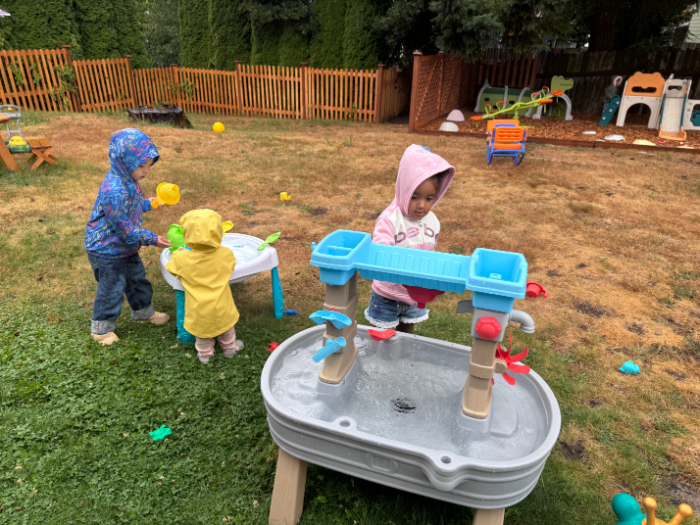
Children collaborating in outdoor water play activity

Water play is one of the most engaging and beneficial activities for young children, offering a range of physical, cognitive, emotional, and social benefits. From infants splashing in shallow tubs to preschoolers pouring and experimenting, water play encourages exploration, learning, and growth at every developmental stage. By providing sensory experiences, opportunities for problem-solving, and moments of social interaction, water play helps children build essential skills for lifelong learning.

For practical examples of structured water play activities, check out our previous post: Exploring Science Through Water Play at Kido Heaven Child Care.

Introduction

Water has a universal appeal for children. Its movement, texture, and sound provide natural sensory stimulation that captures attention and encourages exploration. Unlike screen-based activities or structured learning, water play is open-ended, allowing children to experiment freely, discover new concepts, and engage with their peers. Across all early childhood stages—from infancy to preschool—water play supports holistic development, including physical coordination, cognitive reasoning, language acquisition, emotional well-being, and social skills.

Water Play and Sensory Development

Water play is a powerful sensory experience, offering children the opportunity to engage multiple senses simultaneously.

Infant Sensory Exploration

For infants, water play is primarily about touch, sight, and sound. Splashing hands or kicking feet in shallow water introduces cause-and-effect learning. The varying temperatures, textures, and resistance of water provide tactile stimulation essential for early neural development. Infants may notice ripples, bubbles, and reflections, supporting visual tracking and sensory integration.

Toddler Sensory Development

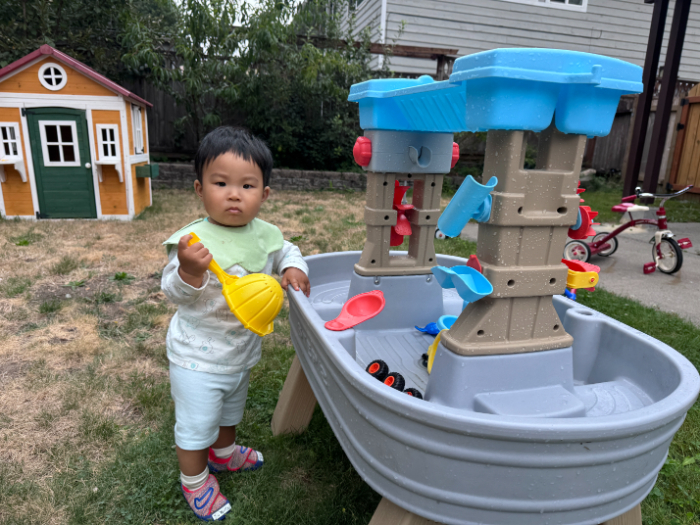
Toddlers benefit from slightly more structured water play. Activities like pouring from one container to another or stirring water with spoons encourage hand-eye coordination while reinforcing sensory exploration. Engaging multiple senses—hearing the splash, feeling the water’s movement, observing the changes—supports toddler sensory development and prepares them for more complex problem-solving tasks.

Preschoolers experimenting with floating and sinking objects in water

Cognitive Growth Through Water Play

Water play offers countless opportunities for children to think critically and understand the world around them.

Preschooler Problem Solving

Preschoolers develop cognitive skills as they experiment with water. Asking questions like “What happens if I fill this container?” or “Why does this float while that sinks?” introduces the concepts of cause and effect, volume, and measurement. These activities foster logical thinking and help children learn through trial and error.

Early STEM Concepts

Water play naturally introduces children to science, technology, engineering, and math (STEM) principles. Observing water flow, understanding how to redirect it, or experimenting with floating and sinking objects teaches gravity, buoyancy, and motion. Early STEM exposure in a playful, hands-on environment builds a foundation for later academic success.

Physical Development

Water play enhances both fine and gross motor skills, supporting physical growth and coordination.

Fine Motor Skills

Pouring water, picking up small objects, or manipulating scoops and cups strengthens the small muscles of the hands and fingers. These skills are crucial for writing, drawing, self-feeding, and dressing. Toddlers refining their grip and preschoolers practicing precise pours demonstrate continual improvement in dexterity and control.

Gross Motor Skills

Lifting buckets of water, moving large containers, or creating streams encourages whole-body movement. Children develop balance, core strength, and spatial awareness, which support physical confidence and coordination for activities like climbing, running, and jumping.

Emotional and Social Benefits

Water play supports emotional regulation and social development, helping children navigate feelings and relationships.

Emotional Regulation

The sound, movement, and tactile qualities of water create a calming sensory experience. Children learn to self-soothe, manage overstimulation, and focus attention, which is particularly helpful for toddlers with heightened sensory needs.

Social Interaction and Communication

Group water play encourages sharing, collaboration, and turn-taking. Children communicate needs, negotiate roles, and work together to solve problems, such as filling a container or creating a water channel. These experiences develop empathy, teamwork, and effective communication.

Practical Water Play Activities for Different Ages

Infants

  • Shallow tubs with splashing opportunities
  • Floating and grasping lightweight toys
  • Gentle pouring with small cups

Toddlers

  • Pouring water between cups or buckets
  • Stirring water with spoons, scoops, or funnels
  • Sensory bins with sponges, water, and small toys

Preschoolers

  • Experiments with floating/sinking objects
  • Redirecting water using funnels or tubes
  • Measuring and comparing water volumes in containers

These activities are low-cost, safe, and adaptable for home or daycare environments.

Toddler pouring water between containers for sensory development

Aligning Water Play with WAC Standards

Washington Administrative Code (WAC) standards emphasize safe, inclusive, and educational play environments. Water play aligns with WAC guidelines by:

  • Supporting developmentally appropriate practice across ages 1–5
  • Encouraging inclusive participation for children of all abilities
  • Providing intentional learning experiences while prioritizing safety and supervision

Daycare providers, like Kido Heaven, ensure water play is structured yet flexible, meeting WAC safety, hygiene, and educational requirements.

Extending Water Play at Home

Parents can reinforce water play learning through simple, everyday activities:

  • Bath time experiments: Cups and toys to explore pouring, floating, and sinking
  • Backyard water stations: Buckets, scoops, and bowls for sensory exploration
  • Mini science activities: Observing how objects react in water to spark curiosity
  • Language and vocabulary: Encourage children to describe actions and observations

These practices support continuous development while fostering quality family interactions.

Conclusion

Water play is more than fun—it’s a foundation for growth. Across all early childhood stages, it nurtures sensory awareness, cognitive thinking, motor skills, emotional regulation, and social development. By incorporating water play at home or in daycare settings, parents and educators provide children with hands-on learning experiences that foster curiosity, confidence, and a lifelong love for exploration.

At Kido Heaven Child Care in Bothell, WA, we embrace water play as a core component of our Montessori-inspired, STEM-focused program. Children ages 1–5 engage in safe, inclusive, and meaningful activities that encourage exploration and growth every day.

Why KidoHeaven Stands Out

✅ Licensed in Washington State
✅ Aligned with Early Achievers standards
✅ Working Connections subsidy accepted
✅ Daily updates via Brightwheel
✅ Located in Bothell, serving Mill Creek, Lynnwood & nearby areas
✅ Nutritious snacks, safe outdoor space, & positive mealtime routines

📞 Call 206-734-2040 to schedule a tour
🌐 Enroll now

Follow Our Mealtime Moments

Stay updated with more beautiful outdoor meals and daily learning routines on:

Instagram | Facebook | Nextdoor | Yelp | Winnie | YouTube | Upwards

FAQ

1. How does water support my child’s development?

Water play enhances motor skills, cognitive reasoning, emotional regulation, social interaction, and language development, supporting holistic growth.

2. Can water play be done at home?

Yes! Simple activities using cups, scoops, or shallow tubs allow children to learn while having fun.

3. Is water play suitable for all children?

Absolutely. Activities can be adapted to different ages, abilities, and sensory needs.

4. How does water play introduce STEM concepts?

Children explore cause and effect, measurement, buoyancy, and water flow through hands-on experiments.


Daycare for Children with Different Developmental Stages

Preschooler adaptation craft project

If you are looking for a daycare for children with different developmental stages, Kido Heaven Childcare in Bothell provides a safe and nurturing environment for infants, toddlers, and preschoolers. Our caregivers are experienced in managing mixed-age classrooms and adapt daily activities based on each child’s developmental needs, ensuring every child receives the right level of care, attention, and learning support.

Managing children of different ages in the same daycare classroom can quickly become overwhelming. At Kido Heaven Childcare in Bothell, caregivers successfully support children at different developmental stages by balancing the unique needs of infants, toddlers, and preschoolers throughout the day. Each age group requires different levels of care, stimulation, and independence. With the right approach, a single activity can be adapted to support every child’s developmental level while ensuring safety, engagement, and learning.

How Daycare Supports Children at Different Developmental Stages

A well-structured daycare for children with different developmental stages is designed to meet each child exactly where they are. Instead of using a one-size-fits-all approach, caregivers adjust activities, expectations, and support based on developmental milestones.

Infants need sensory-rich, safe experiences and strong emotional bonding. Toddlers require movement, repetition, and guided independence. Preschoolers, on the other hand, benefit from structured play, problem-solving, and early learning activities.

This flexible approach not only supports individual growth but also encourages peer learning, where younger children observe older ones and older children develop leadership and empathy skills.

Understanding Developmental Milestones

Infants (0–12 Months)

Infants learn primarily through sensory exploration and attachment-based interactions. Their activities should focus on:

  • Tummy time and gross motor strengthening
  • High-contrast visuals
  • Soft textures and safe mouthing materials
  • Responsive communication

Guidelines from ZERO TO THREE emphasize that consistent caregiver interaction builds neural pathways critical for future learning.

Toddlers (1–3 Years)

Toddlers demonstrate rapid growth in:

  • Language development
  • Emotional independence
  • Fine and gross motor coordination

Toddler developmental activities should encourage movement, repetition, and choice. They benefit from hands-on exploration and short, structured experiences.

Preschoolers (3–5 Years)

Preschoolers engage in symbolic thinking, structured play, and early literacy. They are ready for:

  • Cooperative games
  • Problem-solving challenges
  • Guided art projects
  • Pre-academic skill development

According to the National Association for the Education of Young Children, play-based instruction remains the most developmentally appropriate approach for this stage.

Toddler developmental activities in daycare classroom

Core Principles of Activity Adaptation

To successfully implement preschooler adaptation and inclusive practices, educators should apply:

1. Scaffolding

Provide graduated support based on the child’s ability.

2. Universal Design for Learning (UDL)

Offer multiple ways to engage with the same activity.

3. Observation-Based Planning

Adapt based on ongoing assessment, not assumptions.

4. Safety First

Ensure materials are age-appropriate and compliant with state licensing regulations.

Is Daycare Suitable for Children at Different Developmental Stages?

Yes—when managed correctly, mixed-age daycare environments can be highly beneficial. Children learn at their own pace while being exposed to a range of developmental behaviors.

Younger children gain stimulation and social exposure, while older children build confidence by helping and interacting with younger peers. The key is proper supervision, age-appropriate materials, and intentional activity design.

Adapting Sensory Play Across Developmental Stages

Sensory play is foundational in early childhood learning, but its complexity must vary.

Infants:

  • Sealed sensory bottles
  • Fabric swatches
  • Water mats

Toddlers:

  • Sand bins with large scoops
  • Simple water pouring stations

Preschoolers:

  • Themed sensory tables
  • Measuring tools and descriptive vocabulary prompts

By offering tiered materials within the same setup, providers promote daycare flexibility while maintaining engagement for all ages.

Modifying Arts and Crafts for Mixed-Age Groups

Crafts should never be “one size fits all.”

Infants:

  • Edible finger paint
  • Large, supervised grip tools

Toddlers:

  • Sponge painting
  • Sticker collages

Preschoolers:

  • Guided cutting activities
  • Multi-step art projects

The key is adjusting expectations. For younger children, the goal is sensory experience; for older children, it is skill refinement and creativity.

Gross Motor and Outdoor Activity Adjustments

Outdoor time supports physical development and self-regulation.

Infants:

  • Soft climbing mats
  • Rolling balls

Toddlers:

  • Push toys
  • Short obstacle paths

Preschoolers:

  • Cooperative games
  • Balance challenges

High-quality programs follow health and safety recommendations from the Washington State Department of Children, Youth & Families to ensure supervision and safe equipment use.

Outdoor gross motor play in childcare center

Language and Social Play Adaptation Strategies

Mixed-age groups naturally foster communication growth.

Storytime Adaptation Example:

  • Infants: Board books and song repetition
  • Toddlers: Simple Q&A and picture identification
  • Preschoolers: Prediction questions and story retelling

This layered approach supports toddler developmental activities while challenging preschoolers cognitively.

Flexible Routines in Mixed-Age Childcare

Routine consistency provides emotional security, but activities within routines must remain adaptable.

Effective mixed-age scheduling includes:

  • Staggered activity stations
  • Small-group instruction
  • Quiet corners for infants
  • Leadership roles for preschoolers

Families searching for high-quality daycare Bothell or reliable child care Bothell services often prioritize programs that demonstrate this level of intentional structure and flexibility.

Flexible routines are essential in any daycare for children with different developmental stages, as they allow caregivers to adjust timing, structure, and expectations based on each child’s needs.

Washington State WAC Compliance and Safety Standards

Licensed childcare programs in Washington must comply with the Washington Administrative Code (WAC), specifically WAC 110-300 for early learning centers.

Key requirements include:

  • Age-appropriate materials
  • Safe sleep practices for infants
  • Staff-to-child ratio compliance
  • Supervision during mixed-age activities

Adhering to WAC not only ensures legal compliance but also protects developmental integrity and child well-being.

Observation, Assessment, and Continuous Improvement

Ongoing documentation strengthens instructional quality. Strategies include:

  • Anecdotal records
  • Developmental checklists
  • Parent communication logs
  • Reflective lesson planning

The Harvard Center on the Developing Child emphasizes that responsive caregiving and reflective practice significantly improve long-term developmental outcomes.

Conclusion: Delivering Developmentally Responsive Childcare

Adapting childcare activities for different developmental stages requires intentional planning, observation, and flexibility. By scaffolding experiences, aligning with developmental milestones, and complying with Washington State WAC standards, mixed-age environments can thrive.

At Kido Heaven, we specialize in providing a structured and flexible daycare for children with different developmental stages, ensuring that every child—from infants to preschoolers—receives personalized care and attention.

Families looking for trusted daycare Bothell or reliable child care Bothell services can explore our programs here:

👉 https://kidoheaven.com/

Through thoughtful adaptation and evidence-based practice, we create spaces where every child grows with confidence, curiosity, and care. 🌿

Why KidoHeaven Stands Out

✅ Licensed in Washington State
✅ Aligned with Early Achievers standards
✅ Working Connections subsidy accepted
✅ Daily updates via Brightwheel
✅ Located in Bothell, serving Mill Creek, Lynnwood & nearby areas
✅ Nutritious snacks, safe outdoor space, & positive mealtime routines

📞 Call 206-734-2040 to schedule a tour
🌐 Enroll now

Follow Our Mealtime Moments

Stay updated with more beautiful outdoor meals and daily learning routines on:

Instagram | Facebook | Nextdoor | Yelp | Winnie | YouTube | Upwards

FAQ

1. How do you adapt one activity for multiple age groups?

Design tiered levels of participation. Adjust tools, expectations, and adult support.

2. Is mixed-age childcare beneficial?

Yes. It promotes peer learning, empathy, and leadership when properly structured.

3. How do you ensure safety in mixed-age settings?

Follow WAC guidelines, supervise closely, and separate materials by choking-hazard risk.

4. Can infants safely participate in group crafts?

Yes, with edible or large materials and direct supervision.

5. How often should activities be modified?

Weekly planning with daily observational adjustments is recommended.

6. What is a daycare for children with different developmental stages?

It is a childcare setting where infants, toddlers, and preschoolers are cared for together, with activities adapted to meet each child’s developmental level safely and effectively.


How Music Circles Build Community in Childcare

early childhood music instruments in daycare

Music circles are more than just fun daycare group activities—they are powerful tools for building connection, communication, and confidence in early childhood settings. From infants to preschoolers, structured group singing and rhythm experiences strengthen toddlers’ social skills, nurture a sense of preschooler community, and support emotional development. In high-quality, WAC-compliant programs in Bothell, music circles play a key role in creating a safe, inclusive, and engaging early learning environment where children learn to belong.

Why Community Matters in Early Childhood

In high-quality early learning environments, community is not accidental—it is intentionally built. From infancy through preschool, children develop their earliest understanding of belonging, empathy, cooperation, and communication within group settings. Structured music circles and childcare programs are among the most effective tools for nurturing that community foundation.

When children sit together in a circle to sing, move, and explore rhythm, they are doing far more than enjoying a song. They are learning turn-taking, listening, emotional expression, shared attention, and social awareness. In environments aligned with Washington Administrative Code (WAC) standards, group experiences such as music circles must be developmentally appropriate, inclusive, and supportive of each child’s growth.

What Are Music Circles in Childcare?

Music circles are structured group experiences where children and caregivers gather—often seated in a circle—to engage in:

  • Singing familiar and new songs
  • Rhythm and movement activities
  • Instrument exploration
  • Call-and-response interaction
  • Storytelling through music

In a licensed daycare in Bothell, music circles are carefully planned to align with early learning standards, ensuring that activities promote cognitive, social-emotional, and language development.

The circle format itself is intentional. When children can see one another, it enhances:

  • Eye contact
  • Social referencing
  • Peer modeling
  • Shared participation

This format transforms music into a powerful vehicle for building preschooler community and strengthening toddler social skills.

children building social skills through music

The Science Behind Early Childhood Music

Research in early childhood development consistently shows that music stimulates multiple areas of the brain simultaneously. According to the National Association for the Education of Young Children (NAEYC) and research from Harvard’s Center on the Developing Child, rhythmic and musical interaction enhances:

  • Neural pathway development
  • Language acquisition
  • Executive functioning
  • Emotional regulation

Music supports pattern recognition and memory, which are foundational for literacy and numeracy. More importantly for group settings, synchronized movement and shared rhythm increase feelings of social bonding. When children clap or sing together, their brains release bonding hormones such as oxytocin, reinforcing trust and connection.

This is why early childhood music is not considered enrichment—it is core developmental work.

How Music Circles Strengthen Toddler Social Skills

Toddlers are in a critical stage of social learning. They are developing:

  • Parallel play skills
  • Emerging language
  • Self-awareness
  • Emotional expression

Music circles provide a structured yet playful environment to practice these skills.

Turn-Taking and Patience

When toddlers wait for their turn to shake a tambourine or choose a song, they practice impulse control. Educators scaffold this process by:

  • Naming emotions (“You’re waiting for your turn.”)
  • Modeling patience
  • Using visual cues

Communication Development

Songs with gestures and repetition strengthen expressive and receptive language. Repeated lyrics improve vocabulary retention. Call-and-response songs build conversational rhythm—an early literacy precursor.

Emotional Expression

Music allows toddlers to safely express excitement, calmness, or even frustration. Fast songs encourage energy release, while soft lullabies promote regulation. This balance is essential in any daycare group activity setting.

Building Preschooler Community Through Group Music

Preschoolers move beyond parallel play into cooperative interaction. Music circles at this stage deepen social responsibility and collective identity.

Shared Leadership

Preschoolers can:

  • Lead a favorite song
  • Choose instruments for peers
  • Create simple rhythms

This shared leadership builds confidence and mutual respect.

Collaborative Problem Solving

Group rhythm activities require listening and coordination. If the rhythm becomes chaotic, children must re-synchronize together. This naturally teaches:

  • Self-regulation
  • Group awareness
  • Adaptability

Such activities directly support preschooler community development in structured early learning environments.

Music Circles as Developmentally Appropriate Daycare Group Activities

Under Washington State WAC regulations for licensed childcare providers, group activities must be:

  • Age-appropriate
  • Inclusive
  • Safe
  • Supervised
  • Designed to support developmental domains

Music circles meet these criteria when implemented intentionally.

For Infants (0–12 Months)

  • Gentle singing
  • Sensory sound exploration
  • Caregiver lap songs
  • Soft instrument sounds

Infants build attachment and secure relationships through face-to-face singing interactions.

For Toddlers (1–3 Years)

  • Action songs
  • Rhythm imitation
  • Movement-based music
  • Simple percussion instruments

Activities must allow freedom of movement and respect individual readiness levels.

For Preschoolers (3–5 Years)

  • Patterned rhythm games
  • Thematic songs
  • Musical storytelling
  • Peer collaboration

When aligned with early childhood education in Bothell standards, music circles become an integral part of a comprehensive learning approach.

toddlers participating in music circle

Supporting Emotional Regulation and Belonging

One of the most profound benefits of music circles and childcare programs is emotional regulation.

Music provides:

  • Predictable routines
  • Clear transitions
  • Sensory organization
  • Group reassurance

Opening and closing songs create emotional anchors in the day. Children begin to associate specific songs with safety and structure. In a safe daycare environment in Bothell, consistent musical routines support children who may experience separation anxiety or transitions.

Music also validates cultural identity. Including songs from diverse backgrounds strengthens inclusivity and fosters belonging for all families.

Inclusion, Cultural Awareness, and Family Engagement

High-quality childcare programs incorporate music from various cultures represented within the community. This approach:

  • Honors family backgrounds
  • Encourages cultural pride
  • Builds empathy among peers

Family engagement may include:

  • Inviting parents to share songs
  • Celebrating cultural traditions
  • Sending music home for continuity

Such practices align with WAC guidance emphasizing family partnership and inclusive curriculum planning.

WAC Compliance and Safe Implementation in Washington State

Childcare providers operating under the Washington Administrative Code must ensure:

  • Staff supervision during group activities
  • Sanitization of shared instruments
  • Developmentally appropriate materials
  • Safe storage of small items
  • Noise levels that protect children’s hearing

Music circles should never involve overstimulation. Educators must observe:

  • Children’s sensory tolerance
  • Emotional cues
  • Individual participation readiness

In a WAC-compliant daycare center in Bothell, music is structured to promote growth without overwhelming children.

Best Practices for Structuring Music Circles (Infants to Preschoolers)

To maximize impact, music circles should include:

1. Predictable Routine

  • Welcome song
  • Core activity
  • Movement component
  • Closing song

2. Multi-Sensory Engagement

  • Visual cues
  • Movement
  • Auditory rhythm
  • Tactile instruments

3. Small Group Sizes

Smaller circles promote engagement and reduce overstimulation.

4. Intentional Observation

Educators document:

  • Social interaction growth
  • Language development
  • Emotional regulation progress

These observations contribute to individualized learning planning.

Measuring Outcomes: What Educators and Parents Should Observe

Parents often ask how they can recognize the impact of early childhood music participation. Positive indicators include:

  • Increased verbal expression
  • Improved listening skills
  • Willingness to participate in group settings
  • Greater empathy toward peers
  • Better transition management

Music circles build foundational skills that transfer to literacy, classroom readiness, and long-term social success.

Families searching for preschool and daycare in Bothell often prioritize environments that intentionally foster these outcomes.

About Kido Heaven in Bothell

At Kido Heaven daycare, music circles are thoughtfully integrated into daily programming to nurture belonging, confidence, and social development from infancy through preschool.

As a licensed daycare in Bothell, the center follows Washington State WAC regulations while creating a warm, engaging environment where children thrive through structured group experiences like music circles.

Families seeking learn more about our daycare programs can explore how intentional early childhood music and community-building practices support lifelong learning and emotional well-being.

Why KidoHeaven Stands Out

✅ Licensed in Washington State
✅ Aligned with Early Achievers standards
✅ Working Connections subsidy accepted
✅ Daily updates via Brightwheel
✅ Located in Bothell, serving Mill Creek, Lynnwood & nearby areas
✅ Nutritious snacks, safe outdoor space, & positive mealtime routines

📞 Call 206-734-2040 to schedule a tour
🌐 Enroll now

Follow Our Mealtime Moments

Stay updated with more beautiful outdoor meals and daily learning routines on:

Instagram | Facebook | Nextdoor | Yelp | Winnie | YouTube | Upwards

FAQ

1. Are music circles suitable for infants?

Yes. Even newborns benefit from gentle singing and rhythmic interaction, which strengthens attachment and auditory development.

2. How often should music circles be offered in childcare?

In high-quality programs, music experiences are integrated daily in short, developmentally appropriate segments.

3. Do music circles help with toddler social skills?

Absolutely. They improve turn-taking, listening, communication, and emotional awareness.

4. Are instruments safe in daycare settings?

When chosen appropriately and supervised according to WAC guidelines, instruments are safe and developmentally beneficial.

5. Can music circles support early literacy?

Yes. Rhythm and repetition strengthen phonemic awareness and memory, which are foundational literacy skills.