

Young children thrive in environments where they know what to expect. In many daycare settings, however, the day can sometimes feel unpredictable and overwhelming. Noise, transitions, and unclear expectations can quickly lead to confusion and stress for children.
Creating predictable environments in daycare transforms these chaotic moments into calm, structured experiences. When routines, consistency, and clear expectations are in place, children feel secure, focused, and ready to learn. This article explores how structured childcare environments support emotional development, improve behavior, and foster a strong sense of belonging.
What Is a Predictable Environment in Daycare?
A predictable environment is one where children can anticipate what will happen next. It includes consistent routines, organized spaces, and clear behavioral expectations.
Key Characteristics
- Consistent daily schedules
- Clear transitions between activities
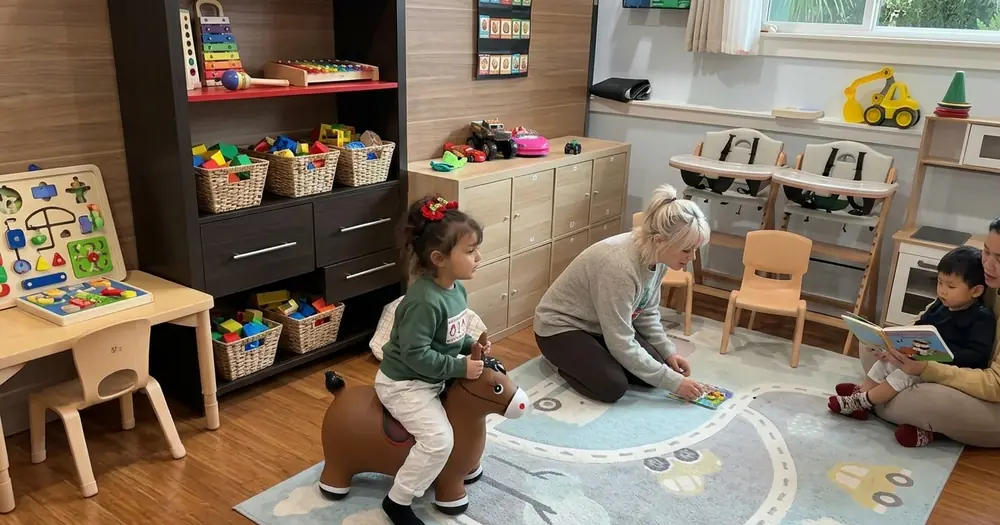
- Organized classroom layout
- Repeated patterns of interaction
In a structured childcare environment, children are not left guessing. Instead, they gain confidence because they understand their surroundings.
Why Chaos Happens in Childcare Settings
Even the most experienced educators may encounter moments of disorder. Understanding the root causes helps prevent them.
Common Causes of Chaos
- Lack of clear routines
- Sudden transitions
- Overstimulating environments
- Unclear expectations
Without structure, children may struggle to regulate emotions, leading to frustration or disruptive behavior.
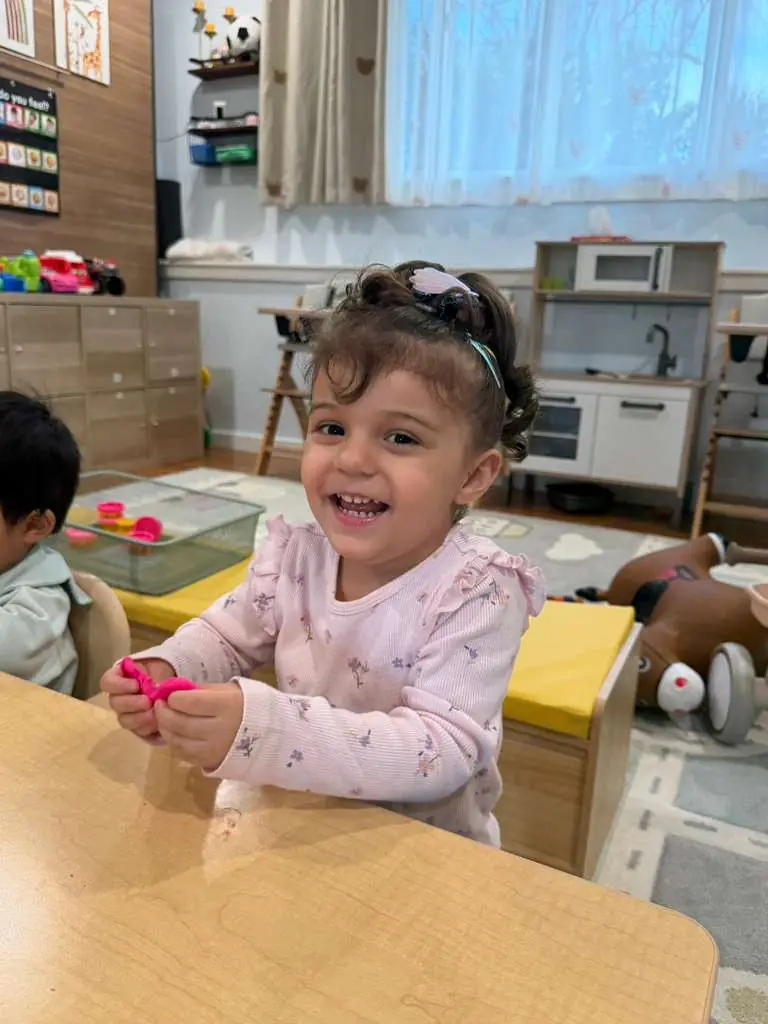
How Predictable Environments Reduce Chaos in Daycare
Predictability provides stability. When children know what comes next, anxiety decreases and cooperation increases.
Benefits of Reducing Chaos
- Less behavioral disruption
- Improved transitions
- Increased participation
- Better peer interaction
A calm classroom daycare environment allows children to feel in control, which reduces stress and promotes positive behavior.
The Role of Daily Routines in Child Development
A well-planned daycare routine for children is the foundation of predictability.
Why Routines Matter
- Help children understand time and sequence
- Provide emotional security
- Encourage independence
Examples of Effective Routines
- Morning welcome rituals
- Scheduled play and learning blocks
- Consistent meal and rest times
The benefits of routine in daycare extend beyond behavior—they directly impact cognitive and emotional growth.
Supporting Emotional Regulation in Children
Children are still learning how to manage their emotions. Predictable environments make this process easier.
How Structure Supports Emotional Growth
- Reduces anxiety and uncertainty
- Creates safe emotional boundaries
- Encourages self-control
When children feel safe, they are better able to express emotions appropriately and recover from challenges more quickly.
How Structure Improves Child Focus in Daycare
Focus is a skill that develops over time, and the environment plays a major role.
Factors That Improve Focus
- Clear expectations
- Minimal distractions
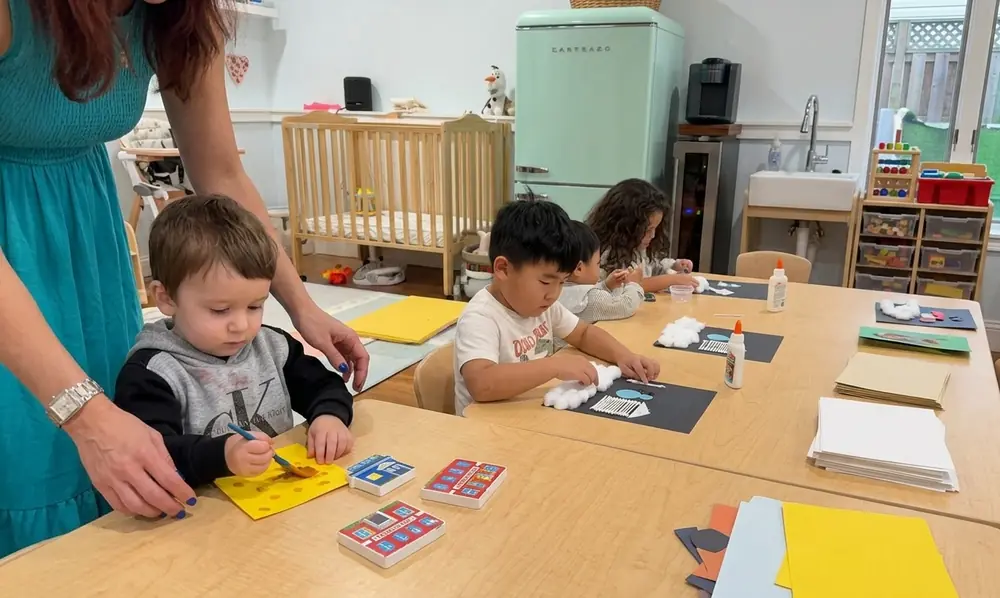
- Organized learning areas
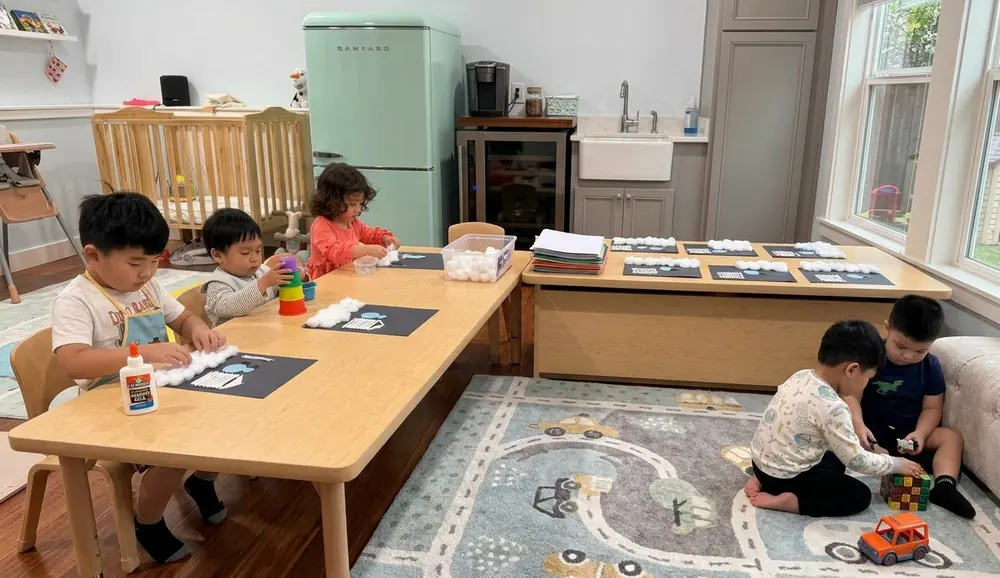
A consistent classroom structure helps enhance children’s focus in daycare, allowing children to stay engaged in activities longer.
Building a Sense of Belonging in Childcare
Children need to feel that they are part of a community.
Ways Predictability Builds Belonging
- Familiar routines create comfort
- Consistent caregivers build trust
- Group activities encourage connection
A strong sense of belonging in childcare leads to higher confidence and better social skills.
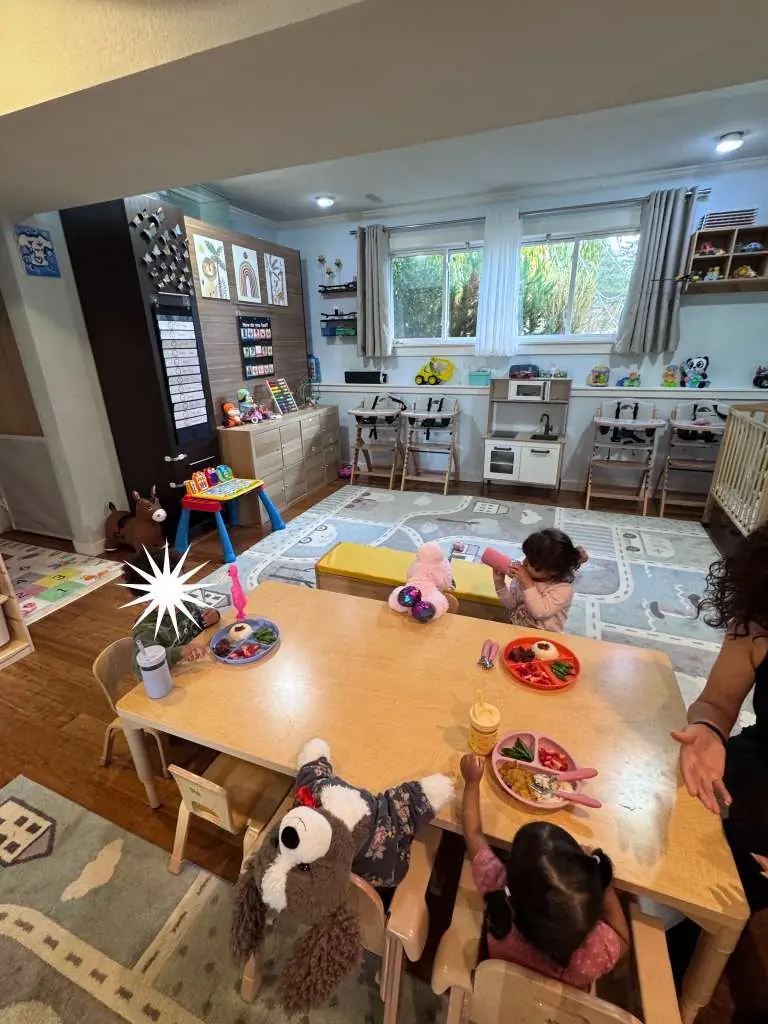
Key Elements of a Structured Childcare Environment
1. Consistent Schedules
Daily routines should follow a predictable pattern.
2. Clear Expectations
Children should understand rules and boundaries.
3. Organized Physical Space
Defined areas for play, learning, and rest reduce confusion.
4. Smooth Transitions
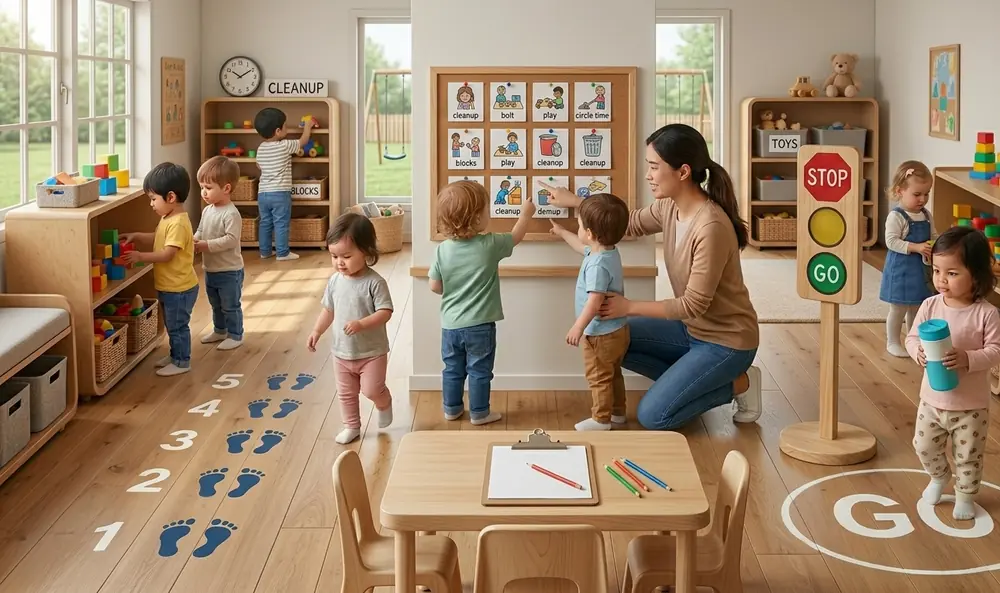
Using cues like songs or visual schedules helps children move between activities calmly.
Practical Strategies for Creating Calm Classrooms
Use Visual Schedules
Pictures help children understand the daily plan.
Establish Transition Rituals
Simple cues like music or countdowns prepare children for change.
Maintain Consistency
Keep routines stable even when introducing new activities.
Reduce Overstimulation
Limit noise and clutter to create a peaceful environment.
These strategies are essential for reducing chaos in daycare and maintaining a balanced classroom.
Aligning with Washington State (WAC) Childcare Standards
High-quality childcare programs follow structured guidelines to ensure safety and development.
Key Considerations
- Consistent supervision and routines
- Developmentally appropriate activities
- Safe and organized environments
Following WAC standards ensures that children receive care in environments designed to support both learning and well-being.
Long-Term Benefits of Predictable Environments
The impact of structured environments goes far beyond daycare years.
Lasting Outcomes
- Stronger emotional regulation
- Improved academic readiness
- Better social relationships
- Increased independence
Children who experience structured environments early develop skills that support lifelong success.
Conclusion
Transforming a daycare environment from chaos to calm is not about strict control—it is about thoughtful structure. Predictable environments give children the tools they need to succeed emotionally, socially, and cognitively.
By implementing consistent routines, clear expectations, and supportive classroom structures, caregivers create spaces where children feel safe, confident, and ready to learn.
At Kido Heaven, we proudly provide high-quality daycare Bothell families trust. Our child care Bothell programs are designed to create calm, predictable classrooms that support emotional well-being, encourage learning, and help children develop a strong sense of belonging.
Why KidoHeaven Stands Out
✅ Licensed in Washington State
✅ Aligned with Early Achievers standards
✅ Working Connections subsidy accepted
✅ Daily updates via Brightwheel
✅ Located in Bothell, serving Mill Creek, Lynnwood & nearby areas
✅ Nutritious snacks, safe outdoor space, & positive mealtime routines
📞 Call 206-734-2040 to schedule a tour
🌐 Enroll now
Follow Our Mealtime Moments
Stay updated with more beautiful outdoor meals and daily learning routines on:
Instagram | Facebook | Nextdoor | Yelp | Winnie | YouTube | Upwards
FAQ
1. Why are predictable environments important in daycare?
They help children feel safe, reduce anxiety, and improve focus and behavior.
2. How do routines affect child development?
Routines provide stability, support emotional growth, and encourage independence.
3. Can too much structure limit creativity?
No. A balanced structure actually supports creativity by providing a secure foundation.
4. How can caregivers reduce chaos in daycare?
By implementing consistent routines, clear expectations, and organized classroom layouts.
5. What is the best way to improve focus in young children?
Creating a structured, distraction-free environment with predictable routines is key.
Visit Kido Heaven Child Care
A licensed home daycare for infants to pre-K, serving Bothell and Mill Creek. Call or text (206) 734-2040 or book a tour.
Book a Tour