

Daily routines are more than just schedules—they are the foundation of a child’s emotional world. In daycare settings, routines provide predictability, helping children understand what comes next and reducing uncertainty. This sense of predictability is directly linked to a child’s sense of security, emotional stability, and overall development.
For infants, toddlers, and preschoolers, consistent daily routines act as an invisible framework that supports emotional safety. In a high-quality daycare environment, structured routines are intentionally designed to meet developmental needs while aligning with Washington Administrative Code (WAC) standards for childcare safety and consistency.
Why Emotional Security Matters in Early Childhood
Emotional security is the cornerstone of healthy development. When children feel safe, they are more likely to:
- Explore their environment confidently
- Build positive relationships
- Develop language and cognitive skills
- Regulate emotions effectively
Without a stable environment, children may experience stress, anxiety, or behavioral challenges. A predictable daycare routine helps reduce these risks by creating a reliable and nurturing atmosphere.
The Science Behind Predictability and Security
From a developmental psychology perspective, predictability activates a child’s sense of control. When children can anticipate what will happen next, their brains reduce stress responses and increase engagement.
Consistent routines help regulate:
- Cortisol (stress hormone) levels
- Emotional responses
- Attention and focus
Research shows that structured environments improve not only emotional well-being but also early learning outcomes. Predictability supports neural pathways associated with memory, behavior, and emotional regulation.
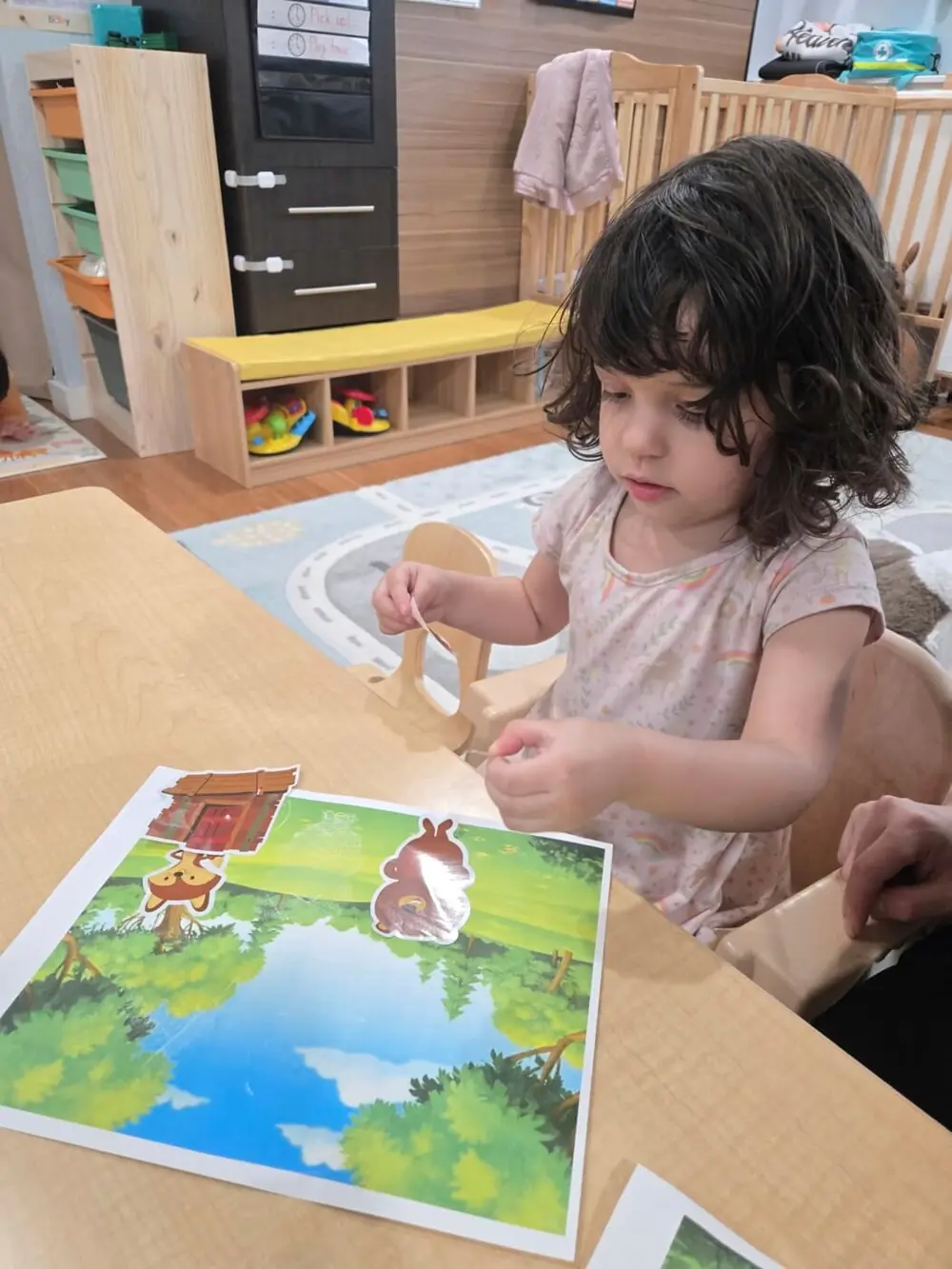
How Daily Routines Create Emotional Safety
Consistency and Trust
Consistency builds trust between caregivers and children. When routines are repeated daily, children begin to associate caregivers with reliability and safety. This trust becomes the foundation for secure attachment.
Transition Management
Transitions—such as moving from playtime to mealtime—can be challenging. Predictable routines help children prepare mentally for changes, reducing frustration and resistance.
Reducing Anxiety
Uncertainty is one of the biggest triggers of anxiety in young children. A structured routine eliminates the fear of the unknown, replacing it with familiarity and comfort.
Types of Routines That Support Security
Morning Arrival Routines
A consistent drop-off routine helps children separate from parents more easily. This may include:
- Greeting rituals
- Putting belongings in designated areas
- Starting with a familiar activity
These repeated actions signal safety and continuity.
Structured Play and Learning
Children thrive when learning and play follow a predictable pattern. Scheduled activities such as:
- Circle time
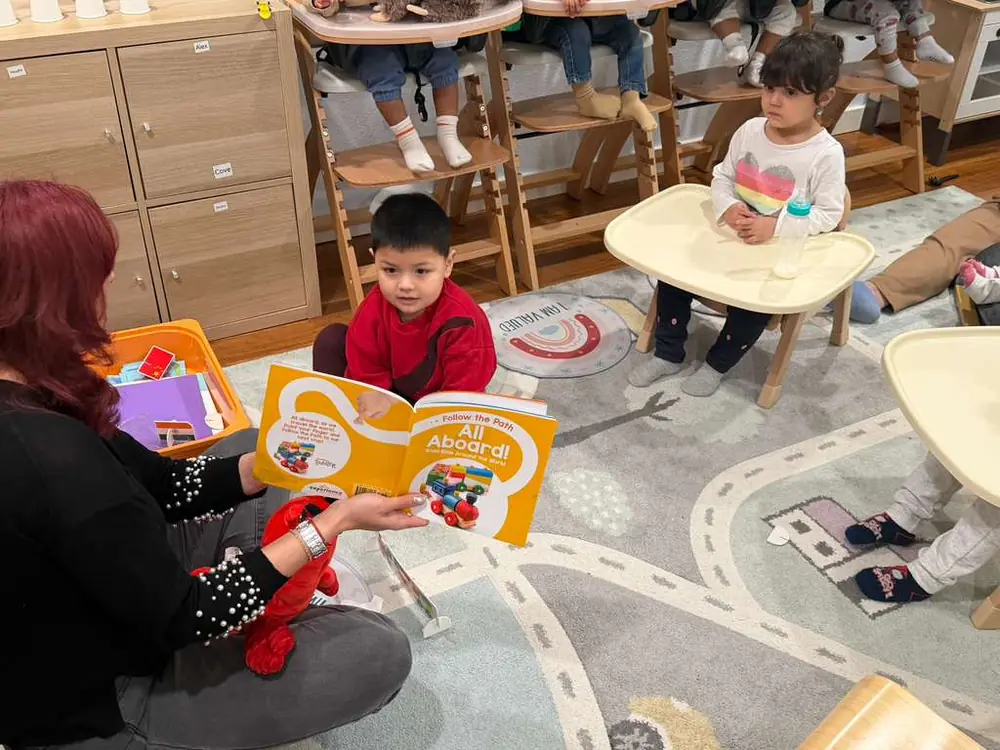
- Story sessions
- Guided play
help children understand expectations and feel more in control.
Meal and Rest Times
Regular meal and nap schedules are critical for both physical and emotional regulation. Consistency in these routines:
- Supports healthy sleep cycles
- Stabilizes mood
- Reduces behavioral issues
Departure Rituals
End-of-day routines provide closure. Saying goodbye in a consistent way helps children transition back home smoothly while reinforcing emotional security.
The Role of Caregivers in Reinforcing Stability
Caregivers are central to maintaining routine consistency. Their responsibilities include:
- Following structured schedules
- Using consistent language and cues
- Providing emotional reassurance
In WAC-compliant daycare settings, caregivers are trained to create predictable environments that prioritize both safety and emotional well-being.
WAC Guidelines and Safe, Predictable Environments
Washington Administrative Code (WAC) emphasizes:
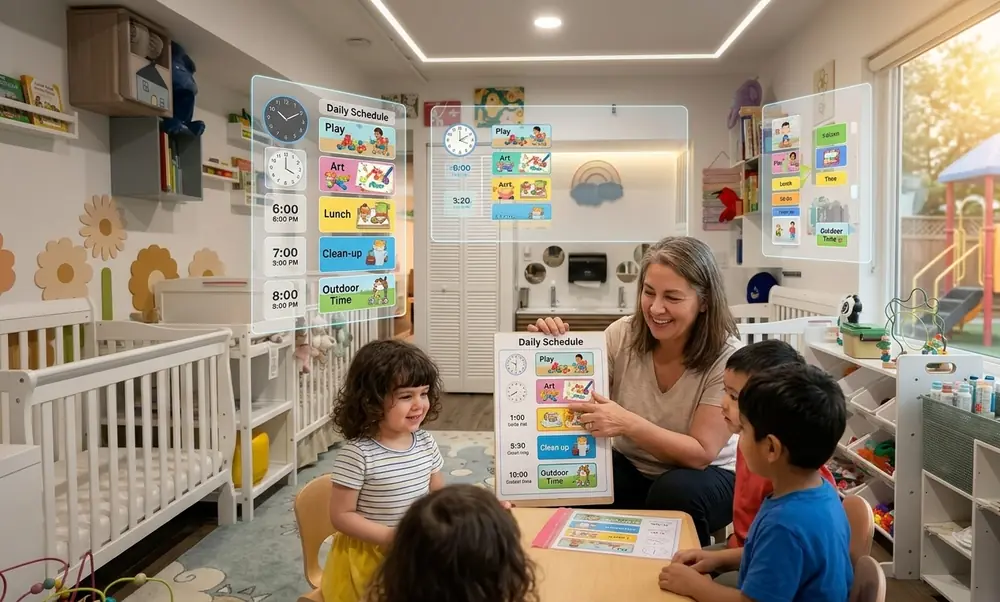
- Structured daily schedules
- Age-appropriate routines
- Consistent caregiving practices
These regulations ensure that childcare environments are not only safe but also emotionally supportive. Predictability is a key requirement, helping children develop trust in their surroundings.
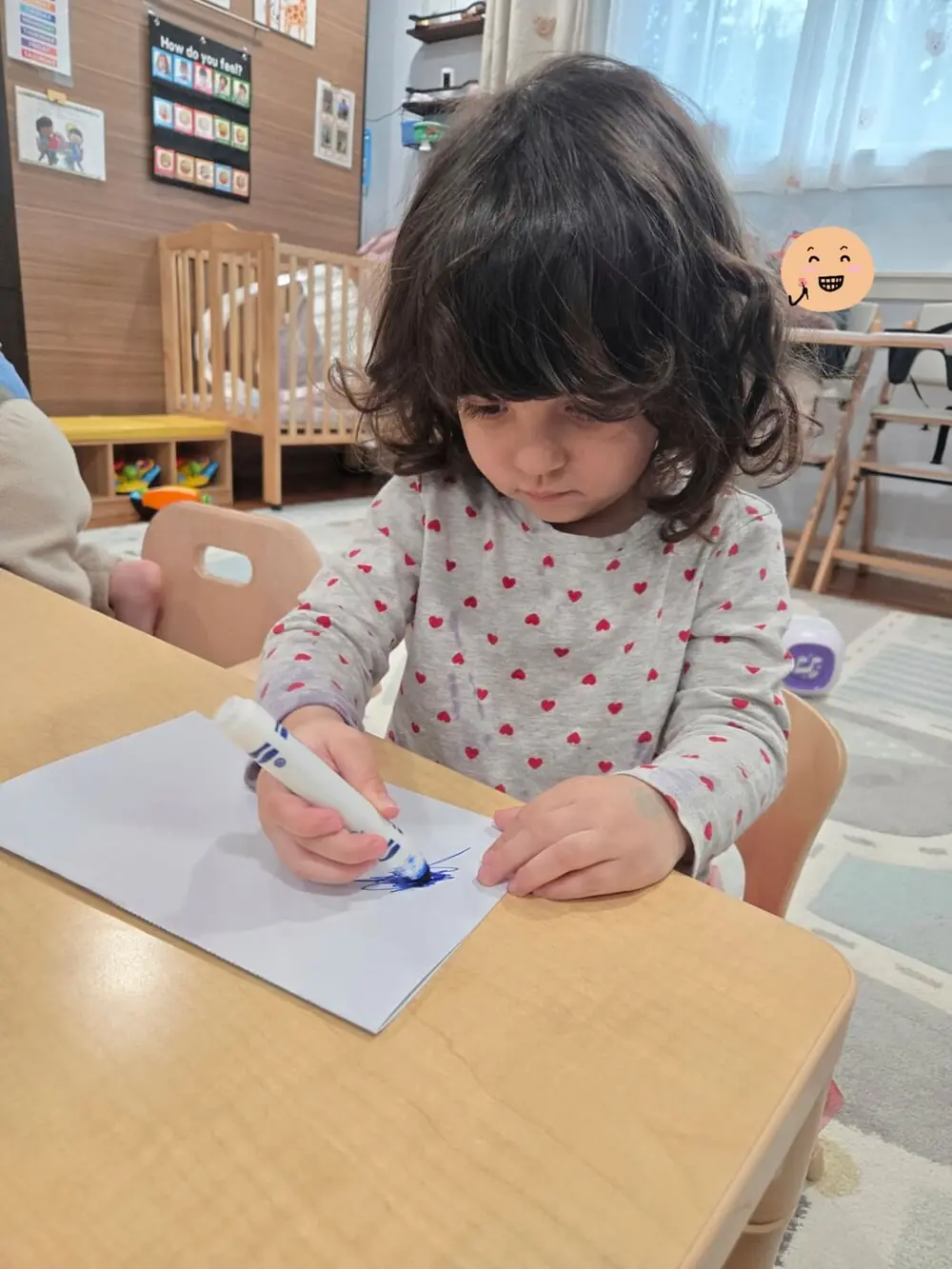
Balancing Flexibility with Structure
While routines are essential, flexibility is equally important. Children’s needs can vary daily, and caregivers must adapt while maintaining core structure.
The goal is to provide:
- A predictable framework
- Room for individual needs
- Emotional responsiveness
This balance ensures both stability and personalization.
Signs a Child Feels Secure in Daycare
You can identify emotional security through behaviors such as:
- Willingness to explore
- Positive interaction with peers
- Comfort with caregivers
- Ability to handle transitions
These indicators show that routines are effectively supporting emotional development.
How Parents Can Support Routine at Home
Consistency between home and daycare strengthens a child’s sense of security. Parents can:
- Maintain regular sleep schedules
- Use similar mealtime routines
- Practice predictable morning and bedtime rituals
This alignment reinforces the child’s understanding of structure and stability.
Choosing the Right Daycare Environment
When selecting a daycare, look for:
- Structured daily schedules
- Trained caregivers
- Compliance with safety regulations
- Emphasis on emotional development
A [trusted childcare center in Bothell] should prioritize both routine and emotional well-being, ensuring children feel safe and supported every day.
You can also learn more about our daycare programs to understand how structured routines contribute to early development.
Conclusion
Daily routines are not just organizational tools—they are essential for building a child’s inner sense of security. Through consistency, predictability, and emotional support, routines help children navigate their environment with confidence.
A well-structured daycare environment fosters emotional safety, reduces anxiety, and promotes healthy development. By combining expert caregiving with WAC-compliant practices, high-quality childcare centers create a foundation where children can truly thrive.
At the heart of this approach, Kido Heaven daycare provides a nurturing, structured environment designed to support emotional security and early learning for every child.
Why KidoHeaven Stands Out
✅ Licensed in Washington State
✅ Aligned with Early Achievers standards
✅ Working Connections subsidy accepted
✅ Daily updates via Brightwheel
✅ Located in Bothell, serving Mill Creek, Lynnwood & nearby areas
✅ Nutritious snacks, safe outdoor space, & positive mealtime routines
📞 Call 206-734-2040 to schedule a tour
🌐 Enroll now
Follow Our Mealtime Moments
Stay updated with more beautiful outdoor meals and daily learning routines on:
Instagram | Facebook | Nextdoor | Yelp | Winnie | YouTube | Upwards
FAQ
1. Why are routines important in daycare?
Routines provide predictability, which helps children feel safe, reduces anxiety, and supports emotional development.
2. How do routines affect a child’s behavior?
Consistent routines improve emotional regulation, reduce stress, and encourage positive behavior.
3. What happens if a daycare lacks structure?
Children may feel anxious, confused, and less secure, which can impact learning and social interactions.
4. How can I help my child adjust to daycare routines?
Maintain consistent schedules at home and communicate with caregivers to ensure alignment.
5. Are flexible routines better than strict schedules?
A balance is best—structured routines with flexibility for individual needs create optimal emotional security.
Visit Kido Heaven Child Care
A licensed home daycare for infants to pre-K, serving Bothell and Mill Creek. Call or text (206) 734-2040 or book a tour.
Book a Tour