The Reggio Emilia Approach in Early Childhood Education: Inspiring Curious, Confident Learners

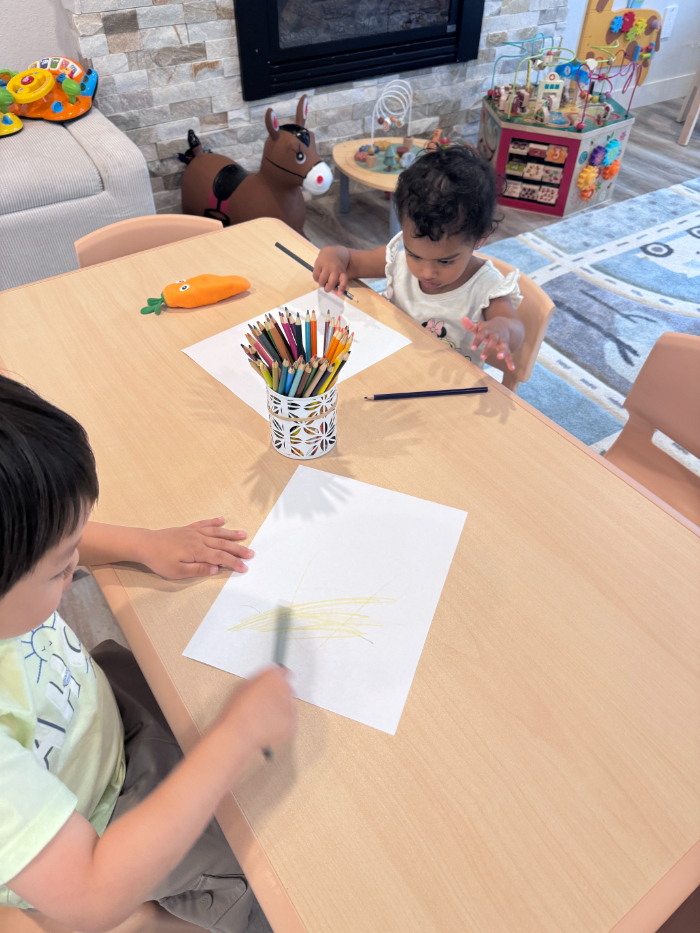
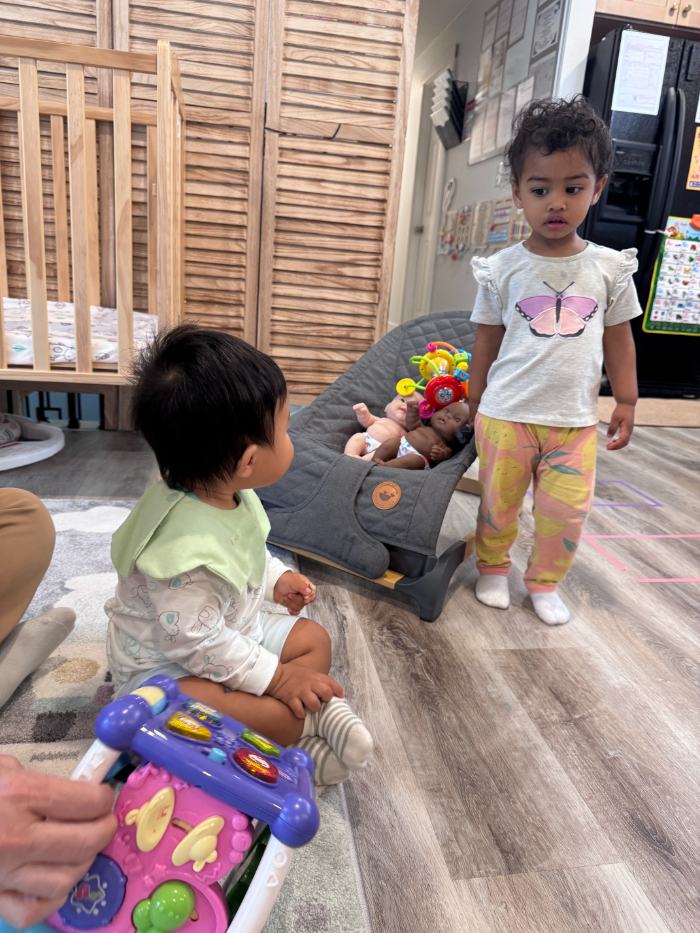
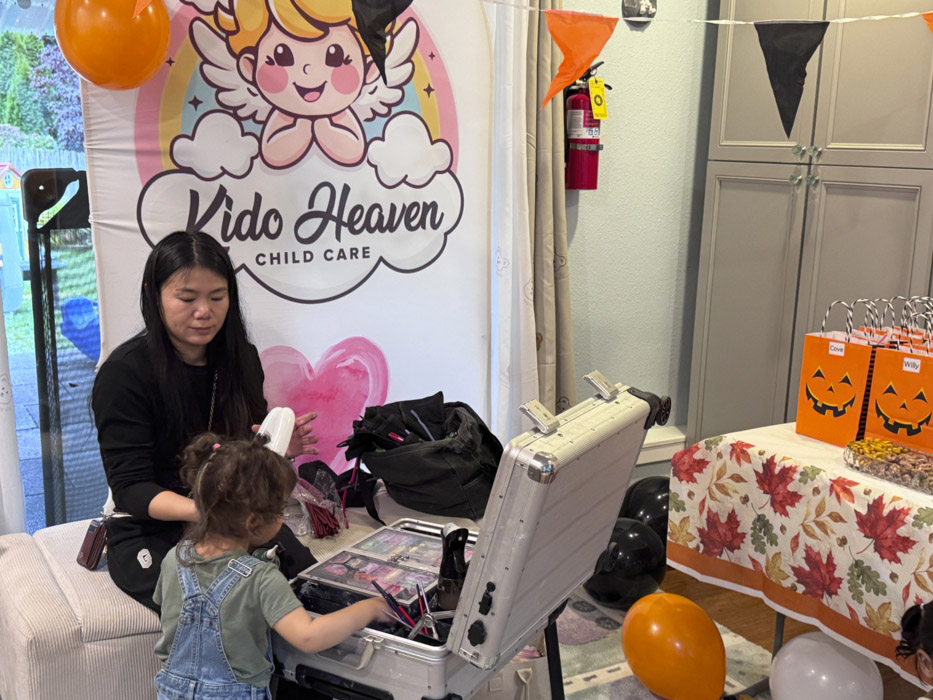
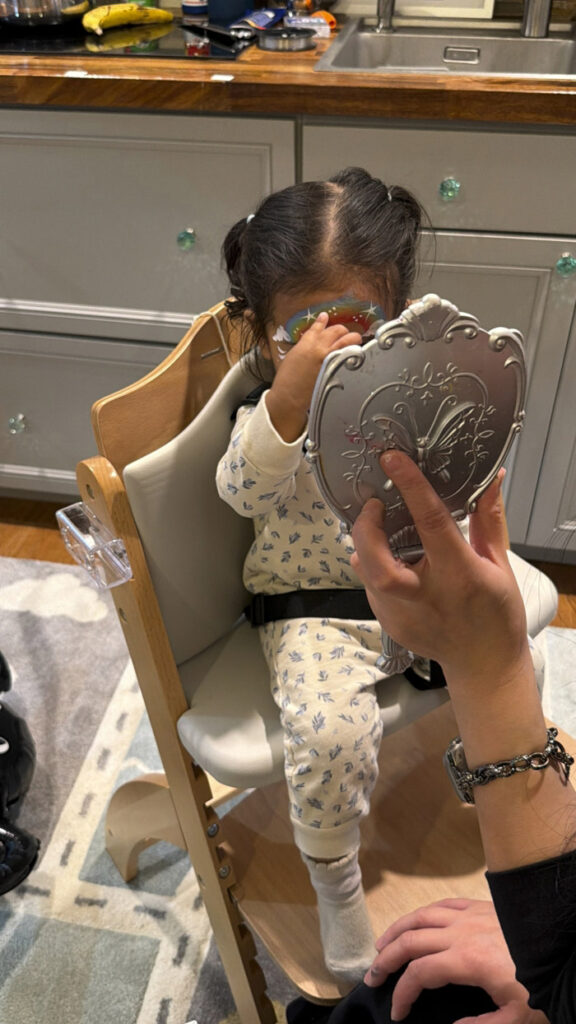
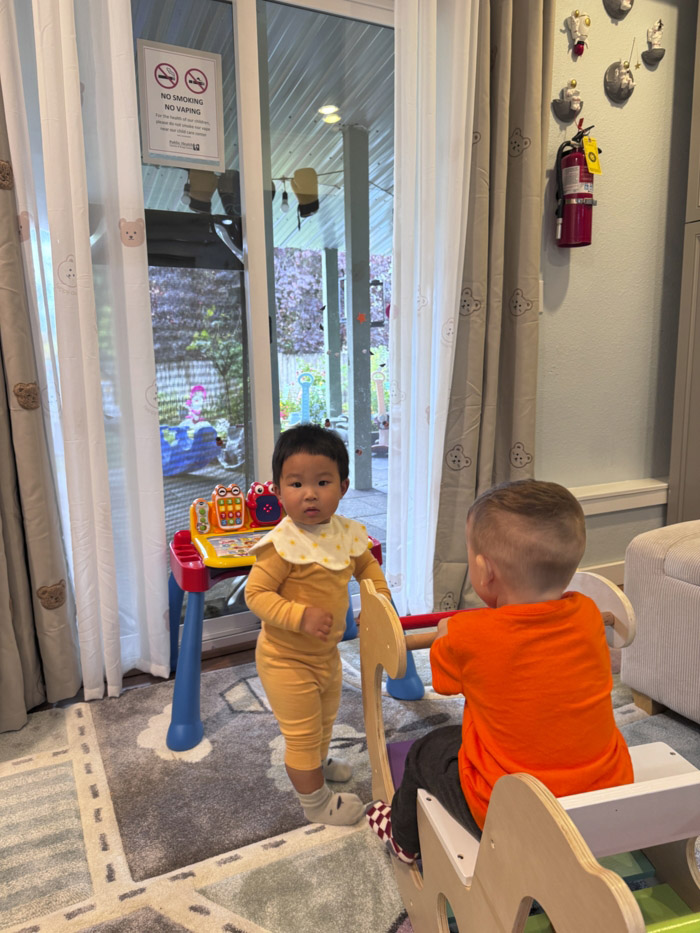
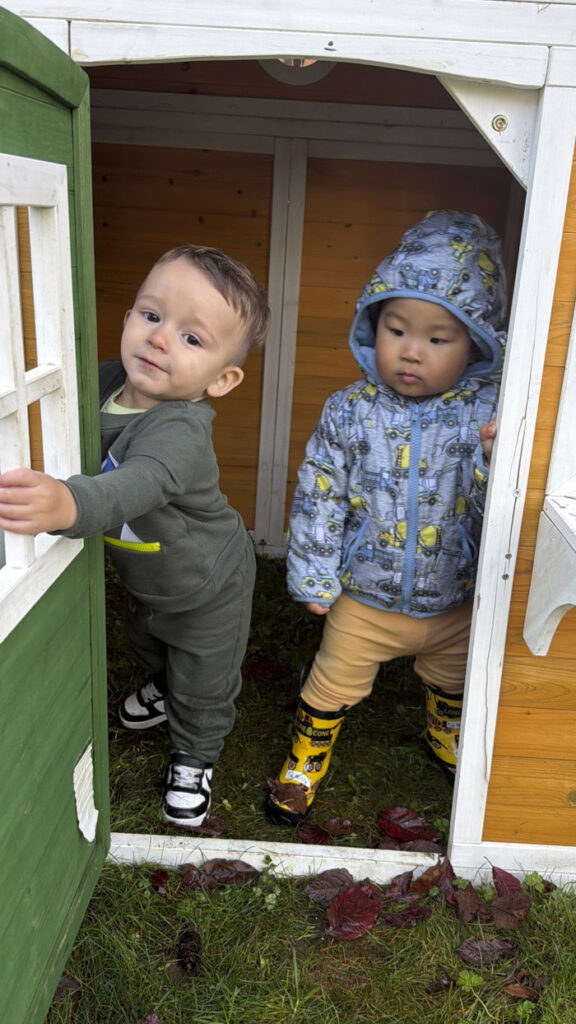
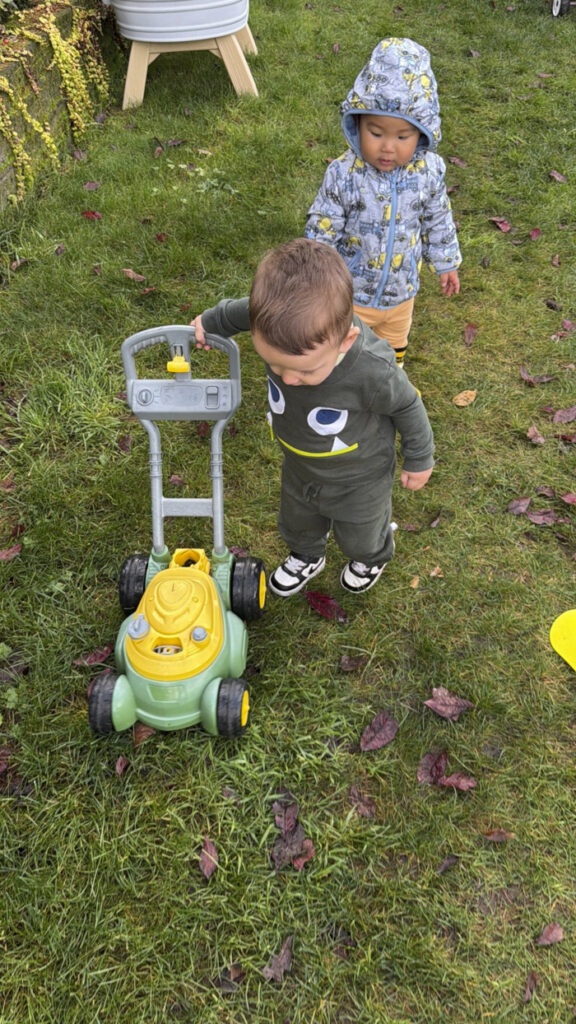
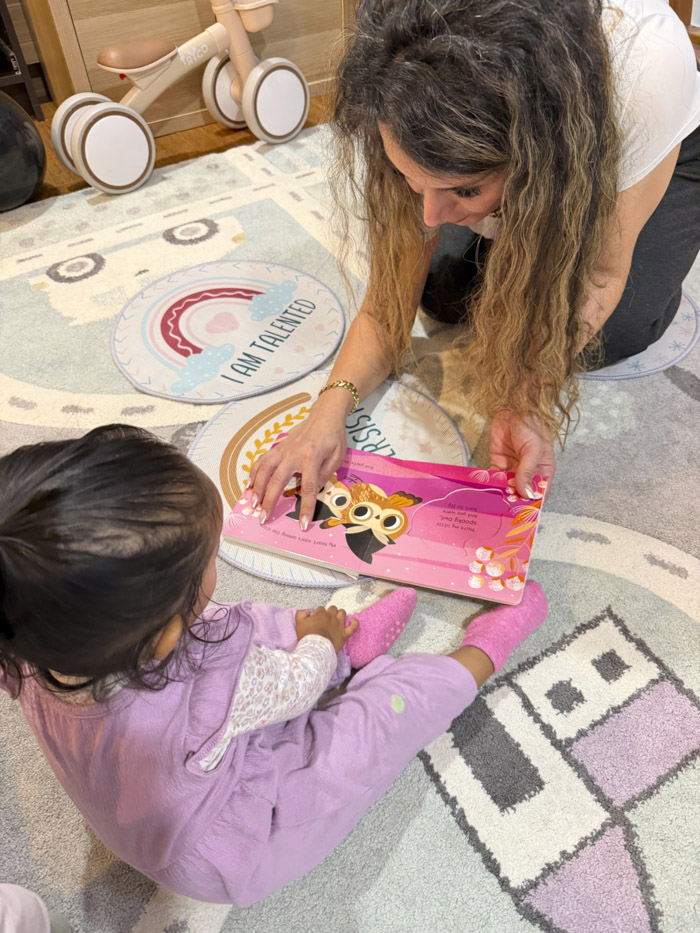
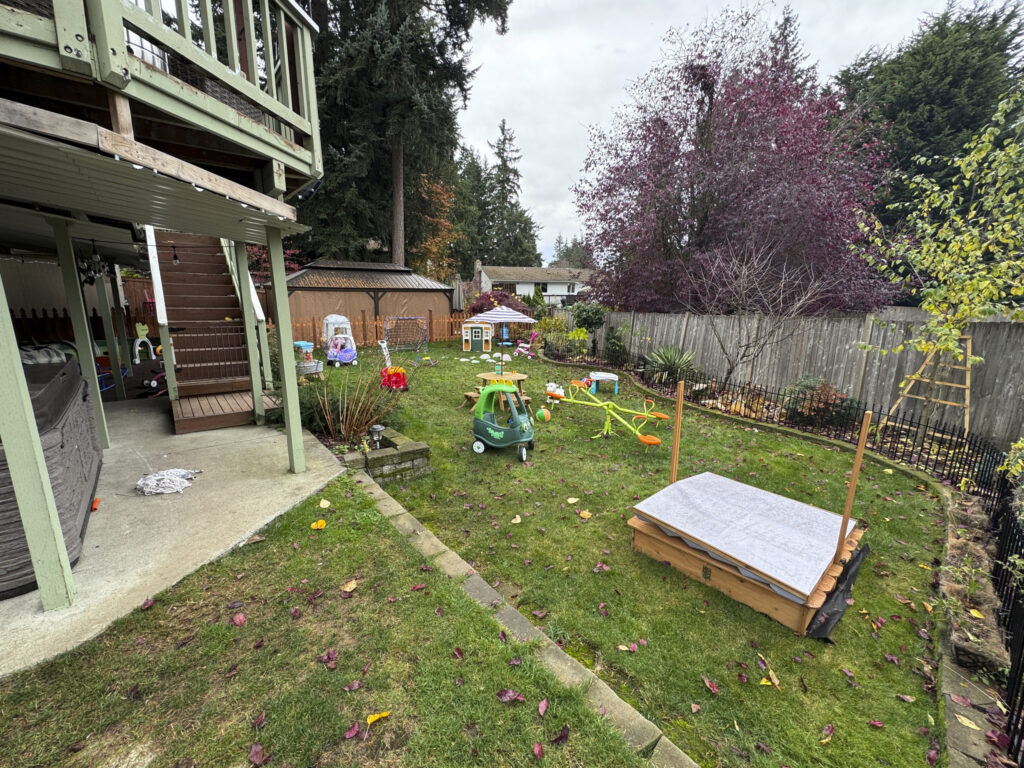
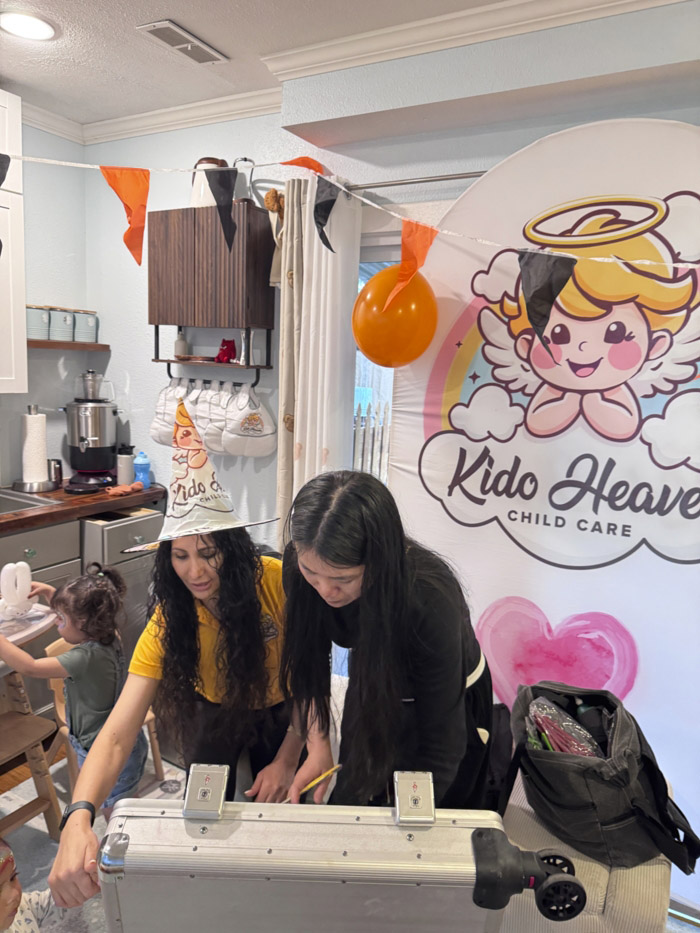
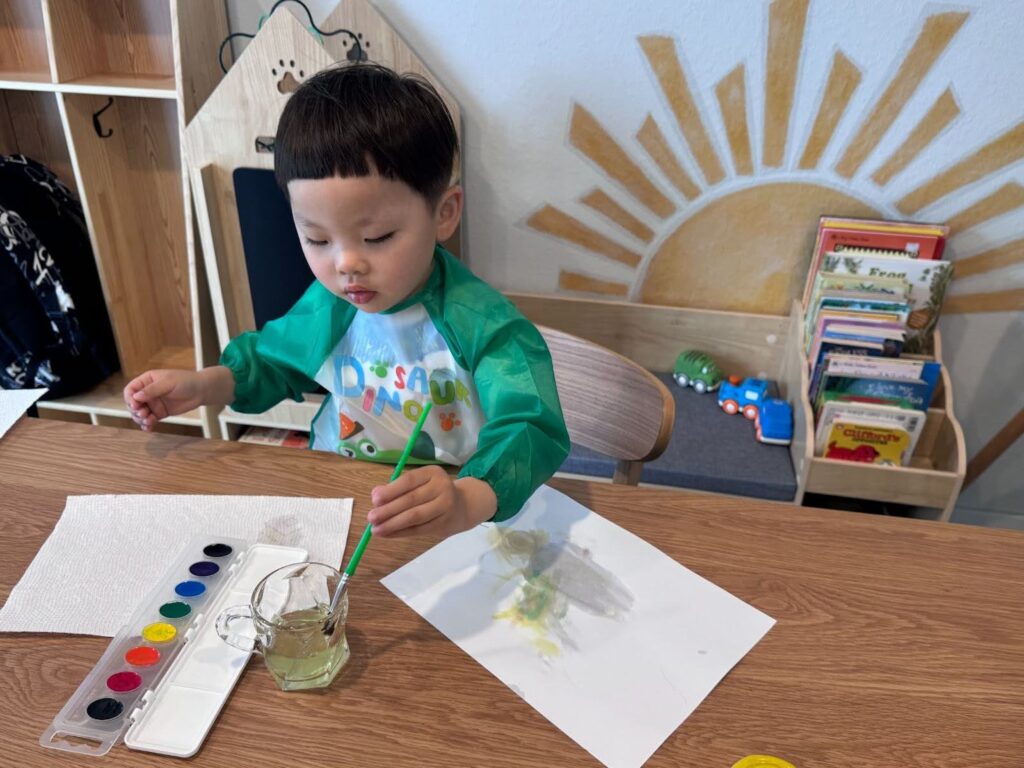
children learning through play in a Reggio Emilia inspired daycare environment

When families search for high-quality early childhood programs, they often encounter terms like play-based learning, child-led curriculum, creativity, and project-based exploration. One of the most respected educational philosophies that brings all of these principles together is the Reggio Emilia Approach.

Originally developed in Italy after World War II, the Reggio Emilia philosophy is now used worldwide in high-quality preschools and early learning environments. It focuses on honoring children’s natural curiosity, creativity, and ability to construct knowledge through exploration, collaboration, and relationships.

At Kido Heaven child care center, we believe learning environments should nurture independence, emotional development, creativity, and meaningful connections. The Reggio Emilia approach closely aligns with our commitment to child-centered, developmentally appropriate education.

This guide explains what the Reggio Emilia approach is, how it works, why it benefits young children, and how families can recognize high-quality implementation in early childhood settings.

🌱 What Is the Reggio Emilia Approach?

The Reggio Emilia Approach is an educational philosophy that views children as:

  • Capable
  • Curious
  • Creative
  • Competent
  • Full of potential

Rather than seeing children as empty vessels to be filled with information, Reggio educators view children as active participants in their own learning. Children construct knowledge through hands-on experiences, exploration, reflection, and relationships with peers and adults.

Learning is driven by children’s interests rather than rigid lesson plans. Teachers carefully observe what children are curious about and design long-term projects that deepen learning across multiple subject areas.
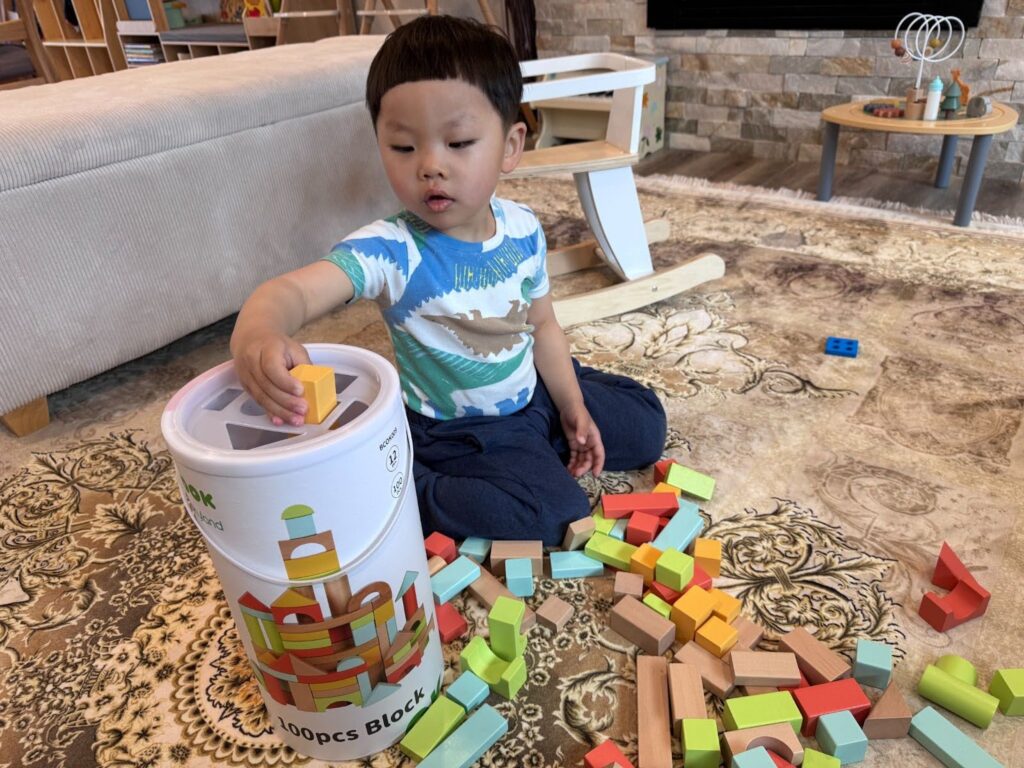
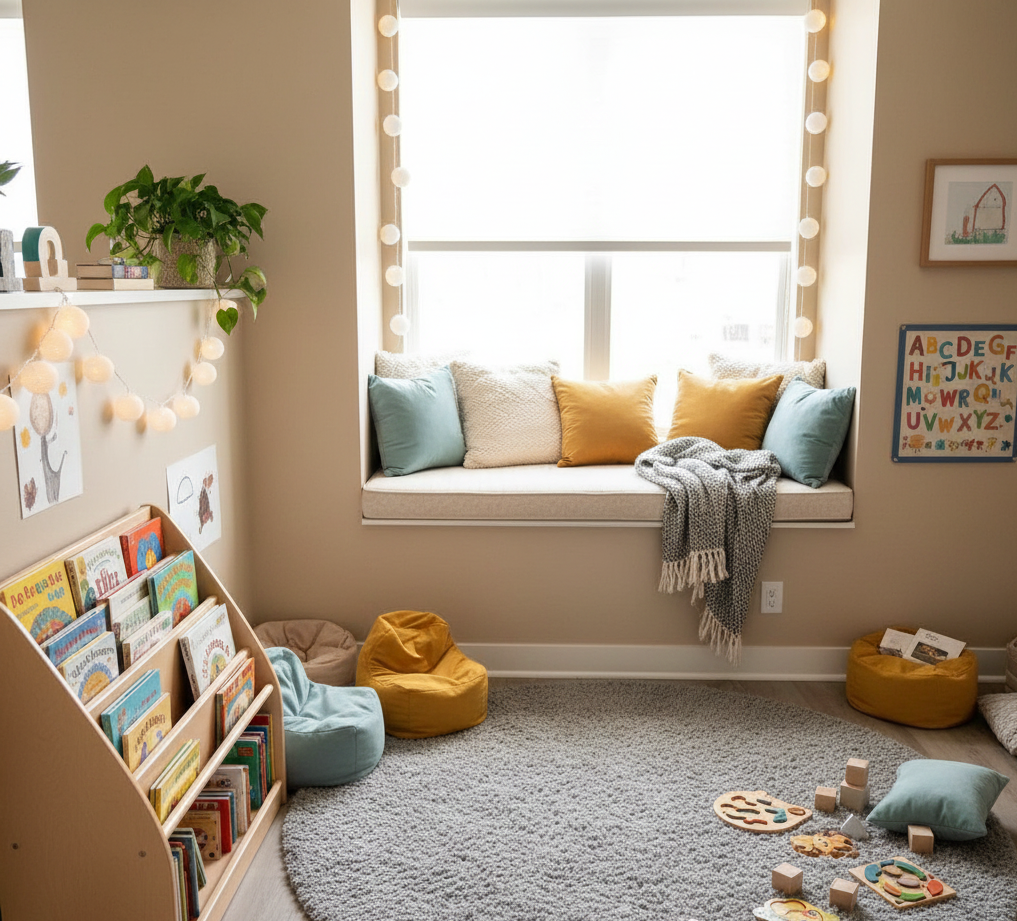
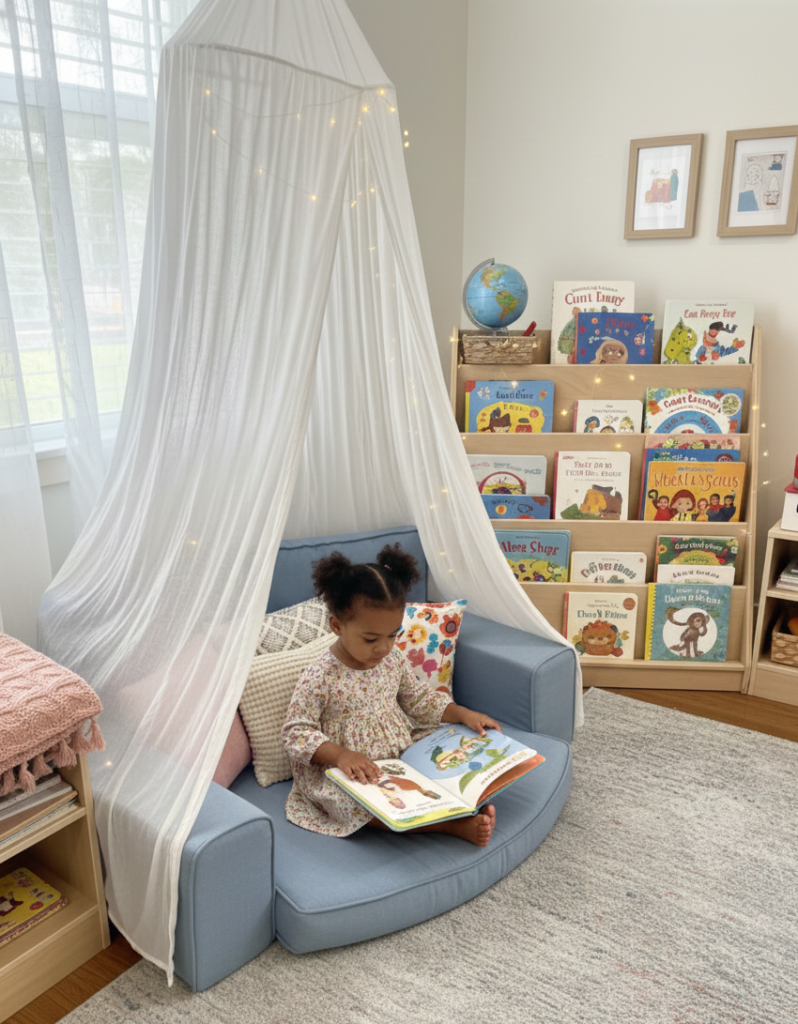
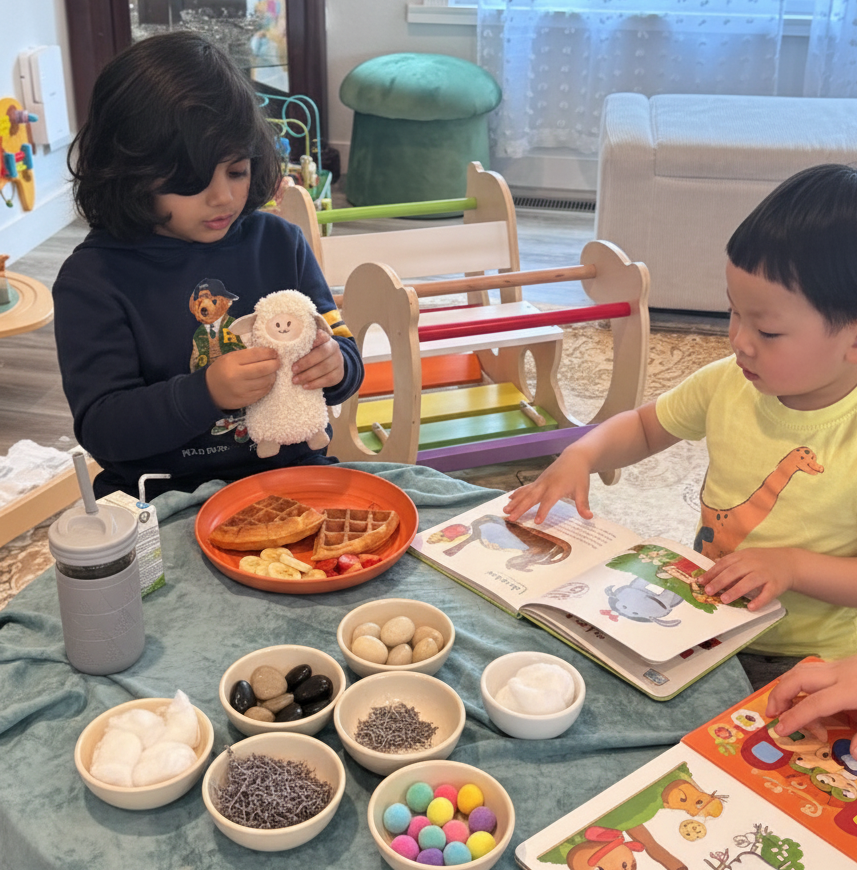
Reggio Emilia classroom with natural materials and child-centered learning

🧠Core Principles of the Reggio Emilia Philosophy

⭐ Children Are Capable and Confident Learners

Children are naturally motivated to understand the world around them. In Reggio-inspired environments, they are respected as thinkers and decision-makers.

Educators encourage children to:

  • Ask questions
  • Experiment and explore
  • Make mistakes safely
  • Solve problems
  • Express ideas
  • Collaborate with peers

This respectful approach builds confidence, independence, and intrinsic motivation.

🏡 The Environment Is the “Third Teacher”

In Reggio Emilia classrooms, the physical environment plays a central role in learning. Spaces are intentionally designed to be calm, beautiful, organized, and inviting.

Common elements include:

  • Natural light and plants
  • Open-ended materials and loose parts
  • Displays of children’s work
  • Accessible shelves
  • Cozy areas for conversation and reflection

A thoughtfully prepared environment encourages creativity, independence, and exploration.

🧩 Learning Happens Through Long-Term Projects

Projects emerge from children’s interests and questions. For example:

  • A curiosity about insects may lead to an in-depth science investigation
  • Nearby construction can inspire exploration of engineering and design
  • Water play can evolve into learning about floating, sinking, and measurement

Projects integrate language, math, science, art, social studies, and emotional development. They may last days, weeks, or even months, allowing children to explore topics deeply and meaningfully.

🎭 The Hundred Languages of Children

The Reggio Emilia philosophy recognizes that children express their thinking in many ways, often referred to as the “hundred languages.” These include:

  • Drawing and painting
  • Music and movement
  • Sculpting and building
  • Drama and storytelling
  • Digital and technological expression

Children are encouraged to communicate ideas creatively and authentically, honoring diverse learning styles.

👩‍🏫 Teachers as Co-Learners and Researchers

In Reggio-inspired programs, teachers act as collaborators rather than lecturers. They observe, listen, and reflect alongside children.

Teachers:

  • Ask open-ended questions
  • Provide meaningful materials
  • Guide exploration
  • Document learning
  • Encourage reflection

Documentation helps educators understand children’s thinking and strengthens communication with families.

❤️ How the Reggio Emilia Approach Supports Whole-Child Development

The Reggio Emilia approach strongly aligns with developmentally appropriate practice (DAP) by supporting children’s social, emotional, cognitive, and physical development through meaningful, child-led experiences.

🤝 Social Development

Children learn cooperation, communication, leadership, and conflict resolution through group projects and shared decision-making.

💛 Emotional Development

Children build confidence, emotional awareness, resilience, and self-expression through strong relationships and creative exploration.

🏃 Physical Development

Hands-on learning supports fine and gross motor skills through art, construction, sensory play, and outdoor experiences.

🧠 Cognitive and Language Development

Children strengthen problem-solving, critical thinking, reasoning, vocabulary, storytelling, and communication skills through inquiry-based learning.
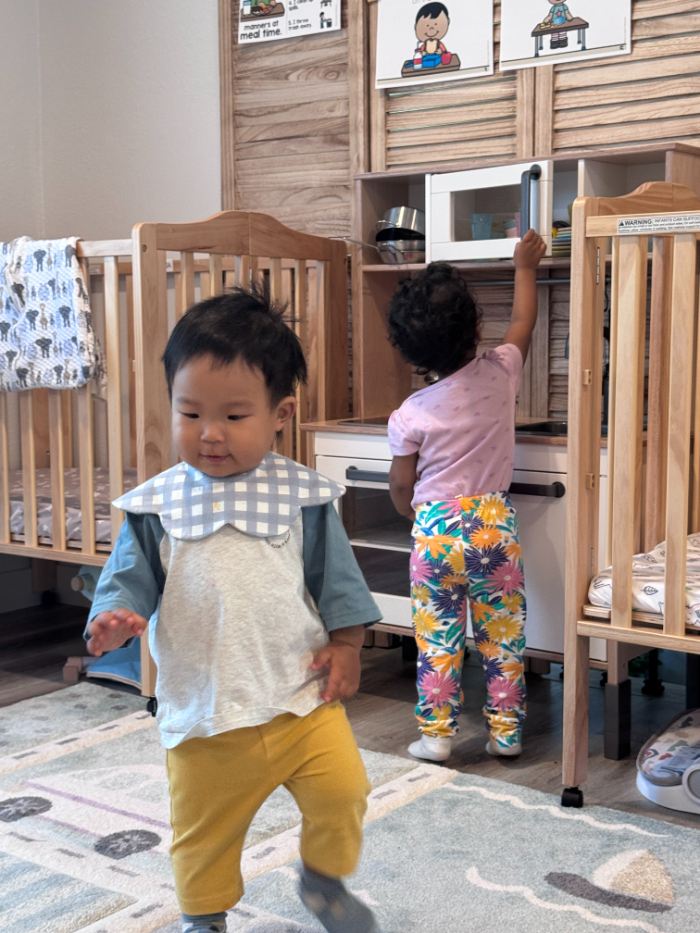
children’s artwork displayed in a Reggio inspired early learning center

👨‍👩‍👧 Family Partnerships in Reggio-Inspired Programs

Families are viewed as essential partners in the learning process. Ongoing communication supports collaboration and trust through:

  • Daily conversations
  • Learning documentation and photos
  • Project displays
  • Family input and cultural sharing

Families contribute ideas, materials, and experiences that enrich classroom projects and strengthen children’s learning.

🏫 What a Reggio-Inspired Classroom Looks Like

In a high-quality Reggio-inspired environment, you may notice:

  • Children working in small collaborative groups
  • Long-term projects displayed throughout the classroom
  • Art materials always accessible
  • Natural materials used instead of plastic toys
  • Teachers observing and documenting learning
  • Children explaining their thinking
  • Calm, respectful, and organized spaces

Learning feels meaningful, unrushed, and deeply engaging.

🌟 Benefits of the Reggio Emilia Approach

Children who experience Reggio-inspired education often develop:

  • Creativity and imagination
  • Independence and confidence
  • Strong communication skills
  • Critical thinking and problem-solving abilities
  • Collaboration and empathy
  • Emotional intelligence
  • A lifelong love of learning

These skills prepare children not only for academic success but for life beyond the classroom.

🌈 Reggio-Inspired Learning at Kido Heaven Child Care

At Kido Heaven daycare, we incorporate Reggio-inspired principles by:

  • Providing open-ended materials
  • Encouraging child-led exploration
  • Displaying children’s work
  • Creating calm and organized learning environments
  • Observing children’s interests
  • Partnering closely with families
  • Respecting cultural diversity

As a licensed daycare in Bothell, we follow Washington State WAC requirements while creating a safe, inspiring environment that supports early learning and development.

🏠 How Families Can Support Reggio Learning at Home

Families can extend Reggio principles beyond the classroom by:

  • Encouraging curiosity and exploration
  • Asking open-ended questions
  • Allowing children to create freely
  • Providing loose parts for imaginative play
  • Listening to children’s ideas
  • Valuing the learning process over the final product
  • Exploring nature together

Everyday experiences become meaningful learning opportunities.

✅ Final Thoughts

The Reggio Emilia approach nurtures curious, confident, and creative learners by honoring each child’s individuality and potential. Through meaningful projects, strong relationships, and thoughtfully designed environments, children develop the skills they need for lifelong success.

If you are looking for early childhood education in Bothell that values creativity, independence, and whole-child development, Kido Heaven in Bothell proudly integrates Reggio-inspired principles into everyday learning.

Why KidoHeaven Stands Out

✅ Licensed in Washington State
✅ Aligned with Early Achievers standards
✅ Working Connections subsidy accepted
✅ Daily updates via Brightwheel
✅ Located in Bothell, serving Mill Creek, Lynnwood & nearby areas
✅ Nutritious snacks, safe outdoor space, & positive mealtime routines

📞 Call 206-734-2040 to schedule a tour
🌐 Enroll now

Follow Our Mealtime Moments

Stay updated with more beautiful outdoor meals and daily learning routines on:

Instagram | Facebook | Nextdoor | Yelp | Winnie | YouTube | Upwards

FAQ

1. Is the Reggio Emilia approach play-based?

Yes. It is a child-led, play-based approach that emphasizes exploration, creativity, and inquiry.

2. Is the Reggio Emilia approach suitable for infants and toddlers?

Yes. Reggio principles can be adapted to support development from infancy through preschool.

3. Is the Reggio Emilia approach aligned with Washington State regulations?

When implemented properly, Reggio-inspired programs can fully align with WAC requirements for early learning environments.

4. How does the Reggio Emilia approach support school readiness?

By building confidence, communication, collaboration, and critical thinking skills, children are well prepared for future academic learning.

Developmentally Appropriate Practice (DAP): How We Support Whole-Child Learning at Kido Heaven Child Care

kidoheaven

Choosing the right early childhood education approach is one of the most important decisions families make. Many parents wonder whether play-based learning truly prepares children for school and life beyond the classroom. At Kido Heaven Child Care in Bothell, Washington, we address these concerns by following Developmentally Appropriate Practice (DAP)—an evidence-based approach that supports children’s growth in meaningful, age-appropriate ways.

DAP focuses on how young children naturally learn best: through play, exploration, relationships, and hands-on experiences. Instead of rushing academics, this approach builds strong foundations for lifelong learning, confidence, and emotional well-being.

What Is Developmentally Appropriate Practice (DAP)?

Developmentally Appropriate Practice is a framework used in high-quality early learning programs to guide intentional teaching. It is based on three essential considerations:

  • How children typically grow and learn at different ages and developmental stages
  • Each child’s individual strengths, interests, needs, and abilities
  • Family culture, language, values, and background

DAP recognizes that children do not develop at the same pace or in the same way. Learning experiences are designed to feel engaging and achievable—never forced or stressful. Children are encouraged to explore, ask questions, make choices, and build confidence at their own pace.

🎯 Why Developmentally Appropriate Practice Matters in Early Childhood Education

Young children learn best when they feel emotionally safe, respected, and supported. A DAP-based environment prioritizes emotional security while promoting growth across all developmental domains.

Through Developmentally Appropriate Practice, children strengthen:

  • Social and emotional skills
  • Language and communication
  • Problem-solving and critical thinking
  • Independence and self-regulation
  • Positive relationships with peers and teachers

At Kido Heaven, educators observe children closely and design activities around their developmental readiness and interests. Everyday moments—such as mealtime conversations, outdoor play, and classroom routines—become powerful learning opportunities.

Children engaging in hands-on play at Kido Heaven Child Care, illustrating developmentally appropriate practice and whole-child learning.

👀 Observation and Assessment: Supporting Individual Growth

Ongoing observation is a core element of developmentally appropriate practice. Rather than relying on formal testing, educators use daily interactions and play to understand each child’s development.

Through intentional observation, teachers can:

  • Identify individual strengths and interests
  • Recognize areas where support is needed
  • Adapt activities to match developmental levels
  • Monitor progress over time

Assessment in DAP is supportive and purposeful. It helps educators plan meaningful experiences that challenge children appropriately while maintaining confidence and emotional safety.

📘 DAP and Early Learning Standards

Developmentally Appropriate Practice works in harmony with early learning standards, including Washington State guidelines. Academic skills are introduced through play-based, hands-on experiences that feel natural and engaging.

Children build early literacy, math, science, and social skills through:

  • Storytelling, books, and daily conversations
  • Building, sorting, and problem-solving activities
  • Sensory exploration and outdoor play
  • Music, art, and imaginative play

Because learning is meaningful and enjoyable, children remain curious and motivated—supporting long-term school readiness.

Young kids building and exploring together, supporting social, emotional, physical, cognitive, and language development in a daycare setting.

🌈 Supporting Whole-Child Development

A defining strength of Developmentally Appropriate Practice is its focus on nurturing the whole child, including social, emotional, physical, cognitive, and language development.

This balanced approach ensures that children develop resilience, confidence, and a love of learning alongside foundational academic skills. By supporting the whole child, early learning programs help children succeed not only in school, but in relationships and life experiences as well.

🤝Partnering With Families

Strong partnerships with families are essential to successful early childhood education. When educators and families work together, children experience consistency, trust, and emotional security.

At Kido Heaven, we value open communication and respect each family’s cultural and linguistic background. Families are encouraged to share insights about their child, celebrate milestones together, and participate in their learning journey.

🌟 Our Commitment at Kido Heaven Child Care

At Kido Heaven Child Care, we are committed to providing high-quality, developmentally appropriate learning experiences in a warm, nurturing environment. Our educators intentionally design play-based experiences that support curiosity, confidence, and whole-child growth.

Families searching for a licensed child care program in Bothell or Mill Creek appreciate our WAC-compliant practices, experienced teachers, and focus on emotional well-being from infancy through preschool.

If you are looking for a child care program that values play-based learning, intentional teaching, and strong family partnerships, we invite you to connect with us and learn more about enrollment at Kido Heaven.

Why KidoHeaven Stands Out

✅ Licensed in Washington State
✅ Aligned with Early Achievers standards
✅ Working Connections subsidy accepted
✅ Daily updates via Brightwheel
✅ Located in Bothell, serving Mill Creek, Lynnwood & nearby areas
✅ Nutritious snacks, safe outdoor space, & positive mealtime routines

📞 Call 206-734-2040 to schedule a tour
🌐 Enroll now

Follow Our Mealtime Moments

Stay updated with more beautiful outdoor meals and daily learning routines on:

Instagram | Facebook | Nextdoor | Yelp | Winnie | YouTube | Upwards

FAQ

1. What is developmentally appropriate practice in child care?

DAP is an evidence-based approach that aligns teaching with children’s age, individual development, and family culture.

2. Is DAP the same as play-based learning?

DAP includes play-based learning but also emphasizes intentional teaching, observation, and emotional support.

3. Does DAP prepare children for kindergarten?

Yes. DAP supports school readiness by building strong social-emotional, language, and problem-solving skills.

3. Is Developmentally Appropriate Practice aligned with Washington State standards?

Yes. DAP aligns with Washington State early learning guidelines and WAC requirements.


What Is Social, Emotional, Physical, Cognitive, and Language Development in Early Childhood

kidoheaven child care

When parents search for high-quality child care in Bothell, they often hear the term “whole-child development.” But what does it really mean?

Whole-child development focuses on five essential areas: social, emotional, physical, cognitive, and language growth. These areas are deeply connected and work together to support healthy learning, confidence, and long-term success.

At Kido Heaven Child Care, we intentionally support all five areas every day through nurturing relationships, play-based learning, and Developmentally Appropriate Practice (DAP).

🤝 Social Development in Early Childhood

Social development is how children learn to interact with others and feel part of a group. In early childhood, children build social skills through activities such as:

  • Sharing and taking turns with peers
  • Cooperative play, like building blocks or group games
  • Making friends and understanding others’ feelings
  • Following classroom routines and expectations
  • Learning respect for others

Example: During circle time, children take turns sharing stories about their weekend. This simple activity teaches listening, patience, and friendship-building.

Strong social skills help children feel confident and connected in child care and preschool environments, setting the stage for future learning and teamwork.

Children playing and learning at Kido Heaven Child Care in Bothell

💛 Emotional Development: Building Self-Regulation

Emotional development helps children recognize, express, and manage their feelings. At Kido Heaven, children learn to:

  • Identify and name emotions, like happy, sad, or frustrated
  • Express feelings in healthy ways, through words or creative activities
  • Build self-confidence by completing tasks independently
  • Manage frustration and stress in guided situations
  • Show empathy by understanding how others feel

Example: A child who is upset about sharing a toy is guided to use words like “I’m sad. Can I have a turn next?” instead of reacting physically.

A strong emotional foundation encourages positive behavior and healthy relationships that last a lifetime.

🏃 Physical Development: Growing Strong Bodies

Physical development includes gross motor skills (large movements) and fine motor skills (small movements). Children strengthen coordination and body awareness through:

  • Running, climbing, and jumping outdoors
  • Movement activities like dance, yoga, and obstacle courses
  • Fine motor activities, such as drawing, cutting, building, or sensory play
  • Balance and hand-eye coordination games

Example: Building a block tower helps improve hand strength and coordination, while outdoor climbing develops balance and gross motor skills.

Healthy physical development not only strengthens the body but also supports brain growth, focus, and overall well-being.

🧠 Cognitive Development: How Children Think and Learn

Cognitive development focuses on how children explore, think, and solve problems. At Kido Heaven, children build cognitive skills through:

  • Hands-on exploration of their environment
  • Sorting, puzzles, and building activities
  • Asking questions and experimenting
  • Understanding cause-and-effect through simple science activities
  • Creative thinking and imagination

Example: When children mix colors in water play or try different ways to build a bridge with blocks, they are learning problem-solving, observation, and early math skills.

Cognitive experiences like these lay the foundation for early science, math, and reasoning skills.

 children engaging in play-based learning at Kido Heaven Child Care

🗣️ Language Development and Early Literacy

Language development supports communication, vocabulary growth, and early literacy. Children strengthen language skills by:

  • Conversations with adults and peers
  • Storytime, music, and rhymes
  • Naming objects, actions, and feelings
  • Listening and responding
  • Exposure to bilingual language experiences

Example: Singing songs with actions or reading a story aloud helps children associate words with meanings, enhancing vocabulary and early reading skills.

Strong language skills prepare children for reading, writing, and school success.

🌈 How the Five Areas Work Together

Children do not develop skills in isolation. When they play, talk, move, and explore, they are simultaneously developing social, emotional, physical, cognitive, and language abilities.

A balanced early learning environment supports the whole child, promoting confidence, curiosity, and independence rather than focusing solely on academics. This is the heart of our Developmentally Appropriate Practice (DAP) approach.

🏫 Whole-Child Development at Kido Heaven Child Care

At Kido Heaven Child Care, our classrooms are intentionally designed to support all five areas of growth. Through play-based learning and DAP, we help children become confident, curious, and capable learners.

Families in Bothell, Mill Creek, and surrounding communities trust us to provide high-quality child care that nurtures lifelong learning.

Ready to see how we support your child’s growth? Explore our programs and enrollment options today!

Why KidoHeaven Stands Out

✅ Licensed in Washington State
✅ Aligned with Early Achievers standards
✅ Working Connections subsidy accepted
✅ Daily updates via Brightwheel
✅ Located in Bothell, serving Mill Creek, Lynnwood & nearby areas
✅ Nutritious snacks, safe outdoor space, & positive mealtime routines

📞 Call 206-734-2040 to schedule a tour
🌐 Enroll now

Follow Our Mealtime Moments

Stay updated with more beautiful outdoor meals and daily learning routines on:

Instagram | Facebook | Nextdoor | Yelp | Winnie | YouTube | Upwards

FAQ

1. At what age do these developmental areas start?

A: Social, emotional, physical, cognitive, and language growth begin from birth and continue through early childhood. Early childhood programs support and enhance these skills.

2. Can my child develop differently from peers?

A: Yes! Every child grows at their own pace. Our teachers use individualized strategies to meet each child’s unique needs.

3. How can parents support development at home?

A: Simple activities like reading together, outdoor play, asking open-ended questions, and talking about feelings strengthen all five areas.


Learning Through Mixed-Age Play in Childcare Settings

Kido Heaven child care center

Mixed-age play—where infants, toddlers, and preschoolers learn and interact together—has long been recognized as a powerful approach in early childhood education. In thoughtfully designed childcare settings, younger children observe and imitate older peers, while older children practice leadership, empathy, and communication. When implemented intentionally and in alignment with Washington State WAC (Washington Administrative Code) requirements, mixed-age play becomes a safe, inclusive, and developmentally rich experience for all children.

This in-depth guide explores how mixed-age interactions foster social, cognitive, emotional, and physical development; the science behind peer learning; and how licensed childcare programs can implement mixed-age play responsibly and effectively.

Understanding Mixed-Age Play in Early Childhood

Mixed-age play refers to educational and play environments where children of different developmental stages interact regularly rather than being strictly separated by age. This model reflects natural family and community settings, where younger and older children learn side by side.

In high-quality childcare programs, mixed-age play is not unstructured chaos. It is intentionally planned, carefully supervised, and guided by early childhood educators who understand developmental milestones, safety considerations, and social dynamics.

The Developmental Science Behind Peer Learning

Peer learning is grounded in well-established child development theories. Children often learn best from observing others who are slightly more advanced than themselves. Older peers model language, problem-solving, self-regulation, and social behaviors in ways that feel accessible and motivating.

Research in early childhood development shows that mixed-age interactions can:

  • Increase engagement and attention span
  • Encourage cooperative problem-solving
  • Support flexible thinking and adaptability

These benefits are particularly strong when educators scaffold interactions and ensure experiences remain developmentally appropriate for all age groups.

mixed-age play in childcare setting

Social-Emotional Benefits of Mixed-Age Interaction

Empathy and Emotional Regulation

When children interact across age groups, they gain early exposure to different emotional needs and communication styles. Older children learn to recognize frustration or uncertainty in younger peers, while younger children feel supported and understood.

This dynamic helps build empathy, patience, and emotional regulation—skills that are foundational for lifelong social success.

Leadership and Confidence Building

Preschoolers in mixed-age settings often take on leadership roles naturally. Helping a toddler stack blocks or showing an infant how a toy works reinforces confidence, responsibility, and positive self-identity.

Rather than competition, mixed-age play encourages collaboration and mutual support.

Cognitive and Language Development Through Observation

Children absorb an enormous amount of information simply by watching others. In mixed-age environments:

  • Infants are exposed to richer language patterns
  • Toddlers hear more complex vocabulary
  • Preschoolers refine storytelling and explanation skills

These interactions promote language expansion, memory development, and early executive functioning skills, all within the context of natural play.

Benefits for Infants, Toddlers, and Preschoolers

Infants Observing Older Children

Infants benefit greatly from watching older children move, speak, and interact. This observation supports early motor planning, attention control, and social awareness. Seeing peers engage with books, music, or problem-solving activities provides powerful developmental stimulation.

Toddlers Learning Through Imitation

Toddlers are especially responsive to imitation. In mixed-age play, they copy behaviors such as turn-taking, simple conversation, and imaginative play. This accelerates social learning and builds confidence in new skills.

Preschoolers as Mentors

Preschool-aged children deepen their understanding by teaching others. Explaining rules, demonstrating tasks, or offering comfort strengthens their cognitive processing and emotional maturity.

Mixed-Age Play and Daycare Group Dynamics

Healthy daycare group dynamics depend on balance. Mixed-age play reduces rigid social hierarchies and creates a cooperative atmosphere where children support one another rather than compete.

Well-managed mixed-age groups often experience:

  • Fewer behavioral conflicts
  • Increased peer cooperation
  • Stronger sense of community

These outcomes align with best practices in early childhood education and support inclusive learning environments.

toddler and preschooler peer learning

Safety, Supervision, and WAC Compliance

In Washington State, childcare providers must meet strict WAC regulations regarding supervision, ratios, and safety. Mixed-age play must always be implemented within these guidelines.

Key WAC-aligned considerations include:

  • Continuous visual and auditory supervision
  • Age-appropriate materials accessible to all children
  • Safe separation of activities when developmental needs differ

Licensed programs ensure that mixed-age play enhances learning without compromising safety or regulatory compliance.

Designing Age-Inclusive Learning Environments

Effective mixed-age classrooms are intentionally designed. Furniture, toys, and activity zones must support a wide range of abilities while minimizing risk.

Best practices include:

  • Low, open shelving for shared materials
  • Soft play areas for infants
  • Clearly defined zones for active and quiet play

These environments encourage exploration while respecting individual developmental stages.

The Educator’s Role in Mixed-Age Classrooms

Educators play a critical role in guiding mixed-age interactions. Their responsibilities include observing group dynamics, facilitating positive interactions, and stepping in when support or redirection is needed.

Skilled educators know when to let children lead and when to scaffold learning, ensuring that every child feels included, challenged, and safe.

Addressing Common Parent Concerns

Parents sometimes worry that mixed-age play may limit academic readiness or pose safety risks. In reality, when implemented correctly, mixed-age play supports school readiness by strengthening social competence, communication skills, and emotional resilience.

Transparent communication, clear policies, and WAC compliance help families feel confident in this approach.

About Kido Heaven Early Learning Center

Families seeking a licensed daycare in Bothell often look for programs that combine educational excellence with a nurturing environment. Kido Heaven early learning center is committed to supporting whole-child development through thoughtful curriculum design, experienced educators, and safe, WAC-compliant practices.

By embracing developmentally appropriate mixed-age interactions, Kido Heaven creates a learning community where children grow socially, emotionally, and cognitively—together.

Why KidoHeaven Stands Out

✅ Licensed in Washington State
✅ Aligned with Early Achievers standards
✅ Working Connections subsidy accepted
✅ Daily updates via Brightwheel
✅ Located in Bothell, serving Mill Creek, Lynnwood & nearby areas
✅ Nutritious snacks, safe outdoor space, & positive mealtime routines

📞 Call 206-734-2040 to schedule a tour
🌐 Enroll now

Follow Our Mealtime Moments

Stay updated with more beautiful outdoor meals and daily learning routines on:

Instagram | Facebook | Nextdoor | Yelp | Winnie | YouTube | Upwards

FAQ

1. Is mixed-age play safe for infants?

Yes, when supervised properly and aligned with WAC requirements, mixed-age play is safe and developmentally beneficial for infants.

2. Does mixed-age play slow academic progress?

No. Social-emotional skills developed through mixed-age interaction support long-term academic success.

3. How do teachers manage different developmental needs?

Educators use differentiated activities, careful supervision, and intentional grouping to meet each child’s needs.

4. Is mixed-age play suitable for full-day childcare?

Yes. Many high-quality programs successfully integrate mixed-age play throughout the day.


How to Support Shy Children In A Busy Childcare Environment

professional child care services in Bothell

Shyness in early childhood is a natural temperament trait, not a weakness or delay. In busy childcare environments—where noise levels are high, routines are structured, and peer interaction is constant—shy children may need intentional emotional support to feel safe, seen, and confident. When caregivers understand how to respond appropriately, shy children can thrive socially, emotionally, and developmentally.

This in-depth guide offers evidence-based, Washington State WAC–aligned strategies for supporting shy infants, toddlers, and preschoolers in group care settings, while fostering inclusion, emotional security, and long-term confidence.

Understanding Shyness in Early Childhood

Shyness is often rooted in a child’s temperament and sensory processing style. Some children are naturally more cautious, observant, or slow to warm up in new environments. This is especially common in early childhood and does not indicate poor social skills or emotional challenges.

Shy children may:

  • Observe before participating
  • Prefer one-on-one interactions
  • Feel overwhelmed by noise or crowds
  • Take longer to adjust to new routines

Recognizing these traits allows childcare providers to respond with empathy rather than pressure.

Why Busy Childcare Environments Can Feel Overwhelming

Childcare settings are stimulating by design. Group play, transitions, music, outdoor activities, and peer interaction all contribute to a fast-paced environment. While many children thrive in this setting, shy children may experience sensory overload or emotional fatigue.

Common challenges include:

  • Difficulty entering group play
  • Anxiety during transitions
  • Reluctance to speak up or ask for help
  • Withdrawal during high-energy activities

Intentional support helps reduce stress and encourages gradual engagement.

WAC Guidelines and Emotional Support in Washington State

Washington Administrative Code (WAC) emphasizes emotional safety, inclusion, and developmentally appropriate care in licensed childcare centers. Supporting shy children aligns directly with these requirements.

Key WAC-aligned principles include:

  • Providing emotionally responsive caregiving
  • Respecting individual developmental differences
  • Creating predictable routines
  • Ensuring inclusive participation without coercion

A WAC-compliant childcare environment recognizes that emotional readiness is as important as physical participation.

Childcare provider offering one-on-one support to a shy child

Supporting Shy Infants in Group Care

One-on-One Emotional Connection

Shy infants benefit greatly from consistent caregiver relationships. Regular one-on-one interactions—such as feeding, holding, and calm verbal engagement—help infants feel secure in a group setting.

Predictable Routines

Consistency builds trust. Infants who know what to expect during feeding, napping, and playtime feel safer and more relaxed, even in busy environments.

Gentle Exposure to Group Activity

Allow shy infants to observe group play from a caregiver’s arms or a quiet space before encouraging participation. Observation is a valid form of engagement.

Helping Shy Toddlers Feel Socially Comfortable

Small Group Interactions

Toddlers often feel more comfortable in small groups. Structured activities with two or three children reduce pressure and allow shy toddlers to practice social skills gradually.

Language Support and Emotional Labeling

Caregivers can model language by naming emotions and social actions:

  • “You’re watching your friends play.”
  • “It’s okay to take your time.”

This builds emotional literacy and confidence.

Respecting Their Pace

Avoid forcing participation. Encouragement should always be invitational, not directive.

Supporting Shy Preschoolers in a Group Setting

Guided Peer Connections

Preschoolers benefit from gentle facilitation. Pair shy children with empathetic peers or assign cooperative tasks that promote shared success.

Role-Playing and Social Stories

Using stories and role-play helps shy preschoolers rehearse social interactions in a low-pressure way.

Positive Reinforcement

Acknowledge effort rather than outcome:

  • “You tried something new today.”
  • “I noticed you joined circle time.”

This builds intrinsic confidence.

hy toddler observing group play in a Bothell daycare classroom

Classroom Strategies That Support Shy Children

Calm Spaces Within the Classroom

Designated quiet areas allow children to regulate emotions without isolating them from the group.

Visual Schedules

Visual cues help shy children anticipate transitions and reduce anxiety.

Sensory-Aware Environment

Reducing noise, clutter, and harsh lighting supports children who are sensitive to stimulation.

These strategies are especially effective in a licensed daycare in Bothell.

Partnering with Families to Support Shy Children

Open communication with families is essential. Parents can provide insight into their child’s temperament, triggers, and comfort strategies.

Best practices include:

  • Daily emotional check-ins
  • Sharing progress observations
  • Aligning home and daycare strategies

This partnership strengthens trust and consistency for the child.

What Not to Do When Supporting Shy Children

  • Do not label children as “too shy.”
  • Avoid comparing children to peers
  • Do not force group participation
  • Avoid ignoring quiet behavior

Shy children need validation, not correction.

Long-Term Benefits of Supporting Shy Children Early

When shy children feel emotionally safe, they develop:

  • Strong self-regulation skills
  • Healthy peer relationships
  • Confidence in group settings
  • Positive attitudes toward learning

Early support lays the foundation for lifelong emotional resilience.

About Kido Heaven

At Kido Heaven daycare, we believe every child deserves to feel emotionally safe, respected, and supported. As a trusted childcare center in Bothell, our approach to early childhood education honors individual temperaments while fostering inclusion, confidence, and growth.

Families looking for licensed daycare in Bothell appreciate our WAC-compliant environment, experienced educators, and commitment to emotional well-being from infancy through preschool. Learn more about our daycare and discover how we support every child’s unique journey.


Why KidoHeaven Stands Out

✅ Licensed in Washington State
✅ Aligned with Early Achievers standards
✅ Working Connections subsidy accepted
✅ Daily updates via Brightwheel
✅ Located in Bothell, serving Mill Creek, Lynnwood & nearby areas
✅ Nutritious snacks, safe outdoor space, & positive mealtime routines

📞 Call 206-734-2040 to schedule a tour
🌐 Enroll now

Follow Our Mealtime Moments

Stay updated with more beautiful outdoor meals and daily learning routines on:

Instagram | Facebook | Nextdoor | Yelp | Winnie | YouTube | Upwards

FAQ

1. Is shyness a developmental delay?

No. Shyness is a temperament trait and not a developmental concern.

2. Should shy children be encouraged to socialize more?

Yes, but gently and at their own pace. Forced interaction can increase anxiety.

3. Can shy children thrive in daycare?

Absolutely. With emotionally responsive care, shy children often flourish.

4. How do caregivers know when to step in?

Caregivers should observe stress signals and provide support without taking control.


Creating a Cozy Reading Nook for All Ages in Daycare

kidoheaven

A cozy reading nook in daycare creates a calm, inviting space that supports early literacy, emotional security, and independent learning for children of all ages. By thoughtfully designing this area with age-appropriate books, safe furniture, proper lighting, and WAC-compliant supervision, daycare providers can encourage infants, toddlers, and preschoolers to engage with books in a way that supports healthy development and a lifelong love of reading.

Why a Reading Nook Matters in Early Childhood Settings

Early exposure to books plays a critical role in language development, cognitive growth, and emotional bonding. In daycare environments, a dedicated reading nook creates a predictable and calming space where children can explore stories independently or share reading experiences with caregivers.

Research consistently shows that children who engage with books early develop stronger vocabulary, listening skills, and comprehension. A reading nook also supports self-regulation by offering a quiet retreat in otherwise busy group-care settings—an essential balance for young children.

Understanding Developmental Needs by Age Group

Designing a single reading nook for multiple age groups requires an understanding of how children interact with books at different developmental stages.

Infants (0–12 months)

Infants experience books through sensory exploration. Soft textures, high-contrast images, and close adult interaction are key. Reading nooks for infants should emphasize floor-level access, physical comfort, and constant supervision.

Toddlers (1–3 years)

Toddlers actively engage with books by pointing, naming objects, repeating words, and turning pages. Durable books, low shelving, and clear organization encourage independence while minimizing frustration.

Preschoolers (3–5 years)

Preschoolers use books to develop storytelling skills, imagination, and early literacy concepts such as sequencing and letter recognition. A reading nook for this age group should support longer engagement, peer interaction, and guided reading activities.

daycare reading nook

Choosing the Right Location in Your Daycare

Location plays a major role in the effectiveness of a daycare reading nook. Ideally, the space should be:

  • Away from loud or high-traffic play areas
  • Fully visible to caregivers for supervision
  • Easily accessible to children of all ages

Low shelves, rugs, or soft dividers can define the reading area without blocking sightlines. Maintaining visibility is especially important to meet Washington State supervision expectations.

Safety and WAC Compliance in Reading Nook Design

Washington State childcare regulations emphasize safe, literacy-rich, and developmentally appropriate environments. When designing a reading nook, ensure that:

  • Furniture is sturdy, non-toxic, and age-appropriate
  • No sharp edges or detachable small parts are present
  • Emergency pathways remain clear
  • All materials are cleanable and well-maintained

Soft furnishings such as cushions and rugs should meet fire safety requirements and be sanitized regularly. Books for infants and toddlers must be free from choking hazards and loose components.

Furniture and Layout for Comfort and Accessibility

Comfort encourages children to remain engaged with books. Effective furniture choices include:

  • Foam mats and floor cushions for infants and toddlers
  • Child-sized chairs or low benches for preschoolers
  • Forward-facing shelves that display book covers

Arrange seating to support both individual reading and shared experiences. Avoid overcrowding, as overly busy spaces can overwhelm young children.

Lighting, Color, and Sensory Elements

Lighting should be soft yet sufficient for reading. Natural light is ideal when available, while warm, indirect artificial lighting works well in interior areas. Avoid harsh overhead lighting directly above the nook.

Calming, neutral colors help create a relaxing atmosphere. Soft textures such as rugs or fabric panels can enhance comfort while also improving acoustics.

Selecting Age-Appropriate Books

Choosing appropriate books is foundational to early literacy.

Infant Books

  • Board books and cloth books
  • High-contrast images
  • Simple faces and familiar objects

Toddler Books

  • Repetitive language and rhythm
  • Interactive features such as flaps or textures
  • Stories focused on everyday routines

Preschooler Reading Materials

  • Storybooks with clear narratives
  • Early concept books (letters, numbers, emotions)
  • Culturally diverse stories and characters

Organizing and Rotating Books Effectively

A cluttered reading nook can discourage engagement. Use labeled baskets or categorized shelves to organize books by age or theme. Rotating books every three to four weeks keeps the space fresh while preserving familiar favorites that provide comfort and confidence.

Encouraging Independent and Guided Reading

Caregivers play a vital role in modeling positive reading behaviors. Sitting with children, asking open-ended questions, and encouraging children to retell stories all support deeper comprehension.

At the same time, the space should invite independent exploration. When children freely choose books, they build autonomy and early learning confidence.

early childhood literacy corner

Inclusion, Cultural Representation, and Accessibility

An effective reading nook reflects the diversity of the children it serves. Include books representing various cultures, languages, abilities, and family structures. Inclusive materials support social-emotional development and help children feel seen and valued.

Accessibility is equally important. Children with mobility or sensory needs should be able to comfortably access the space and materials.

Maintaining Cleanliness and Durability in Shared Spaces

Hygiene is essential in daycare environments. Choose books and materials that can be wiped clean, and establish routines for inspecting damaged items. Replace worn books promptly to maintain safety and quality.

Common Mistakes to Avoid When Setting Up a Daycare Reading Nook

  • Overdecorating the space
  • Using adult-sized furniture
  • Blocking supervision sightlines
  • Providing too many books at once

A successful reading nook is simple, intentional, and responsive to children’s needs.

About Kido Heaven

At Kido Heaven, we believe early literacy begins with intentional environments designed around children’s developmental needs. Our approach emphasizes safe, nurturing, and educational spaces that support growth from infancy through preschool.

Families looking for high-quality daycare services in Bothell trust our commitment to Washington State standards and evidence-based early learning practices. We focus on creating enriching environments—such as thoughtfully designed reading nooks—that help children build strong foundations for lifelong learning.


Why KidoHeaven Stands Out

✅ Licensed in Washington State
✅ Aligned with Early Achievers standards
✅ Working Connections subsidy accepted
✅ Daily updates via Brightwheel
✅ Located in Bothell, serving Mill Creek, Lynnwood & nearby areas
✅ Nutritious snacks, safe outdoor space, & positive mealtime routines

📞 Call 206-734-2040 to schedule a tour
🌐 Enroll now

Follow Our Mealtime Moments

Stay updated with more beautiful outdoor meals and daily learning routines on:

Instagram | Facebook | Nextdoor | Yelp | Winnie | YouTube | Upwards

FAQ

1. How big should a daycare reading nook be?

A reading nook does not need to be large. Even a small, well-defined corner can be effective if it is comfortable, quiet, and accessible.

2. How often should books be rotated?

Most childcare programs rotate books every 3–4 weeks, while keeping a few familiar favorites available at all times.

Can one reading nook serve multiple age groups?

Yes, with thoughtful layout and book selection, a single reading nook can successfully support infants, toddlers, and preschoolers.

Are reading nooks required by Washington State regulations?

While not explicitly required, literacy-rich environments are strongly encouraged and align with WAC quality and developmental guidelines.


How Movement Games Boost Development from Infancy to Preschool

kidoheaven

Movement games play a powerful role in supporting a child’s growth from infancy through preschool. By encouraging crawling, balancing, dancing, and playful physical exploration, these activities strengthen motor skills, support brain development, improve emotional regulation, and build social confidence. When thoughtfully guided and practiced in safe, nurturing environments that follow Washington State WAC standards, movement games help children develop stronger bodies, sharper minds, and happier learning experiences.


What Are Movement Games and Why They Matter

Movement games are structured or guided physical activities that encourage children to use their bodies to explore space, develop coordination, and support whole-child development. These activities are not simply “playtime.” Research consistently shows that movement supports:

  • Neurological development
  • Motor skill refinement
  • Cognitive growth
  • Language development
  • Social skills
  • Self-regulation and emotional confidence

In early childhood education, movement games bridge the gap between learning through play and intentional developmental support, aligning with educational quality standards such as WAC guidelines in Washington State that emphasize safe, developmentally appropriate and supervised learning experiences.

The Role of Movement in Early Brain and Body Development

Movement stimulates neural pathways responsible for memory, executive functioning, and concentration. When a child crawls, jumps, balances, or dances:

  • The vestibular system strengthens, improving balance and spatial awareness.
  • The proprioceptive system develops, helping children understand body positioning.
  • Cognitive processes such as planning, sequencing, and problem-solving are activated.
  • Language learning improves because movement supports engagement and attention.

Organizations like the Centers for Disease Control (CDC) and American Academy of Pediatrics (AAP) highlight that young children need frequent movement opportunities daily to support healthy growth, posture, reflex integration, and emotional well-being.

Movement Games for Infants (0–12 Months)

Infants rely heavily on sensory-motor exploration. Gentle, supervised movement experiences help build foundational strength and coordination.

Key Developmental Goals at This Stage

  • Head and neck control
  • Core strength
  • Crawling readiness
  • Visual and hand-eye coordination
  • Body awareness

Recommended Movement Games

✔ Tummy Time Adventure

Place colorful objects or soft toys around the infant during tummy time to encourage reaching and lifting. This strengthens the neck, shoulders, and upper body.

✔ Rolling Routines

Lay infants on a soft mat and gently guide rolling movements. This supports body awareness and early mobility.

✔ Supported Sitting and Reaching Games

Use rattles and soft balls to encourage babies to reach forward, sideways, and up, improving coordination and stability.

✔ Guided Crawling Paths

Create soft obstacle paths with pillows to motivate crawling, building coordination and strength.

Safety Notes (WAC-Aligned)

  • Always supervise infants
  • Use clean, padded flooring
  • Avoid forcing any movement
  • Follow safe positioning standards
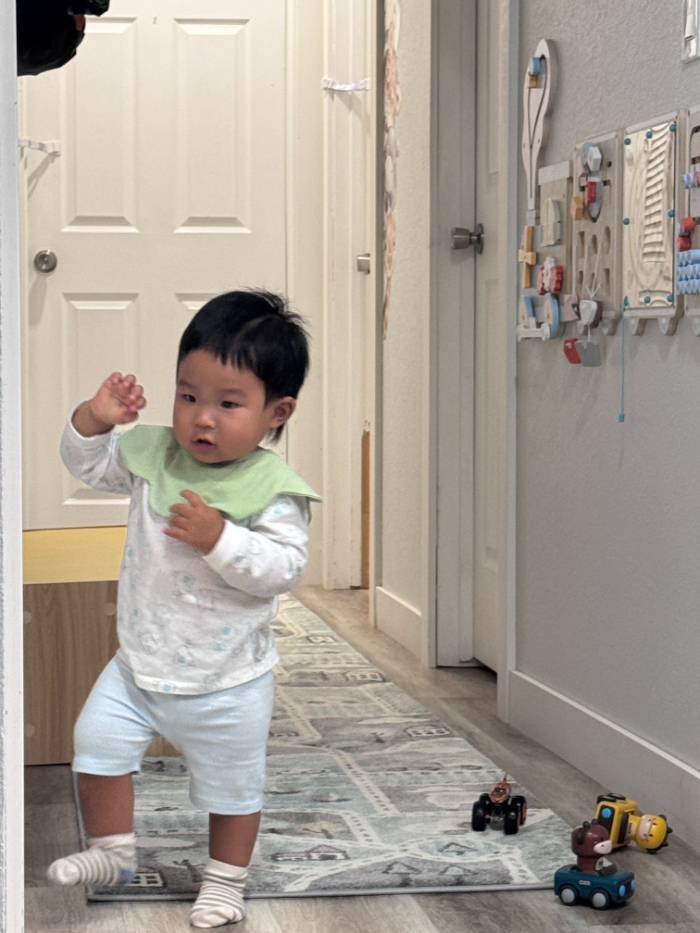
toddler balance and coordination games

Movement Games for Toddlers (1–3 Years)

Toddlers are curious, energetic, and constantly in motion. This stage focuses on walking confidence, coordination, balance, and early problem-solving.

Developmental Goals

  • Strong balance and walking skills
  • Improved coordination
  • Beginning of structured play
  • Early social interaction

Recommended Movement Games

✔ Follow the Leader

Encourage toddlers to mimic clapping, marching, stomping, or slow walking. Enhances imitation, rhythm, and attention.

✔ Soft Ball Rolling and Kicking

Supports eye-hand coordination, gross motor control, and timing.

✔ Tunnel and Cushion Crawling

Encourages problem solving, body awareness, and confidence through safe exploration.

✔ Simple Obstacle Courses

Use cones, cushions, and soft blocks to encourage stepping, turning, balancing, and crawling.

Safety & Inclusion Notes

  • Ensure equipment stability
  • Avoid choking hazards
  • Respect individual developmental pace
  • Provide supportive encouragement instead of pressure

Movement Games for Preschoolers (3–5 Years)

Preschoolers have greater strength, awareness, and imagination. Movement activities now support refined motor skills, structured learning, teamwork, and emotional development.

Developmental Goals

  • Strong gross motor coordination
  • Early athletic skill readiness
  • Emotional regulation
  • Cognitive and social collaboration

Recommended Movement Games

✔ Dancing & Rhythm Games

Guided dancing improves coordination, rhythm, listening skills, and creativity.

✔ Balance and Freeze Games

“Freeze Dance” or “Statue Game” helps develop impulse control and muscle control.

✔ Running and Relay Activities

Encourage direction-following, teamwork, and healthy energy release.

✔ Animal Movement Play

Pretend to hop like a bunny, stomp like an elephant, crawl like a bear. Encourages imagination + muscle engagement.

✔ Parachute or Scarf Movement Play

Supports group cooperation, timing, social bonding, and motor synchronization.

Social, Emotional, and Cognitive Benefits of Movement Play

Movement games do far more than strengthen muscles.

Emotional Development

  • Builds self-confidence
  • Reduces stress
  • Supports emotional expression

Social Growth

  • Encourages teamwork
  • Enhances sharing and turn-taking
  • Builds communication skills

Cognitive Development

  • Strengthens attention span
  • Improves memory
  • Encourages planning and sequencing

Children who engage in frequent movement activities show better school readiness, improved behavior regulation, and higher engagement in learning.

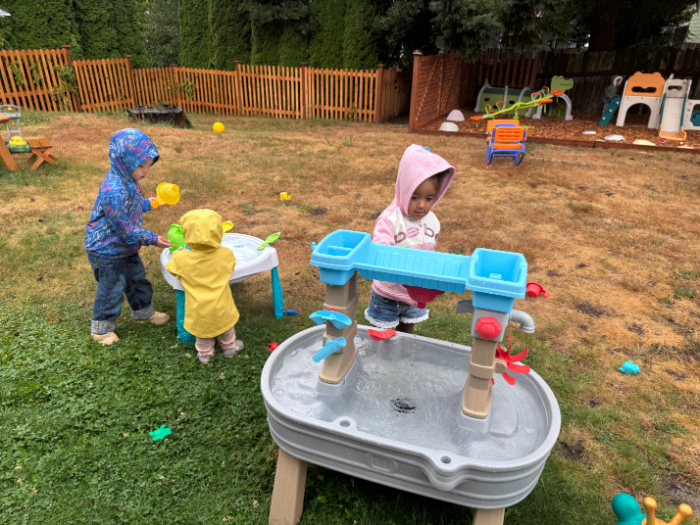
childcare outdoor movement activities

Safety, Inclusion, and WAC-Aligned Best Practices

In Washington State, childcare environments must align with WAC (Washington Administrative Code) standards, which emphasize:

  • Safe, supervised learning environments
  • Age-appropriate equipment
  • Hygiene and cleanliness
  • Inclusive practices
  • Child well-being and developmental appropriateness

Movement games must always:

  • Be supervised by trained childcare staff
  • Use safe, well-maintained equipment
  • Respect children’s physical abilities and developmental differences
  • Encourage participation without pressure

Credible guideline references to support safe practice include:

  • CDC Early Childhood Movement Recommendations
  • American Academy of Pediatrics Movement Guidelines
  • World Health Organization Early Childhood Activity Standards

Practical Tips for Parents and Caregivers

  • Encourage movement daily
  • Provide variety: indoor + outdoor
  • Combine movement with music
  • Avoid screen-based replacements
  • Celebrate effort, not perfection
  • Create safe play spaces

Movement should never feel forced. It should feel joyful, engaging, and supportive.

Childcare Support in Bothell

At KidoHeaven, we believe movement is a foundation for healthy development. Our childcare environment adheres to Washington State WAC standards, ensuring a safe, professionally supervised, developmentally supportive, and joyful learning environment every day. Families looking for nurturing, development-focused environments in Bothell can trust us to support their child’s growth through thoughtfully designed movement experiences and early education programs. Learn more about our trusted programs at Daycare Bothell and child care Bothell, where we prioritize your child’s well-being, development, and happiness.


Why KidoHeaven Stands Out

✅ Licensed in Washington State
✅ Aligned with Early Achievers standards
✅ Working Connections subsidy accepted
✅ Daily updates via Brightwheel
✅ Located in Bothell, serving Mill Creek, Lynnwood & nearby areas
✅ Nutritious snacks, safe outdoor space, & positive mealtime routines

📞 Call 206-734-2040 to schedule a tour
🌐 Enroll now

Follow Our Mealtime Moments

Stay updated with more beautiful outdoor meals and daily learning routines on:

Instagram | Facebook | Nextdoor | Yelp | Winnie | YouTube | Upwards

FAQ

1. How often should young children participate in movement activities?

Daily. Infants benefit from multiple short movement sessions. Toddlers and preschoolers need frequent structured and free movement opportunities.

2. Are movement games safe for all children?

Yes, when supervised, age-appropriate, and inclusive. Always follow safety and WAC guidelines.

3. Can movement games help with learning later in school?

Absolutely. Movement supports memory, focus, self-regulation, and readiness for academic learning.
4. What if a child is shy or hesitant to participate?

Offer gentle encouragement, smaller activities first, and avoid pressure. Confidence builds gradually.


Sensory Storytelling for Young Children in Childcare

kidoheaven

Sensory storytelling transforms ordinary story time into a meaningful learning experience for infants, toddlers, and preschoolers. By using textures, sounds, movement, and visual elements, children don’t just hear a story—they feel, explore, and actively participate in it. This engaging approach supports language development, imagination, emotional growth, and early literacy skills while aligning with developmentally appropriate practices in quality childcare programs.

What Is Sensory Storytelling in Childcare?

Sensory storytelling is an engaging educational approach that involves sharing stories through sight, sound, touch, movement, and sometimes even smell. Instead of children simply listening, they experience the story with their senses, making learning more memorable and meaningful.

Sensory Learning and Brain Development Explained

During early childhood, the brain rapidly develops through sensory input. When children touch textured objects, hear sounds, move their bodies, and visually explore props, they build stronger neural pathways. Sensory storytelling supports:

  • neural growth
  • language processing
  • emotional understanding
  • attention development

Why Sensory Experiences Matter More Than Passive Listening

Traditional storytelling is wonderful, but young children learn best when they are involved. Sensory storytelling transforms passive listening into active participation, helping even the youngest learners stay engaged longer and understand better.

Developmental Benefits of Sensory Storytelling

Language and Early Literacy Growth

Through sensory storytelling, children:

  • learn new vocabulary
  • improve expressive language
  • connect sounds to meaning
  • strengthen comprehension

Children don’t just hear words — they feel and experience them.

Imagination, Creativity, and Cognitive Skills

When stories include textures, movement, and sound effects, children build creativity and mental imagery. Sensory storytelling also strengthens problem-solving, sequencing, and memory skills.

Emotional Regulation & Social Development

Stories help children understand emotions. When combined with sensory elements, children can better relate to experiences, recognize feelings, and develop empathy.

Sensory Integration and Motor Skills

Handling props improves fine motor skills, while movement storytelling supports gross motor development and body awareness.

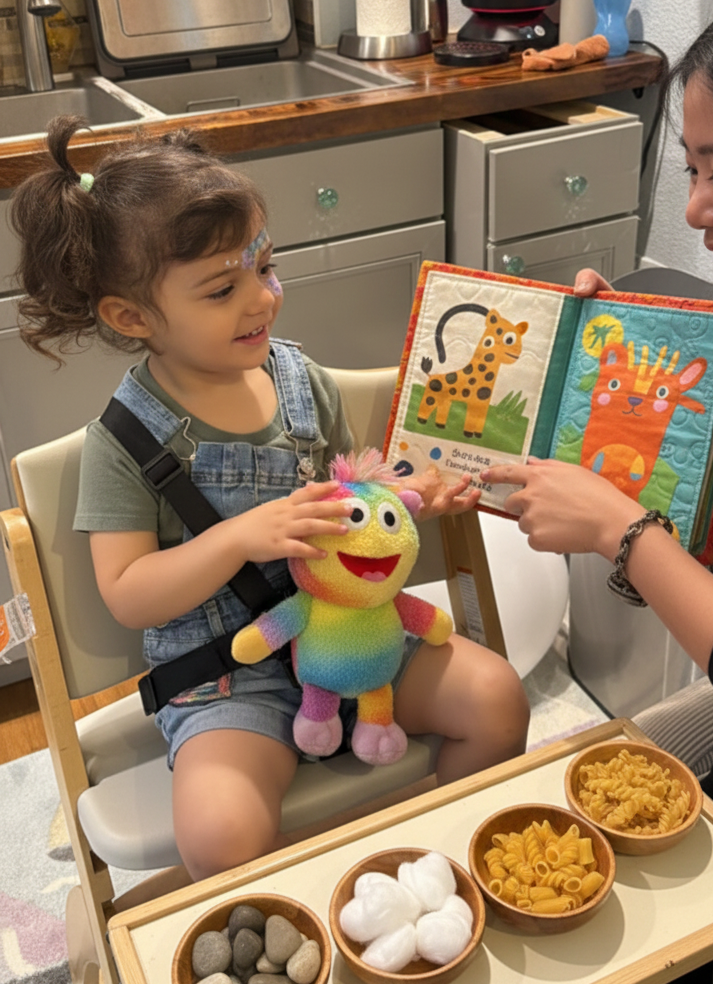
Sensory storytelling activity in childcare classroom

Sensory Storytelling for Different Age Groups

Sensory Storytelling for Infants

Infants respond best to:

  • soft textures
  • gentle sounds
  • high-contrast visuals
  • caregiver-led interaction

Short, soothing storytelling builds secure connections and early communication skills.

Activities for Toddlers

Toddlers love:

  • fabric story boards
  • soft props
  • music and rhythm
  • short repeating sentences

They begin to imitate sounds, act out characters, and engage more independently.

Preschool Sensory Storytelling

Preschoolers can handle more detailed stories. Ideal activities include:

  • themed storytelling bins
  • character role play
  • creative movement
  • early literacy questions

This stage supports stronger comprehension and emerging reading readiness.

Practical Ways Childcare Centers Use Sensory Storytelling

Props, Textures, and Real Objects

Teachers may use:

  • scarves
  • puppets
  • soft plush props
  • themed objects like leaves, shells, fabric

These make stories real and engaging.

Sound Effects, Music, and Rhythm

Instruments, recorded sounds, and teacher-led sound effects help children understand tone, setting, and emotion.

Movement-Based Storytelling

Children may jump like animals, pretend to walk through snow, or sway like trees. This keeps learning active and fun.

Story Corners and Sensory Stations

Dedicated environments help children feel calm, secure, and focused while learning.

Teacher using sensory materials during storytelling

Safety, WAC Compliance, and Best Practices in Washington State

Professional childcare programs in Washington follow WAC (Washington Administrative Code) standards, ensuring activities are safe, developmentally appropriate, inclusive, and emotionally supportive.

Safe, Age-Appropriate Materials

Materials must be:

  • non-toxic
  • size-safe
  • developmentally appropriate
  • well-cleaned

Hygiene and Allergen Awareness

Centers maintain strict hygiene practices and avoid allergen-triggering materials whenever possible.

Inclusive Storytelling Practices

Stories respect cultural diversity, individuality, and emotional well-being.

Emotional Safety

Children are never forced to participate and activities always remain positive, supportive, and nurturing.

How Sensory Storytelling Supports Kindergarten Readiness

Sensory storytelling strengthens:

  • vocabulary
  • listening skills
  • comprehension
  • confidence
  • participation readiness

These are core foundations for successful school transition.

Tips for Parents to Continue Sensory Storytelling at Home

  • Use household objects as story props
  • Encourage dramatic play
  • Read daily
  • Ask open-ended questions
  • Let children retell stories in their own way

Small, consistent storytelling moments make a big developmental difference.

About Our Childcare Program

At KidoHeaven, we believe learning should be joyful, sensory-rich, and developmentally meaningful. Our educators design storytelling experiences that nurture creativity, language, confidence, and emotional well-being while complying with Washington State childcare standards.
If you’re exploring trusted childcare options, our nurturing programs proudly support families seeking Daycare Bothell and quality child care Bothell programs designed around growth, safety, and meaningful learning.


Why KidoHeaven Stands Out

✅ Licensed in Washington State
✅ Aligned with Early Achievers standards
✅ Working Connections subsidy accepted
✅ Daily updates via Brightwheel
✅ Located in Bothell, serving Mill Creek, Lynnwood & nearby areas
✅ Nutritious snacks, safe outdoor space, & positive mealtime routines

📞 Call 206-734-2040 to schedule a tour
🌐 Enroll now

Follow Our Mealtime Moments

Stay updated with more beautiful outdoor meals and daily learning routines on:

Instagram | Facebook | Nextdoor | Yelp | Winnie | YouTube | Upwards

FAQ

1. Is sensory storytelling safe for infants?

Yes—when materials are age-appropriate and supervised.

2. Does sensory storytelling help speech development?

Absolutely. It supports vocabulary, pronunciation, and communication.

3. Can shy children benefit from sensory storytelling?

Yes, it gently encourages participation and builds confidence.

4. Is this approach supported by childcare experts?

Yes, supported by developmental science, early childhood educators, and leading child development organizations.


Building Early Friendships in Infants, Toddlers, and Preschoolers

kidoheaven

Building early friendships is a vital part of a child’s growth. From infancy to preschool, children learn to communicate, share, and cooperate with peers. Through guided play, storytelling, and supportive interactions, caregivers and educators can help children develop social skills that lay the foundation for lifelong relationships and emotional well-being. This article explores strategies for fostering friendships at every stage of early childhood, ensuring children thrive both socially and emotionally.

Why Early Friendships Matter in Child Development

Early friendships are powerful building blocks in a child’s emotional, cognitive, and social growth. Positive peer connections help children develop confidence, empathy, communication skills, emotional regulation, and resilience. When children form bonds early, they learn how to express their thoughts, understand others’ emotions, and cooperate in shared environments.

Emotional & Social Benefits

Children who engage in early peer relationships often demonstrate:

  • Better emotional expression and self-control
  • Stronger sense of belonging
  • Reduced anxiety in social settings
  • Higher self-esteem and problem-solving abilities

Brain Development and Early Peer Interaction

Social experiences stimulate areas of the brain responsible for memory, emotional processing, and language skills. Play-based social engagement strengthens neural connections and supports long-term academic and behavioral success.

Long-Term Impact

Children who develop friendships early are more likely to:

  • Adapt easily to school settings
  • Build leadership and teamwork skills
  • Develop lifelong positive relationship habits

Stages of Social Development

Infants (0–12 months)

Infants begin social awareness through:

  • Eye contact
  • Facial responses
  • Babbling and cooing
  • Early parallel observation

They may not “play together,” but they notice and respond to others.

Toddlers (1–3 years)

Toddlers move from parallel play to simple cooperative play. They start to:

  • Share space
  • Mimic peers
  • Express emotions verbally and physically
  • Show early empathy

Preschoolers (3–5 years)

Preschool-aged children begin meaningful friendships. They:

  • Engage in group activities
  • Develop negotiation and turn-taking skills
  • Understand teamwork
  • Experience deeper emotional bonding

Alignment with Washington State WAC Standards

Washington State WAC emphasizes:

  • Safe emotional environments
  • Age-appropriate social interactions
  • Teacher-guided social learning
  • Inclusive and respectful peer engagement

This ensures structured, developmentally appropriate social growth for every child.

Toddler sharing toys

Encouraging Friendships in Infants

Even though infants cannot “play together” in the traditional sense, meaningful foundations for friendship can begin early.

Parallel Play & Sensory Engagement

Provide opportunities for side-by-side play using:

  • Soft toys
  • Sensory mats
  • Musical rattles
  • Visual interactive toys

This exposure encourages comfort around peers.

Shared Storytelling & Face-to-Face Interaction

Reading, singing, and gentle interactive storytelling help infants recognize emotional tones, sounds, and social presence.

Responsive Care

Supportive adult guidance helps infants:

  • Feel secure
  • Develop trust
  • Begin social awareness

Supporting Social Connections in Toddlers

Toddlers learn best through guided cooperative play and consistent emotional modeling.

Cooperative Games

Activities such as:

  • Simple building block tasks
  • Rolling balls to each other
  • Music and dance sessions
    promote teamwork and communication.

Teaching Sharing & Empathy

Toddlers need gentle reinforcement. Teachers and caregivers can:

  • Model positive sharing
  • Use emotional labeling (“You feel sad,” “Your friend wants a turn”)
  • Encourage turn-taking routines

Language Development

Toddlers need help expressing emotions using words. Support them with:

  • Emotion cards
  • Simple communication prompts
  • Encouraging verbal expression over physical response

Building Peer Relationships in Preschoolers

Preschoolers are ready for deeper, more meaningful friendships.

Group Learning & Collaborative Play

Small-group activities help preschoolers:

  • Share leadership roles
  • Solve problems together
  • Strengthen communication skills

Role-Playing & Story Creation

Pretend play allows them to:

  • Understand perspectives
  • Build imagination
  • Develop social negotiation skills

Conflict Management

Preschoolers begin learning:

  • Problem-solving strategies
  • Emotional regulation
  • How to apologize and reconnect
Teacher supporting social interactions

Creating a Friendship-Focused Daycare Environment

A supportive classroom environment plays a vital role in social development.

Friendship Play Zones

Design areas for:

  • Dramatic play
  • Reading corners
  • Group activity tables
  • Outdoor cooperative play

Emotional Safety & Inclusion

Children thrive when they:

  • Feel seen and respected
  • Experience fair guidance
  • Learn in a culturally inclusive space

Teacher Support

Educators should:

  • Model positive peer relationships
  • Encourage kindness
  • Support emotional learning

WAC Compliance

Washington State WAC supports:

  • Emotional well-being
  • Safe peer interaction
  • Structured learning environments

Family Role in Building Friendships

Parents are essential partners in social development.

Playdates & Family Interaction

Organize age-appropriate social opportunities such as:

  • Playdates
  • Family gatherings
  • Parent-supported group activities

Emotional Education at Home

Teach children to:

  • Use words to express feelings
  • Recognize others’ emotions
  • Practice kindness daily

Align Home & Daycare Practices

Consistency between home and daycare strengthens learning outcomes.

Friendship-Building Activities by Age

Infants

  • Mirror play
  • Soft sensory toys
  • Group music sessions

Toddlers

  • Passing games
  • Building towers together
  • Art sharing activities

Preschoolers

  • Group storytelling
  • Cooperative puzzles
  • Team-based outdoor play

Common Social Challenges & Solutions

Shyness

Use gentle encouragement, not pressure.

Difficulty Sharing

Practice structured turn-taking games.

Emotional Outbursts

Teach breathing and calm-down strategies.

Research-Backed Insights

Authoritative sources recommend structured social learning for early childhood development, including organizations such as:

  • CDC Child Development
  • Zero to Three
  • American Psychological Association (APA)
  • Washington State DCYF

About KidoHeaven

At KidoHeaven, we believe in nurturing meaningful connections that support emotional growth, learning, and lifelong confidence. Our programs are designed to encourage cooperative learning, emotional safety, and joyful interactions for every child. Families looking for a nurturing and socially rich learning environment can trust us to provide a warm, structured, and developmentally supportive experience.

We proudly support families searching for Daycare Bothell and Child Care Bothell with high-quality early learning and friendship-focused environments.


Why KidoHeaven Stands Out

✅ Licensed in Washington State
✅ Aligned with Early Achievers standards
✅ Working Connections subsidy accepted
✅ Daily updates via Brightwheel
✅ Located in Bothell, serving Mill Creek, Lynnwood & nearby areas
✅ Nutritious snacks, safe outdoor space, & positive mealtime routines

📞 Call 206-734-2040 to schedule a tour
🌐 Enroll now

Follow Our Mealtime Moments

Stay updated with more beautiful outdoor meals and daily learning routines on:

Instagram | Facebook | Nextdoor | Yelp | Winnie | YouTube | Upwards

FAQ

1. At what age do children start forming friendships?

Meaningful friendships typically begin around preschool age.

2. Can infants develop social awareness?

3. Yes, infants develop early emotional and social responses from birth.

4. Why is parallel play important?

It builds social comfort and early interaction foundations.

5. How can parents support social development?

Provide interaction opportunities and model emotional behavior.

6. What if my child is shy?

Patience, supportive guidance, and gentle exposure help significantly.

7. Do friendships help academic success?

Yes, social confidence enhances learning abilities.


Choosing the Best Daycare for Infant and Toddler Development

kidoheaven

Early childhood is the foundation of lifelong learning, emotional health, and social confidence. During the infant, toddler, and preschool years, the brain is rapidly developing, and the environment a child spends most of their time in plays a critical role in shaping this growth. Choosing the best daycare is not simply about convenience—it is about ensuring children receive nurturing care, safe surroundings, structured learning opportunities, and emotional support from highly trained professionals.

A high-quality daycare supports infant and toddler development through trained caregivers, intentional developmental programs, safe environments, structured routines, and strong communication with families. This guide explains how to identify the right daycare, what quality standards to look for, and how parents can confidently select the best childcare program for their little ones.

Understanding Early Childhood Development

Infant Development Needs

Infants rely heavily on responsive caregiving. During this stage, their emotional security is built through trust, comfort, and physical closeness. Daycare caregivers must respond promptly to crying, hunger cues, and emotional needs. Early exposure to talking, singing, gentle play, and eye contact helps build early language and cognitive foundations.

Infants also benefit from safe physical exploration such as tummy time, reaching for toys, sensory play, and guided movement. A quality infant daycare program recognizes that infants do not simply need supervision—they need nurturing emotional connections and developmentally-appropriate stimulation.

Toddler Growth and Exploration

Toddlers are curious, energetic, and eager to understand the world around them. This is the stage where vocabulary rapidly expands, motor skills strengthen, and independence emerges. Toddlers need a structured yet flexible environment where they can explore safely, interact with peers, and express themselves.

A strong daycare program provides:

  • Hands-on learning activities
  • Storytelling and early language engagement
  • Opportunities for decision making
  • Gentle emotional guidance
  • Safe and stimulating play spaces

Toddlers learn best through play experiences that encourage thinking, problem-solving, creativity, and social interaction.

Preschool Readiness & Early Education

As children approach the preschool stage, daycare programs should begin preparing them for structured classroom environments. Instead of pushing academics, developmentally appropriate preschool readiness focuses on cognitive skills, communication ability, emotional management, cooperation, and curiosity.

This includes:

  • Early literacy introduction
  • Basic math awareness through play
  • Group participation
  • Self-help skills
  • Listening and attention building

By supporting these areas properly, daycare plays a major role in school readiness and future success.

safe and welcoming daycare environment

What Defines a High-Quality Daycare Program?

Licensed and Compliant with Washington State WAC Standards

In Washington State, daycare centers must follow strict WAC (Washington Administrative Code) childcare standards to ensure safety, staffing quality, health protocols, and learning environments. Parents should always verify that a daycare is properly licensed, adheres to staff training standards, meets child-to-teacher ratios, and follows health and safety regulations.

Licensing ensures:

  • Background-checked caregivers
  • Safe facility standards
  • Emergency procedures
  • Health protections
  • Verified educational practices

Choosing a licensed daycare is one of the most important steps in protecting your child’s well-being.

Qualified and Compassionate Staff

Caregivers must be more than supervisors—they must understand child psychology, developmental milestones, emotional needs, and safety standards. Trained educators know how to engage children through meaningful play, provide emotional reassurance, encourage independence, and manage behavior in positive ways.

Look for:

  • Early childhood education training
  • Ongoing professional development
  • Warm, supportive interactions
  • Respectful communication with children
  • Consistency and stability

Children thrive most when they feel seen, valued, and loved.

Safe, Clean, and Well-Designed Environment

A daycare environment should be bright, organized, inviting, and specifically designed for different age groups. Cleanliness and hygiene are essential to protect children from illness. Age-appropriate toys, soft play areas for infants, safe climbing and activity stations for toddlers, and structured learning areas for preschoolers help support development in every stage.

Appropriate Child-to-Caregiver Ratios

Washington childcare guidelines outline strict ratio requirements. Smaller groups mean children receive attention, emotional support, and individualized care. Parents should confirm these ratios and ensure staff are attentive rather than overwhelmed.

Curriculum and Learning Through Play

Developmentally Appropriate Infant Care

Quality infant daycare programs focus on secure attachment, sensory exploration, soothing routines, and gentle engagement.

Activities may include:

  • Music and gentle rhythm introduction
  • Sensory objects
  • Soft play and movement
  • Early communication interactions

Toddler Learning Through Exploration

Toddlers benefit from structured play experiences designed to stimulate their curiosity while reinforcing early skills.

Examples include:

  • Storytime and interactive reading
  • Art and creative play
  • Language games
  • Simple problem-solving activities
  • Movement and outdoor exploration

These experiences encourage social skills, creativity, confidence, and communication.

Preschool Readiness Experiences

Quality daycare gradually prepares children for a more structured learning environment. Preschool readiness programs should be play-based rather than academically pressured, ensuring children enjoy learning.

caregiver interacting with children in development-focused daycare

Social and Emotional Support in Daycare

A daycare must prioritize emotional well-being. Children need caregivers who comfort them, teach them how to share, help them handle frustration, encourage kindness, and build confidence. Positive emotional experiences during early childhood strongly influence self-esteem and social development throughout life.

Health, Safety, and Nutrition Standards

Strong Health and Hygiene Policies

Parents should confirm illness policies, vaccination adherence, sanitation routines, handwashing standards, and cleaning schedules. A dependable daycare prioritizes child health at every level.

Balanced Nutrition & Healthy Routines

Proper nutrition fuels brain development and physical growth. Daycares should provide balanced meals or follow approved nutritional guidelines. Consistent nap routines, comfortable sleep environments, and safe sleeping practices are also crucial.

Family Engagement and Parent Communication

Quality daycare supports parents too. Families should receive daily updates, progress notes, behavior reports, and developmental feedback. Open communication builds trust and ensures parents feel connected to their child’s learning journey.

How to Evaluate and Select the Best Daycare

Key Questions to Ask During a Visit

  • Are caregivers licensed and trained?
  • What are the caregiver-to-child ratios?
  • How is safety ensured?
  • What curriculum approach is used?
  • How are behavior and emotions managed?
  • How is parent communication handled?

Red Flags to Avoid

  • Unlicensed facilities
  • Unclean or unsafe environments
  • High turnover of staff
  • Lack of structure
  • Ignored crying children
  • Poor communication

Balancing Cost, Location, and Quality

While budget and convenience matter, quality, safety, and emotional support must always come first. The best daycare is the one that feels right for both your child and your family.

KidoHeaven

KidoHeaven is dedicated to providing a nurturing, safe, and development-focused childcare experience for infants, toddlers, and preschoolers. Our programs are designed to support emotional growth, early learning, social confidence, and healthy development through structured play, trained educators, secure environments, and strong family communication. If you are looking for trusted Daycare Bothell options or reliable chid care Bothell services that truly understand children’s developmental needs, KidoHeaven is committed to helping your child grow, learn, and thrive with confidence every day.


Why KidoHeaven Stands Out

✅ Licensed in Washington State
✅ Aligned with Early Achievers standards
✅ Working Connections subsidy accepted
✅ Daily updates via Brightwheel
✅ Located in Bothell, serving Mill Creek, Lynnwood & nearby areas
✅ Nutritious snacks, safe outdoor space, & positive mealtime routines

📞 Call 206-734-2040 to schedule a tour
🌐 Enroll now

Follow Our Mealtime Moments

Stay updated with more beautiful outdoor meals and daily learning routines on:

Instagram | Facebook | Nextdoor | Yelp | Winnie | YouTube | Upwards

FAQ

1. What should I prioritize when choosing daycare for an infant?

Responsive caregivers, safety, licensing, clean environments, and nurturing emotional care.

2. How does daycare benefit toddler development?

Daycare encourages social interaction, language growth, independence, problem-solving, and emotional maturity.

3. Is play-based learning better than academic programs?

Yes. Research shows children learn best through structured play, especially in early development.

4. How often should I communicate with daycare staff?

Regular communication is essential. Quality facilities provide daily updates and developmental feedback.

5. Can daycare support preschool readiness?

Absolutely. Quality programs build emotional confidence, communication skills, curiosity, and early learning foundations.