Why Cognitive Development Matters for Your Child’s Early Years

kidoheaven

Every giggle during peek-a-boo or “why” question from your preschooler signals a growing mind. Cognitive development in early childhood shapes how children think, learn, and solve problems. By understanding this process, parents can nurture their child’s growth without undue pressure. Jean Piaget’s Cognitive Developmental Theory reveals how young minds evolve, with play-based learning at its core. This article explores Piaget’s stages, practical parenting tips, and how a nurturing environment, like Kido Heaven’s, fosters lifelong learning. Ready to unlock your child’s potential? Let’s dive in!

What Is Cognitive Development?

Cognitive development is the process through which children build skills like memory, problem-solving, and critical thinking. From birth to age 7, the brain forms connections at a rapid pace, shaping how kids understand the world. For example, a toddler sorting shapes or a preschooler inventing a story is developing cognitively. As Zero to Three notes, early experiences lay the foundation for lifelong learning.

Understanding this process helps parents foster curiosity, helping kids thrive without the stress of premature expectations. It’s about sparking a love for discovery, not just academic milestones.

Piaget’s Cognitive Developmental Theory

Jean Piaget, a Swiss psychologist, revolutionized our understanding of how children think. His Cognitive Developmental Theory outlines four stages of learning, each building on the last. These stages guide parents and educators in tailoring activities to a child’s developmental needs.

Sensorimotor Stage (Birth–2 Years)

Infants learn through senses and actions—touching, mouthing, and moving. A key milestone is object permanence, where babies realize objects exist even when hidden. For example, a baby laughs during peek-a-boo, learning you’re still there.

Preoperational Stage (2–7 Years)

Preschoolers embrace language, imagination, and pretend play. They might turn a stick into a wand but struggle with egocentrism, finding it hard to see others’ perspectives. For instance, a 4-year-old may insist their way of sorting toys is the only correct one. Play like storytelling fuels cognitive growth.

Concrete Operational Stage (7–11 Years)

Children start thinking logically about concrete objects. They grasp conservation—understanding that pouring water into a different glass doesn’t change its volume. For example, a 7-year-old can count coins accurately and explain why.

Formal Operational Stage (12+ Years)

Teens develop abstract thinking, tackling problems like algebra or debating hypothetical scenarios. They can ponder “what if” questions, like imagining life on Mars.

Learn more at Verywell Mind’s overview of Piaget’s stages.
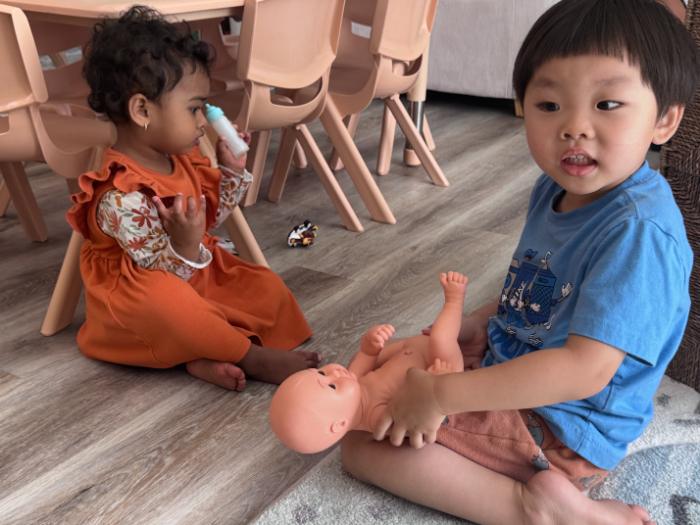
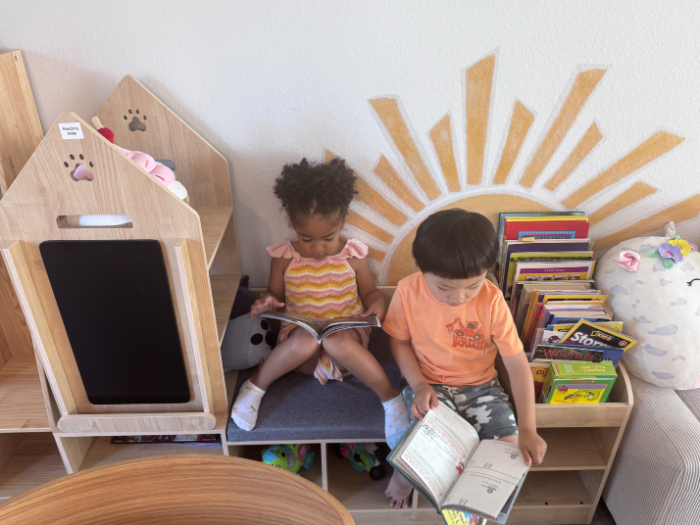
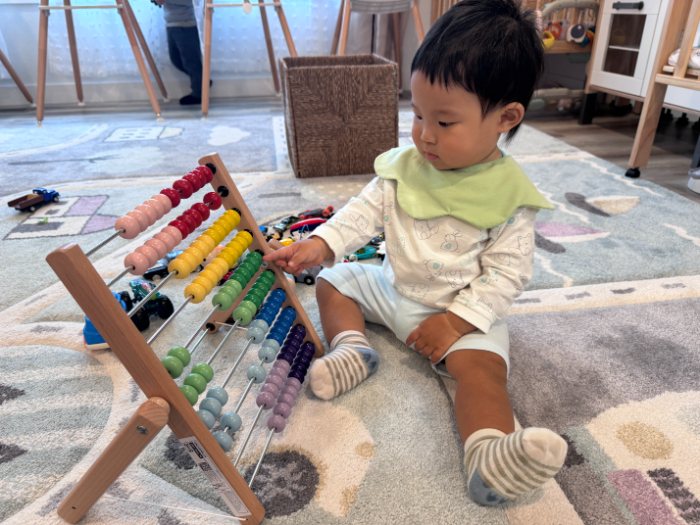
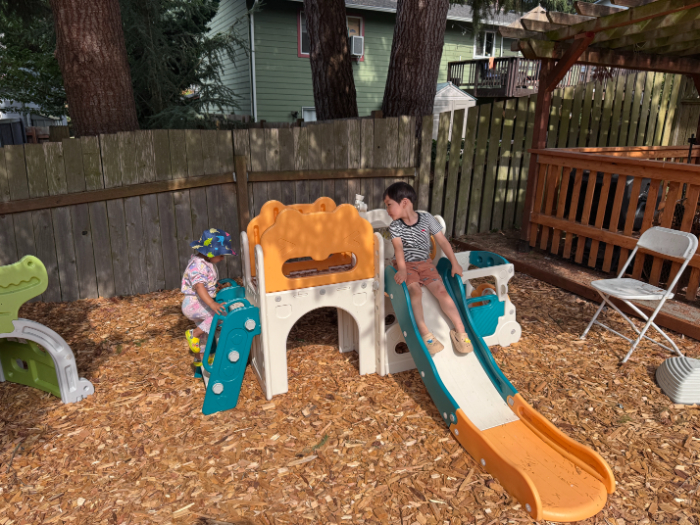
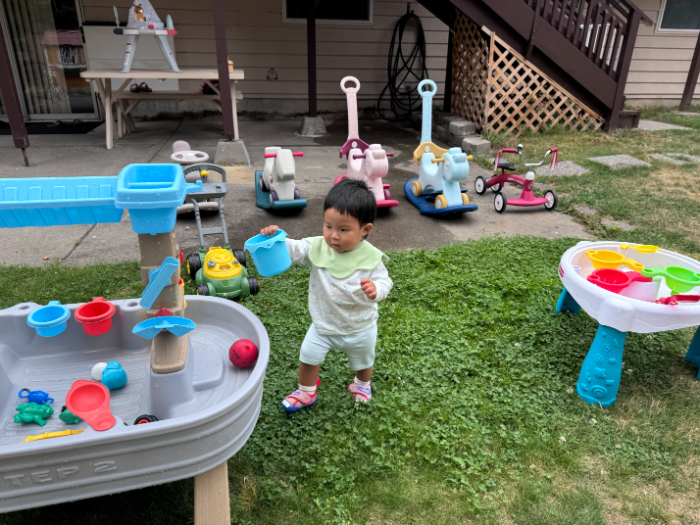
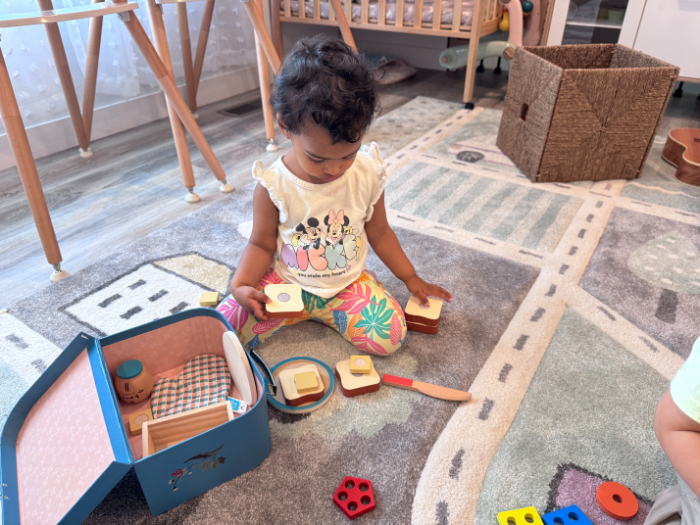
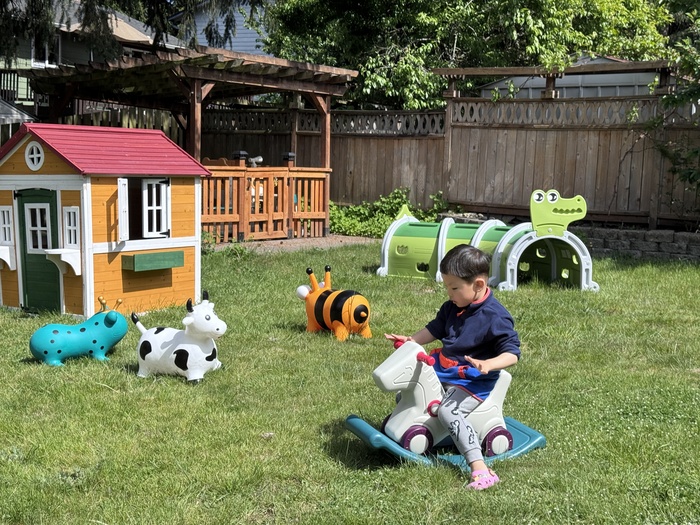
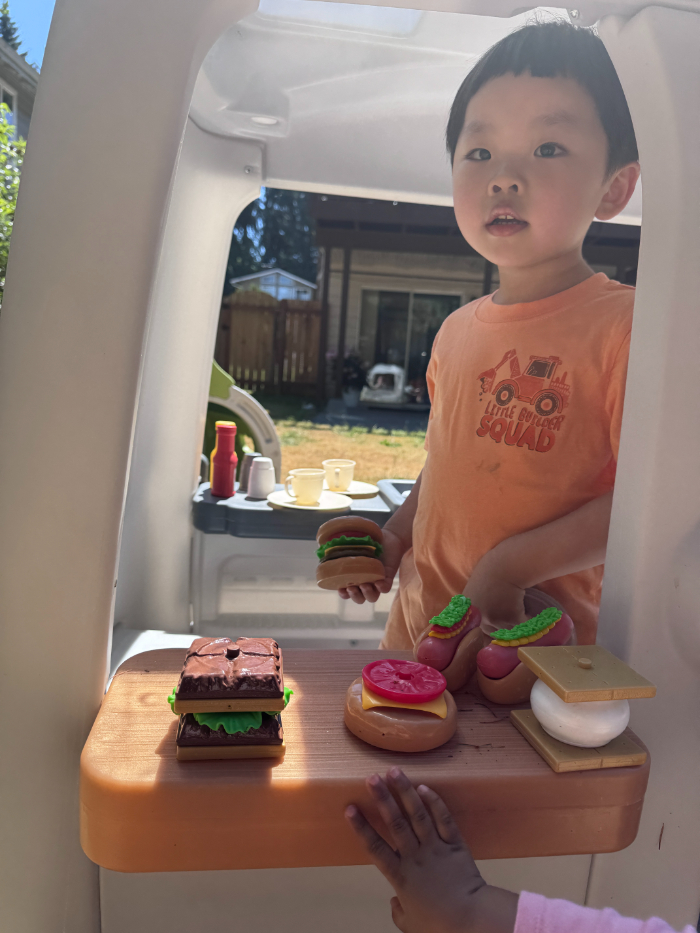
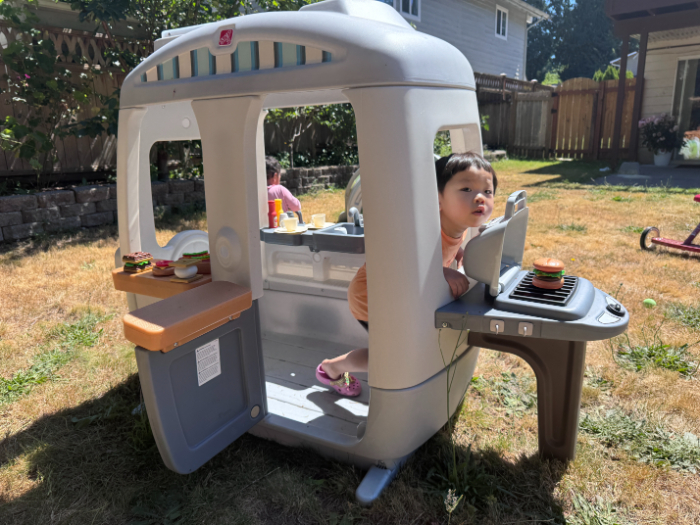
Children in pretend play with toys at daycare.

Why Cognitive Development Matters

Understanding how children think helps parents and educators provide the right support at the right time. Too much pressure to “read early” or “do math quickly” can be stressful for children still in earlier stages. Instead, nurturing natural curiosity through play, exploration, and conversation builds a strong foundation for lifelong learning.

For parents, knowing these stages helps set realistic expectations and celebrate your child’s growth at their own pace.

Lifelong Learning Foundation

Early cognitive skills predict academic success. Studies show children with strong problem-solving abilities by age 5 perform better in reading and math by age 10. Activities like puzzles or counting games build this foundation, fostering resilience and curiosity.

Emotional and Social Growth

Cognitive growth supports emotional regulation and empathy. For example, a preschooler learning to share through play develops social skills and begins to understand others’ perspectives, a key step in the preoperational stage.

Cognitive Development in Action

Cognitive skills come alive through everyday activities, especially in the classroom.

Play-Based Learning

Cognitive development comes alive through play-based learning. For example, a preschooler might start by counting blocks out loud without truly understanding numbers. With guidance, they later realize that the number “5” means five real blocks. Sorting shapes or role-playing as a chef teaches categorization and creativity.

This approach encourages children to discover, reflect, and problem-solve, rather than just memorize. The table below shows how play builds skills:

ActivityCognitive SkillExample
Block BuildingSpatial ReasoningStacking blocks into a tower
StorytellingLanguage DevelopmentRetelling a story in own words
Sorting GamesCategorizationGrouping toys by shape or color

Role of Parents and Educators

Teachers support this growth by asking open-ended questions like, “What happens if we add one more block?” This encourages children to discover and reflect.

Parents can create a stimulating environment with books, puzzles, and toys. For example, reading a bedtime story and asking, “What do you think happens next?” boosts imagination and critical thinking.
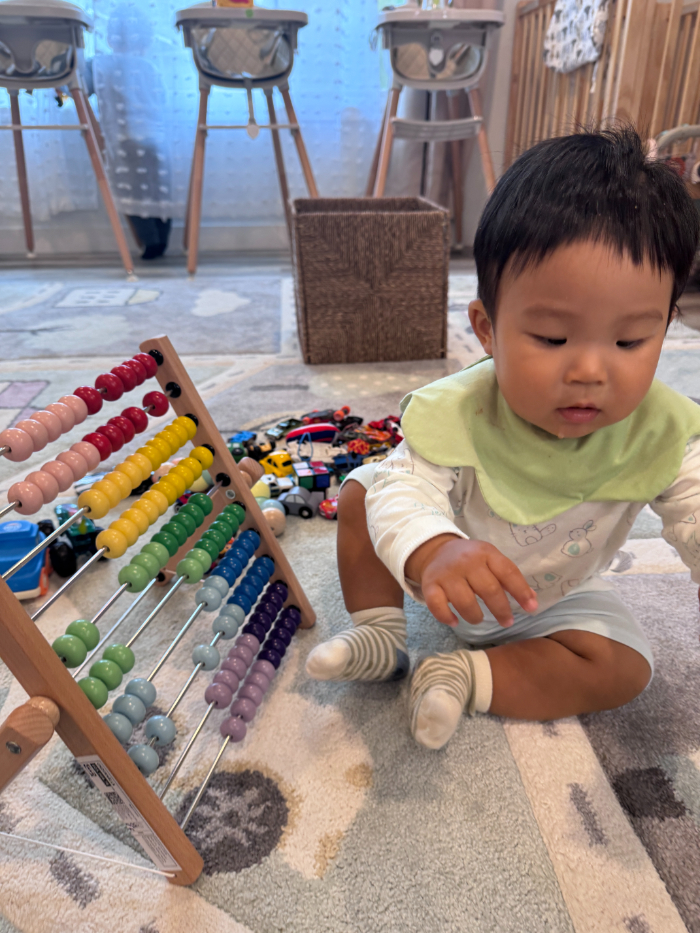
child stacking blocks for cognitive growth.

Tips to Support Cognitive Growth

Parents can nurture cognitive development with simple, everyday actions:

  • Encourage Play: Offer puzzles, building toys, or pretend-play props to spark creativity.
  • Read Daily: Books boost language and imagination. Ask questions like, “Why did the character do that?”
  • Ask Open-Ended Questions: Prompt curiosity with, “Why do you think the sky is blue?”
  • Limit Screen Time: Prioritize hands-on activities to engage the brain.
  • Celebrate Milestones: Praise effort, not just results, to build confidence at your child’s pace.

These steps align with Piaget’s stages, ensuring support matches your child’s developmental needs.

Common Myths About Early Learning

Misconceptions about cognitive development can worry parents. Let’s clear them up:

  • Myth: “Children must read by age 4 to succeed.”
    Truth: Forcing early reading can cause stress. Focus on play and curiosity, which build stronger foundations.
  • Myth: “All children develop at the same pace.”
    Truth: Each child progresses through Piaget’s stages uniquely.
  • Myth: “Play is just fun, not learning.”
    Truth: Play teaches problem-solving, creativity, and social skills.

About Kido Heaven

At Kido Heaven Child Care in Bothell, WA, we believe children are active learners who build knowledge step by step as they grow. At Daycare Bothell, we nurture young minds through play-based learning, guided by Piaget’s Cognitive Developmental Theory.

Our Child Care Bothell programs focus on the preoperational stage, encouraging exploration through hands-on play and pretend activities. Every block stacked, story told, and game played builds your child’s future.

Explore our Kido Heaven Programs or visit our Contact Page to schedule a tour. Call 206-734-2040 today—spots fill fast!

Why KidoHeaven Stands Out

✅ Licensed in Washington State
✅ Aligned with Early Achievers standards
✅ Working Connections subsidy accepted
✅ Daily updates via Brightwheel
✅ Located in Bothell, serving Mill Creek, Lynnwood & nearby areas
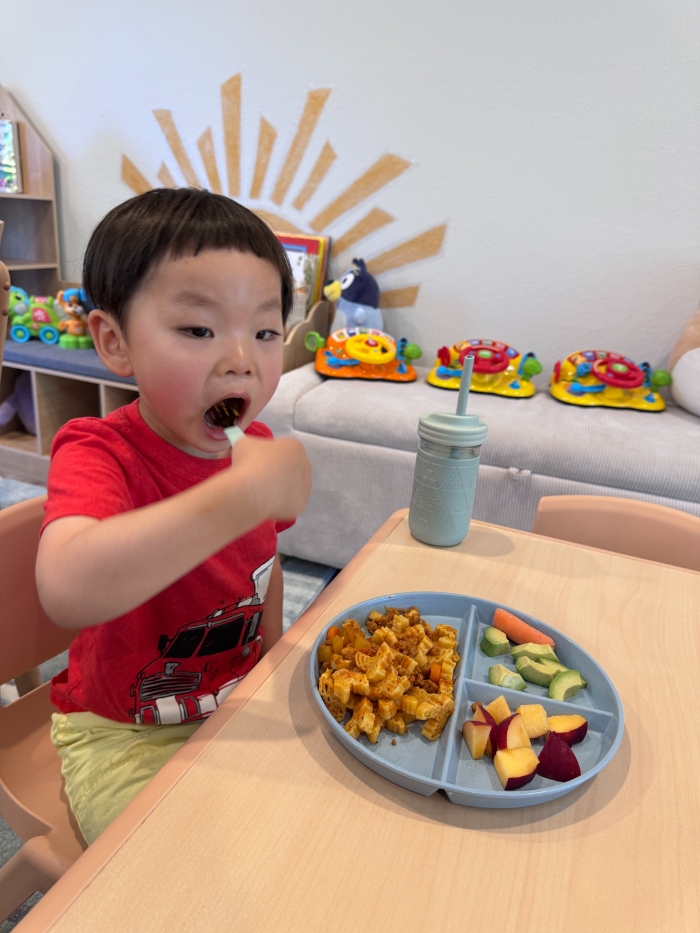
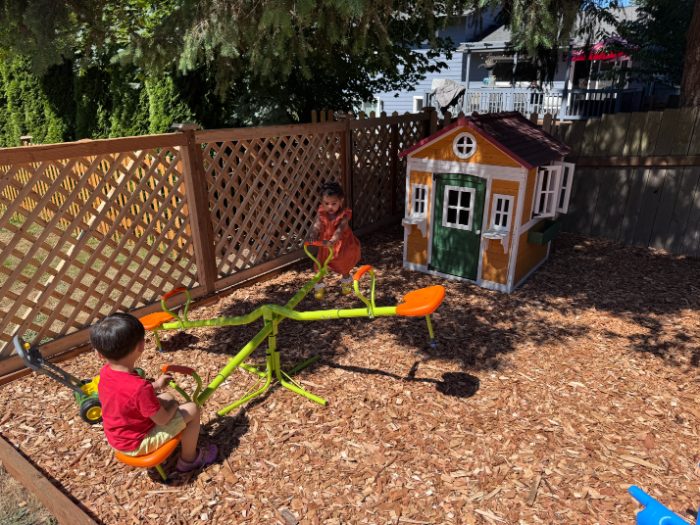
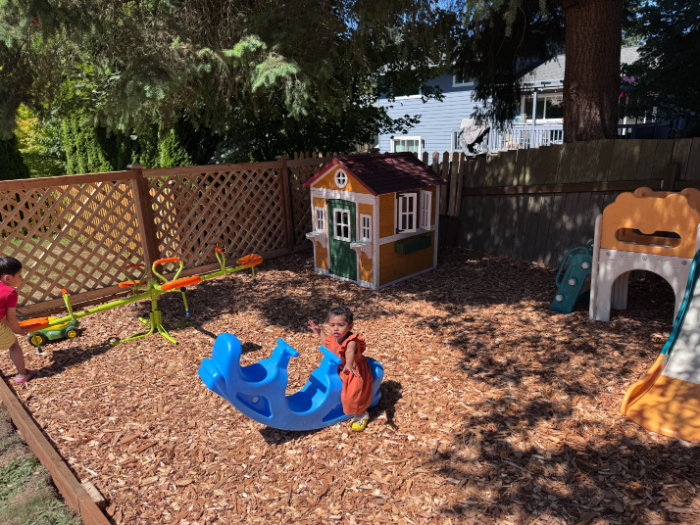
✅ Nutritious snacks, safe outdoor space, & positive mealtime routines

📞 Call 206-734-2040 to schedule a tour
🌐 Enroll now

Follow Our Mealtime Moments

Stay updated with more beautiful outdoor meals and daily learning routines on:

Instagram | Facebook | Nextdoor | Yelp | Winnie | YouTube | Upwards

FAQ

1. What qualifications do I need to volunteer in childcare?

No formal qualifications are typically required, but background checks and basic training may be needed. Patience and enthusiasm are key.

2. How much time should I commit to volunteering?

Commitments vary, from a few hours weekly to monthly events. Discuss expectations with the program.

3. Can volunteering lead to a career in early childhood education?

Yes, volunteering builds skills and connections that can open doors to daycare careers or teaching roles.

4. What are the most rewarding aspects of childcare volunteering?

Forming bonds with children, seeing their growth, and contributing to the community are deeply fulfilling.

5. How do I find volunteer opportunities in my area?

Check local daycares, community centers, or online platforms for childcare volunteering opportunities.

Unlocking the Power of Volunteering in Early Childhood Programs

kido heaven child care

Volunteering in early childhood programs offers a unique opportunity to shape young minds, build community connections, and gain valuable skills. From reading stories to toddlers to supporting preschool activities, volunteers play a vital role in fostering child development and creating inclusive environments. This guide explores the benefits, roles, and steps to get started in childcare volunteering, empowering you to make a lasting impact. Read on to discover how you can contribute to your local early childhood community and why it matters.

Why Volunteering in Early Childhood Matters

Volunteering in early childhood programs, such as daycare centers or preschools, is more than just giving time—it’s an investment in children, volunteers, and the community. These programs serve infants to preschoolers, creating foundational experiences that shape lifelong learning and development.

Impact on Child Development

Volunteers provide critical support in fostering cognitive, social, and emotional growth. For example, engaging toddlers in storytelling enhances language skills, while play-based activities promote creativity and problem-solving. Research shows that positive adult interactions in early years improve academic readiness and social skills, setting children up for success.

Benefits for Volunteers

Childcare volunteering offers personal and professional growth. Volunteers develop skills like communication, patience, and teamwork, which are valuable in daycare careers or other fields. Emotionally, forming bonds with young children brings fulfillment and a sense of purpose. Many volunteers also build networks with educators and parents, opening doors to future opportunities.

Strengthening Community Ties

By volunteering, you contribute to a stronger early childhood community. Your involvement creates inclusive, supportive spaces where families and educators collaborate. This strengthens local ties, ensuring childcare programs thrive and children feel valued.

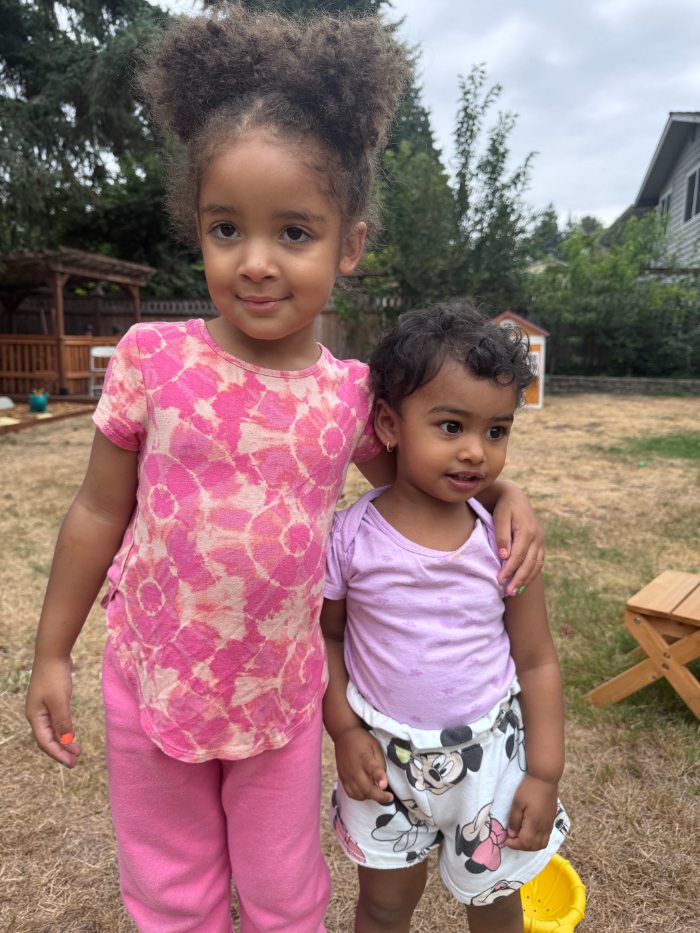
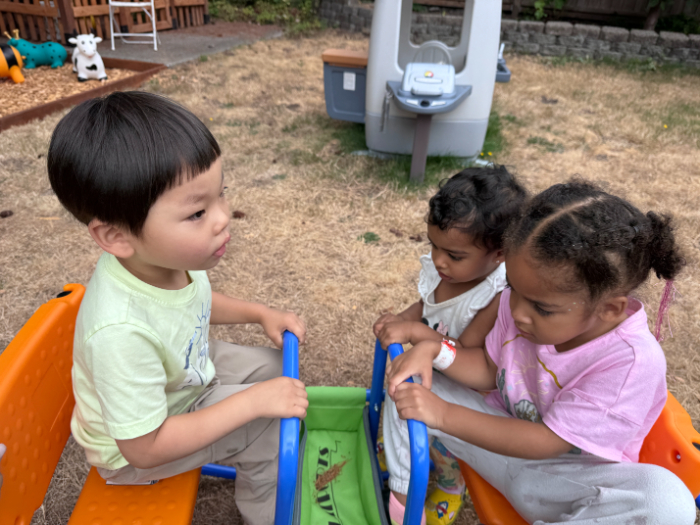
Childcare volunteer event: Volunteers organizing a fun outdoor event for young children at a preschool.

Types of Volunteer Roles in Early Childhood Programs

Volunteers in early childhood programs take on diverse roles, each contributing uniquely to child development and program success. Below is a table outlining common roles and their impact.

Volunteer RoleKey TasksSkills NeededImpact
Reading/StorytellingReading books, engaging childrenCommunication, patienceBoosts literacy, sparks imagination
Activity SupportLeading crafts, games, or outdoor playCreativity, teamworkEnhances motor and social skills
Administrative SupportOrganizing supplies, schedulingOrganization, attention to detailStreamlines program operations
Event SupportPlanning/supervising events or tripsLeadership, coordinationCreates memorable experiences

Reading and Storytelling

Reading to infants and toddlers fosters early literacy and language development. Volunteers use expressive storytelling to captivate young audiences, encouraging a love for books.

Activity and Play Support

Volunteers assist with preschooler activities like arts, crafts, or outdoor games. These tasks promote physical development and social skills, making playtime both fun and educational.

Administrative and Organizational Support

Behind-the-scenes roles, such as organizing materials or updating schedules, help childcare staff focus on teaching. These tasks ensure smooth program operations.

Special Events and Field Trips

Volunteers shine during events like holiday parties or field trips, creating joyful experiences for children. These roles require energy and coordination to ensure safety and engagement.

Skills and Qualifications for Childcare Volunteering

Volunteering in early childhood programs requires a blend of soft skills and basic qualifications to ensure a safe and effective experience.

Essential Skills for Volunteers

Key skills include patience, clear communication, and adaptability. Volunteers must engage young children with empathy, manage group dynamics, and collaborate with staff. Creativity is a bonus, especially for activity-based roles.

Background Checks and Training

Most programs require background checks to ensure child safety. Some offer training on child development, safety protocols, or program-specific guidelines. No formal education is typically needed, making volunteering accessible to many.

Community childcare support: A group of volunteers and staff collaborating in a vibrant early childhood program.

How to Get Started as a Volunteer

Ready to dive into childcare volunteering? Follow these steps to find and succeed in your role.

Finding Local Opportunities

Search for volunteer roles at local daycares, preschools, or community centers. Online platforms, bulletin boards, or local nonprofits often list toddler volunteer roles or preschooler activities. Contact programs directly to inquire about needs.

Preparing for Your Role

Research the program’s mission and policies. Familiarize yourself with child safety guidelines and prepare engaging activities, like a story or craft idea. Attend any required training sessions to build confidence.

Tips for a Successful Volunteer Experience

  • Build Rapport: Connect with children through smiles, active listening, and enthusiasm.
  • Communicate: Check in with staff for guidance and feedback.
  • Be Flexible: Adapt to changing needs, like switching from reading to activity support.
  • Stay Committed: Consistency helps children feel secure and builds trust.

Checklist for New Volunteers:

  • Research the program’s goals and values.
  • Complete background checks or training.
  • Prepare age-appropriate activities.
  • Communicate regularly with program staff.

Challenges and Solutions in Childcare Volunteering

Volunteering isn’t without challenges, but with the right approach, you can overcome them.

Common Challenges

  • Managing Behaviors: Young children may be shy or disruptive, which can feel overwhelming.
  • Time Commitment: Balancing volunteering with personal schedules can be tough.
  • Lack of Experience: New volunteers may feel unsure about engaging children effectively.

Strategies to Overcome Them

  • Behavior Management: Observe staff techniques and use positive reinforcement, like praise for good behavior.
  • Time Management: Set realistic schedules and communicate availability upfront.
  • Build Confidence: Attend training or shadow experienced volunteers to learn best practices.

The Long-Term Impact of Volunteering

Volunteering in early childhood programs creates ripple effects that benefit children, volunteers, and communities over time.

On Children

Consistent volunteer support enhances social skills, confidence, and academic readiness. For example, regular storytelling can improve vocabulary by up to 20%, according to child development studies.

On Volunteers

Volunteers gain transferable skills, such as leadership and communication, that can lead to daycare careers or other professional paths. The emotional rewards of helping children grow also boost personal well-being.

On the Community

Volunteers strengthen community bonds by supporting local childcare programs. This fosters trust, collaboration, and a shared commitment to nurturing young learners.

Kido Heaven: Your Partner in Early Childhood Care

At Kido Heaven (Daycare Bothell), we’re passionate about creating nurturing environments for young learners. Our programs prioritize child development and community involvement, offering opportunities for volunteers to make a meaningful impact. Whether you’re interested in supporting infants or preschoolers, Kido Heaven (Child Care Bothell) welcomes dedicated individuals to join our mission. Contact us today to explore volunteer roles and help shape the future of our early childhood community.

Why KidoHeaven Stands Out

✅ Licensed in Washington State
✅ Aligned with Early Achievers standards
✅ Working Connections subsidy accepted
✅ Daily updates via Brightwheel
✅ Located in Bothell, serving Mill Creek, Lynnwood & nearby areas
✅ Nutritious snacks, safe outdoor space, & positive mealtime routines

📞 Call 206-734-2040 to schedule a tour
🌐 Enroll now

Follow Our Mealtime Moments

Stay updated with more beautiful outdoor meals and daily learning routines on:

Instagram | Facebook | Nextdoor | Yelp | Winnie | YouTube | Upwards

FAQ

1. What qualifications do I need to volunteer in childcare?

No formal qualifications are typically required, but background checks and basic training may be needed. Patience and enthusiasm are key.

2. How much time should I commit to volunteering?

Commitments vary, from a few hours weekly to monthly events. Discuss expectations with the program.

3. Can volunteering lead to a career in early childhood education?

Yes, volunteering builds skills and connections that can open doors to daycare careers or teaching roles.

4. What are the most rewarding aspects of childcare volunteering?

Forming bonds with children, seeing their growth, and contributing to the community are deeply fulfilling.

5. How do I find volunteer opportunities in my area?

Check local daycares, community centers, or online platforms for childcare volunteering opportunities.


Supporting Migrant and Seasonal Families in Childcare

kido daycare

Migrant and seasonal families face unique childcare challenges, from frequent relocations to language barriers. Over 4 million migrant children in the U.S. struggle with consistent childcare access, impacting their early development. This article explores practical strategies like flexible enrollment, bilingual resources, and community partnerships to create inclusive childcare environments for children aged 6 months to 5 years. Discover actionable solutions to support transient families and ensure young learners thrive, plus learn how providers can implement these strategies effectively.

Understanding the Needs of Migrant and Seasonal Families

Migrant and seasonal families, such as agricultural workers or temporary laborers, often relocate multiple times a year, disrupting access to stable childcare. For children aged 6 months to 5 years, consistent early education is critical for development, yet these families face barriers like financial instability and language differences. According to the U.S. Department of Education, over 4 million migrant children lack reliable childcare, affecting their school readiness. This article outlines strategies to create inclusive childcare environments, ensuring young learners thrive despite their families’ transient lifestyles.

Challenges in Childcare Access for Transient Families

Migrant and seasonal families encounter unique obstacles when seeking childcare. Understanding these challenges is the first step to designing effective solutions.

Economic and Logistical Barriers

Many migrant families earn low wages and face unpredictable work schedules, making traditional childcare costs and hours prohibitive. Transportation is another hurdle, as families may lack reliable vehicles or live far from childcare centers. Temporary housing further complicates access to consistent care.

Language and Cultural Differences

Language barriers often prevent effective communication with childcare providers. Families may feel disconnected if programs don’t reflect their cultural values or traditions, reducing trust and engagement. For example, a Spanish-speaking family may struggle to navigate English-only enrollment forms.

Lack of Stable Enrollment Options

Traditional childcare systems require long-term commitments and extensive documentation, which don’t suit families who relocate frequently. This rigidity disrupts continuity of care, leaving children without stable learning environments.

Childcare center hosting community event for seasonal families
child care bothell

Strategies for Supporting Migrant and Seasonal Families

Childcare providers can adopt targeted strategies to better serve migrant and seasonal families, ensuring accessibility and inclusivity.

Flexible Enrollment Policies

Flexible enrollment accommodates the transient nature of these families. Options like short-term or drop-in care reduce barriers. Providers can simplify registration by offering online forms or waiving non-essential documentation. For example, accepting a utility bill instead of a lease agreement can ease enrollment.

Table: Traditional vs. Flexible Enrollment Models

FeatureTraditional EnrollmentFlexible Enrollment
Duration6–12 months1–3 months or drop-in
DocumentationExtensive (e.g., lease)Minimal (e.g., ID)
Cost StructureFixed monthly feesSliding scale or daily
AccessibilityLimited to residentsOpen to transient families

Bilingual and Culturally Responsive Resources

Hiring multilingual staff or using translation services ensures clear communication. Culturally relevant curricula, such as storybooks in multiple languages or activities celebrating diverse traditions, foster inclusivity. For instance, incorporating Hispanic heritage activities can make Latino families feel valued.

Community Partnerships and Outreach

Partnering with migrant advocacy groups or local schools helps providers reach families. Hosting community events, like family resource fairs, builds trust. These partnerships can also provide referrals to childcare services, increasing enrollment.

Financial Assistance and Subsidies

Offering sliding-scale fees or connecting families to state subsidies, like the Child Care and Development Fund, reduces financial strain. Providers can guide parents through application processes to access these resources.

Safe and Accessible Facilities

Childcare centers should be located near migrant communities or offer transportation support. Extended hours accommodate irregular work schedules, ensuring parents can drop off and pick up children conveniently. Safety measures, like secure entrances, build parental confidence.

Benefits of Inclusive Childcare for Young Children

Social and Emotional Development

Stable childcare environments foster peer relationships and emotional security. Children build trust and social skills through consistent interactions, countering the instability of frequent moves.

Cognitive and Language Growth

Bilingual programs enhance language acquisition, benefiting both native and non-native speakers. Exposure to structured learning environments boosts cognitive development, preparing toddlers for preschool.

Long-Term Educational Outcomes

Early education improves school readiness, reducing achievement gaps. Studies show children in quality childcare programs are 20% more likely to graduate high school, a critical factor for migrant children.

Bilingual storybooks and resources for toddler accessibility in childcare Bothell

Practical Tools and Resources for Childcare Providers

Training for Staff on Cultural Competency

Cultural competency training equips staff to understand diverse family needs. Programs like those offered by the National Association for the Education of Young Children (NAEYC) teach strategies for inclusive teaching.

Technology for Seamless Communication

Apps like TalkingPoints provide multilingual parent communication, enabling providers to send updates in families’ native languages. Online portals streamline enrollment and payment processes.

Comparison Table: Enrollment Models

ModelProsCons
Drop-In CareHigh flexibility, no long-term commitmentHigher per-day costs
Short-Term EnrollmentAffordable, structuredLimited availability
Mobile Childcare UnitsAccessible in remote areasLimited capacity

Case Studies: Successful Childcare Programs

One rural childcare center implemented mobile enrollment units, bringing registration services to migrant camps. This increased enrollment by 30% within six months. Another urban provider offered bilingual workshops for parents, improving trust and boosting attendance by 25%. These examples show how tailored strategies can yield measurable results.

Kidoheaven’s Commitment to Inclusive Childcare

At Kidoheaven, we believe every child deserves quality childcare, regardless of their family’s circumstances. Our programs support migrant and seasonal families through flexible enrollment, bilingual resources, and community outreach. Explore our Daycare Bothell services for inclusive solutions tailored to transient families. Learn more about our Child Care Bothell programs designed to foster early learning in a welcoming environment. Visit Kidoheaven.com to discover how we’re making childcare accessible for all.

Why KidoHeaven Stands Out

✅ Licensed in Washington State
✅ Aligned with Early Achievers standards
✅ Working Connections subsidy accepted
✅ Daily updates via Brightwheel
✅ Located in Bothell, serving Mill Creek, Lynnwood & nearby areas
✅ Nutritious snacks, safe outdoor space, & positive mealtime routines

📞 Call 206-734-2040 to schedule a tour
🌐 Enroll now

Follow Our Mealtime Moments

Stay updated with more beautiful outdoor meals and daily learning routines on:

Instagram | Facebook | Nextdoor | Yelp | Winnie | YouTube | Upwards

FAQ

1. What are the biggest challenges for migrant families in accessing childcare?

Frequent relocations, language barriers, and financial constraints make consistent childcare difficult.

2. How can providers accommodate frequent relocations?

Flexible enrollment, like drop-in care, and minimal documentation requirements help.

3. What resources support bilingual childcare?

Translation apps, multilingual staff, and culturally relevant materials enhance communication.

4. How do subsidies work for migrant families?

Programs like the Child Care and Development Fund offer financial aid; providers can assist with applications.

5. Why is cultural competency important in childcare?

It builds trust, ensures inclusivity, and supports children’s emotional and social growth.


Childcare Health and Wellness: Infants to Preschoolers

kido heaven child care

Ensuring the health and wellness of infants, toddlers, and preschoolers in childcare settings is vital for their physical and emotional development. From routine health screenings to engaging wellness activities, childcare providers can create nurturing environments that foster lifelong well-being. This comprehensive guide explores expert strategies, including nutrition plans, physical activities, and emotional support, tailored for young children. Learn how to implement effective practices and discover actionable tips to support early childhood health. Read on for in-depth insights and practical tools to enhance childcare wellness programs.

Introduction to Childcare Health and Wellness

Childcare settings play a critical role in shaping the health and well-being of infants, toddlers, and preschoolers. These early years are foundational for physical growth, emotional resilience, and cognitive development. By prioritizing childcare health, providers can create environments that support holistic wellness, setting children up for lifelong success. This article outlines evidence-based strategies to promote toddler wellness and preschooler health, focusing on screenings, nutrition, physical activity, and emotional support. With practical tips and expert insights, childcare providers can foster early childhood well-being effectively.

Why Health and Wellness Matter in Early Childhood

Investing in health and wellness during early childhood has lasting benefits. According to the CDC, healthy habits established in the first five years can prevent chronic conditions and support mental health. Childcare settings are uniquely positioned to influence these outcomes through structured programs and daily interactions.

Physical Health Benefits

Physical health in early childhood supports growth, strengthens immunity, and enhances motor skills. Regular health screenings detect issues like vision or hearing problems early, enabling timely interventions. Proper nutrition fuels brain development, while physical activity promotes coordination and reduces obesity risks.

Emotional Health Benefits

Emotional well-being fosters resilience, social skills, and self-regulation. Children with strong emotional health are better equipped to handle challenges and form positive relationships. Childcare environments that prioritize early childhood well-being help children develop empathy and confidence, laying the groundwork for mental health.

Toddlers engaging in outdoor physical activity at a childcare center

Strategies for Promoting Physical Health

Promoting childcare health requires a multi-faceted approach. Below are key strategies to ensure infants, toddlers, and preschoolers thrive physically.

Health Screenings for Early Detection

Routine health screenings are essential for identifying developmental or health concerns early. Common screenings include vision, hearing, and developmental milestone checks. For example, the American Academy of Pediatrics recommends annual vision screenings for preschoolers to catch issues like amblyopia.

Common Health Screenings for Young Children

Screening TypeAge GroupFrequencyPurpose
Vision Screening3–5 yearsAnnuallyDetect vision issues
Hearing Screening0–5 yearsEvery 1–2 yearsIdentify hearing loss
Developmental Check0–3 yearsEvery 6 monthsMonitor milestones

Providers should partner with pediatricians to ensure screenings are age-appropriate and consistent.

Nutrition and Healthy Eating Habits

A balanced diet is critical for toddler wellness and preschooler health. Childcare providers can introduce diverse food groups, emphasizing fruits, vegetables, whole grains, and lean proteins. Portion control and accommodating dietary restrictions (e.g., allergies) are key. For infants, breastmilk or formula provides essential nutrients, while toddlers benefit from finger foods that encourage self-feeding.

Tips:

  • Offer colorful plates to make meals appealing.
  • Involve children in simple food prep to build healthy habits.
  • Avoid sugary snacks to prevent dental issues and obesity.

Physical Activity Programs

Physical activity supports motor skills and overall health. The CDC recommends at least 60 minutes of active play daily for preschoolers, including running, climbing, or dancing. For infants, tummy time strengthens muscles, while toddlers enjoy obstacle courses or outdoor games.

Ideas:

  • Set up sensory play stations for infants.
  • Organize group games like “Simon Says” for preschoolers.
  • Ensure safe, open spaces for active play.

Supporting Emotional Well-Being in Childcare

Emotional health is as critical as physical health in childcare settings. Providers can foster early childhood well-being by creating supportive environments and teaching emotional skills.

Creating a Safe and Nurturing Environment

A consistent routine and warm caregiver interactions build trust. Trauma-informed care, such as recognizing signs of distress, ensures children feel secure. Childcare centers should maintain low staff-to-child ratios to provide individualized attention.

Social-Emotional Learning Activities

Social-emotional learning (SEL) activities teach children to express emotions and build relationships. Examples include:

  • Storytelling: Reading books about feelings helps children identify emotions.
  • Role-Playing: Scenarios like sharing toys promote empathy.
  • Group Activities: Collaborative games foster teamwork.

These activities enhance communication and emotional intelligence, critical for preschooler health.

Managing Stress and Anxiety in Young Children

Young children may experience stress from separation or new environments. Signs include clinginess or tantrums. Providers can:

  • Create calm-down corners with soft toys or books.
  • Introduce simple mindfulness exercises, like deep breathing.
  • Communicate with parents to maintain consistency.
Preschoolers participating in a social-emotional learning activity

Integrating Wellness Programs in Childcare

Structured wellness programs enhance childcare health by combining physical and emotional strategies.

Structured Wellness Activities

Programs like yoga, music therapy, or gardening engage children holistically. For example, yoga improves flexibility and reduces stress, while gardening teaches responsibility and nutrition. Rotate activities weekly to maintain interest.

Parental Involvement and Communication

Engaging parents ensures consistency between home and childcare. Providers can:

  • Share wellness updates
  • Use apps or newsletters to update parents on health initiatives.
  • Host workshops on toddler wellness topics.

Health and Wellness Practices

The table below compares key practices across age groups for quick reference.

PracticeInfants (0–1)Toddlers (1–3)Preschoolers (3–5)
Nutrition FocusBreastmilk/FormulaBalanced mealsDiverse food groups
Physical ActivityTummy timeActive playStructured games
Emotional SupportBondingSocial playSEL activities
ScreeningsDevelopmentalHearing/VisionVision/Developmental

This table helps providers tailor strategies to each age group’s needs.

Safety and Hygiene in Childcare Settings

Safety and hygiene are foundational for childcare health. Key practices include:

  • Hygiene: Regular handwashing, sanitizing toys, and cleaning surfaces.
  • Safety: Childproofing spaces, securing furniture, and maintaining emergency plans.
  • Health Protocols: Monitoring for illness and following exclusion policies.

These measures create a healthy environment for physical and emotional growth.

Kidoheaven

At Kidoheaven.com, we are dedicated to fostering childcare health and early childhood well-being. Our Daycare Bothell and Child Care Bothell services provide safe, nurturing environments where infants to preschoolers thrive through tailored wellness programs. With a focus on health screenings, nutrition, and emotional support, we ensure every child grows strong and confident.

Why KidoHeaven Stands Out

✅ Licensed in Washington State
✅ Aligned with Early Achievers standards
✅ Working Connections subsidy accepted
✅ Daily updates via Brightwheel
✅ Located in Bothell, serving Mill Creek, Lynnwood & nearby areas
✅ Nutritious snacks, safe outdoor space, & positive mealtime routines

📞 Call 206-734-2040 to schedule a tour
🌐 Enroll now

Follow Our Mealtime Moments

Stay updated with more beautiful outdoor meals and daily learning routines on:

Instagram | Facebook | Nextdoor | Yelp | Winnie | YouTube | Upwards

FAQ

1. What are the most important health screenings for preschoolers?

Vision, hearing, and developmental screenings are critical to detect issues early.

2. How can childcare providers promote emotional health in toddlers?

Use SEL activities like storytelling and create consistent, nurturing routines.

3. What types of physical activities are best for infants?

Tummy time and gentle sensory play support motor development.

4. How can parents stay involved in childcare wellness programs?

Regular updates, workshops, and shared wellness goals foster collaboration.

5. What are the signs of stress in young children?

Clinginess, tantrums, or withdrawal may indicate stress. Use calm-down strategies.


Supporting Infants & Toddlers in Early Childhood Programs

kido heaven child care bothell

Early childhood programs play a vital role in nurturing infants and toddlers through education, health services, and engaging activities like sensory play. These programs create safe, stimulating environments that support developmental milestones, from motor skills to social-emotional growth. By fostering cognitive and physical development, they lay a foundation for lifelong learning. This article explores expert strategies for supporting young children, including adaptable activities for preschoolers, health-focused care, and nurturing spaces. Discover how these programs benefit families and promote child development. Read on for practical insights, activity comparisons, and tips to choose the right program for your child.

What Are Early Childhood Programs?

Early childhood programs support children from birth to age 5, blending education, health, and care to foster development. These programs, including daycares and preschools, provide structured environments where infants and toddlers thrive through play-based learning and health-focused services. By addressing cognitive, physical, and emotional needs, they prepare children for future success. High-quality programs employ trained caregivers and adhere to strict safety standards, ensuring a nurturing foundation for young learners.

Why Early Childhood Matters

The first three years of life are critical for brain development, with 90% of brain growth occurring before age 5. Early childhood programs shape cognitive, social, and emotional skills through intentional activities and care. Research shows that quality early education improves academic outcomes and emotional resilience.

Key Developmental Milestones

Infants and toddlers reach milestones at different paces, but programs target key areas like motor skills, language, and social bonds. Below is a comparison of milestones:

Age GroupMotor SkillsLanguage DevelopmentSocial-Emotional Growth
Infants (0–12 months)Rolling, graspingCooing, babblingSmiling, bonding
Toddlers (1–3 years)Walking, stackingFirst words, sentencesParallel play, emotions
Safe, clean early learning environment for young children

Educational Strategies for Young Children

Early childhood programs use play-based learning to support development, focusing on activities that engage young minds.

Sensory Play for Cognitive Growth

Sensory play, like exploring textures or water, enhances cognitive and motor skills. For infants, soft toys spark curiosity; for toddlers, sandboxes encourage exploration. These activities stimulate neural connections, supporting problem-solving and creativity.

Language and Social Development

Songs, storytelling, and group play build language and social skills. Caregivers model conversations, helping toddlers form words and sentences. Group activities, like circle time, foster cooperation and empathy.

Adapting Activities for Preschoolers

Infant activities, like sensory bins, can evolve for preschoolers by adding sorting or counting tasks. For example, a water play station for toddlers becomes a science experiment for preschoolers, teaching concepts like volume.

Health Services in Early Childhood Programs

Health services ensure infants and toddlers thrive physically and emotionally in safe settings.

Nutrition and Physical Health

Programs provide balanced meals tailored to dietary needs, including allergy management. Physical activities, like crawling tunnels for infants or outdoor play for toddlers, promote motor development.

Mental and Emotional Well-Being

Responsive caregiving, consistent routines, and positive interactions build emotional security. Caregivers comfort infants during transitions and guide toddlers through emotional challenges, fostering resilience.

Safety Standards

High-quality programs maintain sanitized spaces, secure equipment, and trained staff. Regular safety checks and emergency protocols ensure child safety.

Toddler in group activity for social development

Creating Nurturing Environments

Nurturing environments are the backbone of early childhood programs, offering security and stimulation.

Role of Caregivers

Trained caregivers build trust through responsive, empathetic interactions. They observe developmental needs, tailoring activities to each child’s stage.

Developmentally Appropriate Spaces

Safe, engaging spaces include soft play areas for infants and interactive stations for toddlers. Age-appropriate toys and layouts encourage exploration and learning.

Comparing Activities Across Age Groups

Activities evolve with a child’s development. Below is a comparison:

ActivityInfantsToddlersPreschoolers
Sensory PlaySoft toys, rattlesSandboxes, water playSorting sensory bins
Social PlayPeek-a-booParallel playRole-playing, group games

This progression ensures activities remain engaging and developmentally relevant.

Benefits for Families

Early childhood programs support families by offering reliable care and community connections.

Supporting Working Parents

Flexible schedules and dependable childcare reduce stress for working parents, allowing focus on careers while ensuring children are nurtured.

Building Community Connections

Programs create networks for parents through events and workshops, fostering a sense of community and shared learning.

Why KidoHeaven Stands Out

✅ Licensed in Washington State
✅ Aligned with Early Achievers standards
✅ Working Connections subsidy accepted
✅ Daily updates via Brightwheel
✅ Located in Bothell, serving Mill Creek, Lynnwood & nearby areas
✅ Nutritious snacks, safe outdoor space, & positive mealtime routines

📞 Call 206-734-2040 to schedule a tour
🌐 Enroll now

Follow Our Mealtime Moments

Stay updated with more beautiful outdoor meals and daily learning routines on:

Instagram | Facebook | Nextdoor | Yelp | Winnie | YouTube | Upwards

FAQ

1. What benefits do early childhood programs offer infants?

A: They support cognitive, motor, and emotional growth through play and care.

2. How do programs ensure toddler safety?

A: Strict safety protocols, trained staff, and sanitized environments prioritize safety.

3. Can infant activities be adapted for preschoolers?

A: Yes, activities like sensory play can include advanced tasks like sorting or counting.

4. What qualifications should caregivers have?

A: Look for training in early childhood education and certifications in safety.


Nutrition Strategies for Healthy Young Children

Proper nutrition lays the foundation for healthy growth and lifelong habits in young children. In childcare settings, ensuring infants, toddlers, and preschoolers receive balanced meals can be challenging due to picky eating, allergies, or time constraints. This article provides expert-backed strategies to promote early childhood nutrition, from age-appropriate snacks to involving kids in food prep. Whether you’re a parent or a childcare provider, these tips will help you create healthy diets that support development and well-being. At Kido Heaven, we prioritize childcare feeding practices that nurture young minds and bodies. Read on for practical advice, sample meal plans, and solutions to common challenges, ensuring your little ones thrive in daycare or home daycare environments.

Understanding Nutritional Needs by Age

Infants (0–12 Months)

Infants rely on breast milk or formula for primary nutrition, providing essential fats, proteins, and vitamins. Around 6 months, introduce iron-rich purees like mashed spinach or fortified cereals, per pediatric guidelines. In childcare, ensure bottles are stored safely and warmed correctly. Key nutrients include iron for cognitive development and calcium for bone growth. Avoid honey or choking hazards like whole grapes.

Toddlers (1–3 Years)

Toddlers need balanced meals with proteins (e.g., eggs), carbs (e.g., whole grains), and healthy fats (e.g., avocado). Small, frequent meals match their high energy levels. Offer 1–2 tablespoons of each food group per meal to avoid overfeeding. Focus on nutrient-dense options like berries or yogurt to support growth and immunity.

Preschoolers (3–5 Years)

Preschoolers benefit from diverse diets rich in fiber, protein, and vitamins A and C. Encourage colorful plates with vegetables, lean meats, and whole grains. Structured meal times in daycare help regulate appetite. Address picky eating by offering familiar foods alongside new ones, using positive reinforcement to build healthy eating habits.

 Colorful daycare meal plate with fruits and grains – “Balanced daycare meal with fruits, grains, and proteins for young children.”

Age-Appropriate Snacks for Young Children

Snack Ideas for Infants

For infants starting solids, offer mashed bananas or pureed carrots. Yogurt is a great calcium-rich option for older infants. Ensure snacks are smooth to prevent choking. Serve 1–2 tablespoons, adjusting based on appetite. Always supervise feeding in childcare settings.

Snack Ideas for Toddlers

Toddlers love finger foods like sliced apples, cheese cubes, or whole-grain crackers. Pair hummus with cucumber sticks for a nutrient boost. Limit sugary snacks to prevent energy crashes. Offer 1/4 cup portions, served 2–3 times daily, to maintain steady energy.

Snack Ideas for Preschoolers

Preschoolers enjoy creative snacks like fruit skewers or veggie “faces” on whole-grain toast. Try almond butter on celery (if allergy-safe) for protein. Prioritize water or milk over juice to promote hydration. Serve snacks in small bowls to encourage portion control.

Involving Children in Food Prep

Benefits of Food Prep Involvement

Involving kids in food prep sparks curiosity, reduces picky eating, and builds motor skills. It fosters a positive relationship with healthy foods, encouraging better choices. In daycare, hands-on activities create engaging learning experiences.

Age-Appropriate Tasks

  • Infants: Let them touch soft foods like mashed avocado for sensory play.
  • Toddlers: Assign simple tasks like stirring batter or rinsing berries.
  • Preschoolers: Encourage measuring ingredients or spreading peanut butter on bread.

Safety Tips for Childcare Settings

Supervise all activities to prevent accidents. Use child-safe utensils like plastic knives. Teach handwashing before prep to ensure hygiene. Choose mess-free recipes, like assembling fruit cups, to simplify cleanup in busy daycare environments.

Meal Planning for Daycare Settings

Creating Balanced Meal Plans

Balanced daycare meals include fruits, vegetables, whole grains, proteins, and dairy. A sample weekly menu might feature oatmeal with berries, grilled chicken with quinoa, or lentil soup with carrots. Accommodate allergies or cultural preferences by offering alternatives like plant-based proteins.

Time-Saving Strategies for Caregivers

Batch-cook meals like vegetable casseroles for efficiency. Freeze portions of soups or muffins for quick prep. Collaborate with parents to align dietary goals, ensuring consistency between home and daycare. Use slow cookers for easy, nutritious meals.

Portion Sizes and Frequency

  • Infants: 1–2 tablespoons of solids, 3–4 feedings daily.
  • Toddlers: 1/4–1/2 adult portion, 3 meals and 2 snacks daily.
  • Preschoolers: 1/2 adult portion, adjusted for activity. Structured schedules (e.g., breakfast, snack, lunch, snack, dinner) support appetite regulation.
Toddler with healthy fruit snack in daycare.

Addressing Common Nutrition Challenges

Picky Eating

Offer choices (e.g., carrots or peas) to empower kids. Introduce new foods alongside favorites, avoiding pressure. Make meals fun with colorful plates or shapes. Praise small bites to build confidence in trying new foods.

Food Allergies and Sensitivities

Common allergens include nuts, dairy, and eggs. Use alternatives like oat milk or sunflower seed butter. Train staff on allergy protocols and maintain clear parent communication. Label foods to prevent cross-contamination in childcare.

Budget-Friendly Nutrition

Choose affordable staples like beans, rice, or seasonal vegetables. Buy in bulk for cost savings. Minimize waste by repurposing leftovers into soups or casseroles. Local markets often offer fresh, low-cost produce for daycare menus.

Sample Meal Plans for Infants, Toddlers, and Preschoolers

Infant Meal Plan (6–12 Months)

  • Breakfast: Breast milk/formula, pureed pear (2 tbsp).
  • Snack: Mashed avocado (1 tbsp).
  • Lunch: Pureed sweet potato, breast milk/formula.
  • Snack: Yogurt (2 tbsp).
    Adjust portions based on hunger cues.

Toddler Meal Plan (1–3 Years)

  • Breakfast: Whole-grain toast with almond butter, sliced strawberries.
  • Snack: Cheese cubes, cucumber sticks.
  • Lunch: Turkey roll-up, steamed carrots, milk.
  • Snack: Apple slices, yogurt dip.
    Offer small portions to avoid overwhelming picky eaters.

Preschooler Meal Plan (3–5 Years)

  • Breakfast: Oatmeal with blueberries, milk.
  • Snack: Fruit skewer with yogurt.
  • Lunch: Grilled chicken, quinoa, broccoli, fruit salad.
  • Snack: Veggie “face” on whole-grain toast.
    Use fun presentations to encourage eating.

Kido Heaven

At Kido Heaven, we believe nutrition is key to nurturing young children’s growth. Our daycare programs prioritize healthy, balanced meals tailored to infants, toddlers, and preschoolers. With a focus on safety and development, we create environments where kids thrive. Explore our trusted Daycare Bothell services or learn about our comprehensive Child Care Bothell programs. Visit kidoheaven.com to discover how we support your child’s well-being through quality care and nutrition.

Why KidoHeaven Stands Out

✅ Licensed in Washington State
✅ Aligned with Early Achievers standards
✅ Working Connections subsidy accepted
✅ Daily updates via Brightwheel
✅ Located in Bothell, serving Mill Creek, Lynnwood & nearby areas
✅ Nutritious snacks, safe outdoor space, & positive mealtime routines

📞 Call 206-734-2040 to schedule a tour
🌐 Enroll now

Follow Our Mealtime Moments

Stay updated with more beautiful outdoor meals and daily learning routines on:

Instagram | Facebook | Nextdoor | Yelp | Winnie | YouTube | Upwards

FAQ

What are the best snacks for picky toddlers in daycare?

Offer familiar, nutrient-dense snacks like fruit slices or yogurt to encourage acceptance.

How can childcare providers accommodate food allergies?

Communicate with parents, label foods, and train staff on allergy protocols.

What portion sizes are appropriate for preschoolers?

Serve 1/2 adult portions, adjusting for appetite and activity levels.

How can I involve infants in food prep safely?

Allow sensory play with soft foods under supervision, avoiding direct handling.

What are budget-friendly healthy foods for daycare?

Use affordable staples like lentils, oats, and seasonal produce for cost-effective meals.


Hire & Train Top Childcare Staff for Daycare Success

Hiring and training effective childcare staff is crucial for delivering quality daycare, child care, infant care, and home daycare services. Start by defining clear job roles, crafting compelling job descriptions, and using targeted recruitment strategies. Screen candidates with thorough background checks and behavioral interviews to ensure passion and qualifications. Onboard new hires with structured programs, including orientation and clear expectations. Provide ongoing early childhood training and support to foster growth and retention. By prioritizing caregiver recruitment, staff onboarding, and a supportive culture, you can build a stellar childcare workforce. Read on to learn expert strategies for creating a thriving team.

Why Childcare Staffing Matters

safety, development, and happiness. In Bothell and beyond, daycare Bothell and child care Bothell providers face challenges like high turnover, finding qualified candidates, and maintaining consistent care for infants to preschoolers. Effective childcare staffing requires strategic caregiver recruitment, thorough training, and ongoing support to create a reliable, nurturing team. A well-trained staff enhances child development outcomes, builds parent trust, and strengthens your program’s reputation. By prioritizing staff onboarding and early childhood training, daycare providers can reduce turnover and deliver exceptional care. This article explores actionable steps to build a stellar childcare workforce.

Hiring the Right Childcare Staff

Recruiting the right team is the foundation of a successful daycare. Focus on clarity, outreach, and alignment with your program’s values.

Defining Roles and Requirements

Clearly outline roles like lead teachers, assistant caregivers, or infant care specialists. Specify required skills, such as knowledge of child development or experience with preschool activities. Require certifications like CPR, First Aid, or Early Childhood Education (ECE) credentials to ensure compliance and competence. For example, infant care roles may need specialized training in safe sleep practices.

Writing Effective Job Descriptions


Craft job postings that attract passionate candidates. Highlight responsibilities, qualifications, and your daycare’s mission. Use focus keywords like “childcare staffing” and “caregiver recruitment” to optimize visibility. For example: “Join our team to provide nurturing child care for infants and preschoolers.” Include perks like flexible hours or professional development opportunities.

Recruitment Strategies That Work


Leverage online job boards, local colleges with ECE programs, and community networks in areas like Bothell. Attend job fairs or partner with childcare associations to find talent. Social media platforms can also showcase your daycare’s culture to attract candidates passionate about early childhood education.

Children participating in group play during child care activities guided by trained daycare staff
child care bothell

Screening and Interviewing Candidates

Thorough screening ensures you hire qualified, trustworthy staff who align with your daycare’s goals.

Conducting Background Checks

Perform comprehensive background checks, including criminal records and reference verification. Ensure candidates hold required certifications, such as state-mandated childcare credentials. For home daycare roles, verify compliance with local licensing standards.

Using Behavioral Interviews


Ask scenario-based questions to assess problem-solving and empathy. For example: “How would you handle a toddler’s tantrum during group play?” or “Describe a time you ensured a child’s safety during an emergency.” These questions reveal a candidate’s practical skills and decision-making.

Evaluating Passion for Childcare


Look for genuine enthusiasm for working with young children. Assess soft skills like patience, communication, and adaptability through questions like: “Why do you love working in infant care?” Passionate staff are more likely to stay committed and provide high-quality care.

Onboarding New Childcare Staff

Effective onboarding sets the tone for long-term success, ensuring staff feel confident and prepared.

Structured Onboarding Programs


Develop a clear onboarding timeline, typically spanning 1–2 weeks. Include training on policies, emergency procedures, and daily routines. Provide a handbook outlining expectations and protocols for daycare operations.

Facility Orientation


Introduce new hires to the daycare environment, including classrooms, play areas, and safety equipment. Pair them with a mentor to ease the transition and foster team collaboration. Highlight resources like curriculum guides or parent communication tools.

Setting Clear Expectations


Define performance goals, such as maintaining a safe environment or engaging children in developmental activities. Use “staff onboarding” naturally to reinforce standards. Regular check-ins during the first month help address questions and build confidence.

Childcare staff facilitating fun group play for children in a Bothell daycare setting

Training for Early Childhood Care


Comprehensive training equips staff to deliver exceptional care for infants to preschoolers.

Core Training for Infant-to-Preschool Care


Focus on child development, age-appropriate activities, and emotional support. Train staff in milestones like language development or motor skills. For infant care, emphasize safe feeding and diapering practices. Incorporate “early childhood training” to build expertise.

Hands-On Learning and Mentorship


Pair new hires with experienced staff for shadowing and hands-on practice. Role-play scenarios like managing group dynamics or comforting a distressed child. Mentorship fosters confidence and reinforces best practices.

Safety and Regulatory Compliance


Ensure staff understand state regulations, such as staff-to-child ratios or sanitation standards. Train on emergency protocols, like fire drills or allergy management. Regular refreshers keep safety first.

Supporting Ongoing Staff Development

Continuous support keeps your childcare workforce engaged and skilled.

Regular Feedback and Reviews


Conduct monthly check-ins and quarterly performance reviews. Provide constructive feedback on caregiving techniques and classroom management. Address challenges promptly to support growth.

Continuous Learning Opportunities

Offer workshops, online courses, or ECE certifications. Topics might include trauma-informed care or inclusive education. Encourage staff to attend childcare conferences to stay updated on industry trends.

Creating a Positive Work Culture


Foster a supportive environment with open communication and team-building activities. Celebrate milestones, like work anniversaries, to boost morale. A positive culture reduces turnover and enhances care quality.

Retaining Your Childcare Team

Retaining top talent ensures consistency and quality in your daycare.

Competitive Pay and Benefits


Offer fair wages, health insurance, and paid time off. Benchmark salaries against local standards in areas like Bothell to stay competitive. Benefits show staff they’re valued.

Building a Supportive Environment


Promote work-life balance with flexible scheduling. Provide mental health resources to manage job stress. A supportive culture encourages staff to stay long-term.

Recognizing Staff Achievements


Reward exceptional performance with bonuses, public recognition, or extra vacation days. Highlight contributions in team meetings to build loyalty and motivation.

Conclusion: Build Your Team with Kidoheaven

Building a top-tier childcare team starts with strategic hiring, thorough staff onboarding, and ongoing early childhood training. By screening for passion, providing hands-on mentorship, and fostering a supportive culture, you can create a childcare workforce that delivers exceptional daycare, child care, infant care, and home daycare services. Retention strategies like competitive pay and recognition ensure long-term success. At Kidoheaven, we prioritize quality staffing to nurture young minds in a safe, engaging environment. Visit Kidoheaven.com to explore our programs and see how we build excellence in childcare.

Why KidoHeaven Stands Out

✅ Licensed in Washington State
✅ Aligned with Early Achievers standards
✅ Working Connections subsidy accepted
✅ Daily updates via Brightwheel
✅ Located in Bothell, serving Mill Creek, Lynnwood & nearby areas
✅ Nutritious snacks, safe outdoor space, & positive mealtime routines

📞 Call 206-734-2040 to schedule a tour
🌐 Enroll now

Follow Our Mealtime Moments

Stay updated with more beautiful outdoor meals and daily learning routines on:

Instagram | Facebook | Nextdoor | Yelp | Winnie | YouTube | Upwards

FAQ

1. What qualifications should I look for in childcare staff?

Seek candidates with ECE credentials, CPR/First Aid certification, and experience in infant-to-preschool care. Passion and empathy are key.

2. How long should onboarding take for new daycare staff?

A structured 1–2 week program covering policies, safety, and hands-on training is ideal for staff onboarding.

3. What are the best training methods for infant care?

Combine classroom instruction, mentorship, and hands-on practice for effective early childhood training.

4. How can I reduce turnover in my childcare workforce?

Offer competitive pay, ongoing support, and a positive culture to retain staff.

5. What certifications are required for home daycare staff?

Requirements vary by state but typically include CPR, First Aid, and background checks.


Time Management Tips for Childcare Administrators

Running a daycare or child care program is no small feat. Childcare administrators juggle scheduling, compliance, staff management, and parent communication daily. Effective time management transforms this chaos into streamlined operations, ensuring quality care for children and a thriving work environment. By prioritizing tasks and leveraging tools, you can save hours and reduce stress. Want to master your schedule and elevate your childcare administration? Read on for expert strategies to optimize your time in daycare operations.

Why Time Management Matters for Childcare Administrators

Impact on Daycare Operations

Effective time management is the Tweed for childcare administrators. It ensures smooth operations in infant care and preschool programs, from scheduling staff to meeting licensing requirements. Organized administrators save time, reduce errors, and enhance parent satisfaction in daycare Bothell settings.

Supporting Staff and Children

A well-managed schedule creates a calm, productive environment. Administrators who prioritize tasks empower staff to focus on children, improving care quality and team morale. Leadership tips like clear communication and structured planning foster a supportive workplace, ensuring children thrive.

 Happy children playing outdoors in a daycare, showcasing the importance of efficient scheduling for childcare administrators.

Key Time Management Challenges in Childcare

Handling Unpredictable Demands

Childcare administrators face unexpected challenges like staff absences, parent concerns, or sudden inspections. These disruptions can derail schedules, making time management critical to maintaining control.

Balancing Administrative and Hands-On Duties

Administrators often split time between paperwork, budgeting, and direct engagement with children or parents. This dual role can lead to inefficiencies without a clear plan, as administrative tasks may overshadow hands-on leadership.

Avoiding Burnout

The fast-paced nature of childcare operations risks burnout. Constant multitasking without prioritization drains energy, reducing effectiveness. Structured time management helps administrators stay focused and energized.

Proven Time Management Strategies

Prioritizing Tasks Effectively

The Eisenhower Matrix separates tasks into urgent/important categories. For example, safety checks (urgent/important) take priority over ordering supplies (important, not urgent). Create a daily prioritized task list to focus on high-impact duties first.

Leveraging Technology for Efficiency

Childcare management software like Procare or Brightwheel streamlines scheduling, billing, and parent communication. For child care Bothell programs, digital tools reduce manual work, saving hours weekly. Set up automated reminders for licensing deadlines to stay compliant.

Delegating Responsibilities

Delegation is key to time management. Assign routine tasks like attendance tracking to assistant teachers, freeing up time for strategic planning. Trust staff with clear instructions and avoid micromanaging to boost efficiency.

Creating Efficient Schedules

Design schedules that balance staff availability and children’s needs. For example, create a weekly infant care schedule with feeding and nap times, ensuring consistency. Use color-coded calendars for clarity, and review schedules weekly to adjust for absences.

Managing Communication

Streamline communication with parents and staff via weekly newsletters or group messaging apps. Automated updates for events or reminders save time and keep everyone informed. Schedule specific times for parent meetings to avoid interruptions.

Young kids laughing while playing, demonstrating the positive impact of balanced administrative and playtime management in childcare.

Balancing Administrative and Leadership Roles

Leading with Purpose

Time management enhances leadership. Set clear goals, like improving staff training, and allocate specific times for these tasks. Structured leadership inspires confidence and aligns teams with the daycare’s mission.

Staying Present for Families

Allocate time for meaningful interactions with children and parents. For example, dedicate 30 minutes daily to greet families, fostering trust and engagement without sacrificing administrative duties.

Tips for Staying Organized

Daily and Weekly Planning

Start each day with a checklist of top priorities, such as staff briefings or compliance checks. Plan weekly goals, like updating parent handbooks, to stay proactive. Use planners or apps to track progress.

Minimizing Distractions

Set office hours for administrative tasks to avoid interruptions. For example, reserve mornings for paperwork and afternoons for staff meetings. Inform staff of these boundaries to maintain focus.

Conclusion: Streamline with Kido Heaven

Mastering time management transforms childcare administration, from prioritizing tasks to leveraging technology and delegating effectively. These strategies save time, reduce stress, and enhance care quality for infants and preschoolers. Kido Heaven offers expert resources and services to support administrators in daycare and child care programs, helping you streamline operations and focus on what matters most—children’s growth. Visit Kido Heaven to explore solutions for efficient childcare management today!

Why KidoHeaven Stands Out

✅ Licensed in Washington State
✅ Aligned with Early Achievers standards
✅ Working Connections subsidy accepted
✅ Daily updates via Brightwheel
✅ Located in Bothell, serving Mill Creek, Lynnwood & nearby areas
✅ Nutritious snacks, safe outdoor space, & positive mealtime routines

📞 Call 206-734-2040 to schedule a tour
🌐 Enroll now

Follow Our Mealtime Moments

Stay updated with more beautiful outdoor meals and daily learning routines on:

Instagram | Facebook | Nextdoor | Yelp | Winnie | YouTube | Upwards

FAQ

1. How can childcare administrators save time on compliance tasks?

Use digital tools like Procare to automate record-keeping and track licensing requirements efficiently.

What are the best tools for scheduling in a daycare?

Apps like Brightwheel or HiMama simplify staff and activity scheduling, saving time and reducing errors.

How can administrators avoid burnout in childcare management?

Prioritize self-care, delegate routine tasks, and set realistic goals to maintain energy and focus.

How do I balance parent communication with administrative duties?

Use group emails or apps like ClassDojo for updates, reserving personal meetings for critical issues.


The Essential Role of Parents in Shaping Early Childhood Education

Parents play a pivotal role in early childhood education, laying the foundation for their child’s cognitive, social, and emotional growth. By actively engaging in their child’s learning through daycare and child care settings, parents can enhance developmental outcomes from infancy to preschool. From home activities to collaborating with educators, their involvement is key to success. For practical strategies and expert insights, read on to learn how to support your child’s early education journey.

Why Parent Involvement Matters in Early Childhood Education

Parent involvement is the cornerstone of early childhood education, significantly influencing a child’s academic and personal growth. Research shows that children with engaged parents are more likely to excel in school, exhibit positive behavior, and develop confidence. Whether in a daycare or home day care setting, parents who actively participate in their child’s learning create a supportive environment that fosters curiosity and resilience. This involvement bridges the gap between home and early education settings, ensuring consistency and reinforcing developmental milestones. By prioritizing engagement, parents set their children up for lifelong success.

The Impact of Parents on Child Development

Parents profoundly shape their child’s development across multiple domains. Their active participation in early childhood education directly impacts cognitive, social, and emotional growth, laying a strong foundation for future learning.

Cognitive Development

Parents stimulate critical thinking through everyday interactions. Simple activities like counting toys during playtime or solving puzzles together enhance problem-solving skills. For example, asking a toddler to sort shapes during a game can build early math skills, preparing them for structured learning in daycare settings.

Social and Emotional Growth

Parents model empathy and cooperation, which are vital for social development. Responding calmly to a toddler’s tantrum teaches emotional regulation, while praising cooperative behavior reinforces positive social habits. These interactions help children navigate relationships in child care environments.

Language and Communication Skills

Daily conversations and storytelling boost vocabulary and communication. Reading bedtime stories or discussing a preschooler’s day encourages language development. For instance, asking open-ended questions like “What was your favorite part of the story?” fosters expressive skills critical for school readiness.

Toddler exploring nature with parent for early learning engagement.

Practical Ways Parents Can Support Early Learning

Parents can actively support early childhood education through hands-on strategies that complement daycare and child care programs. These practical approaches ensure children thrive in both home and educational settings.

Home-Based Learning Activities

Engaging children in age-appropriate activities at home sparks curiosity and reinforces learning. Here are five ideas:

  1. Sensory Play for Infants: Create a sensory bin with soft fabrics or safe objects to explore textures.
  2. Counting Games for Toddlers: Count steps while walking or sort colorful blocks by number.
  3. Storytelling for Preschoolers: Encourage them to retell stories to build narrative skills.
  4. Science Experiments: Conduct simple experiments, like mixing colors with water, to foster inquiry.
  5. Art Projects: Use finger painting to develop fine motor skills and creativity.

Image Alt Text: Parent reading to toddler at home to support early childhood education.

Engaging with Daycare and Childcare Providers

Regular communication with child care providers aligns home and daycare goals. Share insights about your child’s interests or challenges to create a cohesive learning plan. For example, informing educators about a toddler’s love for music can lead to tailored activities like singing sessions.

Building Routines for Learning Success

Consistent routines reinforce learning. Establish a nightly reading ritual or a morning discussion about the day’s plans. These habits create structure, helping children transition smoothly between home and daycare while fostering a love for learning.

Image Alt Text: Family engaging in sensory play activity for infant care.

The Role of Parents in Childcare Partnerships

Strong childcare partnerships between parents and educators enhance early childhood education. Collaboration ensures children receive consistent support across environments.

Collaborating with Educators

Parents should share developmental milestones and preferences with daycare staff. For instance, noting a preschooler’s fear of loud noises helps educators create a comforting environment. Regular check-ins build trust and align educational goals.

Participating in Parent-Teacher Meetings

Attending meetings keeps parents informed about their child’s progress. These sessions provide opportunities to discuss strengths, challenges, and strategies, ensuring parents and educators work as a team to support toddler parent engagement.

Supporting Transitions Between Home and Daycare

Smooth transitions reduce stress for children. Parents can maintain consistent routines, like a morning goodbye ritual, or send familiar items, such as a favorite blanket, to daycare. These steps ease transitions and reinforce security.

Image Alt Text: Parent and daycare teacher discussing childcare partnerships in Bothell.

 Preschooler practicing pre-literacy skills with parent support.

Tailoring Involvement for Different Age Groups

Parent involvement should adapt to a child’s developmental stage. Tailored strategies ensure age-appropriate support for infants, toddlers, and preschoolers.

Infants: Building a Strong Foundation

For infants, bonding activities like singing lullabies or skin-to-skin contact support early brain development. Responding promptly to cries fosters trust, laying the groundwork for emotional security in infant care settings.

Toddlers: Encouraging Exploration

Toddlers thrive on exploration. Guided play, like building with blocks or exploring nature, encourages curiosity. For example, a nature walk where parents point out colors or shapes boosts toddler parent engagement and cognitive growth.

Preschoolers: Preparing for School Readiness

Preschoolers need support for pre-literacy and social skills. Activities like letter recognition games or role-playing social scenarios prepare them for school. Parents can ask, “How would you share this toy with a friend?” to teach cooperation.

Image Alt Text: Preschooler practicing pre-literacy skills with parent support.

Overcoming Common Challenges in Parent Involvement

Parents often face barriers to engagement, but practical solutions can help overcome these challenges while maintaining active involvement.

Time Constraints

Busy schedules can limit participation. Integrate learning into daily tasks, like counting groceries or discussing shapes during meals. These quick activities support early childhood education without requiring extra time.

Lack of Resources or Knowledge

Parents may feel unprepared due to limited resources. Free tools, like library storytimes or online parenting blogs, offer accessible ideas. Local community centers in areas like Bothell often provide workshops for preschooler family support.

Balancing Involvement with Independence

Over-involvement can hinder independence. Encourage self-directed play, like letting a toddler choose a game, while offering guidance. This balance fosters confidence and autonomy, complementing daycare learning.

Conclusion: Partnering with Kido Heaven for Your Child’s Future

Parent involvement in early childhood education is essential for nurturing a child’s growth from infancy to preschool. By engaging in home activities, collaborating with educators, and tailoring support to each developmental stage, parents can create a strong foundation for lifelong learning. For families in Bothell seeking exceptional daycare and child care, Kido Heaven offers tailored programs that partner with parents to support infants, toddlers, and preschoolers. Visit Kido Heaven to explore how our daycare Bothell and child care Bothell services can empower your child’s educational journey.

Why KidoHeaven Stands Out

✅ Licensed in Washington State
✅ Aligned with Early Achievers standards
✅ Working Connections subsidy accepted
✅ Daily updates via Brightwheel
✅ Located in Bothell, serving Mill Creek, Lynnwood & nearby areas
✅ Nutritious snacks, safe outdoor space, & positive mealtime routines

📞 Call 206-734-2040 to schedule a tour
🌐 Enroll now

Follow Our Mealtime Moments

Stay updated with more beautiful outdoor meals and daily learning routines on:

Instagram | Facebook | Nextdoor | Yelp | Winnie | YouTube | Upwards

FAQ

1. Why is parent involvement important in early childhood education?

Parent involvement boosts cognitive, social, and emotional development, leading to better academic outcomes and confidence in daycare settings.

2. How can busy parents stay engaged in their child’s learning?

Incorporate learning into daily routines, like counting during chores or reading bedtime stories, to stay involved despite time constraints.

3. What are some simple home activities for toddlers?

Try sensory play, counting games, or nature walks to spark curiosity and support toddler parent engagement.

4. How can parents collaborate effectively with daycare providers?

Share insights about your child’s needs and maintain regular communication to align home and childcare goals.

5. What role does parent involvement play in preschooler development?

Parents foster school readiness by supporting pre-literacy, social skills, and confidence through activities like storytelling and role-playing.


Early Support for Infants and Toddlers (ESIT) in Washington State

The first three years of a child’s life are a critical window for growth, especially for those with developmental delays or disabilities. In Washington State, the Early Support for Infants and Toddlers (ESIT) program provides essential early intervention services to help children and families thrive. Whether you’re exploring daycare options or seeking specialized support, understanding ESIT can empower you to give your child the best start. This guide explains how ESIT works, who qualifies, and how to access its services, ensuring your child receives the care they need in a nurturing environment like a home daycare.

Introduction to ESIT: Supporting Early Childhood Development

The ESIT program, managed by Washington State’s Department of Children, Youth, and Families (DCYF), offers free or low-cost early intervention services for children under three. Designed to address developmental delays and disabilities, ESIT collaborates with families, daycare providers, and specialists to create tailored support plans. By integrating early intervention into child care settings, ESIT ensures infants and toddlers receive the tools they need to reach their potential. For more details, visit the Washington State ESIT program.

Why Early Intervention Matters for Infants and Toddlers

The Critical First Three Years

A child’s brain forms over 1 million neural connections per second in the early years, according to Harvard’s Center on the Developing Child. Delays in speech, motor skills, or social-emotional development can hinder this process, affecting long-term growth. Early intervention through programs like ESIT helps strengthen these connections, setting a foundation for success.

Benefits of Acting Early

Research shows that early intervention can improve developmental outcomes by up to 70% in some cases (CDC, 2023). By addressing delays early, children are better prepared for school, social interactions, and independent living. For parents in daycare or home daycare settings, ESIT provides peace of mind and professional support to ensure their child thrives.

Kido Heaven Child Care in Bothell, offering quality daycare and infant care.

What Services Does ESIT Provide?

Types of Support Available

  • Speech and Language Therapy: Helps children with communication delays, such as difficulty speaking or understanding language.
  • Physical Therapy: Supports motor skill development, like crawling or walking, for children with physical delays.
  • Occupational Therapy: Addresses sensory processing or fine motor skills, such as grasping objects.
  • Feeding and Nutrition Support: Assists with challenges like picky eating or medical feeding needs.
  • Social-Emotional Development Support: Promotes healthy emotional regulation and social interactions.
  • Family Resource Coordination: Guides families through the process, connecting them to resources and specialists.

Individualized Family Service Plan (IFSP)

The IFSP is a personalized plan developed with families, outlining specific goals and services for the child. It ensures that interventions align with the family’s needs and the child’s developmental milestones, making it a cornerstone of ESIT’s approach. Learn more about ESIT services at DCYF’s ESIT page.

Who Qualifies for ESIT Services?

Eligibility Criteria

Children may qualify if they:

  • Exhibit developmental delays in areas like speech, motor skills, social-emotional development, or cognitive abilities.
  • Have diagnosed conditions likely to cause delays, such as Down syndrome, autism spectrum disorder, or hearing loss.

How Delays Are Identified

Developmental screenings, often conducted in daycare or child care settings, help identify delays. Parents can consult pediatricians or contact ESIT for a free evaluation. For milestone guidance, check the CDC developmental milestones.

How to Access ESIT Services in Washington State

Step-by-Step Process

  1. Contact ESIT: Reach out directly via the DCYF website or through a local provider, such as a daycare center.
  2. Connect with a Family Resource Coordinator (FRC): The FRC guides families through the process and coordinates services.
  3. Complete a Developmental Evaluation: A professional assessment is conducted within 45 days to determine eligibility.
  4. Develop an IFSP: Work with the FRC to create a tailored plan for your child’s needs.

Finding Local Providers

ESIT partners with local agencies, including home daycare providers, to deliver services. Parents can find providers through DCYF’s ESIT directory or by consulting their child care provider for referrals.

Infant in daycare Bothell playing with sensory toys to support development.

The Role of Families in ESIT

Partnering with Coordinators and Therapists

Families work closely with FRCs and therapists to implement the IFSP. Regular communication ensures that interventions are consistent across home and daycare environments, maximizing impact.

Supporting Development at Home

Parents can reinforce ESIT services at home by:

  • Practicing speech or motor exercises recommended by therapists.
  • Creating sensory-friendly spaces for children with sensory processing needs.
  • Engaging in play-based activities to support social-emotional growth.

Benefits of Early Intervention: Long-Term Impact

Academic and Social Success

Children who receive early intervention are 50% more likely to succeed in school, according to a 2022 study by the National Institute of Child Health (NICHD). Improved communication, motor skills, and social abilities prepare children for preschool and beyond.

Reducing Future Challenges

Addressing delays early can reduce the need for intensive special education services later, saving families time and resources. Early support also fosters emotional resilience, benefiting both children and parents.

Tools and Resources for Tracking Developmental Milestones

CDC Milestone Tracker App

The free CDC Milestone Tracker App helps parents track developmental milestones from birth to age five. It includes checklists, tips, and resources to share with pediatricians or ESIT coordinators.

Other Resources for Parents

  • CDC Milestone Checklists: Printable guides for tracking progress.
  • Parent Support Groups: Local and online groups for families navigating developmental delays.
  • Daycare Collaboration: Work with infant care providers to monitor milestones and coordinate with ESIT.

Conclusion: Partnering with Kido Heaven for Your Child’s Growth

The ESIT program is a lifeline for families in Washington State, offering critical support for infants and toddlers with developmental delays. By acting early, parents can help their children reach their full potential, supported by professional services and a nurturing environment. At Kido Heaven Child Care, we understand the importance of early intervention and developmental milestones. Our Daycare Bothell and Child Care Bothell programs provide high-quality infant care and home daycare services, ensuring your child thrives. Contact us at kidoheaven.com/contact to learn how we can support your family’s journey.

Why KidoHeaven Stands Out

✅ Licensed in Washington State
✅ Aligned with Early Achievers standards
✅ Working Connections subsidy accepted
✅ Daily updates via Brightwheel
✅ Located in Bothell, serving Mill Creek, Lynnwood & nearby areas
✅ Nutritious snacks, safe outdoor space, & positive mealtime routines

📞 Call 206-734-2040 to schedule a tour
🌐 Enroll now

Follow Our Mealtime Moments

Stay updated with more beautiful outdoor meals and daily learning routines on:

Instagram | Facebook | Nextdoor | Yelp | Winnie | YouTube | Upwards

FAQ

1. What is the ESIT program in Washington State?

A: ESIT provides free or low-cost early intervention services for infants and toddlers with developmental delays or disabilities, including speech therapy and family support.

2. How do I know if my child qualifies for ESIT?

A: Children under three with developmental delays or diagnosed conditions like autism or hearing loss may qualify. Contact ESIT for a free evaluation.

3. What services does ESIT offer?

A: Services include speech, physical, and occupational therapy, feeding support, and family resource coordination, tailored to each child’s needs.

4. How long does it take to start ESIT services?

A: After contacting ESIT, an evaluation is completed within 45 days, followed by the creation of an IFSP.

5. Can my daycare provider help with ESIT enrollment?

A: Yes, many daycare and home daycare providers can connect families with ESIT coordinators or assist with referrals.

6. How can I track my child’s developmental milestones?

A: Use the CDC Milestone Tracker App or consult with your child care provider to monitor progress and identify delays early.