Nutrition Guide for Infants & Toddlers in Childcare

Proper nutrition is essential for healthy growth and development in infants, toddlers, and preschoolers, especially in childcare settings where children spend significant time. Parents and caregivers often face challenges such as preparing age-appropriate meals, managing picky eating, accommodating allergies, and maintaining safe food practices. This guide provides practical, evidence-based strategies to support healthy diets in daycare and home daycare environments, empowering children to thrive.

Why Nutrition Matters in Childcare

The Role of Nutrition in Early Development

Nutrition in the first years of life is critical for physical growth, brain development, and immune health. Adequate intake of key nutrients like iron, calcium, and healthy fats supports cognitive function, motor skills, and overall well-being. Consistent, balanced meals in childcare settings lay the foundation for lifelong healthy habits (CDC – Infant and Toddler Nutrition).

Unique Challenges in Childcare Settings

Daycare environments often involve feeding multiple children with varied dietary needs, coordinating schedules, and ensuring food safety. Clear communication between caregivers and parents is essential to align home and childcare routines.

Safe food preparation for infants and toddlers in daycare bothell.

Age-Appropriate Nutrition for Infants

Breast Milk and Formula Feeding

For infants (0–12 months), breast milk or formula is the primary nutrition source. In childcare, caregivers must follow strict guidelines for bottle-feeding:

  • Storage: Store breast milk in clean, labeled bottles in a refrigerator (below 40°F) for up to 4 days or freeze for 6–12 months.
  • Warming: Gently warm bottles in warm water, never microwaves, to preserve nutrients.
  • Hygiene: Sanitize bottles and hands before feeding to prevent contamination.
    Parents should provide clear instructions on feeding schedules and amounts to maintain consistency between home and daycare.

Introducing Solids (6–12 Months)

Around 6 months, infants can start solids, beginning with single-ingredient purees like mashed avocado, sweet potato, or iron-fortified rice cereal. Key tips include:

  • Introduce one food at a time, waiting 3–5 days to monitor for allergies.
  • Offer soft, nutrient-dense foods rich in iron and zinc to support growth.
  • Coordinate with parents to align home and daycare feeding milestones.

Sample Infant Feeding Schedule (8–12 Months):

  • Morning: Breast milk/formula (6–8 oz).
  • Mid-Morning Snack: Pureed fruit (2–3 tbsp).
  • Lunch: Pureed vegetable and protein (e.g., chicken, 3–4 tbsp).
  • Afternoon: Breast milk/formula (6–8 oz).
  • Evening: Iron-fortified cereal mixed with breast milk (2–3 tbsp).

Common Infant Feeding Challenges

Caregivers may encounter issues like reflux, allergies, or resistance to solids. Strategies include:

  • Reflux: Feed smaller, more frequent meals and keep infants upright post-feeding.
  • Allergies: Monitor for signs like rashes or vomiting and report to parents immediately.
  • Transitioning to Solids: Be patient, offering new textures gradually. Caregivers should document feeding progress to share with parents.

Feeding Toddlers in Childcare

Nutritional Needs for Toddlers (1–3 Years)

Toddlers require a balanced diet with protein, carbohydrates, healthy fats, and micronutrients like calcium and iron. Daily needs include:

  • Protein: 13–19g (e.g., eggs, beans, lean meats).
  • Calcium: 700mg (e.g., yogurt, cheese).
  • Iron: 7mg (e.g., fortified cereals, spinach).
    Portion sizes should be small (1/4 to 1/2 adult portions) to match toddler appetites.

Creating a Positive Feeding Environment

A supportive environment encourages healthy eating habits:

  • Encourage Self-Feeding: Provide child-safe utensils to promote independence.
  • Model Behavior: Caregivers should eat with children, demonstrating positive food choices.
  • Minimize Distractions: Create calm, focused mealtimes to reduce fussiness.

Sample Toddler Meal PlanBreakfast:

  • Whole-grain oatmeal (1/4 cup) with mashed banana.
  • Milk (4 oz).
    Morning Snack:
  • Sliced apples (1/4 cup) with yogurt dip.
    Lunch:
  • Grilled chicken strips (2 oz), steamed broccoli (1/4 cup), whole-grain bread (1/2 slice).
  • Water or milk (4 oz).
    Afternoon Snack:
  • Cheese cubes (1 oz) and whole-grain crackers (3–4 pieces).
    Dinner:
  • Baked salmon (2 oz), mashed sweet potato (1/4 cup), peas (1/4 cup).
  • Milk (4 oz).
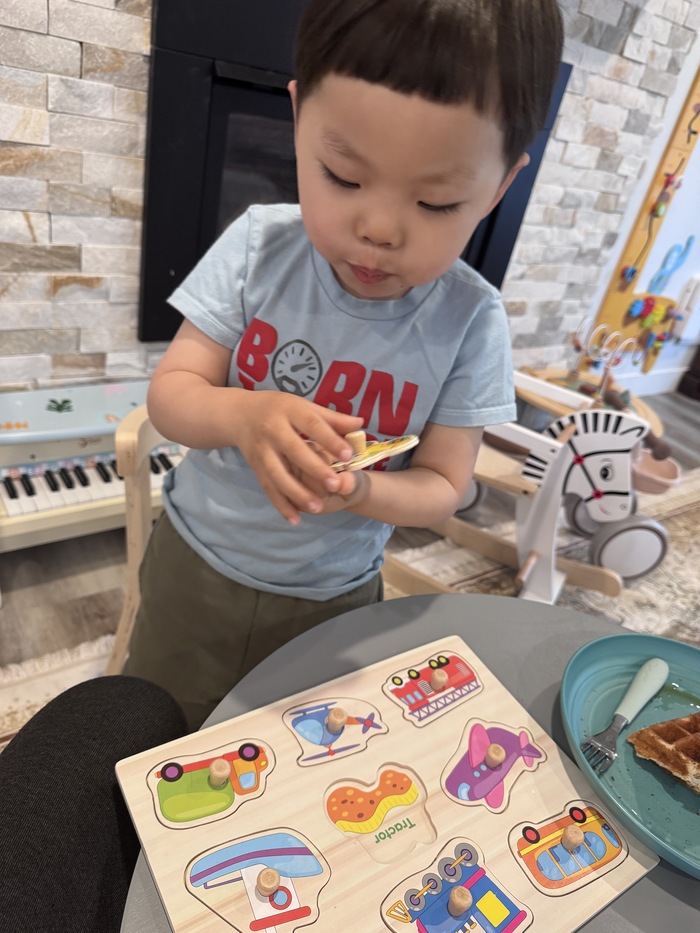
Toddler eating a balanced meal at daycare bothell.

Safe Food Practices in Daycare Settings

Food Storage and Preparation Guidelines

Safe food handling is critical in childcare. Follow CDC guidelines:

  • Refrigerate perishable foods at or below 40°F.
  • Label and date all stored breast milk, formula, or prepared meals.
  • Use separate cutting boards for raw and cooked foods to avoid cross-contamination.

Preventing Foodborne Illness

To reduce risks:

  • Wash hands, surfaces, and utensils thoroughly before food prep.
  • Cook foods to safe temperatures (e.g., poultry to 165°F).
  • Avoid choking hazards by cutting foods into small, age-appropriate pieces (e.g., grapes halved for toddlers).

Managing Allergies and Dietary Restrictions

Childcare providers must accommodate allergies and cultural/religious dietary needs:

  • Maintain a detailed record of each child’s dietary restrictions.
  • Communicate with parents to ensure safe meal planning.
  • Use separate utensils and prep areas for allergen-free meals to prevent cross-contact.

Managing Picky Eaters

Understanding Picky Eating in Toddlers

Picky eating is common due to developmental stages, sensory sensitivities, or a desire for autonomy. It often peaks between ages 1–3 and is usually temporary.

Strategies for Encouraging Healthy Eating

  • Offer Variety: Present small portions of diverse foods to encourage exploration.
  • Make It Fun: Use colorful plates or shape foods creatively (e.g., veggie sticks).
  • Avoid Pressure: Forcing food can worsen pickiness; offer choices instead.
  • Involve Children: Let toddlers help choose or prepare simple snacks to build interest.

When to Seek Professional Help

Persistent picky eating may signal nutritional deficiencies or sensory issues. Consult a pediatrician if a child:

  • Refuses entire food groups for weeks.
  • Shows signs of weight loss or developmental delays.
  • Experiences distress during mealtimes.

Nutrition for Preschoolers: Bridging the Gap

Adapting Toddler Nutrition for Preschoolers

As children transition to preschool (3–5 years), their nutritional needs evolve:

  • Increased Energy Needs: Offer slightly larger portions (e.g., 1/2 adult serving).
  • Balanced Meals: Include whole grains, lean proteins, and a variety of fruits/vegetables.
  • Sample Preschooler Meal: Whole-grain pita with hummus, cucumber slices, grilled chicken, and a fruit salad.

Encouraging Lifelong Healthy Habits

Childcare settings play a key role in shaping eating habits:

  • Incorporate nutrition education through fun activities like planting a small garden.
  • Encourage trying new foods without pressure, fostering curiosity.
  • Partner with parents to reinforce healthy eating at home and daycare.

Discover Kido Heaven’s Commitment to Childcare

ExcellenceAt Kido Heaven, we prioritize your child’s health and happiness in our Bothell, WA daycare. Our nurturing environment includes carefully planned, nutritious meals tailored to infants, toddlers, and preschoolers, ensuring they thrive. From safe food practices to accommodating dietary needs, our team partners with parents to create a seamless childcare experience. Explore our daycare in Bothell and discover how we foster healthy habits for your child’s future.

Why KidoHeaven Stands Out

✅ Licensed in Washington State
✅ Aligned with Early Achievers standards
✅ Working Connections subsidy accepted
✅ Daily updates via Brightwheel
✅ Located in Bothell, serving Mill Creek, Lynnwood & nearby areas
✅ Nutritious snacks, safe outdoor space, & positive mealtime routines

📞 Call 206-734-2040 to schedule a tour
🌐 Enroll now

Follow Our Mealtime Moments

Stay updated with more beautiful outdoor meals and daily learning routines on:

Instagram | Facebook | Nextdoor | Yelp | Winnie | YouTube | Upwards

FAQ

What are the best first foods for infants in daycare?

Single-ingredient purees like mashed avocado, sweet potato, or iron-fortified cereal are ideal, introduced one at a time to monitor allergies.

How can caregivers handle picky eaters in a group setting?

Offer small, varied portions, model healthy eating, and create a calm environment without forcing food.

What should parents pack for a toddler’s daycare lunch?

Pack balanced meals like whole-grain sandwiches, cut veggies, fruit, and a protein source (e.g., cheese or chicken), in child-safe portions.

How do daycares ensure food safety for young children?

Daycares follow strict hygiene, storage, and cooking guidelines, such as refrigerating perishables and cutting foods to prevent choking.

Can daycare meals accommodate food allergies?

Yes, with clear communication, daycares can provide allergen-free meals and use separate prep areas to avoid cross-contact.



Techniques for Building Emotional Bonds with Infants in Daycare

Emotional bonding is the cornerstone of healthy infant development, especially in daycare settings where children spend significant time away from their parents. Strong emotional bonds foster a sense of security, helping infants feel safe and valued in their environment. This foundation is critical for emotional regulation, social skills, and overall well-being as they grow.In daycare, caregivers play a vital role in building these bonds, acting as trusted figures who provide consistent care and comfort. For parents in Bothell seeking quality childcare, understanding how daycare supports emotional bonding can ease concerns and ensure their infants thrive. By prioritizing infant bonding, daycare providers create a nurturing space that mirrors the warmth of home, setting the stage for healthy development. This article explores evidence-based techniques for fostering emotional bonds with infants in daycare, offering practical guidance for caregivers and parents to support emotional growth.

The Science of Infant Attachment

Building emotional bonds with infants is rooted in attachment theory, a framework that explains how early relationships shape development. Understanding the science behind attachment helps caregivers in daycare settings create meaningful connections with infants.

What Is Secure Attachment?

Secure attachment, as described by psychologist John Bowlby, occurs when infants feel confident that their needs will be met by responsive caregivers. In daycare, this means caregivers consistently respond to an infant’s cries, smiles, or gestures, creating a predictable and safe environment. Securely attached infants are more likely to explore their surroundings, develop confidence, and form healthy relationships later in life. Research from Zero to Three highlights that secure attachment in the first year supports long-term emotional resilience.

Impact on Emotional Development

Emotional bonds directly influence an infant’s ability to regulate emotions and build social skills. When caregivers provide consistent, nurturing responses, infants learn to trust others and manage stress. Studies show that secure attachment correlates with better emotional regulation and fewer behavioral challenges in toddlerhood. In childcare settings, fostering these bonds ensures infants feel safe, paving the way for healthy emotional development.

Nurturing infant care setting in a Bothell home daycare Bothell

Responsive Caregiving Techniques

Responsive caregiving is the practice of attentively addressing an infant’s needs, fostering trust and emotional security. Below are key techniques caregivers in daycare settings can use to build strong emotional bonds with infants, tailored for Bothell parents seeking quality infant care.

Eye Contact and Facial Expressions

Eye contact is a powerful tool for building emotional connections. When caregivers maintain gentle, consistent eye contact during interactions like feeding or diapering, infants feel seen and understood. Smiling and mirroring an infant’s facial expressions further strengthen this bond, signaling warmth and engagement. For example, responding to an infant’s coo with a smile reinforces their sense of connection, crucial for emotional development in daycare settings.

Soothing Routines for Comfort

Soothing routines, such as gentle rocking, soft singing, or patting, help infants feel calm and secure. These consistent actions signal to infants that their caregiver is a reliable source of comfort. In a busy daycare environment, establishing predictable routines—like a lullaby before naptime—can create a sense of stability, fostering trust and emotional bonding.

Consistent Caregiver Responses

Responding promptly and predictably to an infant’s cues, such as crying or reaching out, builds a foundation of trust. Caregivers should aim to interpret and address these signals with care, whether it’s comforting a distressed infant or engaging with a curious one. Consistency in responses helps infants learn that their needs matter, strengthening childcare relationships and supporting emotional growth.

Creating a Supportive Daycare Environment

A nurturing daycare environment is essential for fostering emotional bonds with infants. By designing spaces and routines that prioritize comfort and consistency, caregivers can support healthy emotional development for infants in Bothell childcare settings.

Designing a Calming Space

A calm, predictable environment helps infants feel secure. Daycare providers can create cozy areas with soft lighting, comfortable bedding, and minimal overstimulation. Assigning consistent caregivers to infants ensures familiarity, which is critical for building trust. For example, a dedicated caregiver who greets an infant each morning with warmth can reinforce a sense of safety, mimicking the comfort of home in a Bothell daycare.

Partnering with Parents for Bonding

Collaboration with parents strengthens emotional bonding. Caregivers can share daily updates about an infant’s mood, routines, and interactions, helping parents reinforce bonding at home. For instance, suggesting a consistent bedtime routine that mirrors daycare practices can create continuity. Engaging parents through workshops or check-ins fosters a team approach, ensuring infants receive cohesive care that supports emotional development.

Caregiver in Bothell child care soothing infant with gentle rocking.

The Caregiver’s Role in Emotional Growth

Caregivers in daycare settings are pivotal in shaping infants’ emotional development. Their interactions lay the groundwork for trust and security, essential for healthy growth.

Fostering Trust Through Interaction

Consistent, attentive interactions help infants develop confidence in their caregivers. Simple actions like responding to a smile with warmth or comforting a fussy infant build trust over time. In daycare, caregivers who engage with infants during routine tasks—like feeding or changing—create opportunities for meaningful connections, reinforcing emotional security.

Recognizing Infant Emotional Cues

Understanding and responding to an infant’s emotional cues, such as fussiness, cooing, or body language, is critical. Caregivers should observe these signals and adjust their responses accordingly. For example, a restless infant may need gentle rocking, while a curious one might benefit from verbal engagement. Recognizing these cues strengthens childcare relationships and supports emotional growth.

Conclusion: Choosing the Right Daycare for Emotional Growth | Kidoheaven

Fostering emotional bonds with infants in daycare is essential for their long-term development. Through responsive caregiving techniques like eye contact, soothing routines, and consistent responses, caregivers create a nurturing environment where infants feel secure and valued. These bonds support emotional regulation, social skills, and confidence, setting the stage for healthy growth.For parents in Bothell seeking a daycare that prioritizes emotional bonding, Kidoheaven offers a trusted solution. Our dedicated caregivers create a warm, supportive environment to nurture your infant’s emotional development. Visit our daycare in Bothell to learn how we support your child’s growth with care and expertise. Word Count: ~150 words
SEO Keywords: daycare Bothell, infant care, emotional development
Internal Link: daycare in Bothell

📣 Call to Action:

Want to learn more or schedule a tour?

📞 Call us at 206-734-2040
🌐 Visit: www.kidoheaven.com
📍 We are a licensed family home daycare in Bothell, WA

🌐 Enroll now

We welcome you to join our growing family, where your child’s safety and development come first.

Follow Our Mealtime Moments

Stay updated with more beautiful outdoor meals and daily learning routines on:

Instagram | Facebook | Nextdoor | Yelp | Winnie | YouTube | Upwards

FAQ

Why is emotional bonding important for infants in daycare?

Emotional bonding creates a sense of security, supporting emotional regulation and social skills. It helps infants feel safe in daycare, fostering healthy development.

How can caregivers build trust with infants?

Caregivers can build trust through consistent eye contact, soothing routines, and prompt responses to infants’ needs, creating a reliable and nurturing environment.

What are responsive caregiving techniques?

Responsive caregiving involves attentive, consistent responses to an infant’s cues, such as crying or smiling, using techniques like eye contact and soothing routines.

How does daycare support toddler attachment?

Daycare supports toddler attachment by providing consistent caregivers, nurturing environments, and routines that mimic home, fostering trust and security.

How can parents reinforce bonding at home?

Parents can reinforce bonding by maintaining consistent routines, engaging in face-to-face interactions, and collaborating with daycare providers for continuity.


Supporting Infant Development Through Sensory Play: A Guide for Caregivers

Sensory play is a cornerstone of early childhood development, offering infants a fun and engaging way to explore their world. For parents, daycare providers, and home daycare caregivers, understanding how to use sensory activities effectively can transform infant care. This guide dives into the science, benefits, and practical applications of sensory play, providing safe and creative ideas to support cognitive, physical, and emotional growth in infants. Whether you’re running a daycare or nurturing a child at home, sensory play can elevate your childcare approach.

Why Sensory Play Matters for Infants

Sensory play engages an infant’s senses—touch, sight, sound, smell, and taste—laying the foundation for healthy development. In daycare and home daycare settings, these activities are more than just fun; they’re critical for fostering skills that infants carry into childhood. Let’s explore why sensory play is essential for infant care.

The Science Behind Sensory Stimulation

Sensory play stimulates the brain’s neural pathways, helping infants process and respond to their environment. According to research from pediatric experts, early sensory experiences strengthen neural connections, supporting cognitive functions like memory and problem-solving. For example, when an infant touches a textured toy, their brain processes tactile input, enhancing sensory integration. This is especially vital in the first year, when the brain undergoes rapid growth. By incorporating infant sensory play into daycare routines, caregivers can support brain development in a natural, engaging way.

Key Developmental Benefits

Sensory play offers a range of benefits for infant learning and growth, including:

  • Cognitive Development: Exploring textures or sounds helps infants understand cause-and-effect relationships, boosting problem-solving skills.
  • Physical Growth: Grasping objects or splashing in water strengthens fine and gross motor skills, essential for milestones like crawling or grasping.
  • Emotional Regulation: Sensory activities, like listening to soothing sounds, help infants self-soothe, reducing fussiness in childcare settings.
  • Social Skills: Group sensory play in daycare fosters interaction, laying the groundwork for social development.

By integrating sensory stimulation into child care routines, caregivers create opportunities for holistic growth, ensuring infants thrive in both home daycare and professional settings.

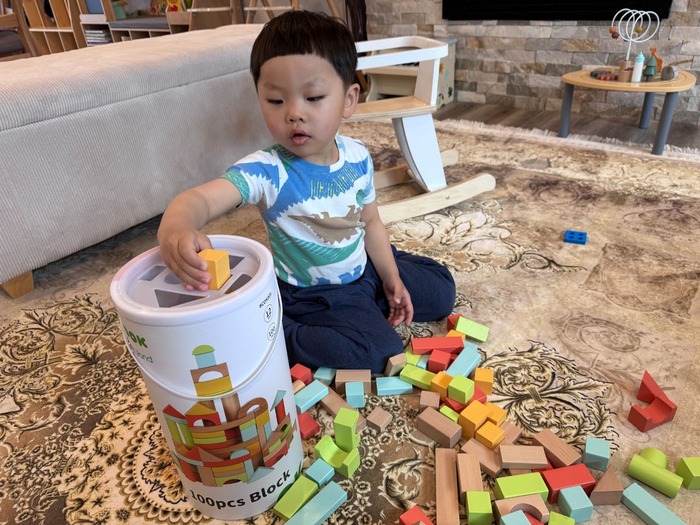
 A child in a daycare setting explores colorful, textured toys, promoting sensory development.

Types of Sensory Play for Infants

Sensory play comes in many forms, each targeting different senses to support baby development. Below are the main types of sensory activities suitable for infants in daycare or home environments.

Tactile Sensory Activities

Touch is one of the first senses infants use to explore their world. Tactile activities, such as playing with soft fabrics, squishy toys, or sensory bins filled with safe materials, encourage exploration. For example, a daycare provider might offer a basket of textured balls or crinkle books for infants to touch. These activities enhance fine motor skills and sensory processing, helping infants distinguish between rough, smooth, or bumpy surfaces. Always ensure materials are non-toxic and age-appropriate for infant care.

Visual and Auditory Stimulation

Visual and auditory activities engage infants’ sight and hearing, critical for early childhood activities. Colorful mobiles, high-contrast cards, or mirrors captivate an infant’s attention, improving visual tracking. Auditory stimulation, such as shaking a rattle or playing soft music, supports language development and auditory processing. In a daycare setting, caregivers can hang a mobile above a crib or sing songs during group time, creating a multi-sensory experience that fosters engagement.

Olfactory and Gustatory Exploration

While less common, olfactory (smell) and gustatory (taste) activities can safely introduce infants to new sensory experiences. For example, caregivers can place a lavender sachet near a play area to stimulate smell or offer taste-safe edible paints (made from natural ingredients like yogurt and food coloring) for older infants. These activities spark curiosity and sensory awareness, but caregivers must prioritize safety, avoiding strong scents or allergens in childcare settings.

Safe Sensory Play Ideas for Daycare and Home Settings

Incorporating sensory play into daycare or home daycare doesn’t require expensive tools—just creativity and a focus on safety. Below are practical ideas to engage infants while supporting their development.

Textured Toys and Materials

Textured toys, like soft blocks, crinkle books, or foam mats, are perfect for tactile exploration. In a daycare, caregivers can create a sensory basket with items like silk scarves, rubber balls, or wooden rings. Rotate toys regularly to keep infants engaged and ensure all materials are cleaned thoroughly to maintain hygiene in childcare settings. These activities promote fine motor skills and sensory integration.

Water Play for Cognitive Growth

Water play is a simple yet powerful sensory activity for infants. Fill a shallow tray with lukewarm water and add floating toys or cups for splashing. This engages infants’ senses while teaching cause-and-effect (e.g., splashing creates ripples). In home daycare settings, water play can be done during supervised outdoor time, ensuring infants stay safe and warm. This activity supports cognitive growth and motor coordination, making it ideal for infant care.

Sound-Based Activities

Sound-based activities, like shaking rattles, ringing bells, or singing lullabies, stimulate auditory development. Caregivers can create a “sound station” with musical toys or household items like plastic containers filled with rice (securely sealed). These activities encourage infants to focus on sounds, aiding language development and attention spans. In group daycare settings, singing during circle time fosters childcare engagement and social bonding.

A cozy, well-lit daycare Bothell space with sensory toys for infant engagement.

Implementing Sensory Play in Childcare

To make sensory play effective, caregivers must create a supportive environment and tailor activities to infants’ needs. Here’s how to integrate sensory play into daycare or home daycare settings.

Creating a Sensory-Friendly Environment

A sensory-friendly space is calm, safe, and inviting. Use soft lighting, minimize background noise, and arrange toys in accessible areas. In a daycare, dedicate a corner for sensory play with mats, cushions, and sensory bins. For home daycare, repurpose a small area with washable rugs and storage for sensory tools. This setup encourages exploration while keeping infants comfortable, aligning with best practices in child care.

Age-Appropriate Activities for Infants

Sensory activities should match an infant’s developmental stage:

  • 0–6 Months: Focus on high-contrast visuals (e.g., black-and-white cards) and gentle sounds (e.g., soft rattles). These support early visual and auditory development.
  • 6–12 Months: Introduce textured toys, water play, or taste-safe materials. These encourage motor skills and sensory exploration as infants become more mobile.

Caregivers should observe infants’ reactions and adjust activities to suit their needs, ensuring early childhood activities are both fun and developmental.

Safety Considerations for Sensory Play

Safety is paramount in infant care. Always supervise infants during sensory play, checking for choking hazards or allergens. Use non-toxic, age-appropriate materials, and sanitize toys regularly in daycare settings. For water play, ensure shallow containers and constant supervision to prevent accidents. By prioritizing safety, caregivers create a secure environment for sensory stimulation.

How Caregivers Can Track Developmental Progress

Monitoring infants’ progress helps caregivers assess the impact of sensory play and communicate effectively with parents. Here’s how to track development and foster collaboration.

Milestones to Watch For

Sensory play supports key developmental milestones, such as:

  • Cognitive: Recognizing patterns or responding to sounds (e.g., turning toward a rattle).
  • Physical: Grasping toys, reaching for objects, or coordinating movements during water play.
  • Emotional: Self-soothing when exposed to calming sensory stimuli, like soft music.

Caregivers should observe these milestones during daily activities and note progress in a journal or app. This helps tailor sensory play to each infant’s needs, supporting baby development in childcare settings.

Encouraging Parent-Caregiver Collaboration

In daycare settings, sharing sensory play outcomes with parents builds trust and engagement. Provide weekly updates or photos showing infants enjoying sensory activities. Suggest simple activities for parents to try at home, like playing with textured toys. This collaboration reinforces the value of sensory play and strengthens child care partnerships.

Conclusion: Elevate Infant Care with Sensory Play

Sensory play is a powerful tool for supporting infant development, offering benefits that span cognitive, physical, and emotional growth. By incorporating tactile, visual, auditory, and even olfactory activities into daycare Bothell or home daycare routines, caregivers can create enriching experiences that set infants up for success. From textured toys to water play, these activities are simple, safe, and impactful when done thoughtfully.At KidoHeaven, we’re committed to supporting caregivers with tools and resources for nurturing infant development. Whether you’re a parent or a daycare provider, our curated selection of sensory play tools can enhance your childcare approach.

📣 Call to Action:

Want to learn more or schedule a tour?

📞 Call us at 206-734-2040
🌐 Visit: www.kidoheaven.com
📍 We are a licensed family home daycare in Bothell, WA

🌐 Enroll now

We welcome you to join our growing family, where your child’s safety and development come first.

Follow Our Mealtime Moments

Stay updated with more beautiful outdoor meals and daily learning routines on:

Instagram | Facebook | Nextdoor | Yelp | Winnie | YouTube | Upwards

FAQ

What is sensory play, and why is it important for infants?

Sensory play involves activities that stimulate an infant’s senses, like touch or sound. It supports cognitive, physical, and emotional development by strengthening neural connections and fostering exploration.

How can I make sensory play safe for my daycare?

Use non-toxic, age-appropriate materials, supervise closely, and sanitize toys regularly. Avoid small items that pose choking risks and check for allergens in sensory materials.

What are some easy sensory activities for home daycare?

Try textured toys, water play in shallow trays, or musical rattles. These activities are simple, safe, and engaging for infants in home daycare settings.

How does sensory play support cognitive development?

Sensory play teaches cause-and-effect (e.g., splashing creates ripples) and enhances problem-solving skills, laying the foundation for cognitive growth in infants.

Can sensory play help with fussy infants?

Yes, calming activities like soft music or tactile toys can help infants self-soothe, reducing fussiness and promoting emotional regulation.

How often should infants engage in sensory play?

Incorporate sensory play daily in short, supervised sessions (10–15 minutes) to keep infants engaged without overwhelming them.


Reasons Your Kids Will Thrive in Daycare

Choosing the right care for your child is one of the most important decisions a parent can make. Whether you’re considering daycare, child care, infant care, or home day care, these environments offer more than just supervision—they provide a foundation for lifelong learning and growth. High-quality daycare programs create nurturing spaces where children can develop socially, cognitively, and emotionally while giving parents peace of mind. This article explores the key reasons your kids will thrive in daycare, backed by research and practical insights, to help you make an informed choice for your family.

Socialization: Building Friendships and Teamwork

One of the standout benefits of daycare is the opportunity for children to socialize with peers. From infant care to preschool programs, daycare exposes kids to diverse groups, helping them develop critical social skills.

  • Learning to Share and Collaborate: In a daycare setting, children engage in group activities like building block towers or playing cooperative games. These interactions teach them how to share, take turns, and work as a team.
  • Building Confidence: Interacting with other children and caregivers helps kids gain confidence in expressing themselves, whether through storytelling, singing, or play.
  • Exposure to Diversity: Daycare often brings together children from various backgrounds, fostering empathy and cultural awareness from an early age.

Research shows that children in high-quality daycare settings develop stronger social competence, which helps them form lasting friendships and navigate group dynamics effectively.

Happy children playing together in a daycare setting, fostering social skills in daycare.

Cognitive Growth Through Structured Learning

Daycare programs are designed to stimulate young minds through age-appropriate activities that promote cognitive development. Unlike informal care, structured child care environments offer curricula tailored to developmental milestones.

  • Early Learning Activities: From puzzles to storytelling, daycare introduces children to problem-solving, language skills, and critical thinking. For example, infant care programs use sensory play to stimulate brain development.
  • Executive Function Skills: Daycare helps children develop self-regulation, focus, and adaptability—skills likened to those of an air traffic controller, according to Harvard research. These abilities are crucial for academic success and lifelong learning.
  • Language and Literacy: Caregivers often read books, sing songs, and engage in conversations, boosting vocabulary and communication skills. Studies show that children in high-quality daycare score higher on vocabulary tests by grade school.

Emotional Development and Secure Attachments

A common concern among parents is whether daycare can provide the emotional support young children need. High-quality daycare addresses this by fostering secure attachments and emotional resilience.

  • Consistent Caregivers: While infants benefit from bonding with one or two primary caregivers, reputable daycare centers ensure consistent staff to build trust. This stability helps children feel safe and valued.
  • Emotional Regulation: Through guided activities, children learn to manage emotions, cope with frustration, and express feelings appropriately.
  • Supportive Environment: Daycare provides a nurturing space where kids receive attention from trained professionals, complementing parental care.

While some studies suggest that extensive hours in lower-quality daycare may lead to behavioral challenges, high-quality programs with attentive caregivers mitigate these risks and promote emotional health.

Physical Health and Active Play

Daycare environments prioritize physical activity, which is essential for healthy development. From outdoor play to structured games, children stay active and build healthy habits.

  • Physical Activities: Daycare programs often include outdoor play, dance, and movement-based games that promote motor skills and coordination.
  • Health Standards: Licensed daycare centers adhere to strict health and safety protocols, including immunizations and hygiene practices, ensuring a safe environment.
  • Nutrition: Many daycare programs provide balanced meals, teaching children about healthy eating habits early on.

Research indicates that children in daycare often have better overall health outcomes due to regular physical activity and health screenings.

Cozy home day care environment with children playing quietly in a home-like setting, ideal for infant care.

Preparation for School and Beyond

Daycare lays the groundwork for academic success by preparing children for the structure and expectations of school.

  • School Readiness: Programs often include activities like counting games, letter recognition, and group projects that prepare kids for kindergarten. Studies show that children in daycare are less likely to drop out of school and more likely to pursue higher education.
  • Structured Routines: Daycare introduces children to schedules, helping them adapt to the routines of formal schooling.
  • Social Skills for the Classroom: The ability to follow instructions, share resources, and collaborate with peers gives daycare children a head start in school.

The Benefits of Home Day Care: A Cozy Alternative

For parents seeking a more intimate setting, home day care offers a unique blend of personalized care and socialization.

  • Smaller Group Sizes: Home day cares typically have fewer children, allowing for more individualized attention. This is ideal for infants and toddlers who thrive in smaller, family-like environments.
  • Flexible Schedules: Unlike traditional daycare centers, home day cares often offer flexible drop-off and pick-up times, accommodating busy parents.
  • Home-Like Environment: The familiar setting of a home can feel comforting, especially for younger children transitioning from parental care.

While home day cares may vary in regulation depending on the state, choosing a licensed provider ensures safety and quality.

Support for Working Parents

Daycare isn’t just beneficial for kids—it’s a lifeline for working parents. By providing reliable care, daycare enables parents to balance professional and family responsibilities.

  • Work-Life Balance: Structured daycare schedules streamline family routines, reducing stress for parents.
  • Community Support: Daycare centers often connect parents with caregivers and other families, creating a support network for parenting challenges.
  • Backup Care: Many daycare programs offer solutions for unexpected needs, such as care for sick children, which is a significant advantage over other options like nannies.

Choosing the Right Daycare for Your Child

Selecting the right daycare involves careful consideration to ensure it meets your child’s needs and your family’s values.

  • Check Licensing and Safety: Opt for licensed daycare providers with clear health and safety protocols. You can verify licensing requirements through your state’s Child Care Resource and Referral agency.
  • Visit Multiple Times: Observe the environment, staff interactions, and activities to ensure a nurturing and stimulating setting.
  • Ask About Curriculum: Look for programs with age-appropriate educational activities that align with your child’s developmental stage.
  • Consider Your Child’s Needs: For infants, prioritize consistent caregivers. For older kids, focus on socialization and school readiness.

Why Choose KidoHeaven for Your Child’s Daycare Needs?

At KidoHeaven, we understand that every child is unique, and our daycare programs are designed to nurture their individual potential. Our state-of-the-art facilities, licensed caregivers, and carefully crafted curricula create a safe, engaging, and joyful environment for children of all ages. Whether you’re seeking infant care, child care, or home day care in Bothell options, KidoHeaven offers flexible, high-quality solutions tailored to your family’s needs. Visit KidoHeaven.com to learn more about our programs and how we can help your child thrive.

Why KidoHeaven Stands Out

✅ Licensed in Washington State
✅ Aligned with Early Achievers standards
✅ Working Connections subsidy accepted
✅ Daily updates via Brightwheel
✅ Located in Bothell, serving Mill Creek, Lynnwood & nearby areas
✅ Nutritious snacks, safe outdoor space, & positive mealtime routines

📞 Call 206-734-2040 to schedule a tour
🌐 Enroll now

Follow Our Mealtime Moments

Stay updated with more beautiful outdoor meals and daily learning routines on:

Instagram | Facebook | Nextdoor | Yelp | Winnie | YouTube | Upwards

FAQ

1. Is daycare safe for infants?

Yes, high-quality infant care in licensed daycare centers is safe, with trained caregivers, strict safety protocols, and health standards. Always verify licensing and visit the facility to ensure it meets your expectations.

2. How does daycare benefit toddlers compared to staying at home?

Daycare offers toddlers socialization, structured learning, and exposure to diverse activities that promote cognitive and emotional growth, which may complement home-based care.

3. What’s the difference between daycare centers and home day care?

Daycare centers are larger, licensed facilities with structured curricula, while home day care provides a smaller, more flexible, home-like environment. Both can be high-quality, depending on licensing and caregiver qualifications.

4. Will my child fall behind if they don’t attend daycare?

Not necessarily. Children can thrive in various settings, but daycare provides unique opportunities for socialization and early education that prepare kids for school.

5. How can I afford daycare?

Explore subsidized programs like Head Start, contact local Child Care Resource and Referral agencies, or consider flexible options like home day care to manage costs.


The Power of Imaginative Play: Unlocking Your Child’s Potential

Imaginative play is a vital part of childhood, boosting creativity, social skills, and cognitive growth. This article will describe how creativity and imagination are important for the development of a child and provide practical ways to nurture these skills through play.

What Is Imaginative Play?

Imaginative play, often called pretend play or make-believe, is when children use their creativity to act out scenarios, roles, or stories. Whether they’re pretending to be superheroes, cooking in a play kitchen, or exploring a magical forest, imaginative play allows kids to create their own worlds. This type of play is unstructured, driven by a child’s imagination, and often involves role-playing, storytelling, or inventing new games.For young children, including those in infant care or home day care settings, imaginative play is a natural way to explore their environment, express emotions, and make sense of the world. It’s more than just fun—it’s a critical part of healthy development.

Why Imaginative Play Matters for Child Development

Imaginative play is a cornerstone of early childhood development. It provides a safe space for children to experiment with ideas, emotions, and social interactions. Research shows that kids who engage in regular pretend play develop stronger cognitive, emotional, and social skills, which lay the foundation for success in school and beyond.In child care environments, such as daycare or home-based programs, imaginative play is often encouraged through storytelling, dress-up games, and creative activities. These experiences help children build confidence, resilience, and the ability to think outside the box.

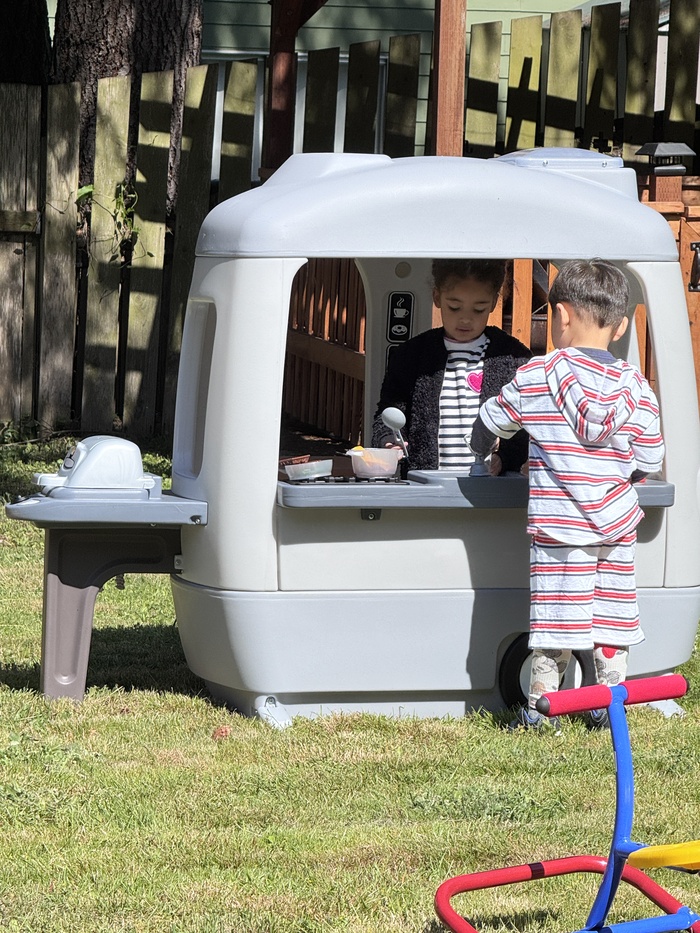
Children playing imaginative outdoor games at Kidoheaven daycare in Bothell

Key Benefits of Pretend Play for Kids

Imaginative play offers a wide range of benefits that support a child’s growth in multiple areas. Below, we explore the top advantages of pretend play and how it shapes well-rounded development.

Boosts Creativity and Problem-Solving Skills

Imaginative play encourages children to think creatively and come up with original ideas. When a child pretends to be a doctor or builds a castle out of blocks, they’re solving problems, making decisions, and inventing solutions. For example, they might figure out how to “fix” a toy patient or create a new rule for their imaginary game.This creative thinking translates into real-world problem-solving skills. Kids learn to approach challenges with flexibility and innovation, which are essential for academic and professional success later in life.

Enhances Social and Emotional Development

Pretend play often involves collaboration, whether it’s with peers in a daycare setting or siblings at home. Children take on different roles, negotiate rules, and practice empathy by stepping into someone else’s shoes. For instance, playing “family” helps kids understand different perspectives and emotions, fostering compassion and emotional intelligence.Imaginative play also allows children to process complex feelings. A child acting out a scenario where they’re a superhero saving the day might be working through fears or building self-confidence.

Supports Cognitive Growth

Imaginative play stimulates brain development by engaging memory, planning, and critical thinking. When children create elaborate storylines or build imaginary worlds, they practice organizing their thoughts and making connections. These activities strengthen executive function skills, such as focus, self-control, and decision-making.In infant care and preschool settings, imaginative play also introduces early math and science concepts. For example, stacking blocks to build a tower teaches spatial awareness, while pretending to run a store introduces basic counting and money concepts.

Promotes Physical Development

While imaginative play is often associated with mental benefits, it also supports physical growth. Running around as a pirate, dancing like a ballerina, or crawling through a “jungle” helps children develop fine and gross motor skills. These activities improve coordination, balance, and strength, which are crucial for young children’s physical health.In home day care environments, caregivers can incorporate movement-based pretend play, such as obstacle courses or dance parties, to keep kids active and engaged.

Encourages Language and Communication Skills

Imaginative play is a natural way for children to expand their vocabulary and practice communication. When kids narrate their play or talk to imaginary friends, they experiment with new words, sentence structures, and storytelling techniques. Group play, such as in a daycare setting, also encourages listening and responding to others, which builds strong interpersonal communication skills.For younger children in infant care, simple pretend play activities like peek-a-boo or singing songs with gestures lay the groundwork for language development.

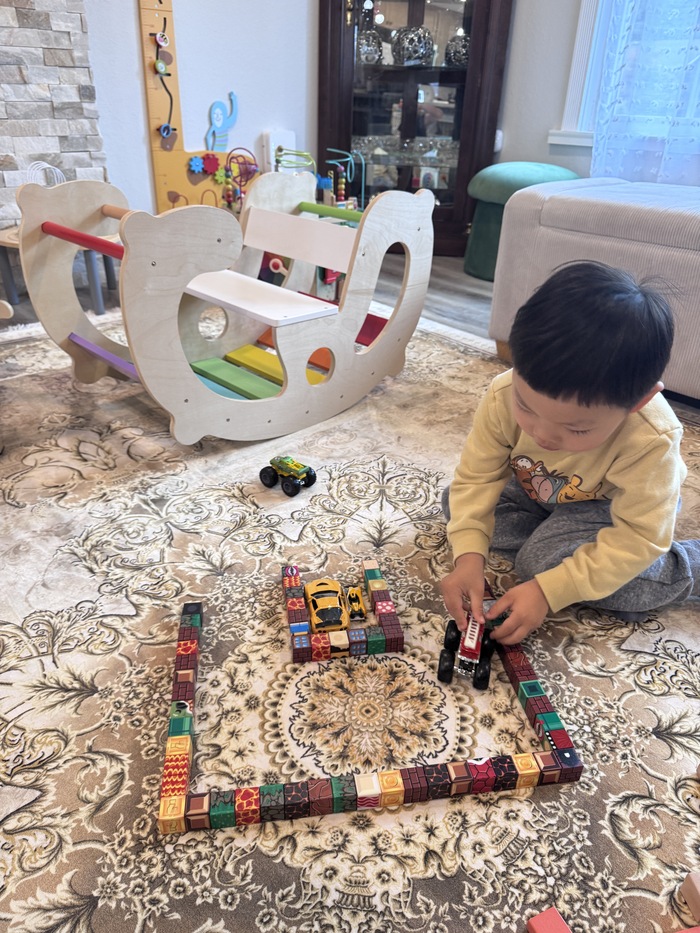
Child playing imaginatively in home daycare bothell

How to Encourage Imaginative Play at Home or in Daycare

Parents and caregivers play a vital role in fostering imaginative play. Here are practical ways to encourage pretend play in any setting, whether at home or in a child care program.

Create a Play-Friendly Environment

Set up a dedicated space where children feel free to explore their imagination. This could be a corner of the living room or a play area in a daycare facility. Include props like costumes, toy tools, or cardboard boxes that spark creativity. Ensure the space is safe and free from distractions, allowing kids to focus on their play.

Provide Open-Ended Toys and Props

Open-ended toys, such as building blocks, dolls, or art supplies, are perfect for imaginative play because they can be used in countless ways. Unlike toys with specific functions, open-ended materials encourage kids to invent their own games and stories. For example, a simple scarf can become a superhero cape, a magic carpet, or a tent.

Incorporate Imaginative Play in Daily Routines

Imaginative play doesn’t require special equipment—it can be part of everyday activities. Turn bath time into a pirate adventure or pretend the grocery store is a treasure hunt. In home day care settings, caregivers can weave pretend play into group activities, like acting out a story during circle time.

The Role of Daycare in Fostering Imaginative Play

High-quality daycare programs prioritize imaginative play as part of their curriculum. Caregivers in these settings create structured yet flexible environments where children can explore their creativity through group activities, storytelling, and hands-on projects. These programs often use play-based learning to teach social skills, problem-solving, and emotional regulation.For infants, infant care providers use sensory-based pretend play, such as puppet shows or musical games, to stimulate early development. In home day care settings, small group sizes allow for personalized attention, ensuring each child’s unique interests are nurtured through play.By fostering imaginative play, daycare programs help children build a strong foundation for lifelong learning and emotional well-being.

Nurture Your Child’s Imagination with Kido Heaven

Imaginative play is more than just a fun activity—it’s a powerful tool for helping children grow into creative, confident, and capable individuals. By encouraging pretend play at home or in a supportive child care environment, you’re giving your child the opportunity to develop essential skills that will benefit them for years to come.At Kido Heaven, we understand the importance of imaginative play in early childhood development. Our daycare in Bothell and child care in Bothell programs are designed to spark creativity and foster growth through play-based learning. Whether you’re looking for a nurturing home day care or specialized infant care, our experienced caregivers create a warm, engaging environment where your child can thrive. Contact Kido Heaven today to learn how we can support your child’s development through the power of play!

📣 Call to Action:

Want to learn more or schedule a tour?

📞 Call us at 206-734-2040
🌐 Visit: www.kidoheaven.com
📍 We are a licensed family home daycare in Bothell, WA

🌐 Enroll now

We welcome you to join our growing family, where your child’s safety and development come first.

Follow Our Mealtime Moments

Stay updated with more beautiful outdoor meals and daily learning routines on:

Instagram | Facebook | Nextdoor | Yelp | Winnie | YouTube | Upwards

FAQ

1. What age is best for imaginative play?

Imaginative play can begin as early as infancy with simple games like peek-a-boo. It becomes more complex around ages 2–3, when children start creating stories and role-playing. However, kids of all ages benefit from pretend play.

2. How can I encourage my shy child to engage in imaginative play?

Start with low-pressure activities, like playing with dolls or drawing a story together. Follow your child’s lead and offer gentle prompts to spark their imagination. Joining in the play can also help them feel more comfortable.

3. Are there specific toys that promote imaginative play?

Yes, open-ended toys like blocks, dress-up clothes, and art supplies are ideal. Avoid toys with rigid instructions, as they can limit creativity.

4. How does imaginative play differ in daycare versus home settings?

In daycare, imaginative play often involves group activities and peer interaction, fostering social skills. At home, play is more individualized, allowing for deeper exploration of personal interests.

5. Can imaginative play help with school readiness?

Absolutely! Imaginative play builds cognitive, social, and emotional skills that prepare children for academic challenges, such as problem-solving, collaboration, and self-regulation.


Unlocking Child Development: The Power of Crafts for Kids

Craft activities are more than just fun—they’re a cornerstone of early childhood development. In daycare, childcare, and home daycare settings, crafts provide children with opportunities to explore their creativity, build essential skills, and prepare for future learning. From painting and gluing to cutting and sculpting, these hands-on activities engage young minds in meaningful ways. Whether it’s an infant exploring textures or a preschooler creating a masterpiece, crafts foster growth in cognitive, physical, and social-emotional domains. This article explores the numerous benefits of crafts for kids, offering insights for parents and caregivers on why incorporating creative activities into daycare and childcare routines is essential. With a focus on early childhood education, we’ll uncover how crafts support development and provide practical tips for integrating them into daily routines.

Why Crafts Matter in Early Childhood

Crafts are a powerful tool in early childhood education, particularly in daycare and home daycare environments. They encourage children to think creatively, solve problems, and express themselves. Unlike structured academic tasks, crafts allow kids to explore without fear of failure, fostering a love for learning. In childcare settings, crafts align with developmental milestones, supporting infants, toddlers, and preschoolers in unique ways. For example, infants benefit from sensory exploration, while preschoolers develop critical thinking through complex projects. Crafts also promote independence, as children make choices about colors, materials, and designs. By integrating arts and crafts into daily routines, daycare providers create enriching experiences that lay the foundation for lifelong skills.

Cognitive Benefits of Crafts for Kids

Crafts stimulate cognitive development by engaging children’s brains in problem-solving and critical thinking. When kids plan a project, they practice decision-making, such as choosing materials or sequencing steps. For instance, creating a collage requires sorting, categorizing, and spatial reasoning—skills essential for math and science. In daycare settings, crafts encourage focus and concentration, as children immerse themselves in tasks like cutting shapes or threading beads. These activities also enhance memory, as kids follow instructions or recall patterns. For infants in childcare, simple crafts like finger painting introduce cause-and-effect relationships, such as how colors mix. By fostering curiosity and experimentation, crafts prepare children for academic success while making learning enjoyable.

Child in daycare Bothell painting colorful artwork during craft activity

Physical Development Through Craft Activities

Craft activities are excellent for developing fine motor skills, which are critical for tasks like writing and self-care. In daycare and home daycare, activities like cutting, gluing, and drawing strengthen hand muscles and improve hand-eye coordination. For infants, sensory crafts like exploring soft fabrics or squishing playdough enhance tactile awareness. Toddlers benefit from activities like stringing beads, which refine dexterity. Preschoolers, meanwhile, tackle more complex tasks like folding paper or using safety scissors, building precision and control. These physical skills translate to everyday activities, such as buttoning clothes or holding a pencil. By incorporating crafts into childcare routines, caregivers support physical development in a fun, engaging way.

Social and Emotional Growth

Crafts in daycare and childcare settings foster social-emotional development by encouraging collaboration and self-expression. Group projects, like creating a mural, teach kids to share materials, communicate ideas, and work as a team. These experiences build empathy and cooperation, essential for social interactions. Individually, crafts allow children to express emotions through colors, shapes, and designs, helping them process feelings in a safe way. For example, a child might draw a picture to express joy or frustration, building emotional resilience. In home daycare, where smaller groups create a nurturing environment, crafts provide opportunities for personalized attention, boosting confidence. By celebrating each child’s unique creations, caregivers reinforce self-esteem and a sense of accomplishment.

Crafts in Daycare and Childcare Settings

Daycare and home daycare programs are ideal for incorporating crafts, as they provide structured yet flexible environments for creative exploration. Crafts can be tailored to suit different age groups, from infants to preschoolers. For example, infant care might include sensory bins with safe, textured materials, while preschoolers engage in themed projects like holiday decorations. Caregivers can integrate crafts into daily schedules, using them to reinforce lessons or themes, such as animals or seasons. Crafts also support transitions, helping children stay engaged during downtime. By creating a craft-friendly environment, daycare providers enhance learning while fostering a sense of community. Parents can look for programs that prioritize hands-on activities to ensure their child’s development is well-rounded.

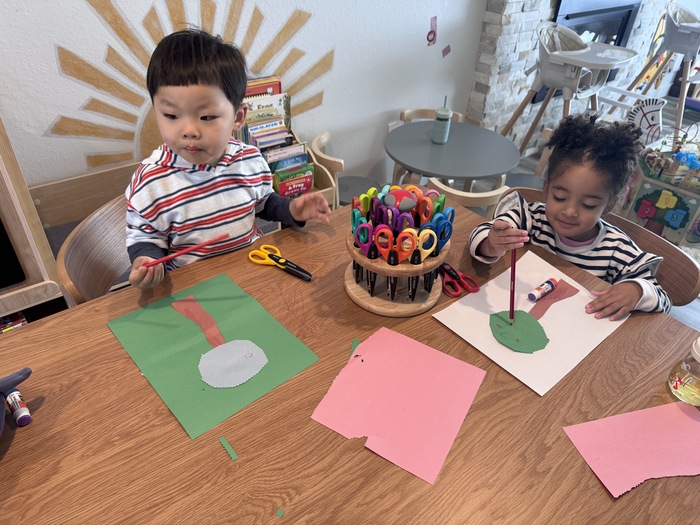
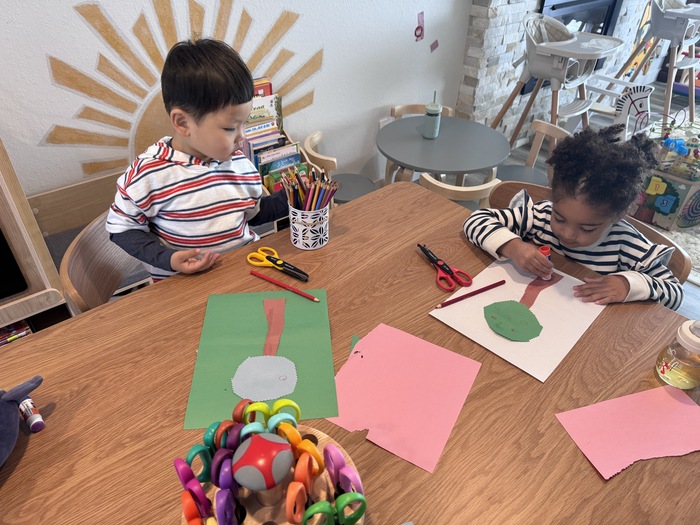
Kids in home daycare in Bothell collaborating on a craft project

Age-Appropriate Craft Ideas for Kids

  • Toddlers (2–3 years) in Childcare: Simple projects like paper plate animals or gluing tissue paper onto clear plastic cups to create “stained glass” decorations encourage creativity and fine motor skills. These activities are engaging and manageable in childcare settings, promoting independence. [Internal Link: engaging childcare activities]
  • Preschoolers (3–5 years) in Daycare: More complex crafts, such as creating paper mosaics or building simple birdhouses from craft sticks, challenge preschoolers to follow multi-step instructions. These projects foster problem-solving and patience while allowing kids to take pride in their creations.
  • Mixed-Age Groups in Home Daycare: Collaborative crafts, like a group collage or a seasonal wreath, work well in home daycare settings. These activities encourage teamwork and communication, making them ideal for small, family-like environments.

When planning crafts, caregivers should use safe, non-toxic materials and supervise closely, especially for younger children. Incorporating themes tied to learning goals, such as shapes or colors, enhances educational value. These activities not only entertain but also lay the groundwork for skills children will use in school and beyond.

Tips for Parents and Caregivers

Parents and caregivers can maximize the benefits of crafts by creating a supportive environment. Here are practical tips for integrating crafts into daycare, childcare, or home daycare:

  • Set Up a Craft Station: Dedicate a space with accessible supplies like paper, glue, crayons, and scissors (age-appropriate). Keep it organized to encourage independence.
  • Choose Simple Materials: Use everyday items like cardboard tubes, cotton balls, or recycled materials to keep costs low and spark creativity.
  • Encourage Exploration: Let children experiment without rigid expectations. Allow them to choose colors or designs to foster decision-making.
  • Incorporate Learning: Tie crafts to educational themes, like creating letter-shaped collages to reinforce alphabet recognition.
  • Celebrate Effort: Praise the process, not just the result, to build confidence. Display creations to show children their work is valued.
  • Ensure Safety: Use non-toxic materials and supervise closely, especially for infants and toddlers in childcare settings.
  • Make It Routine: Schedule regular craft time in daycare or home daycare to build consistency and excitement.

By fostering a creative environment, caregivers help children develop skills that extend beyond the craft table, preparing them for academic and social success.

Conclusion: Why Kidoheaven Prioritizes Crafts

At Kidoheaven, we believe crafts are more than just activities—they’re a gateway to unlocking a child’s potential. Our daycare in Bothell and our home daycare in Bothell programs prioritize hands-on creative projects to nurture cognitive, physical, and social-emotional growth. From infants exploring sensory crafts to preschoolers tackling complex projects, our caregivers design activities that spark joy and build essential skills. By fostering creativity in a safe, supportive environment, we help children develop confidence, problem-solving abilities, and a love for learning. Whether it’s through painting, sculpting, or collaborative projects, Kidoheaven ensures every child has opportunities to grow through play. Visit kidoheaven.com to learn how our childcare programs incorporate crafts to support your child’s development.

📣 Call to Action: Your Child’s Growth and Safety Are Our Priority

At Kido Heaven Child Care, we understand that choosing the right daycare or childcare provider is a significant decision for parents. That’s why we create a nurturing, creative, and safe environment where your child can thrive. Our programs incorporate engaging crafts and activities tailored to support infant care, toddler development, and preschool learning, all while adhering to the highest safety standards. Visit kidoheaven.com to discover how we prioritize your child’s growth, creativity, and well-being in our daycare and home daycare settings.

Want to learn more or schedule a tour?

📞 Call us at 206-734-2040
🌐 Visit: www.kidoheaven.com
📍 We are a licensed family home daycare in Bothell, WA

🌐 Enroll now

We welcome you to join our growing family, where your child’s safety and development come first.

Follow Our Mealtime Moments

Stay updated with more beautiful outdoor meals and daily learning routines on:

Instagram | Facebook | Nextdoor | Yelp | Winnie | YouTube | Upwards

FAQ

1. Why are crafts important for kids in daycare?

Crafts promote cognitive, physical, and social-emotional development. They enhance fine motor skills, encourage creativity, and foster collaboration, making them essential for early childhood education in daycare settings.

2. What types of crafts are safe for infants in childcare?

Sensory-based crafts, like finger painting with edible paints or exploring textured materials, are safe and beneficial for infants. Always ensure materials are non-toxic and supervise closely.

3. How can parents encourage creativity at home?

Provide a variety of supplies, allow freedom in projects, and celebrate effort. Simple crafts like paper collages or playdough sculptures spark creativity in home daycare settings.

4. How do crafts support school readiness?

Crafts build skills like problem-solving, fine motor control, and focus, which are critical for writing, math, and classroom collaboration. They also encourage perseverance and confidence.

5. Can crafts be part of a daycare curriculum?

Yes, crafts can be integrated into daily schedules to reinforce learning themes, support transitions, and create a fun, engaging environment in daycare and childcare programs.


The Role of Outdoor Play in Daycare

Outdoor play is more than just a break from indoor activities—it’s a cornerstone of healthy child development. For children in daycare, whether in a home daycare or a larger child care center, daily outdoor time fosters physical, cognitive, social, and emotional growth. This article explores the multifaceted benefits of outdoor play, provides practical strategies for integrating it into daily schedules, and offers insights into creating safe and stimulating outdoor environments for infants and toddlers.

The Importance of Outdoor Play for Young Children

In today’s fast-paced, tech-driven world, children spend less time outdoors, leading to more sedentary lifestyles and reduced exposure to nature. For children in daycare, where structured routines dominate, outdoor play offers a unique opportunity to explore, move freely, and connect with their environment. Research shows that regular outdoor time enhances physical health, boosts cognitive development, and supports emotional well-being. For infants and toddlers in child care or home daycare settings, these experiences are critical for laying the foundation for lifelong healthy habits. Outdoor play engages children’s senses, encourages curiosity, and provides a dynamic environment where they can learn through exploration. Unlike indoor settings, outdoor spaces allow for gross motor activities, risk-taking, and interaction with natural elements like grass, water, and sunlight. These experiences are particularly vital for young children, whose brains and bodies are rapidly developing.

Physical Benefits of Outdoor Play

Physical activity is essential for children’s growth, and outdoor play naturally promotes movement in ways that indoor environments often cannot. Here’s how daily outdoor time benefits children in daycare:

  • Gross Motor Skill Development: Running, climbing, jumping, and balancing on outdoor equipment help children build strength, coordination, and agility. These activities are crucial for infants and toddlers as they develop foundational motor skills.
  • Cardiovascular Health: Active play increases heart rate, supporting cardiovascular fitness and reducing the risk of childhood obesity. Studies indicate that children who engage in regular physical activity are less likely to face weight-related health issues later in life.
  • Immune System Boost: Exposure to fresh air and sunlight enhances immune function. Sunlight, in particular, helps the body produce vitamin D, which supports bone development and overall health.
  • Sensory Stimulation: Outdoor environments engage children’s senses of touch, sight, and smell, from feeling the texture of leaves to hearing birds chirping. This sensory input is critical for infants’ neurological development.

By incorporating outdoor play into daily routines, daycare providers can ensure children meet recommended physical activity levels—ideally 60 minutes of unstructured play and 30 minutes of structured activity for toddlers, as suggested by pediatric guidelines.


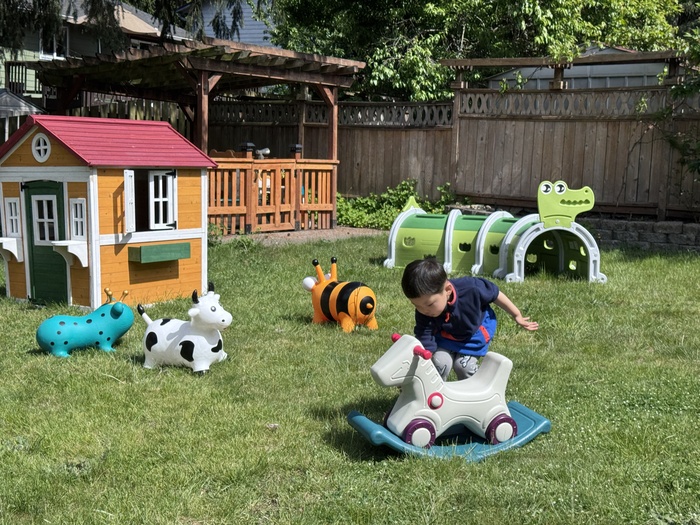
Child sitting on outdoor play equipment: A toddler happily seated on a low, colorful swing in a safe daycare playground surrounded by open outdoor space.
childcare near me

Cognitive and Emotional Growth Through Nature

Outdoor play isn’t just about physical activity; it also nurtures cognitive and emotional development. The natural world provides a rich, ever-changing classroom for young minds.

  • Cognitive Development: Exploring outdoor spaces encourages problem-solving and critical thinking. For example, navigating a playground obstacle course or experimenting with sand and water teaches cause-and-effect relationships and spatial awareness.
  • Creativity and Imagination: Unstructured outdoor play allows children to invent games, build structures with natural materials, or engage in pretend play, fostering creativity. A simple pile of leaves can become a castle, sparking imaginative storytelling.
  • Emotional Well-Being: Time in nature reduces stress and promotes calmness. Studies show that children who play outdoors have lower cortisol levels, indicating reduced stress compared to indoor settings. This is especially important for infants and toddlers, who may feel anxious in new environments like daycare.
  • Risk-Taking and Resilience: Outdoor play often involves calculated risks, such as climbing a low structure or balancing on a log. These experiences teach children to assess risks, build confidence, and recover from setbacks, fostering resilience.

By prioritizing outdoor time, daycare providers create opportunities for children to develop holistically, balancing intellectual growth with emotional stability.

Social Skills Development Outdoors

Outdoor play provides a unique setting for children to develop social skills through interaction and collaboration. In a daycare environment, where children are learning to navigate relationships, outdoor spaces encourage:

  • Cooperation and Sharing: Group activities like building a sandcastle or playing tag require children to take turns, share resources, and work together, fostering teamwork.
  • Empathy and Communication: Outdoor play often leads to spontaneous interactions, where children learn to read emotions, resolve conflicts, and communicate effectively. For example, comforting a friend who falls or negotiating rules for a game builds empathy.
  • Independence and Confidence: The freedom of outdoor spaces allows children to make choices, such as deciding which activity to engage in, boosting their sense of autonomy and self-esteem.

For infants, outdoor play might involve simple interactions like watching older children or engaging in parallel play, which lays the groundwork for social development. In home daycare settings, where groups are smaller, outdoor time can be tailored to encourage one-on-one interactions, further enhancing social bonds.

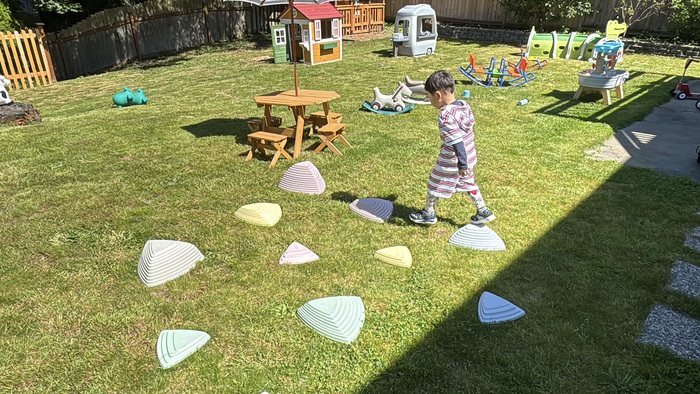
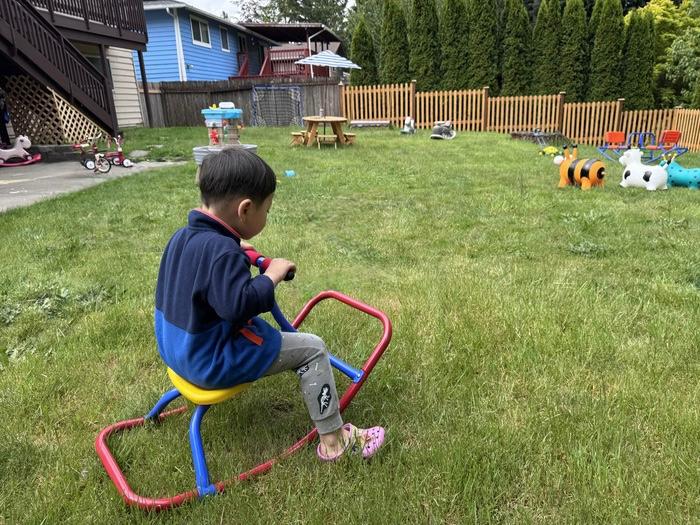
A young child joyfully engaging with a colorful push-along toy in a grassy daycare outdoor play area.
daycare near me

Creating a Safe and Engaging Outdoor Play Area

A well-designed outdoor play area is critical for maximizing the benefits of outdoor play. Whether in a home daycare or a larger child care center, consider these elements:

  • Age-Appropriate Equipment: For infants, soft surfaces and low structures encourage safe exploration. Toddlers benefit from short slides, climbing steps, and sensory tables. Ensure equipment meets safety standards and is regularly inspected.
  • Natural Elements: Incorporate logs, rocks, plants, or a small garden to stimulate curiosity and connect children with nature. These elements encourage sensory play and environmental awareness.
  • Flexible Spaces: Create areas for both high-energy activities (e.g., running or climbing) and quieter play (e.g., digging in sand or reading under a tree). This accommodates different temperaments and developmental stages.
  • Safety Measures: Use soft, impact-absorbing surfaces like rubber mats or mulch, and ensure active supervision to prevent injuries. Check weather conditions and dress children appropriately for outdoor play.

Even small outdoor spaces can be transformed with creative planning. For example, a home daycare might use portable equipment or take children to a nearby park to supplement limited space.

Incorporating Outdoor Play into Daily Schedules

Integrating outdoor play into a daycare’s daily routine requires intentional planning to ensure consistency and accessibility. Here are practical strategies:

  • Dedicated Time Slots: Schedule at least 40–60 minutes of outdoor play daily, ideally split into two sessions (e.g., morning and afternoon) to accommodate nap times and weather variations.
  • Flexible Transitions: Allow children to move between indoor and outdoor spaces with minimal disruption. For example, set up a covered outdoor area for rainy days.
  • Age-Specific Activities: Tailor outdoor time to the developmental needs of infants and toddlers. Infants might enjoy tummy time on a blanket, while toddlers can engage in active games like chasing bubbles.
  • Parent Communication: Inform parents about the importance of outdoor play and encourage them to send weather-appropriate clothing, such as hats or raincoats, to support daily outdoor time.

By embedding outdoor play into the schedule, daycare providers create a predictable routine that fosters children’s comfort and engagement.

Outdoor Play Ideas for Infants and Toddlers

Here are engaging, age-appropriate outdoor activities to inspire daycare providers:

  • Infants (0–18 months):
    • Tummy Time on Grass: Place a soft blanket outdoors for infants to explore textures like grass or leaves.
    • Sensory Bottles: Fill clear bottles with natural items like pebbles or flowers for infants to observe.
    • Nature Observation: Point out birds, clouds, or trees to stimulate visual and auditory senses.
  • Toddlers (18 months–3 years):
    • Nature Scavenger Hunt: Encourage toddlers to find items like a smooth rock or a red leaf, promoting exploration and vocabulary development.
    • Water Play: Set up a shallow basin for splashing or floating toys, enhancing sensory and motor skills.
    • Obstacle Course: Create a simple course with cones, hula hoops, or low steps to encourage climbing and balancing.

These activities are low-cost, easy to implement, and adaptable for both home daycare and larger child care settings.

Overcoming Common Barriers to Outdoor Play

Despite its benefits, outdoor play can face challenges. Here’s how daycare providers can address them:

  • Limited Space: Use portable equipment or local parks to create outdoor experiences in small or urban settings.
  • Weather Concerns: Equip children with appropriate clothing and use covered areas for light rain or extreme heat. Check air quality and adjust outdoor time as needed.
  • Safety Worries: Implement active supervision, maintain equipment, and teach children safety rules to minimize risks.
  • Time Constraints: Prioritize outdoor play by integrating it into the curriculum, treating it as an essential learning component rather than an optional recess.

By proactively addressing these barriers, daycare providers can ensure outdoor play remains a daily priority.

About KidoHeaven

At KidoHeaven, we believe every child deserves a joyful, nurturing environment to learn, grow, and explore. Our mission is to support daycare providers and parents with resources, ideas, and inspiration to create enriching experiences for infants and toddlers. Whether you run a home daycare Bothell or a child care Bothell center, KidoHeaven offers tools to enhance your programs, from outdoor play ideas to developmental activities that spark curiosity. Visit KidoHeaven.com to discover how we can help you create a heaven for little learners.

Why KidoHeaven Stands Out

✅ Licensed in Washington State
✅ Aligned with Early Achievers standards
✅ Working Connections subsidy accepted
✅ Daily updates via Brightwheel
✅ Located in Bothell, serving Mill Creek, Lynnwood & nearby areas
✅ Nutritious snacks, safe outdoor space, & positive mealtime routines

📞 Call 206-734-2040 to schedule a tour
🌐 Enroll now

Follow Our Mealtime Moments

Stay updated with more beautiful outdoor meals and daily learning routines on:

Instagram | Facebook | Nextdoor | Yelp | Winnie | YouTube | Upwards

FAQ

Q: When should my child start daycare?

Kids as young as 6 months can start daycare, with activities designed just for their age.

How does daycare help my child’s emotions?

Teachers help kids learn to express feelings and feel confident in a caring environment.

Is daycare safe for young kids?

Yes, good daycares like Kidoheaven have trained staff and safe spaces for kids to play and learn.

How do I pick the right daycare in Bothell?

Choose a daycare with kind teachers, fun activities, and a focus on your child’s growth, like Kidoheaven.

Does daycare teach school skills?

Yes, kids learn early reading, math, and problem-solving through fun games and activities.


Safe Sleep for Infants in Daycare

At Kido Heaven Child Care, nestled in the heart of Bothell, Washington, we make your infant’s safety our top priority. For parents of babies under 12 months, understanding how daycares keep your little one safe during sleep is essential. The Washington State Department of Children, Youth, and Families (DCYF) sets strict rules to ensure infants sleep in a secure environment, and at Kido Heaven, we follow these guidelines every day with care and dedication. In this blog post, we’ll guide you through Washington state’s safe sleep rules, explain how we put them into practice at Kido Heaven, and share easy tips to help you create a safe sleep environment at home. Whether you’re a new parent or preparing your baby for daycare, this guide will give you the confidence that your infant is resting safely, both in our care and at home.

🛏️ 1. What Is Safe Sleep in Daycare?

Safe sleep refers to creating an environment that significantly reduces the risk of Sudden Infant Death Syndrome (SIDS) and other sleep-related hazards. For licensed child care providers, this means following specific rules to protect sleeping infants.

According to the American Academy of Pediatrics (AAP) and state child care policies, all infants under 12 months old should:

  • Be placed on their backs for every sleep
  • Sleep in a safety-approved crib or play yard
  • Be placed without pillows, blankets, quilts, bumpers, or stuffed animals
  • Sleep on a firm mattress with a tight-fitting sheet

These simple practices are proven to reduce the risk of sleep-related injury and death.

📖 Learn more from the AAP

Infant sleeping on back in a clutter-free crib at daycare

📝 2. What Does Washington State Require? (WAC Infant Sleep Guidelines)

As a licensed daycare, Kido Heaven follows the Washington Administrative Code (WAC) 110-300-0296, which outlines the safe sleep rules we must implement for infants under 12 months. These regulations are designed to keep babies safe and give parents peace of mind.

Key WAC Safe Sleep Rules

  • Infants must always sleep on their backs unless there’s a medical exemption
  • Infants must be placed in cribs or play yards that meet safety standards
  • Swings, car seats, bouncers, or other sitting devices are not allowed for sleep
  • No blankets, soft bedding, or toys are allowed in the crib
  • All infant sleep areas must be visually checked every 15 minutes
  • All staff must be trained on safe sleep practices and how to prevent SIDS

📄 Full WAC 110-300-0296 Rulebook

👶 3. How We Practice Safe Sleep at Kido Heaven Child Care

At Kido Heaven, we take sleep safety very seriously. Here’s how we implement and enforce safe sleep practices every day:

  • We use flat, firm cribs with tight-fitting sheets and no loose items
  • Babies are always placed on their backs to sleep, unless there’s a written exemption from a medical provider
  • We perform visual sleep checks every 15 minutes without exception
  • Our cribs are labeled and assigned individually
  • All caregivers complete Safe Sleep & SIDS prevention training
  • We provide tummy time multiple times a day when infants are awake
  • We transition babies from car seats or strollers to cribs as soon as they arrive

We also keep a daily sleep log that documents each nap and check-in for every infant.

🕒 4. What About Infant Awake Time Routine?

Safe sleep isn’t just about naps—it’s also about keeping infants active and engaged when they’re awake. Spending too much time in swings or bouncers, even when awake, can limit movement and development. At Kido Heaven, we create a balanced infant awake time routine to promote healthy growth and stimulation.

At Kido Heaven, we provide:

  • Tummy time to strengthen muscles
  • Back play with mirrors, textured toys, and books
  • Supervised cuddles and one-on-one time
  • Limited seated time in bouncers or swings (no more than 15–20 minutes)
  • Outdoor sensory experiences when weather allows

We rotate activities every 15–30 minutes to ensure infants are stimulated, developing, and not confined too long in one position or device.

Why Awake Time Matters

A well-rounded awake time routine supports physical, cognitive, and emotional development. By limiting time in sitting devices and encouraging movement, we help infants build strength and reach milestones like rolling, sitting, and crawling, while reducing the temptation to let them nap in unsafe places.

Infant sleeping peacefully in a safe crib at daycare

💬 5. How Parents Can Support Safe Sleep at Home

Creating consistency between daycare and home helps your baby feel secure and promotes healthy sleep habits. By following the same safe sleep daycare practices at home, you can reinforce the safety measures we use at Kido Heaven. Here are simple ways to ensure your baby sleeps safely:

  • Practice the same routines as your daycare
  • Always put your baby to sleep on their back
  • Use a sleep sack instead of a blanket
  • Avoid allowing baby to sleep in swings, car seats, or nursing pillows
  • Make the baby’s crib at home just as empty and safe as the daycare’s crib
  • Communicate with your provider about sleep preferences or concerns

📌 More Parent Tips on Reducing the Risk of SIDS

Extra Tips for Healthy Sleep

  • Breastfeeding: If possible, breastfeed your baby, as it’s linked to better sleep safety.
  • Pacifiers: Offer a pacifier at nap or bedtime (after breastfeeding is established) to support safer sleep.
  • Regular Check-Ups: Schedule routine pediatric visits to monitor your baby’s health and development.

6. Understanding and Reducing Sleep-Related Risks

Sleep-related risks, including rare conditions like Sudden Infant Death Syndrome (SIDS), are a concern for parents, but simple steps can greatly reduce these risks. SIDS is the sudden, unexplained death of an infant under one year, often during sleep. While rare, following safe sleep practices can create a protective environment for your baby.

Common Sleep Risk Factors

  • Sleeping on the stomach or side
  • Soft bedding or loose items in the crib
  • Overheating from heavy clothing or high room temperatures
  • Exposure to secondhand smoke
  • Premature birth or low birth weight
  • Sleeping in unsafe locations like adult beds

How to Reduce Sleep Risks

  • Follow the ABCs of Safe Sleep: Alone, on the Back, in a Crib.
  • Ensure all caregivers, including family and babysitters, know safe sleep practices.
  • Avoid bed-sharing, but keep your baby’s crib in your room for the first 6–12 months for easier monitoring.
  • Stay up-to-date with vaccinations, as they are associated with lower sleep-related risks.

By adopting these practices, you can create a safe sleep environment that helps your baby rest securely.

8. Why Choose Kido Heaven Child Care?

Choosing a daycare for your infant is a big decision, and at Kido Heaven Child Care, we’re committed to earning your trust. Here’s why families in Bothell, WA, choose us:

  • Fully Licensed: We strictly follow Washington state safe sleep rules and DCYF regulations.
  • Trained Staff: Our caregivers are trained in safe sleep practices, risk reduction, and infant development.
  • Personalized Care: We tailor sleep and awake time routines to each baby’s needs, working closely with parents.
  • Open Communication: Daily logs, regular updates, and an open-door policy keep you informed.
  • Warm Environment: Our family home daycare offers a loving, home-like setting where your baby feels secure.

📣 Call to Action: Your Baby’s Safety Is Our Top Priority

At Kido Heaven Child Care, we know that trusting someone else with your infant’s care is a big step. That’s why we follow all Washington safe sleep rules and go beyond the minimum to ensure your baby is always safe, loved, and well-rested.

Want to learn more or schedule a tour?

📞 Call us at 206-734-2040
🌐 Visit: www.kidoheaven.com
📍 We are a licensed family home daycare in Bothell, WA

🌐 Enroll now

We welcome you to join our growing family, where your child’s safety and development come first.

Follow Our Mealtime Moments

Stay updated with more beautiful outdoor meals and daily learning routines on:

Instagram | Facebook | Nextdoor | Yelp | Winnie | YouTube | Upwards

FAQ

1. Can my baby sleep in a bouncer at daycare?

 No. According to WAC rules, infants must be placed to sleep only in cribs or play yards.

2. My baby only falls asleep while rocking. What do you do at daycare?

 We help babies adjust to crib sleeping with calm routines, soft lullabies, and gentle transitions.

3. Can I bring my own blanket or toy?

 For safety reasons, we do not allow blankets or toys in cribs. We provide sleep sacks if needed.

4. What if my baby rolls over on their own?

If your baby can roll both ways independently, we place them on their back and let them find their comfortable position.

5. How will I know if my baby is sleeping safely at daycare?

We provide daily updates and logs and are always available to answer questions or show our setup during tours.


What Do Kids Do at a Screen-Free Daycare?

In today’s digital age, screens are everywhere—tablets, TVs, and smartphones captivate children’s attention from an early age. However, excessive screen time can hinder young minds, impacting attention spans, social skills, and creativity. This is where a screen-free daycare shines, offering a nurturing environment where children engage in meaningful, hands-on activities. At Kidoheaven, we believe in fostering early childhood development through creative play, outdoor exploration, and personalized care. Whether you’re seeking infant care or a home daycare for your toddler, a screen-free approach ensures kids thrive in a stimulating, tech-free setting.In this article, we’ll explore what kids do at a screen-free daycare, from arts and crafts to storytelling and outdoor adventures.

Why Choose a Screen-Free Daycare?

Excessive screen time can have lasting effects on young children. According to the American Academy of Pediatrics, children under five should have limited screen exposure to support healthy brain development. Too much screen time may lead to reduced attention spans, delayed language skills, and weaker social connections. A screen-free daycare counters these risks by prioritizing active, hands-on experiences that nurture creativity and growth.Screen-free child care offers a refreshing alternative, especially for parents seeking infant care or home daycare options. These environments encourage children to explore their surroundings, interact with peers, and develop essential skills through play. By fostering imagination and physical activity, screen-free daycares create a foundation for lifelong learning. At Kidoheaven, our approach ensures kids engage in meaningful activities that spark joy and curiosity.

A toddler solving a wooden puzzle at KidoHeaven daycare in Bothel
childcare bothell

Key Activities in a Screen-Free Daycare

Screen-free daycares are vibrant hubs of activity, designed to keep children engaged without relying on digital devices. Below, we explore five key activities that define the screen-free experience, each tailored to support early childhood development.

Creative Arts and Crafts

Creative play is a cornerstone of screen-free daycare. Activities like painting, clay modeling, and collage-making allow children to express themselves while honing fine motor skills. For example, kids might create nature-inspired artwork using leaves, twigs, or recycled materials. These projects encourage problem-solving and boost confidence as children see their ideas come to life.In a home daycare setting, arts and crafts are tailored to each child’s developmental stage. Toddlers might finger-paint to explore colors, while preschoolers work on more complex projects like building paper mache animals. These activities foster creativity and prepare kids for preschool education by enhancing focus and dexterity.

Outdoor Play and Exploration

Nothing beats the joy of outdoor play! Screen-free daycares prioritize outdoor activities like nature walks, scavenger hunts, and gardening. These experiences promote physical health, teamwork, and a love for the environment. For instance, children might plant seeds in a mini-garden or search for treasures like pinecones during a nature scavenger hunt.Outdoor play also supports early childhood development by encouraging exploration and curiosity. In a daycare setting, kids might build forts with sticks or splash in puddles, fostering a sense of adventure. At Kidoheaven, our outdoor spaces are designed to be safe and stimulating, ensuring kids thrive in nature.

Storytelling and Imagination Games

Storytelling is a powerful tool in screen-free child care. Group storytelling, puppet shows, and role-playing games spark imagination and build language skills. For example, children might act out a favorite fairy tale or create their own stories using props like costumes or stuffed animals. These activities encourage collaboration and emotional expression.In a home daycare, storytelling sessions are intimate and engaging, allowing kids to connect with caregivers and peers. These experiences lay the groundwork for preschool education by improving vocabulary and listening skills. Plus, they’re just plain fun!

Music and Movement

Music and movement bring energy to screen-free daycares. Activities like singing nursery rhymes, dancing, or playing simple instruments (e.g., tambourines or maracas) help children develop coordination and rhythm. A daycare might host a “musical parade” where kids march with homemade instruments, fostering creativity and joy.These activities are especially beneficial for toddler activities, as they encourage physical activity and emotional expression. Music also supports language development by introducing new words through songs. At Kidoheaven, our caregivers use music to create a lively, engaging atmosphere.

Hands-On Learning Activities

Screen-free daycares emphasize hands-on learning through activities like building blocks, sensory bins, or simple science experiments. For example, kids might explore textures in a sensory bin filled with rice or water beads, or mix colors to learn about cause and effect. These activities promote problem-solving and cognitive growth.For infant care, hands-on activities are adapted to include soft toys or sensory boards that stimulate touch and sight. These experiences help children develop critical thinking skills and prepare them for academic success. In a home daycare, caregivers tailor activities to each child’s needs, ensuring personalized growth.

A young child playing in a green toy car outside at KidoHeaven daycare in Bothell
daycare near me

Benefits of Screen-Free Child Care

Screen-free child care offers a wealth of benefits for young children. Here are some key advantages:

  • Enhanced Creativity: Activities like arts and storytelling encourage kids to think outside the box, fostering imagination.
  • Improved Social Skills: Group activities like role-playing and outdoor play teach collaboration and communication.
  • Physical Development: Outdoor activities promote healthy movement, improving coordination and strength.
  • Cognitive Growth: Hands-on learning activities build problem-solving skills and prepare kids for preschool education.
  • Emotional Well-Being: Screen-free environments allow children to connect with caregivers and peers, fostering a sense of security.

Research from the National Institute of Child Health and Human Development shows that play-based learning enhances cognitive and social skills, making screen-free daycares an ideal choice for early childhood development. By focusing on active engagement, these programs set children up for success in school and beyond.

How Kidoheaven Creates a Screen-Free Environment

At Kidoheaven, we’re passionate about providing a screen-free daycare experience that nurtures young minds. Our home daycare approach combines trained caregivers, thoughtfully designed spaces, and engaging activities to create a warm, stimulating environment. From infant care to preschool programs, we prioritize creative play, outdoor activities, and hands-on learning.Our caregivers are skilled at tailoring activities to each child’s developmental stage, ensuring personalized care. Whether it’s a toddler planting seeds or an infant exploring sensory toys, we foster growth through meaningful experiences. Our safe, welcoming spaces encourage kids to explore, connect, and thrive without the distraction of screens.

Conclusion

A screen-free daycare offers a refreshing approach to child care, prioritizing activities that spark creativity, encourage physical activity, and foster social connections. From painting and storytelling to outdoor adventures and hands-on learning, these environments help children thrive without the need for screens. By choosing a screen-free home daycare in Bothell, parents give their kids the tools to grow, learn, and explore in a nurturing setting.At Kidoheaven, we’re committed to creating joyful, engaging experiences for every child in our daycare Bothell programs. Our screen-free approach supports early childhood development through personalized care and meaningful activities. Ready to see the difference? Visit kidoheaven.com to learn more and give your child the gift of a screen-free daycare Bothell experience.

Why KidoHeaven Stands Out

✅ Licensed in Washington State
✅ Aligned with Early Achievers standards
✅ Working Connections subsidy accepted
✅ Daily updates via Brightwheel
✅ Located in Bothell, serving Mill Creek, Lynnwood & nearby areas
✅ Nutritious snacks, safe outdoor space, & positive mealtime routines

📞 Call 206-734-2040 to schedule a tour
🌐 Enroll now

Follow Our Mealtime Moments

Stay updated with more beautiful outdoor meals and daily learning routines on:

Instagram | Facebook | Nextdoor | Yelp | Winnie | YouTube | Upwards

FAQ

1. What is a screen-free daycare?

A screen-free daycare avoids digital devices and focuses on hands-on, creative, and physical activities to support child development.

2. Are screen-free daycares suitable for infants?

Yes, infant care in screen-free daycares includes sensory play, cuddling, and nurturing interactions tailored to babies’ needs.

3. How do screen-free activities benefit my child?

They promote creativity, social skills, and cognitive growth through active engagement, preparing kids for school and life.

4. Can screen-free daycares prepare kids for school?

Absolutely! Activities like storytelling, arts, and group play build foundational skills for preschool education.


What’s the Purpose of Quiet Time at Daycare?

Quiet time at daycare is more than just a break in the daily schedule—it’s a vital component of child care that nurtures young minds and bodies. For parents in Bothell seeking quality daycare, understanding the role of quiet time can ease concerns and highlight its importance for their child’s development. This article explores why quiet time is essential, its benefits for different age groups, practical implementation strategies, and how it fosters emotional, cognitive, and physical growth. At Kido Heaven, we prioritize creating a nurturing environment for children, and quiet time is a cornerstone of our approach.

Why Quiet Time Matters in Daycare

Quiet time in daycare provides children with a structured period to rest, relax, or engage in low-energy activities. Unlike nap time, which focuses on sleep, quiet time accommodates both nappers and non-nappers, ensuring every child benefits from a calm break. For daycare providers, it’s an opportunity to support children’s emotional and cognitive needs while maintaining a balanced schedule.

Research shows that consistent routines, including quiet time, create a sense of security and stability for young children, which is crucial for healthy development. In a bustling daycare environment filled with play, learning, and social interaction, quiet time offers a moment to reset, helping children stay energized and focused throughout the day. For parents exploring daycare Bothell, choosing a program that prioritizes quiet time ensures your child thrives in a supportive setting.

Caregiver helping toddler with puzzle during child care quiet time

Benefits of Quiet Time for Child Development

Quiet time supports multiple aspects of a child’s growth, from emotional regulation to cognitive skills. Here’s how it makes a difference:

Emotional Regulation and Social Skills

Young children are still learning to manage their emotions. Quiet time provides a safe space to process feelings, reducing overstimulation and preventing tantrums. According to child development experts, short breaks can enhance a child’s ability to self-regulate, a skill critical for social interactions.

For example, during quiet time, children engage in independent activities like reading or puzzles, fostering independence and patience. These moments also teach them to respect others’ need for calm, building empathy and cooperation—key social skills for future success.

Cognitive Growth and Creativity

Quiet time isn’t just about rest; it’s a chance for children to engage in activities that spark creativity and problem-solving. Research suggests that periods of low stimulation, like quiet time, enhance creative thinking by allowing children to daydream or explore their thoughts. Activities such as storytelling or drawing during quiet time boost language development and imagination.

In high-quality child care settings, quiet time activities are designed to support cognitive milestones. For instance, counting games or observing patterns in a book can lay the foundation for numeracy and literacy skills, preparing children for school.

Physical Rest and Well-Being

Even if children don’t nap, quiet time allows their bodies to recharge. Pediatric guidelines emphasize that rest periods support physical health, reducing fatigue and improving focus. For active toddlers and preschoolers, a brief pause helps maintain energy levels for afternoon activities like outdoor play or group games.

By fostering a balanced routine, quiet time ensures children stay healthy and alert, making it an essential part of any Bothell daycare schedule.

Age-Specific Quiet Time Strategies

Children’s needs vary by age, and effective daycare programs tailor quiet time to suit developmental stages. Here’s how quiet time is adapted for infants, toddlers, and preschoolers:

Infants (0–12 Months)

Infants require multiple naps daily, so quiet time often overlaps with sleep schedules. Daycare providers create a soothing environment with dim lights, soft music, and cozy bedding to encourage rest. For infants who don’t sleep, gentle sensory activities like soft toys or quiet rocking provide comfort and stimulation.

Caregivers also ensure close supervision and maintain low staff-to-child ratios to meet infants’ needs, fostering a sense of security critical for early development.

Toddlers (1–3 Years)

Toddlers may nap for 1–2 hours, but some begin transitioning away from naps. For non-nappers, quiet time includes activities like looking at picture books, playing with puzzles, or engaging in pretend play with soft toys. These activities keep toddlers engaged while respecting the needs of sleeping peers.

To ease transitions, caregivers use consistent cues, such as a specific song or dimming the lights, to signal quiet time. This predictability helps toddlers feel secure and reduces resistance.

Preschoolers (3–5 Years)

Many preschoolers no longer nap, making quiet time a mix of rest and low-energy activities. Daycare providers offer options like reading, drawing, or mindfulness exercises to keep children engaged. For example, a preschooler might listen to a story or practice deep breathing, promoting relaxation and focus.

Structured yet flexible quiet time activities help preschoolers develop independence and prepare for the academic demands of kindergarten.

Cozy quiet time corner with books and soft toys in Bothell daycare

Creating an Effective Quiet Time Environment

A successful quiet time requires a thoughtfully designed environment. Here are key strategies daycare providers use:

  • Calming Atmosphere: Dim lights, soft music, or white noise create a relaxing setting. Comfortable mats or cots with familiar items like blankets or stuffed animals help children feel at ease.
  • Engaging Activities: For non-nappers, provide quiet activities like books, puzzles, or coloring to prevent boredom. Rotate activities regularly to maintain interest.
  • Consistent Schedule: Holding quiet time at the same time daily reinforces routine, helping children anticipate and adapt to the break.
  • Clear Expectations: Caregivers set simple rules, such as staying on mats or keeping voices low, and use positive reinforcement to encourage compliance.

By creating a nurturing environment, daycare providers ensure quiet time is a positive experience for all children.

Addressing Challenges: What If My Child Won’t Stay Quiet?

Some children resist quiet time, especially if they’re high-energy or transitioning away from naps. Here’s how daycare providers and parents can address common challenges:

  • For Non-Nappers: Offer engaging, low-energy activities like a “quiet time box” filled with special toys or books. Allowing children to choose activities gives them a sense of control.
  • Managing Disruptions: Caregivers may separate non-nappers into a quiet play area to avoid disturbing sleeping children, ensuring a peaceful environment for all.
  • Gradual Introduction: For children new to daycare, a gradual transition with shorter quiet time periods helps build comfort.
  • Parent Collaboration: Share your child’s home routines with caregivers to align strategies, such as using a favorite blanket or a specific calming song.

By addressing these challenges proactively, daycare providers help every child benefit from quiet time.

Partnering with Parents for Consistent Routines

Effective quiet time relies on collaboration between daycare providers and parents. Open communication ensures routines align with a child’s home environment, creating consistency that supports development.

  • Share Information: Daycare staff inform parents about quiet time activities and their child’s participation, offering insights into rest patterns or preferences.
  • Involve Parents: Encourage parents to provide comfort items or share home strategies that help their child relax.
  • Educate on Benefits: Explain how quiet time supports emotional and cognitive growth, addressing concerns about its necessity.

For parents seeking child care Bothell, a daycare that prioritizes parent partnership ensures a seamless experience for both children and families.

Why Choose Kido Heaven for Daycare in Bothell?

At Kido Heaven, we understand the importance of a balanced daycare routine that nurtures your child’s growth. Our Bothell daycare programs are designed to support emotional, cognitive, and physical development through thoughtfully planned activities, including quiet time. With experienced caregivers, a safe and welcoming environment, and a commitment to parent collaboration, Kido Heaven is the trusted choice for child care Bothell.

Our quiet time routines are tailored to each child’s needs, ensuring they feel secure and engaged. Whether your child naps or enjoys quiet activities, we create a nurturing space that fosters well-being. Explore how Kido Heaven can support your child’s development by visiting us at kidoheaven.com or scheduling a tour today.

Why KidoHeaven Stands Out

✅ Licensed in Washington State
✅ Aligned with Early Achievers standards
✅ Working Connections subsidy accepted
✅ Daily updates via Brightwheel
✅ Located in Bothell, serving Mill Creek, Lynnwood & nearby areas
✅ Nutritious snacks, safe outdoor space, & positive mealtime routines

📞 Call 206-734-2040 to schedule a tour
🌐 Enroll now

Follow Our Mealtime Moments

Stay updated with more beautiful outdoor meals and daily learning routines on:

Instagram | Facebook | Nextdoor | Yelp | Winnie | YouTube | Upwards

FAQ

1. Why is quiet time important for my child?

Quiet time supports emotional regulation, cognitive growth, and physical rest, helping children stay focused and energized. It fosters independence and creativity while providing a break from stimulation.

2. What if my child doesn’t nap during quiet time?

Non-nappers engage in quiet activities like reading or puzzles, which keep them engaged while respecting the group’s need for calm. Caregivers tailor activities to suit each child’s needs.

3. How long should quiet time last?

Quiet time typically lasts 1–2 hours, depending on the child’s age. Infants may nap longer, while preschoolers engage in shorter, activity-based quiet time.

4. Can I align quiet time routines at home with daycare?

Yes! Share your child’s home routine with caregivers and incorporate similar activities, like reading or soft music, to create consistency.

5. How does quiet time differ from nap time?

Nap time focuses on sleep, while quiet time includes rest or low-energy activities for both nappers and non-nappers, ensuring all children benefit.